
By Donnie Yance
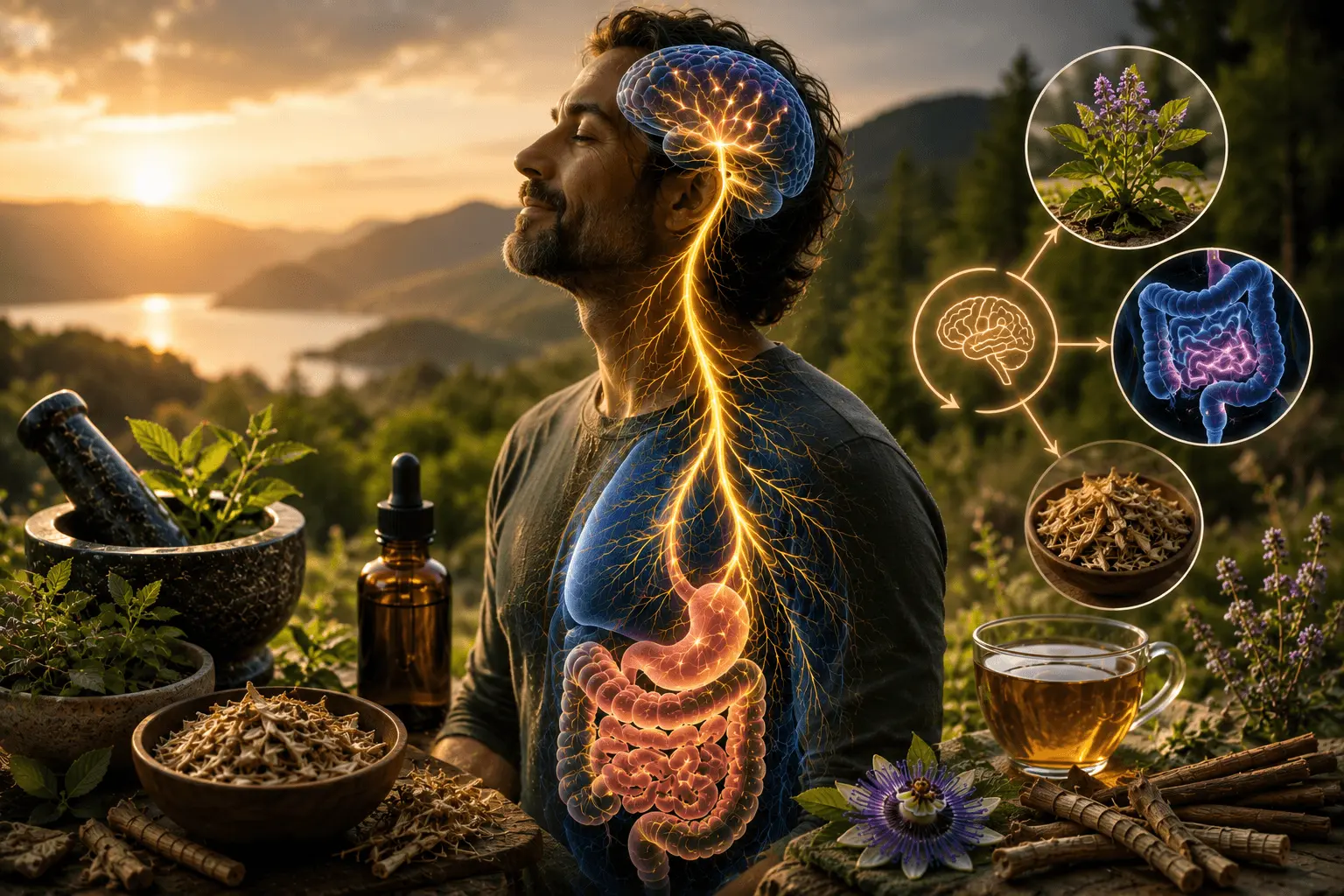
This final part of the vagus nerve series will focus on specific botanicals that help calm the parasympathetic nervous system and strengthen the gut-brain and vagus-nerve connection.
Botanical Compounds for the Brain-Gut Connection
In my practice, I’ve found that combining herbs and nutrients together enables me to create formulas that are far more effective than relying on a single herb. This is the traditional manner of practicing herbalism, and it is as much an art as it is a science.1 Stress, anxiety, and depression are common afflictions for those of us living in modern society, and the consequences of these emotional states affect not only our emotions, but also our bodies.2
Emotional distress causes a cascade of hormonal events that negatively influence the cardiovascular, immune, digestive, and reproductive systems, as well as the brain and nervous system.3 For this reason, I always begin with lifestyle recommendations to provide a foundation for stabilizing and strengthening the nervous system.4
In addition, I prescribe botanical formulas that provide a broad spectrum of support for the nervous system. In traditional herbal medicine we call these herbs “nervines.” Nervines relax, nourish, and strengthen the nervous system. They fortify the “Vital Spirit” and gently support the kidney and liver networks as well.5
One of the great benefits of botanical medicine is that plants nearly always have pleiotropic effects (this means that they have multiple benefits!). So, for example, when we’re treating anxiety and stress, we can also be enhancing immunity, or bolstering cardiovascular health, or strengthening the body’s defenses against cancer at the same time. Herbs are complex in that they bathe cells with hundreds of compounds, some of which may have very specific and direct ways in which they work, while others are non-specific and play a supportive role.6
Herbal nervines are unique in that they quiet down the sympathetic nervous system while enhancing the parasympathetic nervous system. Not only does this help us to feel more relaxed, but it may also prevent illness and enable us to live a healthier and longer life.7
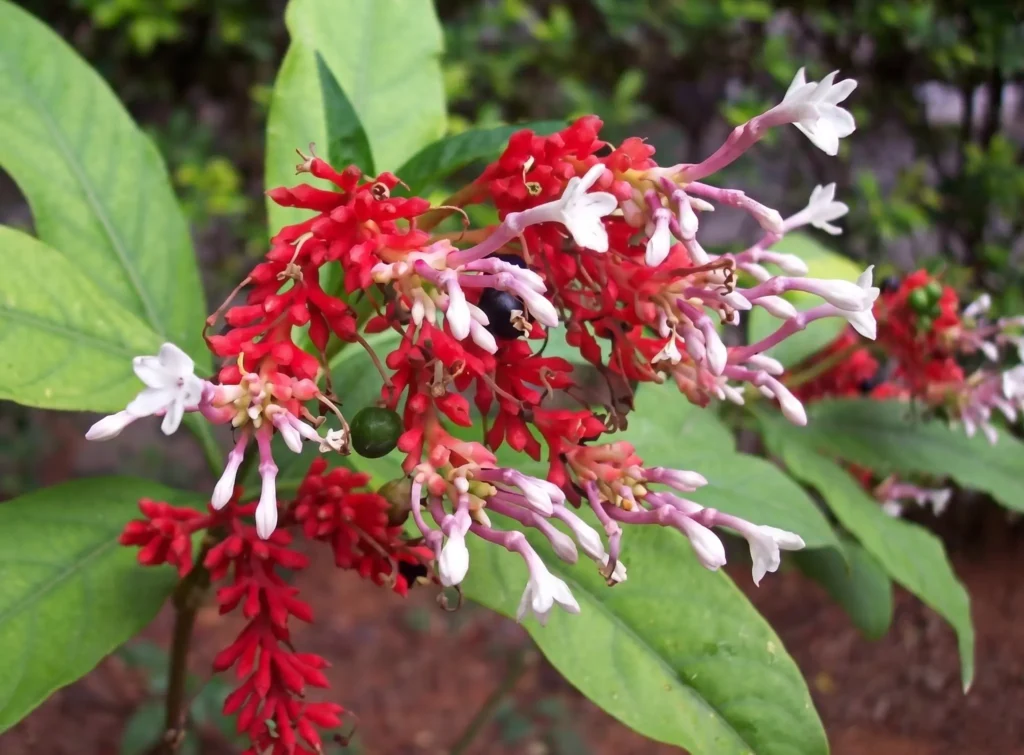
Rauwolfia (Rauwolfia serpentina/vomitera): The Premier Sympathetic Calming Herb
Rauwolfia is very specific for high-strung Type A personalities as it tones down the sympathetic nervous system and can act as a mild tranquilizing agent. Rauwolfia serpentina root has been used for centuries in India, and Rauwolfia vomitera in Africa, for the treatment of a variety of disorders including snake bites, insect bites and stings, insomnia and insanity.8 In India and Nepal, it’s a common treatment for hypertension and insomnia. Gandhi took it frequently at night for its calming actions.
Rustom Jal Vakil was a famous Indian cardiologist who, in 1949, published a watershed paper on the blood pressure lowering properties of Rauwolfia serpentina and affected a paradigm shift in the management of hypertension. Rauwolfia was the world’s 1st successful blood-pressure-lowering agent.9
Some of these Rauwolfia alkaloids act similar to beta blockers. Reserpine inhibits the reuptake of norepinephrine, causing its depletion by enzymes. Another alkaloid, ajmaline, has anti-arrhythmic action and inhibits ventricular arrhythmias. Rauwolfia has tranquilizing effects because, like beta-blockers, it reduces the effects of the stress hormone norepinephrine.10
Although reserpine remains very useful in the treatment of hypertension, whole rauwolfia extract standardized to 1% reserpine is far more effective and has fewer side effects. In low doses, reserpine acts synergistically with other cardiovascular tonic herbs and nutrients in formulations.11
Clinical Research on Rauwolfia
Rauwolfia serpentina significantly decreased blood pressure in test groups as compared to controls. Significant impact was reported on serum lipid profile and serum proteins as well as hepatoprotective and renoprotective potential in animal groups given the herbal extract as compared to control groups.12
A recent review of all compiled studies done on reserpine found it to be as effective as other first-line antihypertensive drugs in reducing systolic blood pressure. 13
Anti-Cancer Properties
Studies confirm anti-prostate-cancer activity of a beta-carboline-alkaloid-enriched extract of Rauwolfia vomitoria. R. vomitoria extract standardized for beta-carboline alkaloids was tested for the ability to influence the growth and survival of human prostate cancer cell lines. Tumor volumes were decreased by 60%, 70% and 58% in the groups fed various doses of Rauwolfia extract.14
Reserpine induces apoptosis and cell cycle arrest in hormone independent prostate cancer cells through mitochondrial membrane potential failure. Results indicate that reserpine inhibits DNA synthesis by arresting the cells at the G2 phase and showed all standard sequential features of apoptosis.15
Antitumor activities of Rauwolfia extract and potentiation of gemcitabine effects against pancreatic cancer have also been demonstrated. Rauwolfia induced apoptosis in pancreatic cancer cells in a concentration-dependent manner, and completely inhibited colony formation. The combination of Rauwolfia and gemcitabine had a synergistic effect in inhibiting cell growth.16
Constitutional Applications
Rauwolfia is a “sympatholytic agent”, meaning that it breaks down the fight or flight sympathetic stress response. As a result, it increases the level of calm and decreases unhealthy stress responses. This can be associated with an emotional-cognitive feeling of tranquility. Some people find this a little disturbing and experience it as “depression” or “emptiness”, others find it a positive and beneficial experience conducive to meditation – Gandhi used to drink Rauwolfia tea daily for its calming and pro-meditative influence.17
Other Traditional Nervine Botanicals
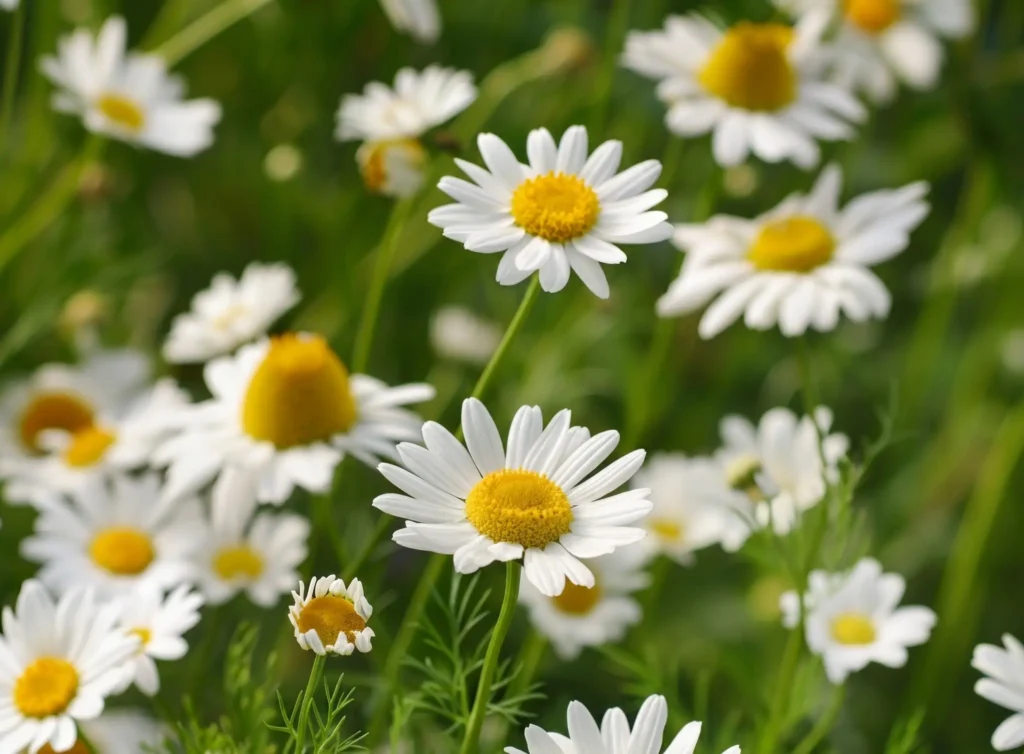
Chamomile (Matricaria chamomilla)
Chamomile has been used as a traditional herbal remedy for its digestive, relaxing, and calming effects. It was one of the important medicinal herbs native to southern and eastern Europe, known in ancient Egypt, Greece, and Rome. Its pharmacological properties include antiinflammatory, antiseptic, carminative, healing, sedative, and spasmolytic activity.18
Active compounds include the terpenoids α-bisabolol and its oxide azulenes including chamazulene and acetylene derivatives. Among flavonoids, apigenin is the most promising compound. Apigenin decreases cortisol plasma concentrations and has sedative, analgesic, anxiolytic, antiinflammatory, anticancer, and immunomodulatory effects.19
One clinical trial suggests that chamomile extract reduces stress and these effects may be a consequence of its inhibiting cortisol production and its calming and anxiolytic effects. Results from an 8-week, randomized, double-blind, placebo-controlled trial showed that chamomile extract had superior anti-anxiety effects versus placebo in mild to moderate generalized anxiety disorders.20
Another study showed that Chamomile treatment significantly improves generalized anxiety disorder (GAD). Long-term chamomile was safe and significantly reduced moderate-to-severe GAD symptoms.21
GI Protective Effects
Studies in preclinical models suggest that chamomile inhibits Helicobacter pylori, the bacteria that can contribute to stomach ulcers.22 Chamomile is believed to be helpful in reducing smooth muscle spasms associated with various GI inflammatory disorders.23 Oral administration of Chamomile extract at a dose of 400 mg/kg prevented gastric ulceration in mice.24
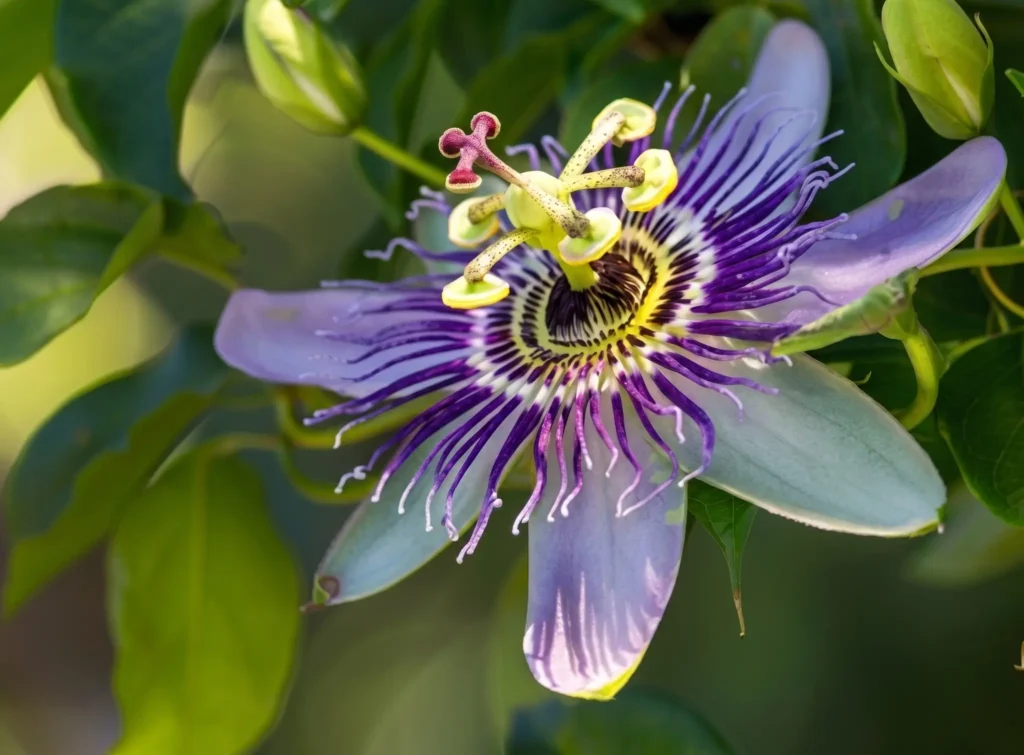
Passionflower (Passiflora incarnata)
Passionflower is one of the herbal extracts I most frequently use in combination herbal nervine tonic formulas that naturally promote tranquility.25 Clinical studies demonstrate that passionflower extract can significantly reduce anxiety levels in patients undergoing medical procedures and in those with generalized anxiety disorder. The herb works primarily through its interaction with GABA receptors, increasing the availability of this calming neurotransmitter in the brain.26
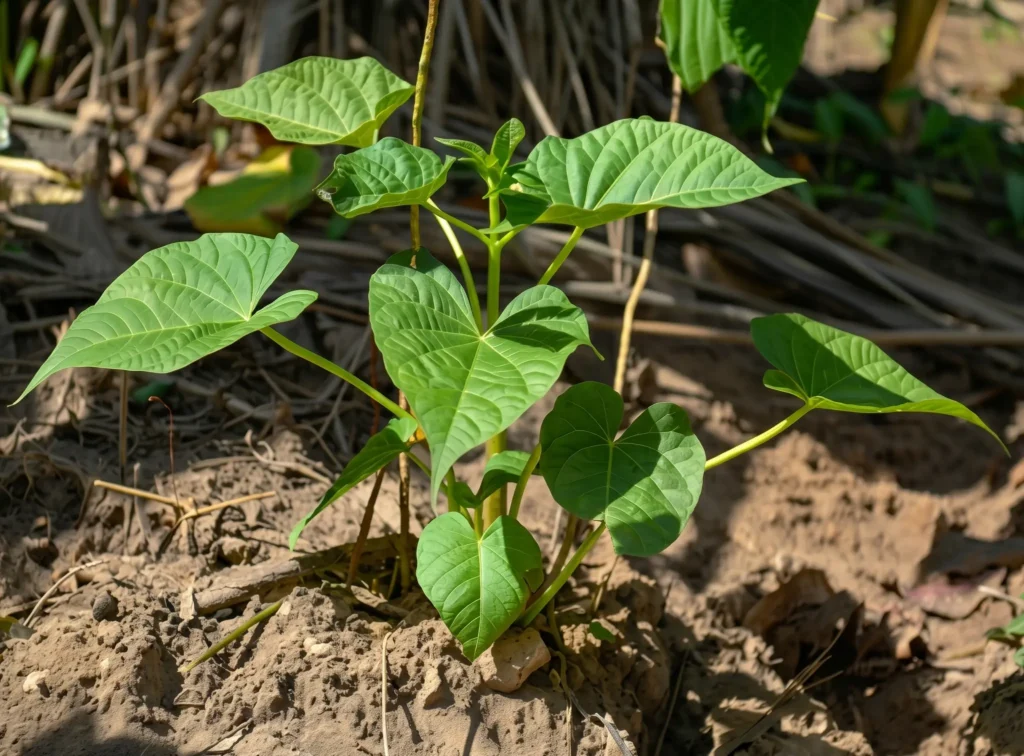
Kava (Piper methysticum)
Kava Kava is a perennial shrub indigenous to the South Pacific islands, cultivated for over 3,000 years, is one of my favorite herbs, not only for its beneficial effects on the nervous system, but also becauseit appears to have unique anti-cancer properties.27
It holds profound cultural importance in Pacific Island societies, featuring prominently in ceremonies and social gatherings. Traditional medicinal applications include diuretic tea for kidney and bladder ailments, treatment for respiratory issues, post-childbirth contraceptive, conflict resolution, and anxiety relief.28
One ofKava’s primary therapeutic values lies in its effect on genito-urinary mucous membranes, with clinical evidence supporting treatment of chronic gonorrhea, persistent gleet, bladder catarrh (particularly in elderly patients), painful urination, strangury, prostatic enlargement, and highly acidic urine. As a topical treatment (1:2 dilution with glycerin), it effectively addresses vulvar and anal pruritus and diabetic-related skin irritation. Additional applications include nocturnal enuresis in children and elderly, edema and dropsy management, appetite and digestive improvement, intestinal catarrh and hemorrhoid relief, intestinal indigestion with edema, and acute rheumatism (in combination with other herbs).29
Research into psychoactive plants that affect the central nervous system (CNS) has flourished, with an abundance of pre-clinical in vitro and in vivo studies validating many herbal extracts as having an array of biopsychological effects.30
I always use a combination of herbs in a formula and not just a single herb alone, I think of the herbs harmonizing and working together like a great jazz band.
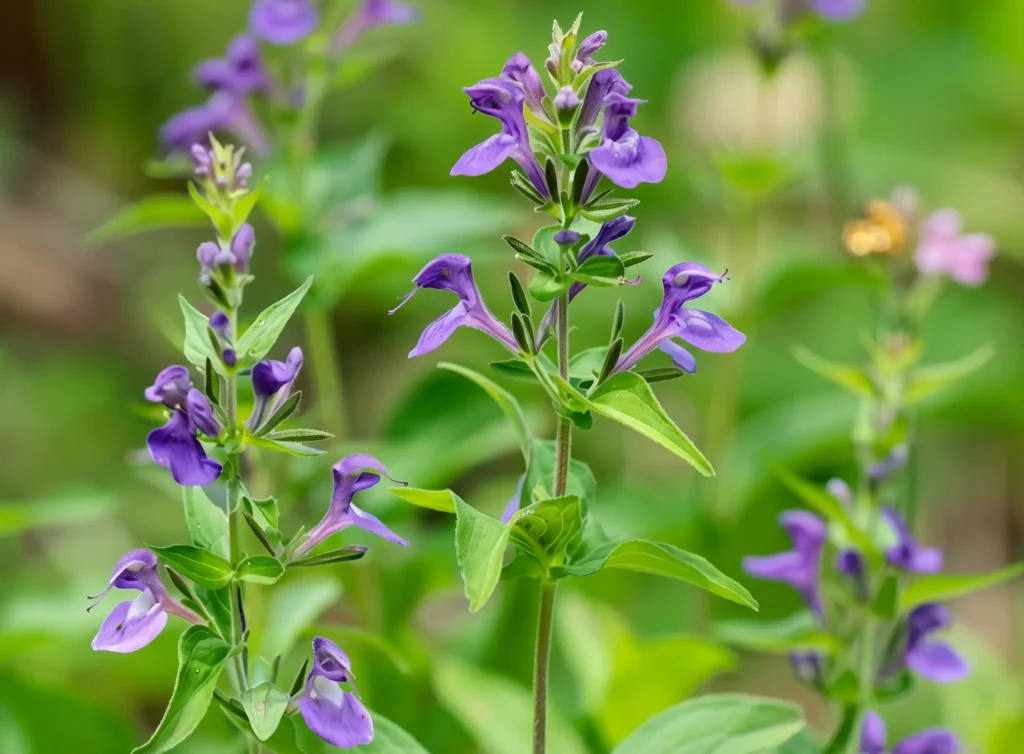
Skullcap (Scutellaria lateriflora)
Skullcap was used by both American Indians and the Eclectic physicians to ease anxiety and stress. Skullcap has a soothing influence on the nervous system that encourages quiet relaxation and restful sleep without sedation. Combined with Avena sativa, it forms the classic nervine duo for calming, tonifying, and regenerating the entire nervous system.31
I also find L-theanine, glycine, and/or GABA to be extremely effective when combined with botanicals. In choosing herbs and nutrients that are beneficial for stress, anxiety, and depression, I select those that have synergistic and tonic-like effects on the neurotransmitter, nervous, and endocrine systems.32 This includes acting as GABA receptor agonists or directly boosting GABA levels. GABA (γ-aminobutyric acid) is an inhibitory neurotransmitter that reduces impulse transmission between neurons; low levels of GABA in the central nervous system are associated with anxiety, depression, and insomnia.33
The Core Nervine Formula
The herbal extracts I most frequently formulate together include: passionflower (Passiflora), ziziphus (Ziziphus spinosa) seed, kava kava (Piper methysticum) root, lemon balm (Melissa officinalis), oat seed (Avena sativa), saffron (Crocus sativa), skullcap (Scutellaria lateriflora), and lavender flower (Lavandula spp.).34
Additional Digestive-Supportive Botanicals
Aloe Vera (Aloe barbadensis Miller)
Aloe vera is a well-known medicinal herb used for its commercial and therapeutic properties in many parts of the world. AV gel contains compounds with proven antibacterial, antiviral, antifungal, antioxidant, anti-inflammatory, anti-diabetic, immunomodulatory, and wound healing properties.35 AV gel contains acemannan, which has been identified as the primary polysaccharide responsible for enhancing humoral immune response and cellular immunity.36
Celery Seed (Apium graveolens)
The purified component of celery seeds, termed celery seed active hydrolysate (CAH), has demonstrated potent bactericidal effects against Helicobacter pylori, a major contributor to gastritis, ulcers, and gastric cancer. In vitro testing showed that CAH exhibited substantial antimicrobial activity, with a Minimum Inhibitory Concentration (MIC) of 3.15 µg/mL and a Minimum Bactericidal Concentration (MBC) of 6.25–12.5 µg/mL, indicating strong ability both to inhibit and directly kill H. pylori.
Beyond antimicrobial effects, celery seed contains volatile oils, flavonoids (including apigenin), and phthalides that may support healthy digestion by reducing inflammation, modulating gastric secretions, and protecting the stomach lining from oxidative stress.
Traditional use and early experimental evidence suggest that celery seed may help relieve dyspepsia, gas, and bloating, likely by promoting smooth muscle relaxation in the GI tract and supporting microbial balance. Celery seed’s antioxidant activity may further contribute to mucosal healing and reduced inflammatory cytokine signaling in the gut environment.
Ginger (Zingiber officinale)
Gingerols are the major pungent compounds found in ginger root and are renowned for their contribution to human health and nutrition. Both gingerols and shogaols exhibit a host of biological activities, ranging from anticancer, anti-oxidant, antimicrobial, anti-inflammatory and anti-allergic to various central nervous system actions.37, 38
The potential role of ginger extract was evaluated in modulating the extent and severity of ulcerative colitis. Results showed a valuable effect of ginger extract against acetic acid-induced ulcerative colitis possibly by its antioxidant and anti-inflammatory properties.39
Holy Basil (Ocimum sanctum)
Holy basil has demonstrated potent stress-protective, gastroprotective, and anti-ulcer effects. These benefits have been evaluated in multiple experimental ulcer models, including aspirin-, indomethacin-, and alcohol-induced gastric injury. The protective effects appear to be mediated in part through inhibition of 5-lipooxygenase (5-LOX), an enzyme involved in leukotriene synthesis that contributes to inflammation and mucosal damage. By modulating this pathway, holy basil may reduce inflammatory mediator production and help preserve gastric mucosal integrity.
Additionally, holy basil exhibits antioxidant activity that can neutralize reactive oxygen species generated during gastric injury, further supporting healing of the stomach lining. Its adaptogenic properties help regulate the hypothalamic-pituitary-adrenal (HPA) axis, reducing the negative effects of chronic stress on digestion, such as increased stomach acid secretion and impaired mucosal defense. Studies also suggest holy basil may enhance mucous secretion, improve gastric microcirculation, and support balanced gut motility—mechanisms that contribute to the relief of indigestion, abdominal discomfort, and stress-related GI disturbances. 40
Licorice (Glycyrrhiza glabra)
The benefits of Licorice have been documented since the ancient Greek era over 2000 years ago. Glycyrrhizin is the major active constituent obtained from licorice root and one of the most widely used in herbal preparations for the treatment of liver complaints. The plant is used as an anti-inflammatory, spasmolytic, laxative, anti-depressive, anti-ulcer, and anti-diabetic.41
Proton Pump Inhibitors and Gut Health
Today, millions spend billions of dollars each year on medications, mostly PPIs (Proton pump inhibitors), designed to reduce or get rid of stomach acid. Yet, suppressing a natural process like stomach acid secretion for long periods can have serious unintended consequences; and these drugs are very difficult to get off of because of rebound effects.42
Modern medicine and the pharmaceutical industry together has given stomach acid a bad name, but it’s really kind of a bum rap. Stomach acid serves several constructive purposes. Pepsin, an enzyme that is essential to the preliminary digestion of protein, needs an acidic environment in the stomach to be effective.43
PPI usage is associated with an increased risk of several diseases and conditions including pneumonia, c. difficile infections, bone loss, osteoporosis (you need stomach acid to absorb nutrients such as calcium into the bone), and vitamin B12 deficiency, to name a few.44
Personalized Constitutional Approaches
Understanding constitutional types and individual response patterns is essential for optimizing vagus nerve support protocols. The Mederi Care approach recognizes that each person has unique physiological, psychological, and energetic patterns that influence their response to therapeutic interventions.
The Type A Sympathetic Constitution
Personality typology divides individuals into four distinct categories—Types A, B, C, and D—each characterized by unique behavioral and physiological patterns. Type A personalities are defined by their competitive drive and sense of urgency, often manifesting as ambition, time-consciousness, and a relentless pursuit of achievement. In contrast, Type B personalities tend to be more relaxed and flexible, while Types C and D represent other distinct behavioral profiles within this framework.
The relationship between poor vagal tone and Type A traits is particularly significant. When vagal tone is compromised—typically due to chronic stress, anxiety, or lifestyle factors—the body’s ability to downregulate stress responses deteriorates. For Type A individuals, this physiological dysfunction acts as an amplifier, intensifying their already pronounced negative traits. Hostility becomes more pronounced, impatience escalates, and the characteristic urgency of Type A personalities can spiral into counterproductive aggression and irritability. In essence, poor vagal tone creates a vicious cycle where stress-induced physiological dysfunction exacerbates the very personality traits that generate stress in the first place.
High baseline sympathetic activity (Type A) people have a tendency towards anxiety and hypertension, rapid pulse, difficulty relaxing, driven personality, prone to cardiovascular disease and stress-related disorders.
Primary Intervention: Rauwolfia-based formulations provide the most targeted support for this constitutional type.
Supporting Protocol:
- Cardio Formula containing Rauwolfia serpentina (standardized whole plant extract): 50-100mg daily
- Other supportive herbs such as Kava, Passionflower, Ziziphus seed, Skullcap and Lemon balm for additional GABA support
- Magnesium (glycinate/Lysinate): 300-600mg daily, plus extra Glycine 2-5 grams
- Daily Pulsetto sessions, particularly evening use
- Cold water therapy and breath work
- Meditation focusing on surrender and letting go
Safety Considerations
While botanical medicines offer significant advantages over pharmaceutical interventions, proper safety protocols remain essential:
Rauwolfia Considerations:
- Avoid in severe depression or suicidal ideation
- Monitor blood pressure in hypotensive individuals
- Potential interactions with MAO inhibitors and certain psychiatric medications
- Use lower doses in elderly or debilitated individuals45
Vagal Nerve Stimulation Device Safety:
- Contraindications include implanted electronic devices, active seizure disorders, and pregnancy
- Monitor for blood pressure changes and heart rate variations
- Watch for skin irritation at stimulation sites46
Genetic Applications For Unitive Medicine
Current research is exploring genetic factors that influence vagus nerve function and response to interventions. Polymorphisms in genes affecting neurotransmitter metabolism, inflammatory responses, and autonomic function may predict individual responses to specific botanical medicines and vagal stimulation protocols.47
Digital Health Integration
Emerging technologies are combining HRV monitoring, smartphone applications, and AI-driven protocols to create personalized vagus nerve optimization programs that adapt in real-time to individual physiological patterns.48
Conclusion: The Future of Unitive Medicine
The convergence of ancient wisdom and modern science in vagus nerve optimization represents a paradigm shift in healthcare. By integrating spiritual practices, lifestyle modifications, evidence-based botanical medicines like Rauwolfia and traditional nervines, and carefully selected technologies like the Pulsetto device, we can create personalized protocols that address the root causes of autonomic dysfunction.
The Mederi Care approach recognizes that true healing involves not just the suppression of symptoms, but the restoration of optimal physiological function through support of the body’s innate healing mechanisms. The vagus nerve, as the primary pathway connecting mind, body, and spirit, offers a unique opportunity to facilitate this restoration.
As we continue to deepen our understanding of the vagus nerve’s role in health and disease, the integration of traditional healing wisdom with cutting-edge research will undoubtedly yield new insights and therapeutic approaches. The future of medicine lies not in choosing between ancient and modern approaches, but in their thoughtful integration under the guidance of experienced practitioners who understand both the art and science of healing.
May this comprehensive approach serve as a roadmap for those seeking to optimize their autonomic nervous system function and discover the profound connection between physical health, emotional well-being, and spiritual vitality

- Yance D. Adaptogens in Medical Herbalism: Elite Herbs and Natural Compounds for Mastering Stress, Aging, and Disease. Rochester, VT: Healing Arts Press; 2013.
- Cohen S, Janicki-Deverts D, Miller GE. Psychological stress and disease. JAMA. 2007;298(14):1685-7.
- McEwen BS. Central effects of stress hormones in health and disease: Understanding the protective and damaging effects of stress and stress mediators. Eur J Pharmacol. 2008;583(2-3):174-85.
- Yance D, Valentine A. Herbal Medicine, Healing and Cancer. Lincolnwood, IL: Keats Publishing; 1999.
- Hoffmann D. Medical Herbalism: The Science and Practice of Herbal Medicine. Rochester, VT: Healing Arts Press; 2003.
- Heinrich M, Barnes J, Gibbons S, Williamson EM. Fundamentals of Pharmacognosy and Phytotherapy. 2nd ed. Edinburgh: Churchill Livingstone; 2012.
- Mills S, Bone K. The Essential Guide to Herbal Safety. St. Louis: Elsevier Churchill Livingstone; 2005.
- Shah SMA, Naqvi SAR, Munir N, Zafar S, Akram M, Nisar J. Antihypertensive and Antihyperlipidemic Activity of Aqueous Methanolic Extract of Rauwolfia Serpentina in Albino Rats. Dose Response. 2020;18(3):1559325820942077.
- Isharwal S, Gupta S. Rustom Jal Vakil: his contributions to cardiology. Tex Heart Inst J. 2006;33(2):161-70.
- Burn JH, Rand MJ. Noradrenaline in artery walls and its dispersal by reserpine. Br Med J. 1958;1(5076):903-8.
- Shamon SD, Perez MI. Blood pressure lowering efficacy of reserpine for primary hypertension. Cochrane Database Syst Rev. 2009;(4):CD007655.
- Shah SMA, Naqvi SAR, Munir N, Zafar S, Akram M, Nisar J. Antihypertensive and Antihyperlipidemic Activity of Aqueous Methanolic Extract of Rauwolfia Serpentina in Albino Rats. Dose Response. 2020;18(3):1559325820942077.
- Shamon SD, Perez MI. Blood pressure-lowering efficacy of reserpine for primary hypertension. Cochrane Database Syst Rev. 2016;12(12):CD007655.
- Bemis DL, Capodice JL, Gorroochurn P, Katz AE, Buttyan R. Anti-prostate cancer activity of a beta-carboline alkaloid enriched extract from Rauwolfia vomitoria. Int J Oncol. 2006;29(5):1065-73.
- Ramamoorthy MD, Kumar A, Ayyavu M, Dhiraviam KN. Reserpine Induces Apoptosis and Cell Cycle Arrest in Hormone Independent Prostate Cancer Cells through Mitochondrial Membrane Potential Failure. Anticancer Agents Med Chem. 2018;18(9):1313-1322.
- Yu J, Chen Q. Antitumor Activities of Rauwolfia vomitoria Extract and Potentiation of Gemcitabine Effects Against Pancreatic Cancer. Integr Cancer Ther. 2014;13(3):217-225.
- Vakil RJ. A clinical trial of Rauwolfia serpentina in essential hypertension. Br Heart J. 1949;11(4):350-5.
- Singh O, Khanam Z, Misra N, Srivastava MK. Chamomile (Matricaria chamomilla L.): An overview. Pharmacogn Rev. 2011;5(9):82-95.
- Zanoli P, Avallone R, Baraldi M. Behavioral characterisation of the flavonoids apigenin and chrysin. Fitoterapia. 2000;71 Suppl 1:S117-23.
- Amsterdam JD, Li Y, Soeller I, Rockwell K, Mao JJ, Shults J. A randomized, double-blind, placebo-controlled trial of oral Matricaria recutita (chamomile) extract therapy for generalized anxiety disorder. J Clin Psychopharmacol. 2009;29(4):378-82.
- Amsterdam JD, Shults J, Soeller I, Mao JJ, Rockwell K, Newberg AB. Chamomile (Matricaria chamomilla) may have antidepressant activity in anxious, depressed humans: an exploratory study. Altern Ther Health Med. 2012;18(5):44-9.
- Mahady GB, Pendland SL, Stoia A, Hamill FA, Fabricant D, Dietz BM, Chadwick LR. In vitro susceptibility of Helicobacter pylori to botanical extracts used traditionally for the treatment of gastrointestinal disorders. Phytother Res. 2005;19(11):988-91.
- McKay DL, Blumberg JB. A review of the bioactivity and potential health benefits of chamomile tea (Matricaria recutita L.). Phytother Res. 2006;20(7):519-30.
- Al-Howiriny T, Alsheikh A, Alqasoumi S, Al-Yahya M, ElTahir K, Rafatullah S. Gastric antiulcer, antisecretory and cytoprotective properties of Celastrus paniculatus in rats. Pharm Biol. 2010;48(8):925-31.
- Akhondzadeh S, Naghavi HR, Vazirian M, Shayeganpour A, Rashidi H, Khani M. Passionflower in the treatment of generalized anxiety: a pilot double-blind randomized controlled trial with oxazepam. J Clin Pharm Ther. 2001;26(5):363-7.
- Appel K, Rose T, Fiebich B, Kammler T, Hoffmann C, Weiss G. Modulation of the γ-aminobutyric acid (GABA) system by Passiflora incarnata L. Phytother Res. 2011;25(6):838-43.
- Sarris J, LaPorte E, Schweitzer I. Kava: a comprehensive review of efficacy, safety, and psychopharmacology. Aust N Z J Psychiatry. 2011;45(1):27-35.
- Lebot V, et al. Kava: The Pacific Drug. New Haven and London: Yale University Press; 1992.
- The American Materia Medica, Therapeutics and Pharmacognosy, 1919, by Finley Ellingwood, M.D., digitized by the Southwest School of Botanical Medicine.
- Sarris J, Panossian A, Schweitzer I, Stough C, Scholey A. Herbal medicine for depression, anxiety and insomnia: a review of psychopharmacology and clinical evidence. Eur Neuropsychopharmacol. 2011;21(12):841-60.
- Wolfson P, Hoffmann DL. An investigation into the efficacy of Scutellaria lateriflora in healthy volunteers. Altern Ther Health Med. 2003;9(2):74-8.
- Yance D, Valentine A. Herbal Medicine, Healing and Cancer. Lincolnwood, IL: Keats Publishing; 1999.
- Cryan JF, Kaupmann K. Don’t worry ‘B’ happy!: a role for GABA(B) receptors in anxiety and depression. Trends Pharmacol Sci. 2005;26(1):36-43.
- Yance D. Adaptogens in Medical Herbalism: Elite Herbs and Natural Compounds for Mastering Stress, Aging, and Disease. Rochester, VT: Healing Arts Press; 2013
- Hamman JH. Composition and applications of Aloe vera leaf gel. Molecules. 2008;13(8):1599-616.
- Lee JK, Lee MK, Yun YP, Kim Y, Kim JS, Kim YS, et al. Acemannan purified from Aloe vera induces phenotypic and functional maturation of immature dendritic cells. Int Immunopharmacol. 2001;1(7):1275-84.
- Yamamoto N, Naraparaju VR, Sreedhar B. Ginger (Zingiber officinale) constituents and cyclooxygenase-2: studies with isolated enzymes and intact cells. Biochem Biophys Res Commun. 2004;314(1):108-13.
- Shukla Y, Singh M. Cancer preventive properties of ginger: a brief review. Food Chem Toxicol. 2007;45(5):683-90.
- El-Abhar HS, Hammad LN, Gawad HS. Modulating effect of ginger extract on rats with ulcerative colitis. J Ethnopharmacol. 2008;118(3):367-72.
- Kelm MA, Nair MG, Strasburg GM, DeWitt DL. Antioxidant and cyclooxygenase inhibitory phenolic compounds from Ocimum sanctum Linn. Phytomedicine. 2000;7(1):7-13.
- Asl MN, Hosseinzadeh H. Review of pharmacological effects of Glycyrrhiza sp. and its bioactive compounds. Phytother Res. 2008;22(6):709-24
- Lanas A, Chan FK. Peptic ulcer disease. Lancet. 2017;390(10094):613-624.
- Schubert ML, Peura DA. Control of gastric acid secretion in health and disease. Gastroenterology. 2008;134(7):1842-60.
- Freedberg DE, Kim LS, Yang YX. The risks and benefits of long-term use of proton pump inhibitors: expert review and best practice advice from the American Gastroenterological Association. Gastroenterology. 2017;152(4):706-15.
- Shamon SD, Perez MI. Blood pressure-lowering efficacy of reserpine for primary hypertension. Cochrane Database Syst Rev. 2016;12(12):CD007655.
- Redgrave J, Day D, Leung H, Laud PJ, Ali A, Lindert R, et al. Safety and tolerability of Transcutaneous Vagus Nerve stimulation in humans; a systematic review. Brain Stimul. 2018;11(6):1225-1238.
- Thayer JF, Brosschot JF. Psychosomatics and psychopathology: looking up and down from the brain. Psychoneuroendocrinology. 2005;30(10):1050-8.
- Kemp AH, Quintana DS, Gray MA, Felmingham KL, Brown K, Gatt JM. Impact of depression and antidepressant treatment on heart rate variability: a review and meta-analysis. Biol Psychiatry. 2010;67(11):1067-74.