
By Donnie Yance
Is our behavior driving many of our diseases? And, if so, have we been missing the boat with our treatment approaches and medicines? Is our poor gastrointestinal health (GI) affecting our behavior, mood, and cognitive ability? Or, is our behavior affecting our GI health? This comprehensive series will examine the profound connections between the vagus nerve, the autonomic nervous system, and whole-person health, integrating spiritual practices, lifestyle interventions, evidence-based botanical medicines, and modern vagus nerve stimulation technologies within the Mederi Care framework.
Introduction: “What Happens in Vagus”
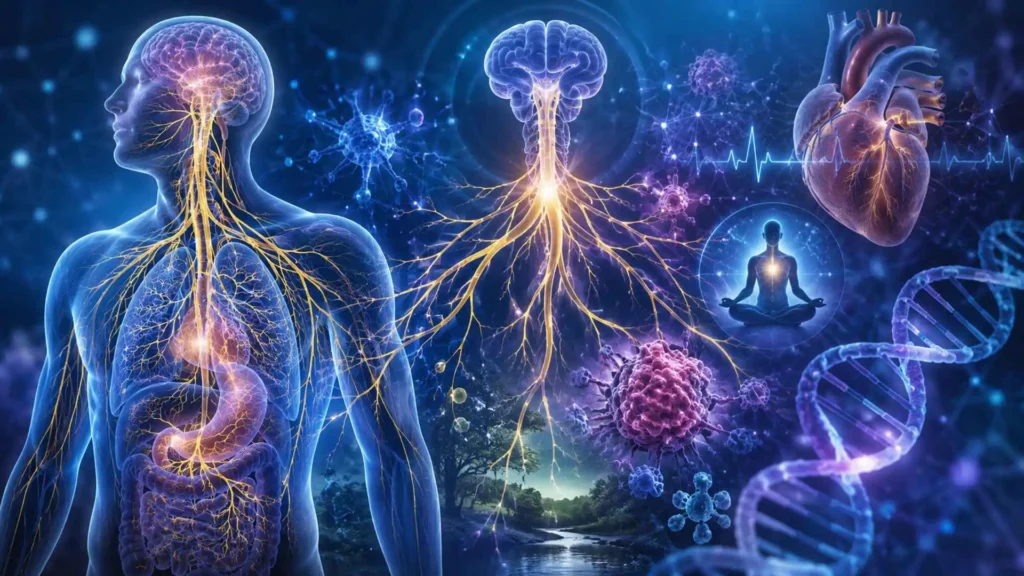
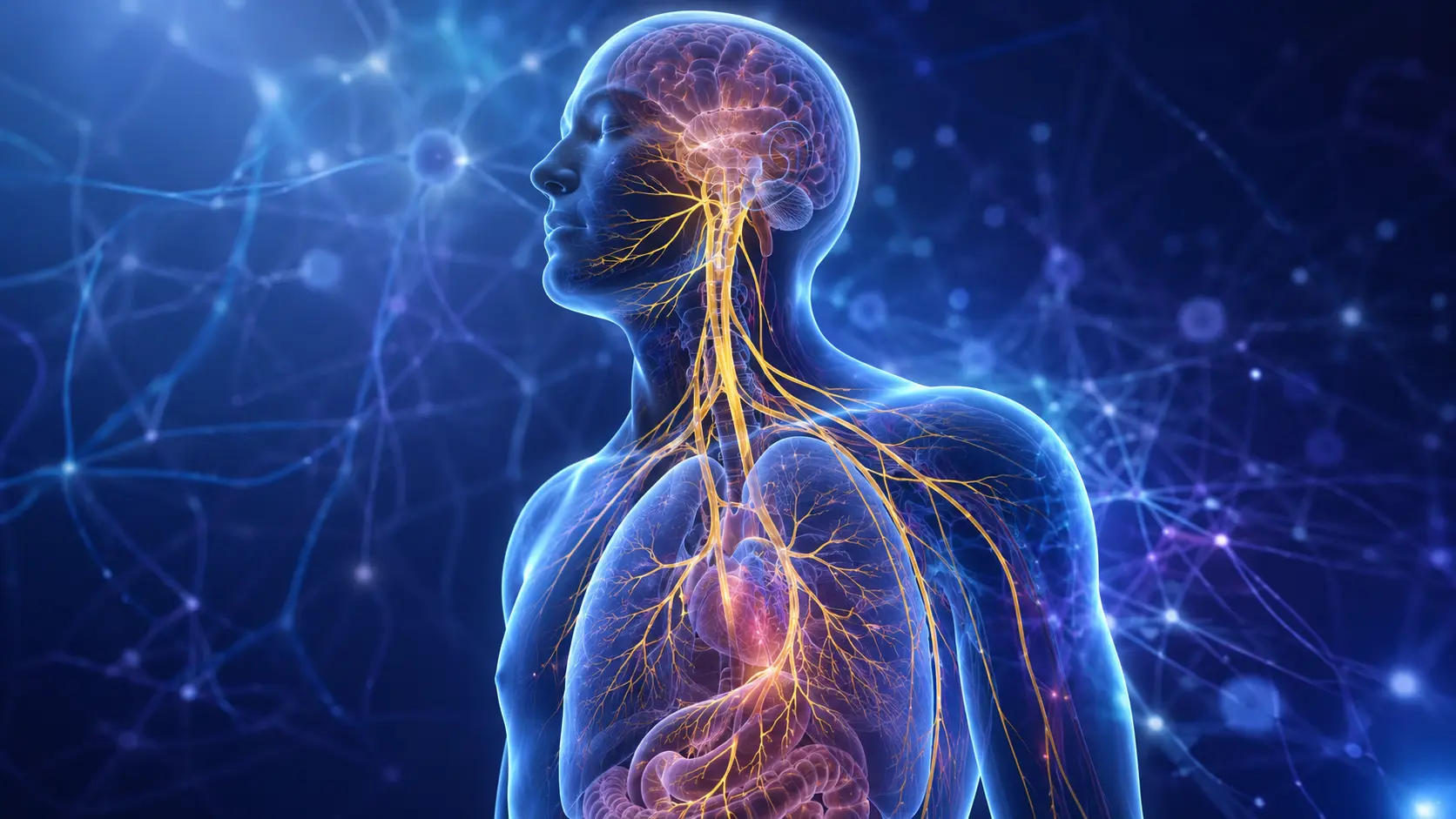
There is a new scientific language to understand how the spirit-mind controls the body through effects on the vagus nerve and autonomic nervous system (ANS), immune cells, microbiome, stem cells, telomeres, DNA, and more.1 The vagus nerve, also called the pneumogastric nerve, cranial nerve 10, the Wanderer, or sometimes the Rambler, is the tenth of twelve (excluding the CNS) paired cranial nerves. The vagus is the major nerve of the parasympathetic nervous system, and innervates several organs from the neck to the abdomen and interfaces with parasympathetic control of the heart, lungs, and digestive tract.2
The vagus nerve is the longest nerve in the human body, providing afferent (flowing inward to the spine and brain) information about visceral sensation, integrity and somatic sensations to the CNS via brainstem nuclei to subcortical and cortical structures. Its efferent (outward) arm influences GI motility and secretion, cardiac ionotropy, chronotropy, and heart rate variability, blood pressure responses, bronchoconstriction, and modulates gag and cough responses via palatine and pharyngeal innervation.3
Autonomic Nervous System: The Foundation of Health
The autonomic nervous system (ANS) is a complex, multifaceted network that maintains internal physiologic allostasis.4 Allostasis is the process of achieving stability through dynamic physiological or behavioral changes. This can be carried out by means of alteration in HPA axis hormones, the autonomic nervous system, cytokines, or a number of other systems, and is generally adaptive in the short term. Allostasis is essential in order to maintain internal viability amid changing conditions.5
Bidirectional Communication Networks
The vagal branches contain afferent (i.e. sensory) and efferent (i.e. motor) fibers contributing to a bidirectional communication between the visceral organs and the brain.6 The extensive vagal innervation of the body indicates that the vagus nerve has a multitude of physiological functions. Specifically, the gastrointestinal (GI) tract is densely innervated by the vagus nerve and the latter plays a crucial role in GI functions such as food intake, digestion, and GI barrier function.7 In addition, the vagus nerve has immunomodulatory properties suggesting that activation of the parasympathetic portion of the GI tract could act as a new therapeutic tool to treat intestinal immune diseases.8
The vagus originates in the brainstem (as cranial nerve ten), travels all the way down to the tongue, vocal chords, and neck, and then passes around the digestive system, liver, spleen, pancreas, heart, and lungs. The vagus nerve is the most important part of the parasympathetic nervous system, the one that helps with ‘resting and digesting’.9
The Stress Response and Vagal Balance
Activation of your vagus nerve counteracts the sympathetic nervous system, the one that responds to stress by activating your fight-or-flight response. Stimulating the vagus nerve is a quick and easy way to relieve anxiety. The vagal response reduces stress. From a Chinese medicine perspective, it is the “yin” activator. It reduces our heart rate and blood pressure. It changes the function of certain parts of the brain and stimulates digestion, all those things that happen when we are relaxed.10
When you stimulate your vagus nerve, it releases an array of anti-stress enzymes and hormones such as acetylcholine, prolactin, vasopressin, and oxytocin.11
Vagus nerve stimulation is associated with benefits such as improved memory, immune function, sleep, and higher levels of growth hormone. It can also help to regulate immune function, and buffer inflammation, allergic responses, and even tension headaches.12
Children with high-baseline vagus nerve activity are more cooperative and likely to give to others. This area of study is the beginning of a fascinating new argument about altruism: that a branch of our nervous system evolved to support such prosocial behaviors.13
The Spiritual Dimension: Vagus Nerve and Consciousness
Metaphorically, the vagus nerve represents the deepest layer of the body’s energetic field generated by the semiconductive tissue of the nervous system. It acts as a bridge between body and spirit—awakening higher states of consciousness and supporting the experience of timeless awareness, or immortality. This connection between physiology and spiritual awakening is described in Tibetan Inner Fire meditations and Taoist “shen” (spirit) breathing practices.14
The vagus nerve is often referred to as the “Nerve of compassion” because when it’s active, it helps create the “warm-fuzzy feeling” that we feel in our chest when we get a hug or are moved by something like listening to an uplifting piece of music.15
The Sacred Heart Connection
At our hearts, a physiologic connection and rhythm exists between our divinity and our physical existence. I propose that the “Life Force” itself animates the heart and this is why the heart is intuitively so sacred to us. Many Catholic churches are called “Sacred Heart.” The German mystic, Rudolf Steiner (1861-1925), founder of the Anthroposophy movement, understood that one of the great transformations of science would come in the twenty-first century as people learned to comprehend the central role of the heart and began to examine life from the intuitive-interior heart-centered perspective.16
Steiner explained that intuition is the convergence of subjective (being/subconscious) and objective (doing/conscious) knowledge. It is a state of inspired consciousness whereby the objective takes place through the subjective.17
The Wandering Nerve Linking Heart and Mind
The vagus nerve’s function is to transmit information to and from the central nervous system (CNS) regarding control of the gastrointestinal, cardiovascular, and respiratory systems. It’s composed of approximately 80% afferent and 20% efferent fibers including A, B and C fibers classified by conduction velocity. Vagus neurons may involve visceral (cardiac, bronchopulmonary, gastrointestinal) or somatic (soft tissues, muscles of palate, and pharynx) modulation.18
“The intuitive mind is a sacred gift and the rational mind is a faithful servant. We have created a society that honors the servant and has forgotten the gift.”
– Albert Einstein19
Anti-Inflammatory Pathways and Immune Modulation
There are two anti-inflammatory pathways of interest for the CNS that interface between the nervous and immune systems: the hypothalamus-pituitary-adrenal (HPA) axis and the cholinergic anti-inflammatory pathway.20 The HPA axis is involved in coordinated neural behavioral and endocrine responses that provide an important first-line innate defense against infection and inflammation and help to restore homeostasis in the body.21
The immune system acts as an important intermediary between the gut microbiota and the brain. Cytokines are the signaling molecules of the immune system and can talk to the brain from the periphery via the vagus nerve, or they can access the brain directly via the circumventricular areas (regions of the blood–brain barrier that are relatively permeable).22
The gut microbiota are capable of modulating the peripheral inflammatory response, which can affect brain function and behavior. The vagus nerve is responsible for mediating the beneficial effects of probiotics on physiological mechanisms such as wound healing.23
Key Communication Pathways of the Microbiota–Gut–Brain Axis
There are numerous mechanisms through which our gut bacteria can signal to the brain. These include activation of the vagus nerve, production of immune mediators and microbial metabolites (i.e. short-chain fatty acids [SCFAs]), and enteroendocrine cell signaling.24 Through these routes of communication, the microbiota–gut–brain axis controls central physiological processes such as: neurotransmission, neurogenesis, neuroinflammation and neuroendocrine signaling.25
The Gut-Brain Connection: Historical Perspective and Modern Understanding – Darwin’s Early Observations
It has long been appreciated that the gastrointestinal (GI) tract and the central nervous system (CNS) interact. For example, Charles Darwin wrote in his classic The Expression of the Emotions in Man and Animals (1872): “The manner in which the secretions of the alimentary canal and of certain other organs….are affected by strong emotions, is another excellent instance of the direct action of the sensorium on these organs, independently of the will or of any serviceable associated habit.” 26
In the mid-1800s, Claude Bernard, known as the “father of modern experimental physiology”, noted that the brain and the heart interacted through the pneumogastric nerve…so that, as Darwin wrote, “under any excitement there will be much mutual action and reaction between these…27 But for many of us in the modern era, elucidating how the GI tract and CNS interacted can be traced to the work of Gibbs and Smith. These authors clearly showed that the satiety effect of peripherally administered cholecystokinin (CCK) was mediated through the vagus nerve.28
Stress and Microbiome Balance
Stress has a significant influence on the balance of intestinal microflora. Moore et al found, “The composition of the flora was not significantly affected by drastic changes in diet, but statistically significant shifts in the proportions of some species were noted in individuals under conditions of anger or fear stress.”29
Recently, a new neural connection has been reported between sensory cells of the gut epithelium and the nervous system that mediates signals from the gut to the brain. The gut senses, and its environment relays those signals to the brain, and the brain in turn influences the gut.30
Bidirectional Communication Networks
There is a bidirectional information network between the gut microbiota and the brain. Researchers are finding evidence that irritation in the gastrointestinal system may send signals to the central nervous system (CNS) that trigger mood changes.31 Our gut and brain ‘talk’ to each other, so therapies, including herbal medicine, that help one may help the other. The gut microbiota is changing along with human development and is influenced by various stress factors.32
Some evidence has shown that stress in the first few years of life could lead to a change in microbiota, and this change is a risk factor for stress-related disorders in adulthood.33, 34
Nutritional Psychiatry and the Mederi Care Approach
The communication of the microbiota-gut-brain axis, occurs through various pathways including the vagus nerve, the immune system, neuroendocrine pathways, and bacteria-derived metabolites.35
This axis has been shown to influence neurotransmission and the behaviors that are often associated with neuropsychiatric conditions. Therefore, targeting the modulation of the gut microbiota, nervous system, and endocrine system together is the Mederi Care approach for the treatment of various neuropsychiatric, digestive, and immune conditions.36 And, in particular, the microbiota is poised to play a key role in nutritional interventions for maintaining brain health.37
Neurotransmitter Production by Gut Microbes
Gut microbes are capable of producing most neurotransmitters found in the human brain.38 Growing evidence supports the view that gut microbes influence central neurochemistry and behavior.39 Irritable bowel syndrome is regarded as the prototypic disorder of the brain-gut-microbiota axis that can be responsive to probiotic therapy.40 Translational studies indicate that certain bacteria may have an impact on stress responses and cognitive functioning.41 Manipulating the gut microbiota with psychobiotics, prebiotics, or even antibiotics offers a novel approach to altering brain function and treating gut-brain axis disorders, such as depression and autism.42
There is now strong evidence from animal studies that gut microorganisms can activate the vagus nerve and that such activation plays a critical role in mediating effects on the brain and behavior.43 The vagus appears to differentiate between non-pathogenic and potentially pathogenic bacteria even in the absence of overt inflammation and vagal pathways mediate signals that can create both anxiety producing or calming effects, depending on the nature of the stimulus.44
The Anti-Inflammatory Reflex
Certain vagal signals from the gut can start an anti-inflammatory reflex with afferent signals to the brain activating an efferent response, releasing mediators including acetylcholine that, through an interaction with immune cells, reduce inflammation.45 This immunomodulatory role of the vagus nerve may also have consequences for modulation of brain function and mood.46 What is currently lacking is relevant data on the electrophysiology of the system.
Certainly, important advances in our understanding of the gut-brain and microbiome-gut-brain axis will come from studies of how distinct microbial and nutritional stimuli activate the vagus. These studies will also reveal the nature of the signals transmitted to the brain that lead to differential changes in neurochemistry and behavior.47
Understanding vagus nerve signals may have important implications for the development of microbial or nutrition-based therapeutic strategies for mood disorders.48 Vagus nerve stimulation can help normalize an elevated HPA axis, including high CRH, ACTH, and Cortisol.49, 50
The Vagus Nerve as a Predictor of Health Outcomes
Global burden of diseases (GBD) includes noncommunicable conditions such as cardiovascular diseases, cancer, and chronic obstructive pulmonary disease (COPD).51 These share important behavioral risk factors (e.g., smoking, exercise, diet) and pathophysiological contributing factors (oxidative stress, inflammation, and excessive sympathetic activity).52 I want to introduce this new medical paradigm to predict, understand, prevent, and possibly treat such chronic diseases based on the science of neuroimmunology and specifically by focusing on vagal neuromodulation.53 Vagal activity is related to frontal brain activity which regulates healthy or unhealthy lifestyle behaviors.54
Epidemiologically, high vagal activity, indexed by greater heart rate variability (HRV), independently predicts reduced risk and better prognosis of chronic disease.55 Biologically, the vagus nerve inhibits oxidative stress, inflammation, and sympathetic activity (and associated hypoxia).56 Finally, current noninvasive methods exist to activate this nerve for neuromodulation, and have promising clinical effects.57 Indeed, preliminary evidence exists for the beneficial effects of vagal nerve activation in diabetes, stroke, myocardial infarction, and possibly cancer. 58
Thus, we propose to routinely implement measurement of HRV to predict such disease burden in populations, and to test in randomized controlled trials the effects of noninvasive vagal nerve activation on prevention and treatment of chronic disease. 59
The Vagus Nerve and Digestive Function
Beginning in the brain, the vagus nerve travels down alongside the esophagus to the stomach and other gastrointestinal organs and is primarily responsible for autonomic regulation involved in heart, lung and gastrointestinal function.60 The vagus nerve controls much of the activity of the stomach, intestine, and pancreas and plays a role in food processing, including:
- Expansion of the stomach as food enters
- Contractions of the stomach to break food into smaller particles
- Release of gastric acid required for food processing
- Emptying of the stomach contents into the small intestine
- Secretion of digestive pancreatic enzymes that enable absorption of calories
- Controlling sensations of hunger, satisfaction, and fullness 61
Conclusion
The vagus nerve serves as a vital bridge between the body, mind, and spirit. It connects our thoughts and emotions with the health of our heart, gut, and immune system. Modern research is now confirming what many ancient healing traditions have long taught, that our inner state of peace, compassion, and balance directly affects our physical well-being.
When the vagus nerve is functioning well, it promotes calmness, supports healthy digestion, regulates inflammation, and strengthens resilience against stress and disease. By understanding and supporting this powerful nerve through nutrition, mindfulness, spiritual practice, and gentle stimulation, we can improve both physical and emotional health. The vagus nerve reminds us that healing is not just about treating symptoms, but about restoring harmony between body and spirit. This integrated approach of uniting science and spirituality marks a new frontier in medicine and human potential.
In part 2 of the series, we will explore the vagus nerve and its connections to cancer and other chronic diseases.

- Bonaz B, Sinniger V, Pellissier S. Anti-inflammatory properties of the vagus nerve: potential therapeutic implications of vagus nerve stimulation. J Physiol. 2016;594(20):5781-5790.
- Breit S, Kupferberg A, Rogler G, Hasler G. Vagus nerve as modulator of the brain-gut axis in psychiatric and inflammatory disorders. Front Psychiatry. 2018;9:44.
- Howland RH. Vagus nerve stimulation. Curr Behav Neurosci Rep. 2014;1(2):64-73.
- Sterling P, Eyer J. Allostasis: a new paradigm to explain arousal pathology. In: Fisher S, Reason J, editors. Handbook of Life Stress, Cognition and Health. New York: John Wiley & Sons; 1988. p. 629-649.
- McEwen BS, Wingfield JC. The concept of allostasis in biology and biomedicine. Horm Behav. 2003;43(1):2-15.
- Browning KN, Travagli RA. Central nervous system control of gastrointestinal motility and secretion and modulation of gastrointestinal functions. Compr Physiol. 2014;4(4):1339-68.
- Forsythe P, Bienenstock J, Kunze WA. Vagal pathways for microbiome-brain-gut axis communication. Adv Exp Med Biol. 2014;817:115-33.
- Matteoli G, Boeckxstaens GE. The vagal innervation of the gut and immune homeostasis. Gut. 2013;62(8):1214-22.
- Yuan H, Silberstein SD. Vagus nerve and vagus nerve stimulation, a comprehensive review: Part I. Headache. 2016;56(1):71-8.
- Gerritsen RJS, Band GPH. Breath of Life: The Respiratory Vagal Stimulation Model of Contemplative Activity. Front Hum Neurosci. 2018;12:397
- Kok BE, Fredrickson BL, Coffey KA, Brantley J, Kramer T, Loucks EB, Stanton AL, Cohn MA. How positive emotions build physical health: perceived positive social connections account for the upward spiral between positive emotions and vagal tone. Psychol Sci. 2013;24(7):1123-32.
- Zaccara G, Giannasi G, Oggioni R, Rosati E, Tramacere L, Palumbo P, et al. Challenges in the treatment of convulsive status epilepticus. Seizure. 2017;47:17-24.
- Keltner D, Haidt J, Shiota MN. Social functionalism and the evolution of emotions. In: Schaller M, Kenrick DT, Simpson JA, editors. Evolution and social psychology. New York: Psychology Press; 2006. p. 115-142.
- Steiner R. The Influence of Spiritual Beings on Man. London: Rudolf Steiner Press; 1961.
- Porges SW. The polyvagal perspective. Biol Psychol. 2007;74(2):116-43.
- Steiner R. How to Know Higher Worlds: A Modern Path of Initiation. Hudson, NY: Anthroposophic Press; 1994.
- Steiner R. Intuitive Thinking as a Spiritual Path: A Philosophy of Freedom. Hudson, NY: Anthroposophic Press; 1995.
- Agostoni E, Chinnock JE, De Daly MB, Murray JG. Functional and histological studies of the vagus nerve and its branches to the heart, lungs and abdominal viscera in the cat. J Physiol. 1957;135(1):182-205.
- Einstein A. The World As I See It. New York: Philosophical Library; 1949.
- Tracey KJ. The inflammatory reflex. Nature. 2002;420(6917):853-9.
- Chrousos GP. Stress and disorders of the stress system. Nat Rev Endocrinol. 2009;5(7):374-81.
- Cryan JF, Dinan TG. Mind-altering microorganisms: the impact of the gut microbiota on brain and behaviour. Nat Rev Neurosci. 2012;13(10):701-12.
- Lyte M. Microbial endocrinology and the microbiota-gut-brain axis. Adv Exp Med Biol. 2014;817:3-24.
- Cryan JF, O’Riordan KJ, Cowan CSM, Sandhu KV, Bastiaanssen TFS, Boehme M, et al. The microbiota-gut-brain axis. Physiol Rev. 2019;99(4):1877-2013.
- Sampson TR, Mazmanian SK. Control of brain development, function, and behavior by the microbiome. Cell Host Microbe. 2015;17(5):565-76.
- Darwin C. The Expression of the Emotions in Man and Animals. London: John Murray; 1872.
- Bernard C. An Introduction to the Study of Experimental Medicine. New York: Macmillan; 1927.
- Gibbs J, Young RC, Smith GP. Cholecystokinin decreases food intake in rats. Obes Res. 1997;5(3):284-90.
- Moore WE, Moore LH. Intestinal floras of populations that have a high risk of colon cancer. Appl Environ Microbiol. 1995;61(9):3202-7.
- Kaelberer MM, Buchanan KL, Klein ME, Barth BB, Montoya MM, Shen X, Bohórquez DV. A gut-brain neural circuit for nutrient sensory transduction. Science.
- Mayer EA, Tillisch K, Gupta A. Gut/brain axis and the microbiota. J Clin Invest. 2015;125(3):926-38.
- Moloney RD, Desbonnet L, Clarke G, Dinan TG, Cryan JF. The microbiome: stress, health and disease. Mamm Genome. 2014;25(1-2):49-74.
- O’Mahony SM, Marchesi JR, Scully P, Codling C, Ceolho AM, Quigley EM, et al. Early life stress alters behavior, immunity, and microbiota in rats: implications for irritable bowel syndrome and psychiatric illnesses. Biol Psychiatry. 2009;65(3):263-7.
- Sudo N, Chida Y, Aiba Y, Sonoda J, Oyama N, Yu XN, et al. Postnatal microbial colonization programs the hypothalamic-pituitary-adrenal system for stress response in mice. J Physiol. 2004;558(Pt 1):263-75.
- Foster JA, Rinaman L, Cryan JF. Stress & the gut-brain axis: Regulation by the microbiome. Neurobiol Stress. 2017;7:124-136.
- Sarkar A, Lehto SM, Harty S, Dinan TG, Cryan JF, Burnet PW. Psychobiotics and the manipulation of bacteria-gut-brain signals. Trends Neurosci. 2016;39(11):763-781.
- Dash S, Clarke G, Berk M, Jacka FN. The gut microbiome and diet in psychiatry: focus on depression. Curr Opin Psychiatry. 2015;28(1):1-6.
- Strandwitz P. Neurotransmitter modulation by the gut microbiota. Brain Res. 2018;1693(Pt B):128-133.
- Dinan TG, Cryan JF. The Microbiome-Gut-Brain Axis in Health and Disease. Gastroenterol Clin North Am. 2017;46(1):77-89.
- Pimentel M, Lembo A. Microbiome and Its Role in Irritable Bowel Syndrome. Dig Dis Sci. 2020;65(3):829-839.
- Tillisch K, Labus J, Kilpatrick L, Jiang Z, Stains J, Ebrat B, et al. Consumption of fermented milk product with probiotic modulates brain activity. Gastroenterology. 2013;144(7):1394-401.
- Cryan JF, Dinan TG. Mind-altering microorganisms: the impact of the gut microbiota on brain and behaviour. Nat Rev Neurosci. 2012;13(10):701-12.
- Bravo JA, Forsythe P, Chew MV, Escaravage E, Savignac HM, Dinan TG, et al. Ingestion of Lactobacillus strain regulates emotional behavior and central GABA receptor expression in a mouse via the vagus nerve. Proc Natl Acad Sci U S A. 2011;108(38):16050-5.
- Goehler LE, Park SM, Opitz N, Lyte M, Gaykema RP. Campylobacter jejuni infection increases anxiety-like behavior in the holeboard: possible anatomical substrates for viscerosensory modulation of exploratory behavior. Brain Behav Immun. 2008;22(3):354-66.
- Bonaz B, Sinniger V, Pellissier S. Vagus nerve stimulation: a new promising therapeutic tool in inflammatory bowel disease. J Intern Med. 2017;282(1):46-63.
- Bonaz B, Bazin T, Pellissier S. The Vagus Nerve at the Interface of the Microbiota-Gut-Brain Axis. Front Neurosci. 2018;12:49.
- Forsythe P, Kunze W, Bienenstock J. Moody microbes or fecal phrenology: what do we know about the microbiota-gut-brain axis? BMC Med. 2016;14:58.
- Holzer P, Farzi A. Neuropeptides and the microbiota-gut-brain axis. Adv Exp Med Biol. 2014;817:195-219.
- George MS, Ward HE, Ninan PT, Pollack M, Nahas Z, Anderson B, et al. A pilot study of vagus nerve stimulation (VNS) for treatment-resistant anxiety disorders. Brain Stimul. 2008;1(2):112-21.
- Peña DF, Engineer ND, McIntyre CK. Rapid remission of conditioned fear expression with extinction training paired with vagus nerve stimulation. Biol Psychiatry. 2013;73(11):1071-7.
- GBD 2017 Causes of Death Collaborators. Global, regional, and national age-sex-specific mortality for 282 causes of death in 195 countries and territories, 1980-2017: a systematic analysis for the Global Burden of Disease Study 2017. Lancet. 2018;392(10159):1736-1788.
- Thayer JF, Yamamoto SS, Brosschot JF. The relationship of autonomic imbalance, heart rate variability and cardiovascular disease risk factors. Int J Cardiol. 2010;141(2):122-31.
- Thayer JF, Lane RD. Claude Bernard and the heart-brain connection: further elaboration of a model of neurovisceral integration. Neurosci Biobehav Rev. 2009;33(2):81-8.
- Park G, Vasey MW, Van Bavel JJ, Thayer JF. When tonic cardiac vagal tone predicts changes in phasic vagal tone: the role of fear and perceptual load. Psychophysiology. 2014;51(5):419-26.
- Thayer JF, Åhs F, Fredrikson M, Sollers JJ 3rd, Wager TD. A meta-analysis of heart rate variability and neuroimaging studies: implications for heart rate variability as a marker of stress and health. Neurosci Biobehav Rev. 2012;36(2):747-56.
- Thayer JF, Sternberg E. Beyond heart rate variability: vagal regulation of allostatic systems. Ann N Y Acad Sci. 2006;1088:361-72.
- Clancy JA, Mary DA, Witte KK, Greenwood JP, Deuchars SA, Deuchars J. Non-invasive vagus nerve stimulation in healthy humans reduces sympathetic nerve activity. Brain Stimul. 2014;7(6):871-7.
- Koopman FA, Chavan SS, Miljko S, Grazio S, Sokolovic S, Schuurman PR, et al. Vagus nerve stimulation inhibits cytokine production and attenuates disease severity in rheumatoid arthritis. Proc Natl Acad Sci U S A. 2016;113(29):8284-9.
- Tracey KJ. Reflex control of immunity. Nat Rev Immunol. 2009;9(6):418-28.
- Berthoud HR, Neuhuber WL. Functional and chemical anatomy of the afferent vagal system. Auton Neurosci. 2000;85(1-3):1-17.
- Browning KN, Travagli RA. Central nervous system control of gastrointestinal motility and secretion and modulation of gastrointestinal functions. Compr Physiol. 2014;4(4):1339-68.