
By Donnie Yance
What is Za’atar?
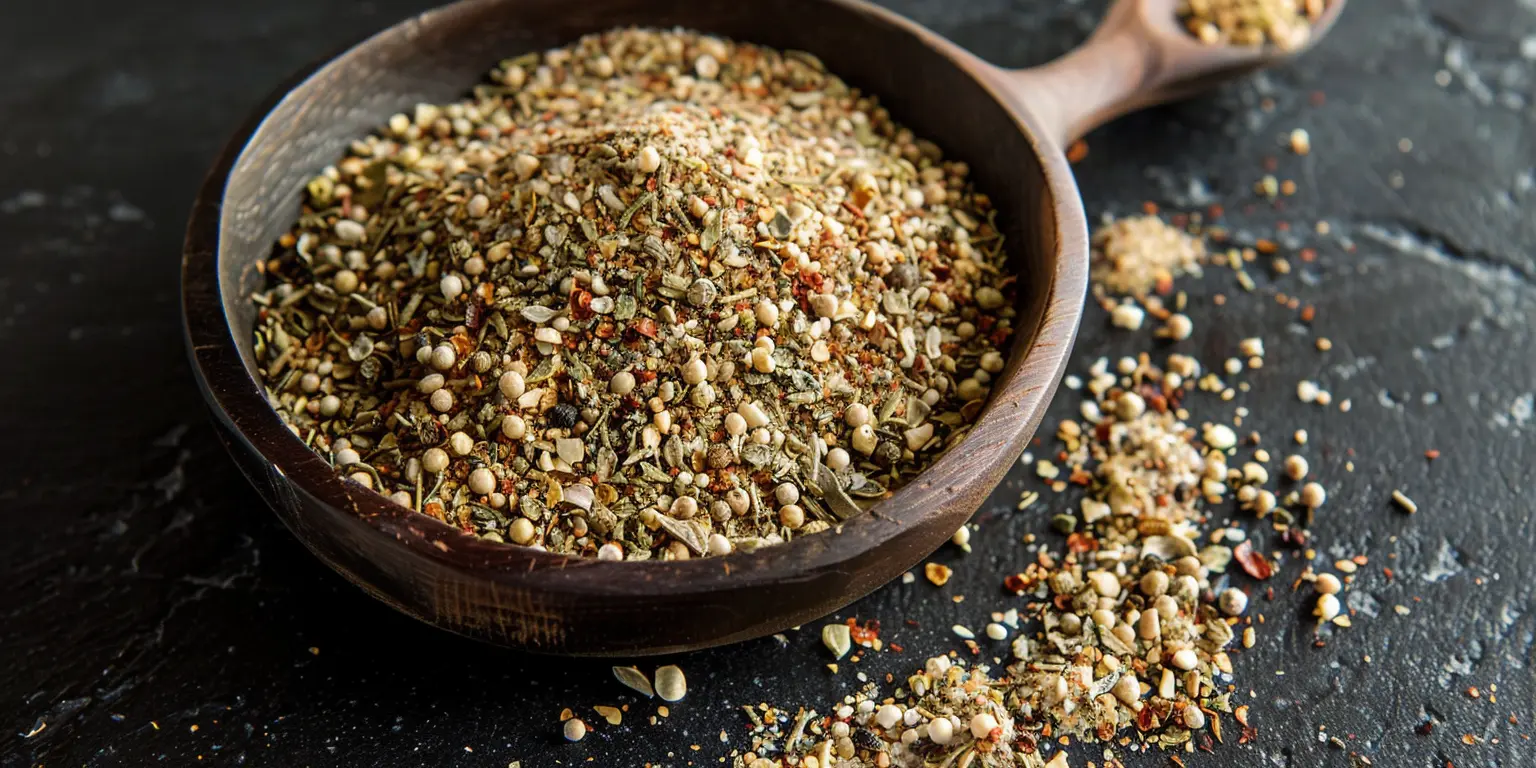
Za’atar is a traditional Middle Eastern spice blend that combines: dried ground wild sumac, wild thyme, wild oregano, and marjoram (or some combination thereof), mixed with toasted sesame seeds and salt. This aromatic mixture has been a cornerstone of Mediterranean cuisine for centuries.
Years ago, during a week-long lecture series in Israel, I discovered some of the most extraordinary cuisine I’ve ever encountered. Among the many memorable dishes, those featuring Za’atar stood out with remarkable distinction. This ancient Middle Eastern spice blend, with its distinctive combination of wild thyme, sumac, sesame seeds, and salt, captivated me instantly. The tangy, earthy complexity was unlike anything in my culinary repertoire—herbaceous yet bright, nutty yet tart. Beyond its incredible flavor profile, I was delighted to learn that Za’atar also boasts impressive health-promoting properties, including antioxidant compounds and anti-inflammatory benefits that have been valued in traditional medicine for centuries.
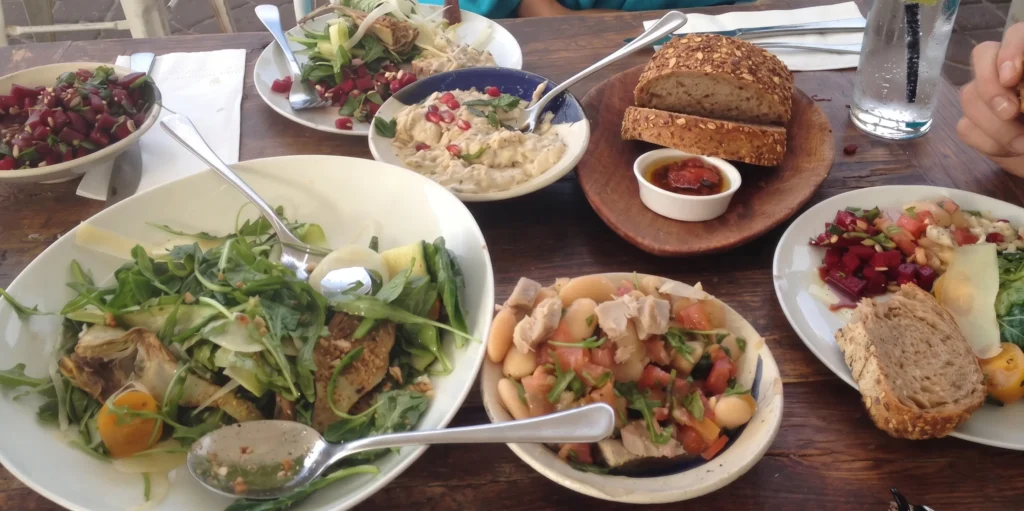
Here was my lunch at a beach restaurant in Tel Aviv Israel
Historical Background
In the 12th century, the great Spanish Jewish philosopher and healer, Maimonides prescribed za’atar to his patients to treat a variety of ailments. This ancient practice hints at the therapeutic potential that modern science is now beginning to validate.
Composition and Active Compounds
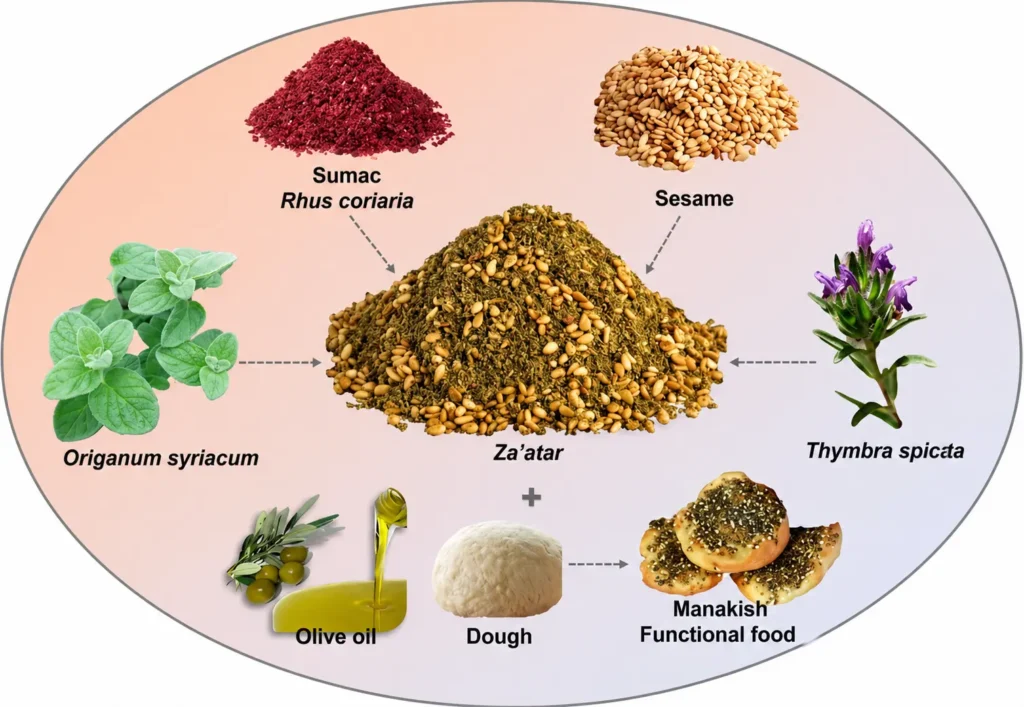
Za’atar’s ingredients vary across the Middle East, but typically include ground oregano, thyme or marjoram, sumac, toasted sesame seeds, and salt. Za’atar’s health benefits stem from its carefully balanced combination of botanically active ingredients:
- Origanum syriacum (Wild oregano or Lebanese thyme)
- Thymbra spicata (Wild thyme)
- Rhus coriaria (Sumac)
- Sesamum indicum (Sesame seeds)
- And often salt as well
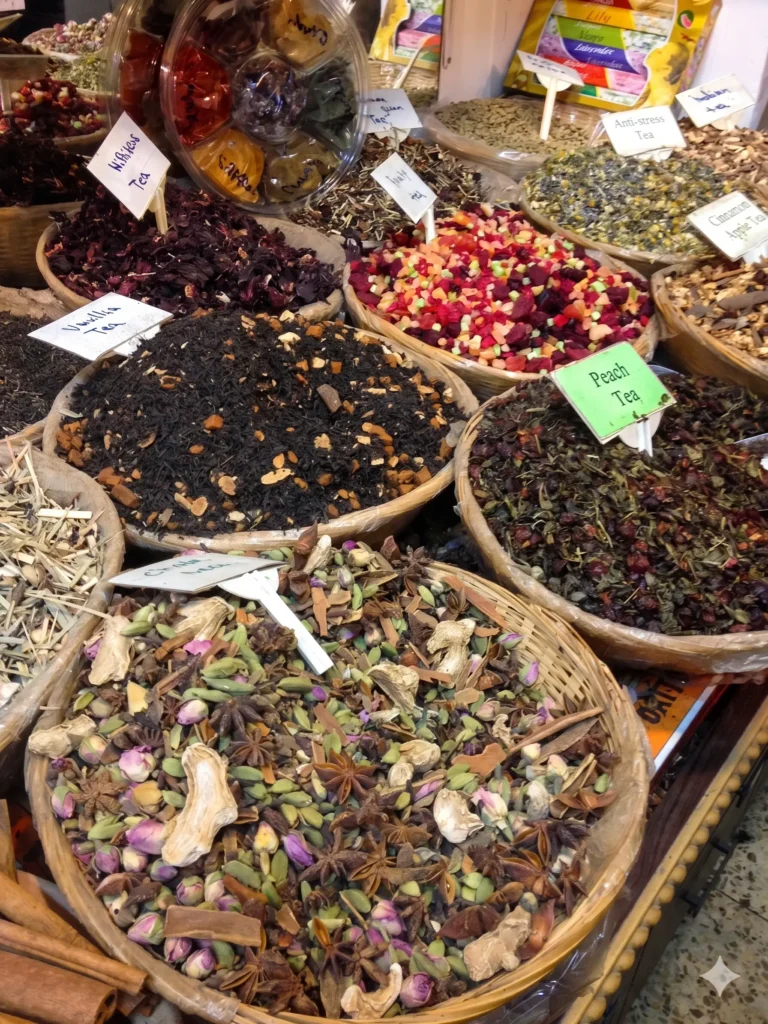
I bought a large bag of Za’atar from a spice shop in the middle of Jerusalem – Here is a photo of the spices on display
Health Benefits: What the Research Shows
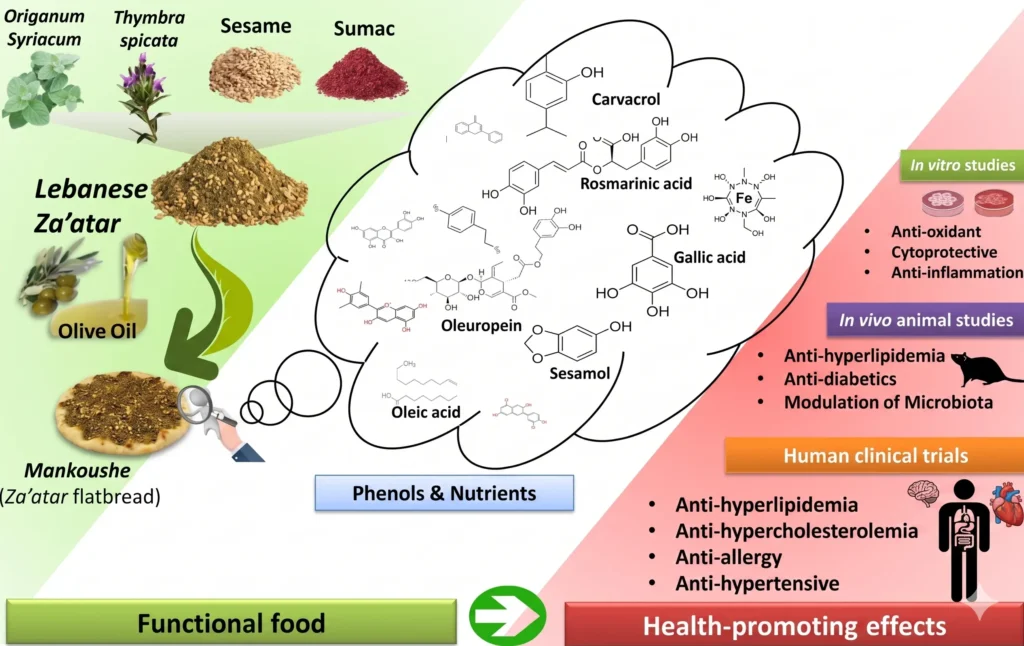
Modern research validates Maimonides’ instincts. Sumac contains flavonoids, while thyme and oregano are rich in thymol and carvacrol—compounds with antioxidant, antiseptic, and fungicide properties. Thymol helps control coughing in bronchitis patients, explaining why Maimonides recommended za’atar for colds.
Recent scientific investigations have revealed that za’atar components offer several health-promoting effects:
- Cardiovascular Health: Plant-based compounds in za’atar generate protective effects against chronic and cardio-metabolic diseases
- Gut Health: The za’atar mixture is rich in bioactive compounds commonly found in the Mediterranean diet. These compounds can heal the gut wall and nourish the microbiome.
- Anti-inflammatory Properties: Components help modulate gut microbiota, reduce oxidative stress, combat chronic inflammation, and may help manage obesity1
- Brain Health: Emerging research suggests za’atar may influence neurological function. When administered orally to rats, carvacrol affected levels of key neurotransmitters:
Dopamine: Critical for the brain’s pleasure, reward, and motivation systems
Serotonin: Important for learning and mood regulation2
Carvacrol easily crosses from blood into the brain. A 2013 study3 found that carvacrol affects dopamine and serotonin levels.
Now let’s take a deeper dive into each of the ingredients:
Origanum syriacum (Lebanese thyme / Wild oregano)
Origanum syriacum, commonly known as Lebanese thyme or wild oregano, is a traditional culinary and medicinal herb native to the Middle East. Its primary active compounds include carvacrol, thymol, and rosmarinic acid, which exhibit strong antioxidant, anti-inflammatory, and antimicrobial properties. These compounds help protect the body against chronic inflammation, bacterial and fungal infections, and oxidative stress, a contributor to heart disease, aging, and cancer. Research also suggests that O. syriacum may support respiratory health, immune function, and gastrointestinal health, while helping prevent metabolic disorders like diabetes and hyperlipidemia.
Thymbra spicata (Wild thyme)
Thymbra spicata, another member of the mint family, is rich in terpenes such as carvacrol, thymol, and γ-terpinene, which contribute to its potent antimicrobial and antioxidant effects. Used traditionally in Middle Eastern and Mediterranean medicine, Thymbra spicata has shown potential in preventing and treating respiratory infections, digestive disorders, and chronic inflammation. The high antioxidant activity of its polyphenols also help lower the risk of cardiovascular diseases, cancer, and neurodegenerative conditions by protecting cells from free radical damage.
Rhus coriaria (Sumac)
Rhus coriaria, commonly known as sumac, is a tangy spice rich in polyphenols, particularly gallic acid, quercetin, and tannins, which have powerful anti-inflammatory, antioxidant, and antimicrobial effects. Sumac has been used in traditional medicine to support cardiovascular health, regulate blood sugar, and combat oxidative stress. Modern research suggests that sumac can help prevent or manage type 2 diabetes, high blood pressure, obesity, and even certain cancers by reducing inflammation and improving metabolic function. It also supports gut health by modulating the gut microbiota.
Sesamum indicum (Sesame seeds)
Sesamum indicum, or sesame seeds, are an ancient food valued for their rich content of lignans (especially sesamin and sesamolin), vitamin E, phytosterols, and polyunsaturated fats. These bioactive compounds give sesame its antioxidant, anti-inflammatory, and cholesterol-lowering properties. Regular sesame consumption has been linked to reduced risk of heart disease, hypertension, and certain cancers, particularly breast and colon cancer. Sesame also supports bone health, helps regulate blood sugar, and offers protection against neurodegenerative diseases due to its role in combating oxidative damage in the brain.
Current evidence suggests that za’atar’s combined constituents generate comprehensive beneficial effects on pathogenic pathways underlying chronic cardiovascular diseases, diabetes, and cancer.4 These are three of the world’s leading causes of death that are preventable with diet and lifestyle. Imagine supporting a longer disease-free life just by making your food more delicious!
How To Use Za’atar
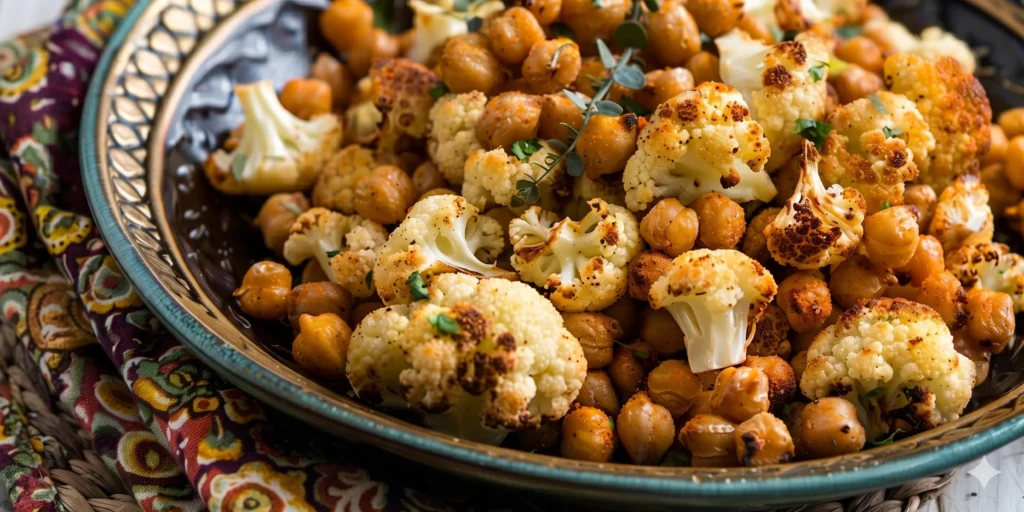
Za’atar’s versatile, earthy flavor makes it an excellent addition to both simple and elaborate dishes. Sprinkle it generously over olive oil-drizzled flatbread or pita before baking, mix it into Greek yogurt for a protein-rich dip, or use it as a seasoning rub for roasted chicken and vegetables. For quick weeknight meals, toss roasted chickpeas or cauliflower with za’atar and olive oil, blend it into homemade hummus, or simply sprinkle it over avocado toast with a drizzle of lemon juice. The herb blend also works beautifully in grain bowls, mixed into quinoa or bulgur, and as a finishing touch on roasted sweet potatoes or grilled halloumi cheese.
5 easy ways to use za’atar:
- Za’atar and olive oil as a dipping oil for bread
- On avocado toast, with or without a poached or scrambled egg
- Use it as a vinaigrette salad dressing along with olive oil, fresh lemon, mustard, 1 garlic clove, a ½ tsp. honey, and salt and pepper to taste. I typically use a 3 to 1 ratio of lemon juice to olive oil.
- On top of roasted potatoes – along with wild oregano, or fresh rosemary, is my favorite!
- On top of watermelon, cucumber and feta cheese salad. You can also include tomatoes, olives, and red onions.
Conclusion
Za’atar is much more than a flavorful spice, it’s a powerful blend of herbs and seeds that has been used for both food and medicine for centuries. Modern science now supports what ancient healers like Maimonides once believed: the ingredients in za’atar: wild thyme, oregano, sumac, and sesame seeds, can help protect your body from inflammation, infections, heart disease, diabetes, and even cancer. These natural compounds have strong antioxidant and immune-boosting effects, and even support brain health by improving mood and protecting nerve function. Easy to use in everyday meals, za’atar adds both a burst of flavor and of health to your lifestyle. Whether sprinkled on vegetables, mixed into yogurt, or baked onto bread, this ancient blend proves that food really can be delicious medicine.

- Mohamad Khalil, Giusy Rita Caponio, Farah Diab, Harshitha Shanmugam, Agostino Di Ciaula, Hala Khalifeh, Laura Vergani, Maria Calasso, Maria De Angelis, Piero Portincasa, “Unraveling the beneficial effects of herbal Lebanese mixture ‘Za’atar’. History, studies, and properties of a potential healthy food ingredient,” Journal of Functional Foods, Volume 90, 2022, 104993, ISSN 1756-4646, https://doi.org/10.1016/j.jff.2022.104993
- Margherita Zotti, Marilena Colaianna, Maria Grazia Morgese, Paolo Tucci, Stefania Schiavone, Pinarosa Avato and Luigia Trabace, “Carvacrol: From Ancient Flavoring to Neuromodulatory Agent,” Molecules 2013, 18(6), 6161-6172; doi:10.3390/molecules18066161
- Zotti, M.; Colaianna, M.; Morgese, M.G.; Tucci, P.; Schiavone, S.; Avato, P.; Trabace, L. Carvacrol: From Ancient Flavoring to Neuromodulatory Agent. Molecules 2013, 18, 6161-6172. https://doi.org/10.3390/molecules18066161
- Mohamad Khalil, Giusy Rita Caponio, Farah Diab, Harshitha Shanmugam, Agostino Di Ciaula, Hala Khalifeh, Laura Vergani, Maria Calasso, Maria De Angelis, Piero Portincasa, “Unraveling the beneficial effects of herbal Lebanese mixture ‘Za’atar’. History, studies, and properties of a potential healthy food ingredient,” Journal of Functional Foods, Volume 90, 2022, 104993, ISSN 1756-4646, https://doi.org/10.1016/j.jff.2022.104993





2 Responses
When we went to Israel and I think it was 1992 or 93 I had my first experience with za’atar. It is the most flavorful most lovely taste ever and I have yet to duplicate it here so if you know the recipe they did in Israel, please share it.
Has anyone compared the constituents in sumacs available in the US- in particular Smooth sumac (Rhus glabra) or Staghorn sumac (Rhus typhina)?