


By Donnie Yance
Over the past 30 years, gluten has become the number one villain among foods. Walk into any grocery store and you’ll find entire aisles dedicated to gluten-free products. Restaurants proudly display gluten-free menus. Social media influencers tout the benefits of eliminating this protein from their diets. At one time, an allergy to gluten was rare—now it seems nearly everyone knows someone who claims to be gluten sensitive or intolerant.
But what if we’ve been blaming the wrong culprit all along?
Amy Denney’s story, in the Epoch Times, is one that resonates with millions of Americans. For years, she struggled with debilitating symptoms that seemed to point directly to gluten as the enemy. “I had been gluten-free for years,” she recalls, “avoiding wheat, barley, and rye religiously. Yet I still experienced bloating, brain fog, and digestive distress that would leave me exhausted and frustrated.”
Like so many others, Amy had accepted her diagnosis of gluten sensitivity as a life sentence. She meticulously read labels, asked detailed questions at restaurants, and felt a mixture of anxiety and resignation every time she sat down to eat. The gluten-free lifestyle had become her identity—and her prison.
But then something unexpected happened. During a trip to Europe, Amy decided to throw caution to the wind. “I was in Italy, surrounded by the most beautiful bread and pasta I’d ever seen,” she explains. “I thought, ‘What’s the worst that could happen?’ So I ate it. And I waited for the inevitable reaction.”
It never came.
Day after day, Amy consumed traditional Italian bread, fresh pasta, and pastries—all made with wheat flour. And day after day, she felt fine. Better than fine, actually. The bloating disappeared. The brain fog lifted. Her energy returned. “I couldn’t understand it,” she says. “How could I be so sensitive to gluten at home but perfectly fine eating it in Europe?”
Amy’s experience isn’t unique, and it points to a truth that’s been hiding in plain sight: for many people, the problem isn’t gluten at all. The real villain is something far more insidious—glyphosate, the active ingredient in Roundup herbicide, which is liberally sprayed on GMO crops and used as a desiccant (drying agent) on conventional wheat in the United States.
The Glyphosate Connection: Understanding the Real Problem
Using evidence from animal feeding studies and clinical case reports,12 I’ve come to believe that GMOs—and specifically the glyphosate sprayed on them—are a significant factor in gluten sensitivity reactions. I’m not saying that people aren’t reacting to gluten, but rather that it is glyphosate that is causing leaky gut and altering the gut microbiome in ways that at the very least exacerbate symptoms, or contribute to the conditions that lead to gluten sensitivity in the first place.
Simply put, consuming GMO gluten-rich wheat increases intestinal permeability3, making the gut more porous. This allows gluten and other substances to make direct contact with the immune system, which leads to chronic inflammation and the symptoms of gluten intolerance. The protein class in wheat known as alpha-gliadin provokes the release of zonulin4, which can promote intestinal permeability to unhealthy levels. But here’s the critical point: this process is dramatically accelerated and worsened by glyphosate exposure.56
Chronic low doses of glyphosate have been shown to contribute to numerous health problems for both animals and humans.7 This chemical doesn’t just kill weeds—it disrupts the delicate balance of our gut microbiome, damages the intestinal lining, and creates the perfect storm for food sensitivities to develop.8 When your gut becomes permeable due to glyphosate exposure, proteins like gluten that would normally be properly digested instead pass through the intestinal wall and trigger an immune response.
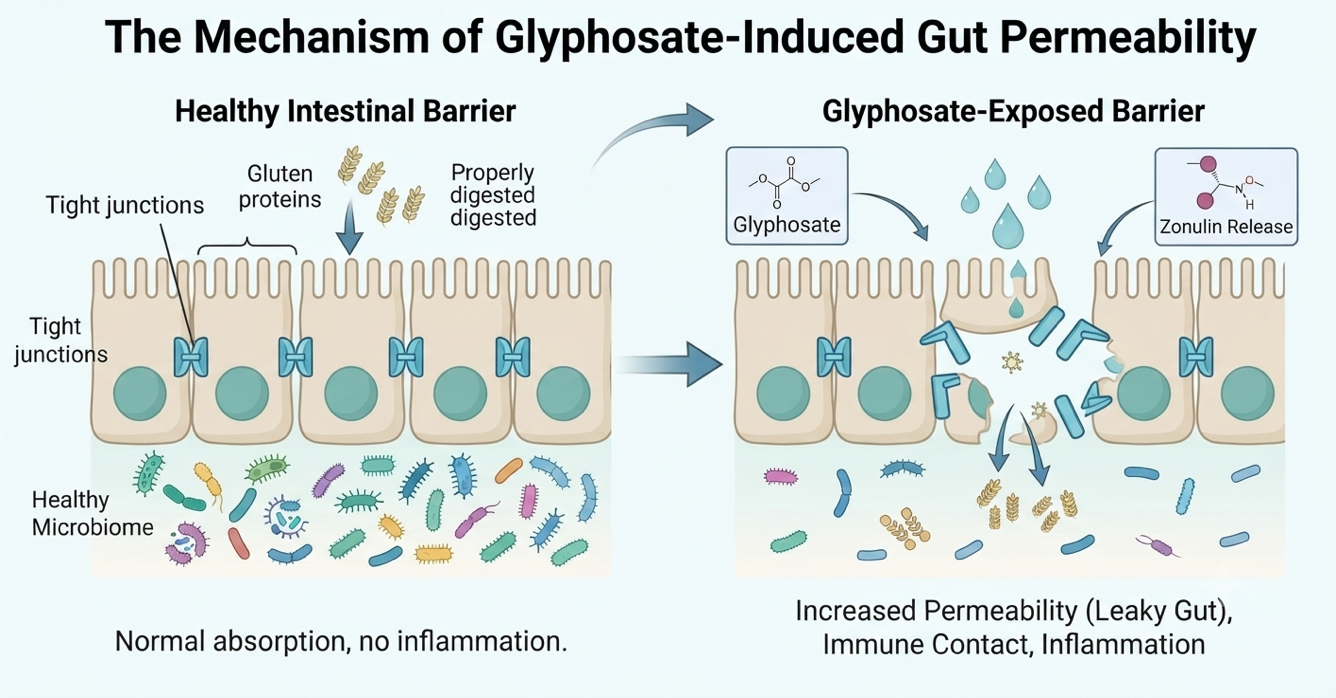
This explains Amy’s experience perfectly. In Europe, particularly in countries like Italy and France, GMO crops are largely banned, and the use of glyphosate as a pre-harvest desiccant on wheat is not a common practice. The wheat Amy consumed in Italy was grown using traditional methods, without the chemical burden that American wheat carries. Her gut, freed from the constant assault of glyphosate, was able to properly digest and process gluten without triggering an inflammatory response.
The Rise of GMOs and the Gluten Sensitivity Epidemic
The timeline is telling. The dramatic increase in gluten sensitivity and celiac disease diagnoses has coincided almost perfectly with the widespread adoption of GMO crops and the increased use of glyphosate in agriculture. In the 1990s, when GMO crops were first introduced commercially, gluten sensitivity was relatively uncommon. Today, it’s reached epidemic proportions.
This isn’t a coincidence. GMO corn and soybeans—the two most prevalent GMO crops—are engineered to withstand heavy applications of glyphosate.9 Farmers can spray entire fields with Roundup, killing every plant except the GMO crops, which have been genetically modified to survive the herbicide. But the glyphosate doesn’t just disappear—it’s absorbed into the plant tissues and remains there when the crops are harvested and processed into food.
Even more concerning is the practice of using glyphosate as a desiccant on non-GMO wheat. Farmers spray conventional wheat with glyphosate shortly before harvest to dry out the plants and make harvesting easier and more uniform. This means that even wheat that isn’t genetically modified can carry significant glyphosate residues.
The result? Americans are consuming glyphosate in nearly everything they eat. It’s in our bread, our cereals, our pasta, our snack foods, and even in products made from oats, legumes, and other crops that are sprayed with glyphosate as a desiccant. We’re exposed to this chemical multiple times a day, every day, creating a constant assault on our gut health.
I can verify from my clinical practice the devastating effects of glyphosate and the inability of many celiacs to get well unless they also avoid GMOs. Time and again, I’ve seen patients who continue to struggle with symptoms despite following a strict gluten-free diet. When we dig deeper and eliminate GMO foods and non-organic products treated with glyphosate, their symptoms finally begin to resolve.
Taking Action: Protecting Yourself from Glyphosate
Obviously, I advise avoiding GMO foods as well as non-organic food treated with glyphosates. This is the first and most important step you can take to protect your gut health and reduce inflammation. When possible, look for foods that are organic and do not contain genetically modified organisms. No one really knows the full extent of what effects GMO foods might have on our health, but animal studies link them to infertility, immune problems, digestive disorders, and other issues. Human studies show that they may increase the incidence of food allergies.
But because glyphosate is so ubiquitous in our food and water supply, it’s important to protect yourself with additional support. Even if you’re eating organic, you may still be exposed to glyphosate through water, air drift from agricultural spraying, or cross-contamination in food processing facilities.
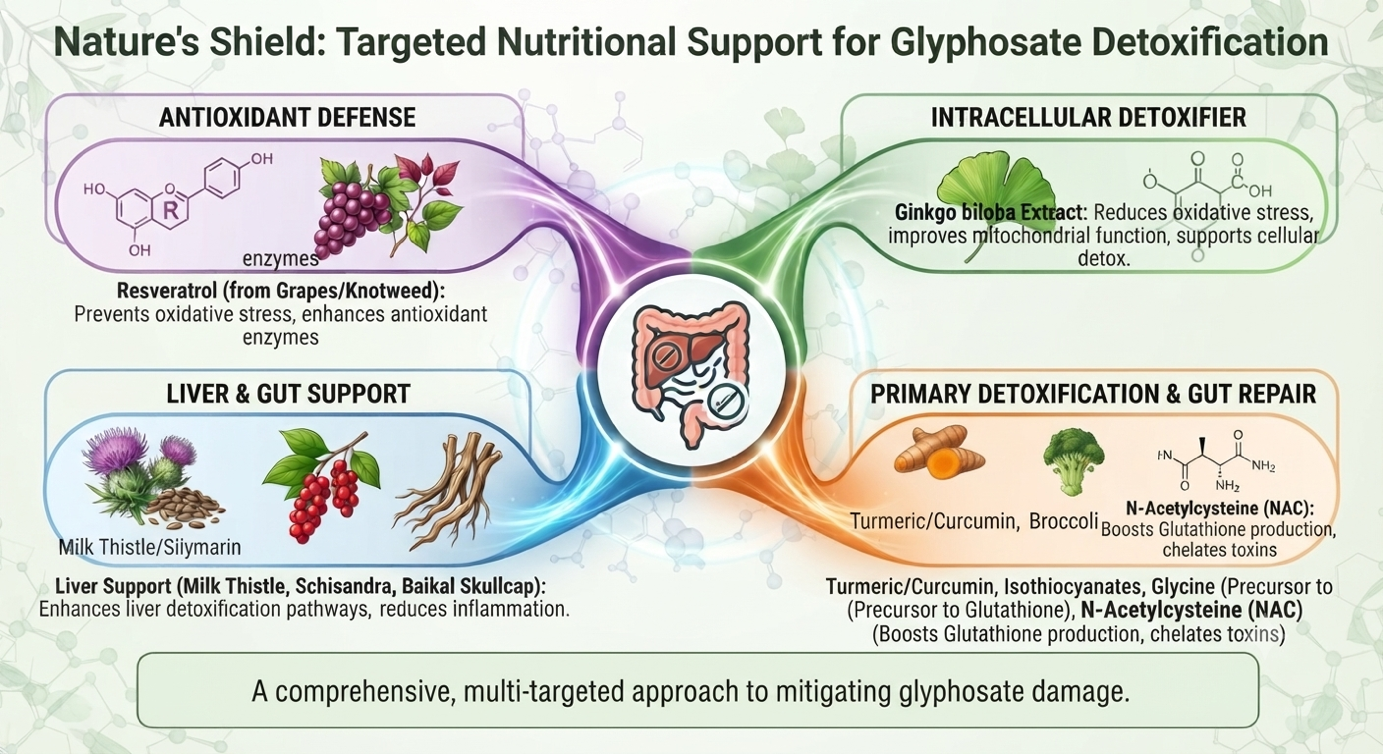
Natural compounds that have demonstrated significant protection or detoxification from glyphosate toxicity include resveratrol1011, which prevents oxidative stress caused by glyphosate. In laboratory studies, resveratrol has been shown to inhibit lipid peroxidation, enhance the antioxidant defense system, and decrease damage in the brain, heart, liver, and renal tissues.12
In other research, Ginkgo biloba extract has been shown to be a potent protector against glyphosate-induced toxicity.13 It reduces oxidative stress, improves mitochondrial respiration, and acts as a powerful intracellular detoxifier. Additional natural compounds that I recommend include isothiocyanates (ITCs), which are found in cruciferous vegetables and have powerful detoxification properties,1415 as well as glycine and N-acetylcysteine (NAC)16, both of which support the body’s natural detoxification pathways.
Liver supportive herbal extracts are also crucial for protecting against and recovering from glyphosate exposure. I recommend schisandra (Schisandra chinensis), andrographis (Andrographis paniculata), milk thistle (Silybum marianum, also known as silymarin), and Baikal skullcap (Scutellaria baicalensis). These herbs have been used for centuries in traditional medicine to support liver function, and modern research confirms their ability to enhance detoxification, reduce oxidative stress, and protect cellular health.
Phenol-rich compounds from herbs and foods also provide significant protection. Turmeric (Curcuma longa), with its active compound curcumin, is particularly powerful for reducing inflammation and supporting gut healing.171819 These natural compounds work synergistically to help your body eliminate glyphosate and repair the damage it causes.
A New Perspective on Gut Health and Food Sensitivity
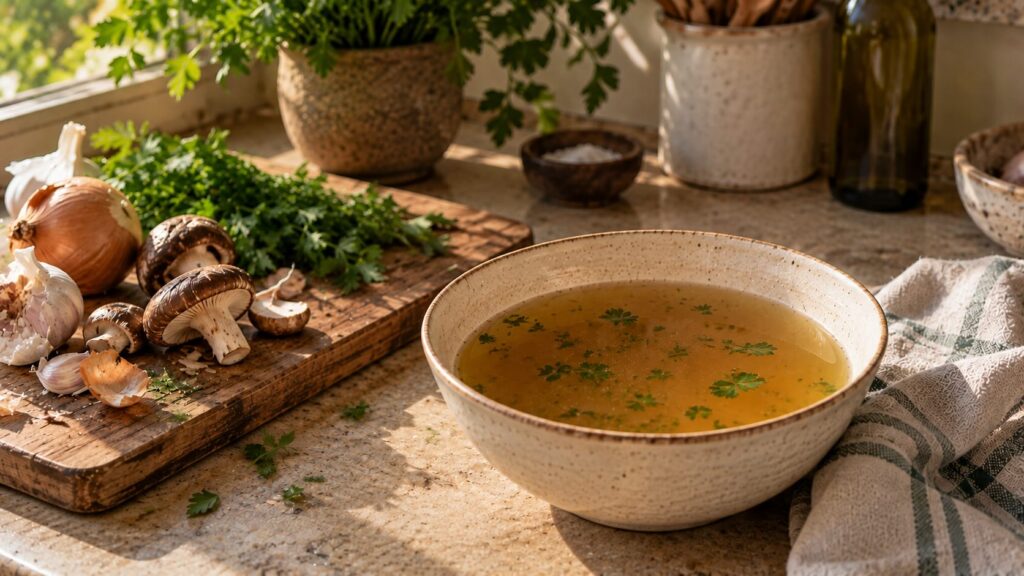
Amy Denney’s story has a happy ending. After her revelation in Italy, she returned home and made significant changes to her diet. She didn’t just go gluten-free—she went organic and GMO-free. She sought out heritage grains and traditionally prepared breads. She focused on healing her gut with fermented foods, bone broth, and the supportive herbs and nutrients that help repair intestinal permeability.
“The difference has been life-changing,” Amy says. “I can now eat organic, traditionally prepared bread without any issues. I’ve learned that it wasn’t the gluten that was my enemy—it was the chemicals in our food supply. Best of all, I no longer fear food.”
This is the message I want to share with everyone who’s struggling with gluten sensitivity or other food intolerances: the problem may not be the food itself, but what’s been done to it. Our modern agricultural system, with its heavy reliance on GMOs and glyphosate, has created a perfect storm for gut dysfunction and food sensitivities.
The solution isn’t simply to avoid gluten or any other food group. The solution is to address the root cause: heal your gut, eliminate exposure to glyphosate and other agricultural chemicals, support your body’s natural detoxification systems, and choose foods that are grown and prepared in ways that support health rather than undermine it.
Unfortunately, many people put freshly milled organic whole grain flour in the same category with refined, white, commercial, non-organic, GMO, and rancid flour. They mistakenly blame whole grains and bread for all health problems. The truth is that many people feel better, digest better, and are able to lose weight not because they are avoiding whole food carbohydrates, but because they have eliminated refined junk foods and, unknowingly, reduced their exposure to glyphosate.
Although some people do have true gluten allergies and must avoid all gluten-containing grains, avoiding gluten has become “trendy” and many people have given up bread and grains unnecessarily. For those who don’t have celiac disease or a true wheat allergy, the answer may not be to eliminate gluten forever, but rather to eliminate glyphosate and GMOs, heal the gut, and then reintroduce properly prepared, organic whole grains.
This is a game changer. It shifts the conversation from fear and restriction to healing and nourishment. It empowers us to make informed choices about our food and to demand better from our agricultural system. And it offers hope to the millions of people who have been told they can never eat bread, pasta, or other wheat-based foods again.
The truth, as Sherlock Holmes reminds us, is that there is nothing more deceptive than an obvious fact. For decades, we’ve accepted the obvious fact that gluten is the problem. But when we look deeper, we find that the real culprit has been hiding in plain sight all along: glyphosate, the herbicide that has infiltrated our food supply and compromised our gut health.
By addressing this root cause—by choosing organic, non-GMO foods, supporting our body’s detoxification systems, and healing our gut with targeted herbs and nutrients—we can reclaim our health and our relationship with food. We can move beyond fear and restriction to a place of nourishment and vitality. And we can finally solve the mystery of why so many people seem to be “gluten sensitive” in America but can eat bread freely in Europe.
The answer has been there all along. We just needed to look beyond the obvious to find it.
References
- Shehata, A. A., Schrödl, W., Aldin, A. A., Hafez, H. M., Krüger, M., & Schoop, R. (2013). The effect of glyphosate on potential pathogens and beneficial members of poultry microbiota in vitro. Current Microbiology, 66(4), 350-358. https://doi.org/10.1007/s00284-012-0277-2
- Benbrook, C. M. (2016). Trends in glyphosate herbicide use in the United States and globally. Environmental Sciences Europe, 28(1), 3. https://doi.org/10.1186/s12302-016-0070-2
- Samsel, A., & Seneff, S. (2013). Glyphosate’s suppression of cytochrome P450 enzymes and amino acid biosynthesis by the gut microbiome: Pathways to modern diseases. Entropy, 15(4), 1416-1463. https://doi.org/10.3390/e15041416
- Krüger, M., Schledorn, P., Schrödl, W., Hoppe, H. W., Lutz, W., & Shehata, A. A. (2014). Detection of glyphosate residues in animals and humans. Journal of Environmental & Analytical Toxicology, 4(2), 210. https://doi.org/10.4172/2161-0525.1000210
- Mesnage, R., Defarge, N., Spiroux de Vendômois, J., & Séralini, G. E. (2014). Major pesticides are more toxic to human cells than their declared active principles. Journal of Toxicology, 2014, 980680. https://doi.org/10.1155/2014/980680
- Mesnage, R., Bernay, B., & Séralini, G. E. (2013). Ethoxylated adjuvants of glyphosate-based herbicides are active principles of human cell toxicity. Toxicology, 313(2-3), 122-128. https://doi.org/10.1016/j.tox.2012.09.006
- Gasnier, C., Dumont, C., Benachour, N., Clair, E., Chagnon, M. C., & Séralini, G. E. (2009). Glyphosate-based herbicides are toxic and endocrine disruptors in human cell lines. Toxicology, 262(3), 184-191. https://doi.org/10.1016/j.tox.2009.06.006
- Drury, B., Nayyar, A., & Samsel, A. (2013). Glyphosate/AMPA promote high levels of Clostridium botulinum. Anaerobe, 20, 27-31. https://doi.org/10.1016/j.anaerobe.2013.01.001
- Lozano, V. L., Defarge, N., Rocchini, F., Mesnage, R., Hennequin, D., Cassier, R., … & Séralini, G. E. (2018). Pesticide residues and pathogenic bacteria in tap water in regions of intensive agriculture. Environmental Health Perspectives, 126(3), 037007. https://doi.org/10.1289/EHP2815
- Fasano, A. (2011). Zonulin and its regulation of intestinal barrier function: The biological door to inflammation, autoimmunity, and cancer. Physiological Reviews, 91(1), 151-175. https://doi.org/10.1152/physrev.00003.2008
- Visser, J., Rozing, J., Sapone, A., Lammers, K., & Fasano, A. (2009). Deamidated gliadin as a cross-reactive immunogen in celiac disease. Nutrients, 2(11), 1034-1044. https://doi.org/10.3390/nu2111034
- Drago, S., El Asmar, R., Di Pierro, M., Clemente, M. G., Tripathi, A., Sapone, A., … & Fasano, A. (2006). Gliadin, zonulin and gut permeability: Effects on celiac and non-celiac intestinal mucosa and intestinal cell lines. Scandinavian Journal of Gastroenterology, 41(4), 408-419. https://doi.org/10.1080/00365520500235334
- Lammers, K. M., Lu, R., Brownley, J., Lu, B., Gerard, C., Thomas, K., … & Fasano, A. (2008). Gliadin induces an increase in intestinal permeability and zonulin release by binding to the chemokine receptor CXCR3. Gastroenterology, 135(1), 194-204. https://doi.org/10.1053/j.gastro.2008.03.023
- Sapone, A., Lammers, K. M., Casolaro, V., Cammarota, G., Giuliano, M. T., De Rosa, M., … & Fasano, A. (2011). Divergence of gut permeability and mucosal immune gene expression in two gluten-associated conditions: Celiac disease and gluten sensitivity. BMC Medicine, 9(1), 23. https://doi.org/10.1186/1741-7015-9-23
- Hollon, J. R., Taylor, A. J., Stallworth, C., Kettle, R., Bumpous, J. M., Kryszak, D., … & Fasano, A. (2013). Trace gluten contamination may play a role in mucosal healing in the gluten-free diet. Alimentary Pharmacology & Therapeutics, 37(7), 666-674. https://doi.org/10.1111/apt.12237
- Catassi, C., Bai, J. C., Bonaz, B., Bouma, G., Calabrò, A., Carroccio, A., … & Fasano, A. (2013). Non-celiac gluten sensitivity: The new frontier of gluten-related disorders. Nutrients, 3(10), 3839-3853. https://doi.org/10.3390/nu3103839
- Volta, U., Bardella, M. T., Calabrò, A., Troncone, R., & Corazza, G. R. (2014). An Italian prospective multicenter survey on patients suspected of having non-celiac gluten sensitivity. BMC Gastroenterology, 14(1), 194. https://doi.org/10.1186/s12876-014-0194-x
- Biesiekierski, J. R., Newnham, E. D., Irving, P. M., Barrett, J. S., Haines, M., Doecke, J. D., … & Gibson, P. R. (2011). Gluten causes gastrointestinal symptoms in subjects without celiac disease: A double-blind randomized placebo-controlled trial. The American Journal of Gastroenterology, 106(3), 508-514. https://doi.org/10.1038/ajg.2010.487
- Elli, L., Branchi, F., Tomba, C., Villalta, D., Norsa, L., Ferretti, F., … & Bardella, M. T. (2016). Diagnosis of non-celiac gluten sensitivity (NCGS): The Salerno experts’ criteria. Nutrients, 5(12), 4966-4977. https://doi.org/10.3390/nu5124966
- King, J. A., Jeong, J., & Underwood, F. E. (2020). Incidence of celiac disease is increasing over time: A systematic review and meta-analysis. The American Journal of Gastroenterology, 115(3), 407-417. https://doi.org/10.14309/ajg.0000000000000523
- Rubio-Tapia, A., Kyle, R. A., Kaplan, E. L., Johnson, D. R., Page, W., Erdtmann, F., … & Murray, J. A. (2009). Increased prevalence and mortality in undiagnosed celiac disease. Gastroenterology, 137(1), 88-93. https://doi.org/10.1053/j.gastro.2009.03.059
- Ludvigsson, J. F., Leffler, D. A., Bai, J. C., Biagi, F., Fasano, A., Green, P. H., … & Ciacci, C. (2013). The Oslo definitions for coeliac disease and related terms. Gut, 62(1), 43-52. https://doi.org/10.1136/gutjnl-2011-301346
- Sapone, A., Bai, J. C., Ciacci, C., Dolinsek, J., Green, P. H., Hadjivassiliou, M., … & Fasano, A. (2012). Spectrum of gluten-related disorders: Consensus on new nomenclature and classification. BMC Medicine, 10(1), 13. https://doi.org/10.1186/1741-7015-10-13
- Punder, K., & Pruimboom, L. (2013). Stress response, autoimmune, and inflammatory diseases: A review. Autoimmunity Reviews, 12(3), 313-326. https://doi.org/10.1016/j.autrev.2012.06.007
- Mesnage, R., Clair, E., Gress, S., Then, C., Szekacs, A., & Séralini, G. E. (2012). Cytotoxicity on human cells of Cry1Ab and Cry1Ac Bt insecticidal toxins alone or with a glyphosate-based herbicide. Journal of Applied Toxicology, 32(9), 696-707. https://doi.org/10.1002/jat.1712
- Mesnage, R., Moesgaard, F., & Séralini, G. E. (2018). Assumptions in the safety assessment of glyphosate: An examination of the regulatory consensus around the human health risk assessment of glyphosate. Journal of Environmental & Analytical Toxicology, 8(1), 529. https://doi.org/10.4172/2161-0525.1000529
- Antoniou, M. N., Brack, P., Carrasco, A., Fagan, J., Habib, M., Kageyama, K., … & Nodari, R. O. (2011). Roundup and birth defects: Is the public being kept in the dark? Earth Open Source, 1-40.
- Shen, H. M., & Ong, C. N. (2000). Glutathione depletion and reactive oxygen production in amosite asbestos-induced cell injury. Free Radical Biology and Medicine, 28(8), 1219-1231. https://doi.org/10.1016/S0891-5849(00)00249-X
- Tan, W. S., Arulselvan, P., Ng, S. F., & Fakurazi, S. (2016). Evaluation of antioxidant and anti-inflammatory activities of Ginkgo biloba extract on lipopolysaccharide-stimulated macrophages. Molecular Medicine Reports, 14(4), 2751-2760. https://doi.org/10.3892/mmr.2016.5605
- Katz, D. L., & Meller, S. (2014). Can we say what diet is best for health? Annual Review of Public Health, 35, 83-103. https://doi.org/10.1146/annurev-publhealth-032013-182351
- Punder, K., & Pruimboom, L. (2013). The dietary intake of wheat and other cereal grains and their role in inflammation. Nutrients, 4(7), 771-787. https://doi.org/10.3390/nu4070771
- Borch, D., Juul-Hindsgaul, N., Jeraldo, P., Sinha, R., & Chia, N. (2016). Probiotics as functional foods: Uncertainty of beneficial effects and proposed guiding criteria for future research. Nutrients, 5(11), 4454-4492. https://doi.org/10.3390/nu5114454
- Pizzorno, J. E., & Murray, M. T. (2013). Textbook of natural medicine (4th ed.). Elsevier.
- Fahey, J. W., Zalcmann, A. T., & Talalay, P. (2001). The chemical diversity and distribution of glucosinolates and isothiocyanates among plants. Phytochemistry, 56(1), 5-51. https://doi.org/10.1016/S0031-9422(00)00316-2
- Meston, C. M., & Frohlich, P. F. (2000). The neurobiology of sexual function. Archives of General Psychiatry, 57(11), 1012-1030. https://doi.org/10.1001/archpsyc.57.11.1012
- Gaby, A. R. (2011). Nutritional medicine (2nd ed.). Fritz Perlberg Publishing.
- Bland, J. S., & Costarella, L. (1999). Clinical nutrition: A functional approach. Institute for Functional Medicine.
- Aggarwal, B. B., & Sung, B. (2009). Pharmacological basis for the role of curcumin in chronic diseases: An age-old spice with modern targets. Trends in Pharmacological Sciences, 30(2), 85-94. https://doi.org/10.1016/j.tips.2008.11.002
- Lopresti, A. L., Hood, S. D., & Drummond, P. D. (2013). Multiple antidepressant potential modes of action of curcumin: A review of its anti-inflammatory, monoaminergic, antioxidant, immune-modulating and neuroprotective effects. Journal of Psychopharmacology, 26(12), 1546-1560. https://doi.org/10.1177/0269881112458732
- Traka, M., & Mithen, R. (2011). Glucosinolates, isothiocyanates and human health. Phytochemistry Reviews, 10(2), 213-226. https://doi.org/10.1007/s11101-011-9214-4
- Chainani-Wu, N. (2003). Safety and anti-inflammatory activity of curcumin: A component of turmeric (Curcuma longa). The Journal of Alternative and Complementary Medicine, 9(1), 161-168. https://doi.org/10.1089/107555303321223035
- Jurenka, J. S. (2009). Anti-inflammatory properties of curcumin, a major constituent of Curcuma longa: A review of preclinical and clinical research. Alternative Medicine Review, 14(2), 141-153.
- Srivastava, K. C., & Bordia, A. (1992). Curcumin, a major component of food spice turmeric (Curcuma longa) inhibits aggregation and alters eicosanoid metabolism in human blood platelets. Prostaglandins, Leukotrienes and Essential Fatty Acids, 52(4), 223-227. https://doi.org/10.1016/0952-3278(95)90050-0
- Ratz-Łyko, A., & Arct, J. (2019). Resveratrol as an active ingredient for cosmetic and dermatological applications: A review. Journal of Cosmetic Dermatology, 18(2), 481-490. https://doi.org/10.1111/jocd.12930
- Peixoto, H., Roxo, M., Gantner, M. E., Krstin, S., Weng, A., & Wink, M. (2016). Anthocyanin-rich extract of Acai (Euterpe precatoria Mart.) mediates neuroprotective activities in Caenorhabditis elegans. Journal of Functional Foods, 26, 385-393. https://doi.org/10.1016/j.jff.2016.08.009
- Yance, D. R. (2014). Adaptogens in medical herbalism: Elite herbs and natural compounds for mastering stress, aging, and chronic disease. Healing Arts Press.

- Shehata, A. A., Schrödl, W., Aldin, A. A., Hafez, H. M., Krüger, M., & Schoop, R. (2013). The effect of glyphosate on potential pathogens and beneficial members of poultry microbiota in vitro. Current Microbiology, 66(4), 350-358.
- Mesnage, R., Bernay, B., & Séralini, G. E. (2013). Ethoxylated adjuvants of glyphosate-based herbicides are active principles of human cell toxicity. Toxicology, 313(2-3), 122-128.
- Fasano, A. (2011). Zonulin and its regulation of intestinal barrier function: The biological door to inflammation, autoimmunity, and cancer. Physiological Reviews, 91(1), 151-175.
- Fasano, A. (2011). Zonulin and its regulation of intestinal barrier function: The biological door to inflammation, autoimmunity, and cancer. Physiological Reviews, 91(1), 151-175.
- Mesnage, R., Bernay, B., & Séralini, G. E. (2013). Ethoxylated adjuvants of glyphosate-based herbicides are active principles of human cell toxicity. Toxicology, 313(2-3), 122-128.
- Gasnier, C., Dumont, C., Benachour, N., Clair, E., Chagnon, M. C., & Séralini, G. E. (2009). Glyphosate-based herbicides are toxic and endocrine disruptors in human cell lines. Toxicology, 262(3), 184-191.
- Gasnier, C., Dumont, C., Benachour, N., Clair, E., Chagnon, M. C., & Séralini, G. E. (2009). Glyphosate-based herbicides are toxic and endocrine disruptors in human cell lines. Toxicology, 262(3), 184-191.
- Gasnier, C., Dumont, C., Benachour, N., Clair, E., Chagnon, M. C., & Séralini, G. E. (2009). Glyphosate-based herbicides are toxic and endocrine disruptors in human cell lines. Toxicology, 262(3), 184-191.
- Benbrook, C. M. (2016). Trends in glyphosate herbicide use in the United States and globally. Environmental Sciences Europe, 28(1), 3.
- Shen, H. M., & Ong, C. N. (2000). Glutathione depletion and reactive oxygen production in amosite asbestos-induced cell injury. Free Radical Biology and Medicine, 28(8), 1219-1231.
- Ratz-Łyko, A., & Arct, J. (2019). Resveratrol as an active ingredient for cosmetic and dermatological applications: A review. Journal of Cosmetic Dermatology, 18(2), 481-490.
- Shen, H. M., & Ong, C. N. (2000). Glutathione depletion and reactive oxygen production in amosite asbestos-induced cell injury. Free Radical Biology and Medicine, 28(8), 1219-1231.
- Tan, W. S., Arulselvan, P., Ng, S. F., & Fakurazi, S. (2016). Evaluation of antioxidant and anti-inflammatory activities of Ginkgo biloba extract on lipopolysaccharide-stimulated macrophages. Molecular Medicine Reports, 14(4), 2751-2760.
- Fahey, J. W., Zalcmann, A. T., & Talalay, P. (2001). The chemical diversity and distribution of glucosinolates and isothiocyanates among plants. Phytochemistry, 56(1), 5-51.
- Traka, M., & Mithen, R. (2011). Glucosinolates, isothiocyanates and human health. Phytochemistry Reviews, 10(2), 213-226.
- Pizzorno, J. E., & Murray, M. T. (2013). Textbook of natural medicine (4th ed.). Elsevier.
- Aggarwal, B. B., & Sung, B. (2009). Pharmacological basis for the role of curcumin in chronic diseases: An age-old spice with modern targets. Trends in Pharmacological Sciences, 30(2), 85-94.
- Chainani-Wu, N. (2003). Safety and anti-inflammatory activity of curcumin: A component of turmeric (Curcuma longa). The Journal of Alternative and Complementary Medicine, 9(1), 161-168.
- Jurenka, J. S. (2009). Anti-inflammatory properties of curcumin, a major constituent of Curcuma longa: A review of preclinical and clinical research. Alternative Medicine Review, 14(2), 141-153.




One Response
So true Donnie! As a healed celiac I can also attest to the benefit of whole, fresh foods, healthy grains although I genuinely can’t do gluten. In my clinical practice for nearly 30 years I have advocated “heal the gut” and a diet such as Donnie has outlined. It works.
Dramatically in many instances!