

By Donnie Yance
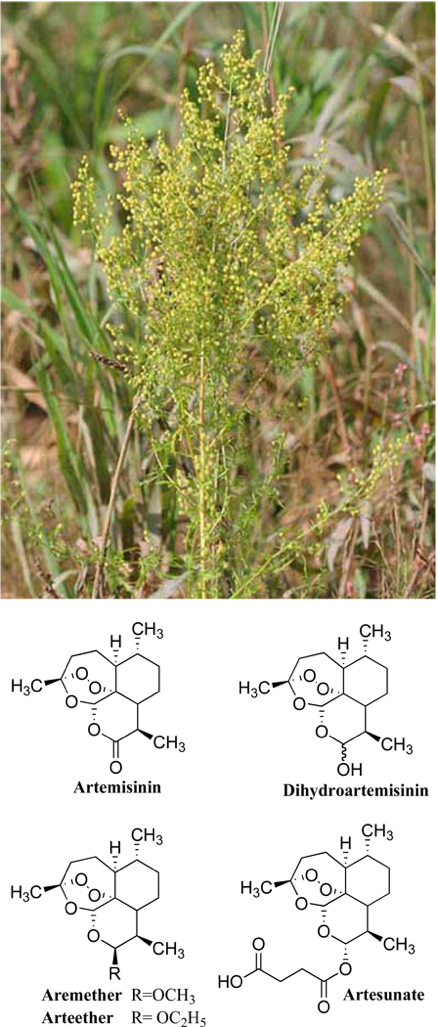
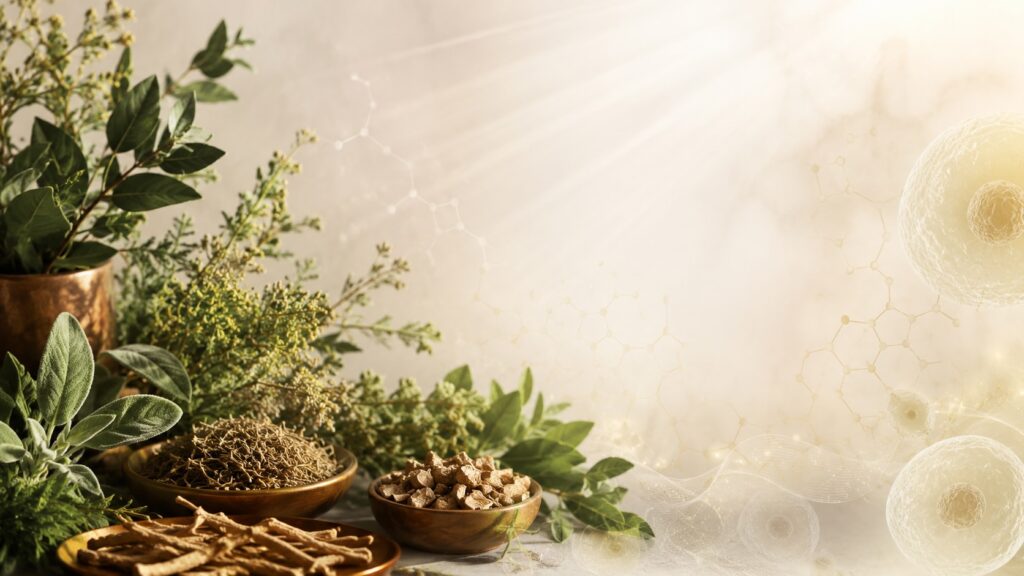
Artemisinin (ART) is a natural sesquiterpene lactone molecule derived from the traditional Chinese medicinal plant Artemisia annua L., commonly known as Sweet Annie, qinghao or sweet wormwood. Originally discovered and isolated by Chinese scientist Tu Youyou in the 1970s, artemisinin revolutionized malaria treatment worldwide and earned Tu Youyou the Nobel Prize in Physiology or Medicine in 2015. The compound’s unique endoperoxide bridge structure has proven essential not only for its antimalarial properties but also for its emerging anticancer activities. 1
Beyond its well-established antimalarial effects, recent decades have witnessed growing interest in artemisinin’s potential as an anticancer agent. The compound and its derivatives, including dihydroartemisinin (DHA), artesunate (ATS), artemether (ARM), and arteether (ARTE), have demonstrated promising therapeutic effects against various cancer types, offering new hope in the fight against malignancies that resist conventional treatments. 2
Historical Background
Artemisia annua has a rich medicinal heritage spanning over 1,600 years, with documented use in China since AD 341 for treating febrile illnesses. For centuries, Chinese communities have consumed Artemisia annua leaves and incorporated them into Traditional Chinese Medicine (TCM) practices to promote general health. The plant’s active compound, artemisinin, has gained significant scientific attention over recent decades, with research demonstrating its particular efficacy in balancing gastrointestinal tract microbiology.
Plant Characteristics and Cultivation
Artemisia annua is a robust, aromatic plant containing camphor and essential oils that give it its distinctive scent. While the plant grows in many regions worldwide, only specimens cultivated under specific agricultural and geographic conditions produce therapeutically significant levels of artemisinin.
The highest-quality, most potent samples originate from the steep hillsides at elevations exceeding 4,500 feet in Youyang County, Chongqing City, Sichuan Province, China. These unique environmental conditions produce our pharmaceutical-grade artemisinin.
Traditional Medicinal Applications
Artemisia annua has been valued in traditional medicine for treating a diverse range of conditions:
Parasitic Infections:
- Expulsion of intestinal parasites, including Ascaris vermicularis and A. lumbricoides
- Treatment of malaria
Digestive Health:
- Stimulant tonic properties in small doses
- Appetite improvement
- Treatment of atonic gastrointestinal conditions
- Relief for tonic dyspepsia, particularly when caused by alcoholic excess
- Management of flatulent colic and obstinate diarrhea
Historical Applications:
- Popular remedy for jaundice
Traditional Chinese Medicine Classification
In TCM, Artemisia annua is classified with the following properties:
- Taste: Bitter and acrid
- Nature: Cool
- Primary function: Clears damp heat
- Primary indication: Treatment of malaria 3
Anticancer Mechanisms and Effects
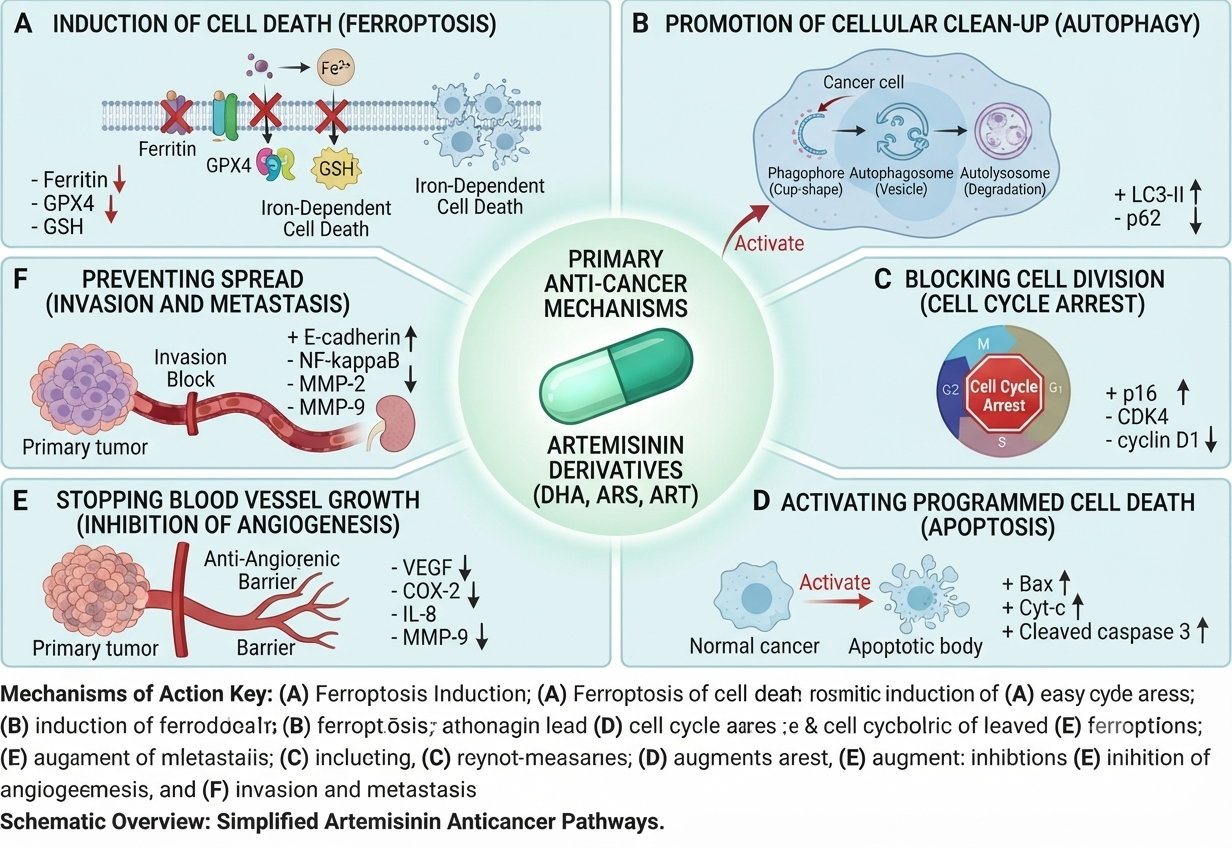
Extensive research has revealed that artemisinin and its derivatives exhibit impressive anticancer effects against numerous cancer types including: leukemia, glioma, melanoma, breast, lung, liver, colorectal, ovarian, prostate, and gastric. These compounds work through multiple mechanisms, making them particularly attractive as anticancer agents due to their ability to target cancer cells through various pathways simultaneously.
The anticancer effects include inhibition of cell proliferation, migration, and invasion; suppression of angiogenesis and anaerobic glycolysis; induction of cell cycle arrest; and promotion of various forms of cell death including apoptosis, autophagy, and most notably, ferroptosis. Studies have shown that dihydroartemisinin often demonstrates superior potency compared to artemisinin itself, with lower IC50 values across multiple cancer cell lines. 4 The IC50 number tells you how much of a drug is needed to cut the target’s activity in half, so a lower IC50 means a more potent drug.
Ferroptosis: A Revolutionary Cancer Cell Death Mechanism
One of the most significant discoveries in artemisinin cancer research has been its ability to induce ferroptosis, a novel form of programmed cell death first defined by Dixon et al. in 2012. ² Ferroptosis is characterized by iron-dependent lipid peroxidation and the accumulation of reactive oxygen species (ROS), representing a fundamentally different cell death pathway from traditional apoptosis, necrosis, or autophagy.
This mechanism is particularly important because many cancer cells develop resistance to conventional chemotherapy by evading apoptotic pathways. Ferroptosis offers an alternative route to eliminate these resistant cancer cells, potentially overcoming treatment limitations that have plagued oncology for decades. 5
Molecular Mechanisms of Ferroptosis Induction
Artemisinin derivatives induce ferroptosis through three primary mechanisms:
1. Iron Metabolism Disruption: ART compounds interfere with cellular iron homeostasis by promoting the degradation of ferritin through lysosomal and autophagosomal pathways. This process, known as ferritinophagy, releases free iron into the cellular environment, contributing to the labile iron pool (LIP). The increased iron availability catalyzes Fenton reactions, generating reactive oxygen species (ROS) and promoting lipid peroxidation.
2. Oxidative Stress Enhancement: The compounds stimulate ROS production, leading to the accumulation of lipid peroxides that ultimately result in cell death. This mechanism exploits the fact that cancer cells often contain higher iron levels than normal cells, making them more susceptible to iron-dependent oxidative damage. Studies have shown statistically significant associations between ART activity and oxidative stress-related gene expression in various tumor cell lines.
3. Endoplasmic Reticulum Stress Activation: ART can activate endoplasmic reticulum (ER) stress pathways, which contribute to ferroptosis induction. The compounds also influence the protein kinase R-like ER kinase pathway, demonstrating the complex interplay between ER stress and ferroptotic cell death. 6
Clinical Translation and Therapeutic Applications
Several clinical trials have been conducted or are ongoing to evaluate artemisinin derivatives as cancer therapeutics. Most completed trials have focused on artesunate treatment for metastatic breast cancer, with results demonstrating favorable tolerability profiles. Additional trials are investigating applications in colorectal cancer, hepatocellular carcinoma, and various intraepithelial cancers. 7
Phase I studies have established maximum tolerated doses and pharmacokinetic properties, with no serious or irreversible adverse effects reported to date. However, potential concerns remain regarding long-term ototoxicity and effects on the audiological system. 8
Artemisinin-Derived Dimers and Hybrids
In addition to modifying individual artemisinin molecules, scientists have designed “dimer” versions that link two artemisinin units together, as well as hybrid compounds that fuse artemisinin with other cancer-fighting structures. These designs often result in stronger anticancer effects. Studies have shown that certain dimers exhibit superior anti-proliferative effects compared to their single counterparts, with some showing IC50 values in the nanomolar range.¹
The Whole Plant Advantage: Synergistic Effects
While isolated artemisinin and its synthetic derivatives show promising results, emerging research suggests that whole plant extracts from Artemisia annua may offer superior therapeutic benefits. This enhanced efficacy likely stems from the complex synergy between artemisinin and other bioactive compounds present in the plant, including flavonoids, phenolic acids, terpenoids, and other secondary metabolites.
The concept of phytochemical synergy suggests that the effects of whole plant extracts often exceed those of isolated molecules. In the case of Artemisia annua, compounds such as flavonoids may enhance artemisinin’s bioavailability, provide additional anticancer activities, or modulate immune responses in ways that support the primary therapeutic mechanism. This multitarget approach may also reduce the likelihood of resistance development, as cancer cells would need to overcome multiple simultaneous therapeutic pressures rather than adapting to a single molecular target.
In vivo studies comparing whole plant extracts to isolated artemisinin have demonstrated enhanced efficacy profiles, suggesting that the natural complexity of the plant matrix provides therapeutic advantages that cannot be replicated by single-compound approaches. This finding supports traditional medicine principles that emphasize the use of whole-plant preparations rather than isolated active constituents.
The Growing Mechanistic Understanding
While significant progress has been made in understanding artemisinin’s anticancer mechanisms, several questions remain. We are still trying to understand the specific molecular targets responsible for selective cancer-cell killing and the precise mechanisms of ferroptosis regulation. Artemisinins become cytotoxic to cancer cells in the presence of ferrous iron. Since iron influx is high in cancer cells, artemisinin selectively kills cancer cells under conditions that increase intracellular iron concentrations. Compared to normal cells, most cancer cells have high rates of iron intake and express a high cell surface concentration of transferrin (iron) receptors. Artemisinin reacts with iron inside the cell causing the generation of free radicals to damage the cancer cell and induce cell death. 9
Using computer modeling and laboratory experiments on both cancer cells and mice, researchers found that artesunate works by attacking cancer cells in three key ways:
- It triggers cancer cell death
- It stops cancer cells from multiplying by disrupting their growth cycle
- It increases harmful molecules inside the cells that damage them from within.
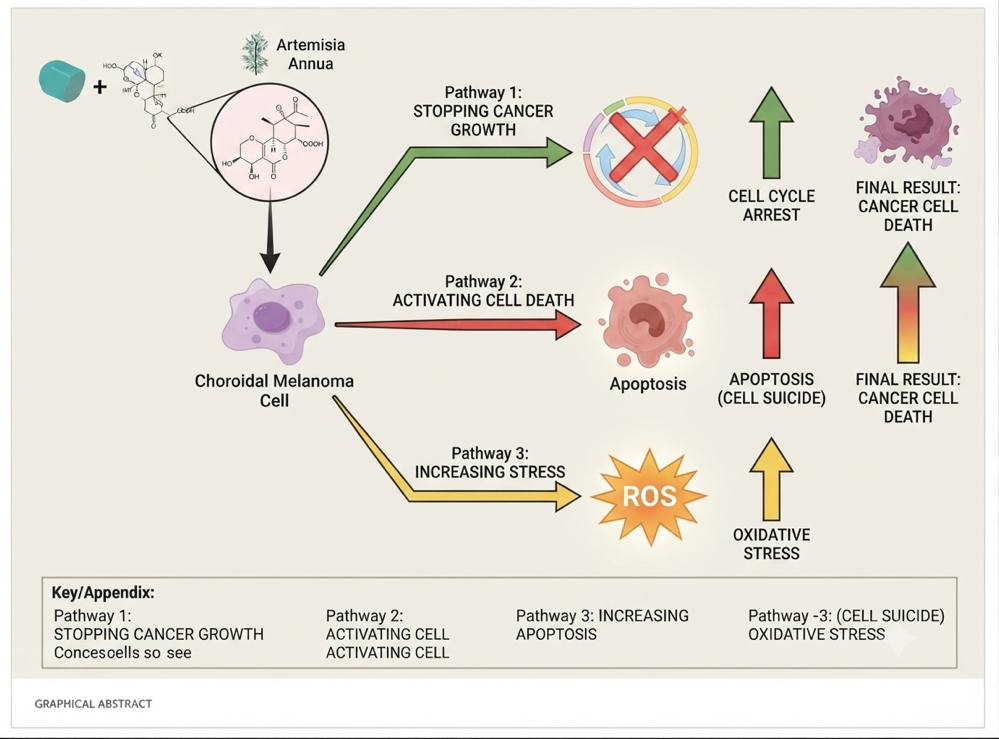
A study combined advanced computer analysis with real-world testing to prove that artesunate significantly slowed tumor growth and could potentially offer hope for patients facing an aggressive cancer, which affects the eye and often has a poor prognosis with existing treatments. 10
Safety Considerations
Long-term safety profiles need comprehensive evaluation, particularly regarding potential effects on iron metabolism and the possibility of tissue damage through lipid peroxidation. While current data suggest good tolerability, extended treatment periods may present challenges that require careful monitoring. 11
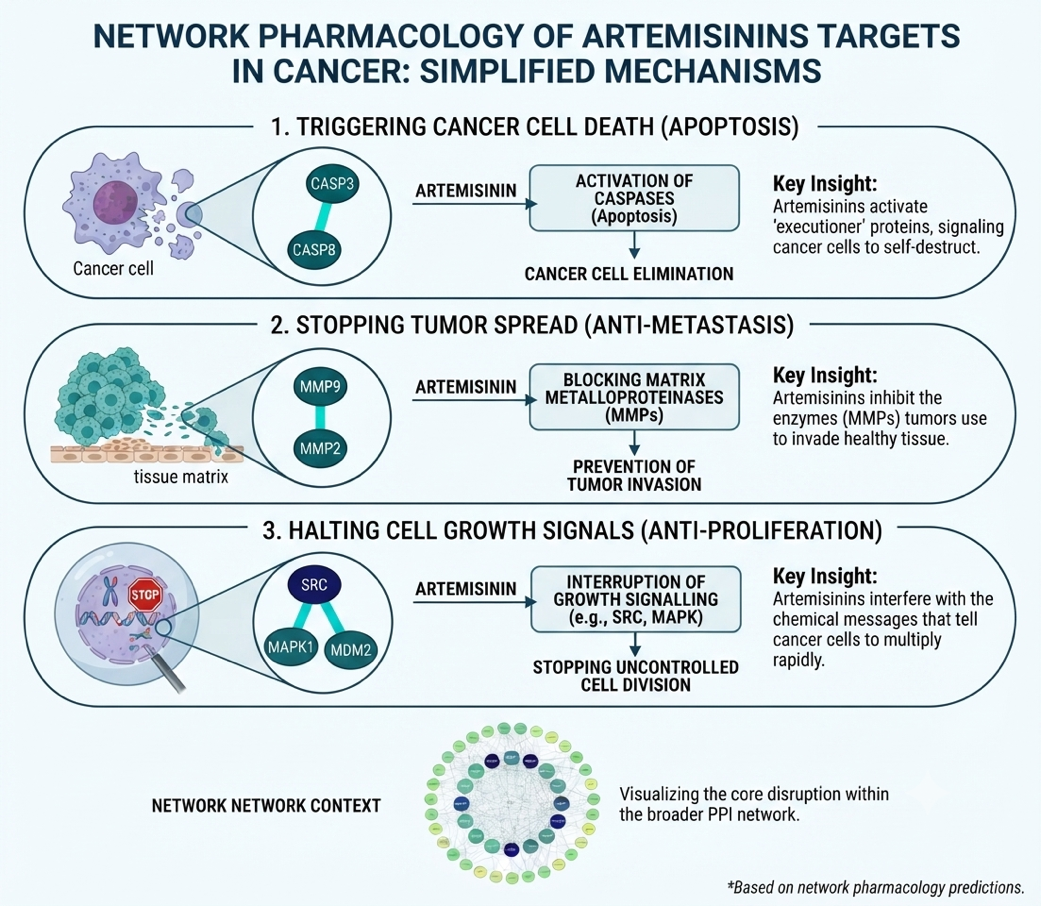
Network pharmacology reveals that artemisinin disrupts the IL-6 signaling pathway in lung cancer cells by targeting CDK4 and IL-6, blocking growth signals. It attacks cancer through multiple mechanisms: triggering apoptosis (programmed cell death), stopping cell division, and preventing cancer cells from forming resistant clumps called microspheres.
Artemisinin also alters protein levels in cancer cells—reducing growth-promoting proteins like CDK4, COX2, and ERBB2, while increasing apoptotic proteins like caspase-3 and p53. Most importantly, it inhibits cancer stemness, the stem-like properties that make cancer cells resistant to treatment and prone to spreading. By reducing these dangerous characteristics, artemisinin may prevent cancer recurrence and metastasis. 12
Artemisinin-Based Anticancer Therapeutics
Artemisinin and its derivatives constitute a promising class of anticancer agents distinguished by their unique mechanisms of action, most notably through the induction of ferroptosis. These compounds demonstrate remarkable versatility in their ability to target multiple cellular pathways simultaneously while maintaining favorable safety profiles and exhibiting preferential toxicity toward cancer cells over healthy ones. 13
The identification of ferroptosis as a primary mechanism of action has revolutionized our understanding of how artemisinin-based compounds exploit fundamental vulnerabilities in cancer cell metabolism. This discovery has opened unprecedented opportunities for developing targeted therapeutic strategies that leverage the inherent weaknesses of malignant cells.
Synergistic Combinations That Enhance Artemisinin’s Efficacy
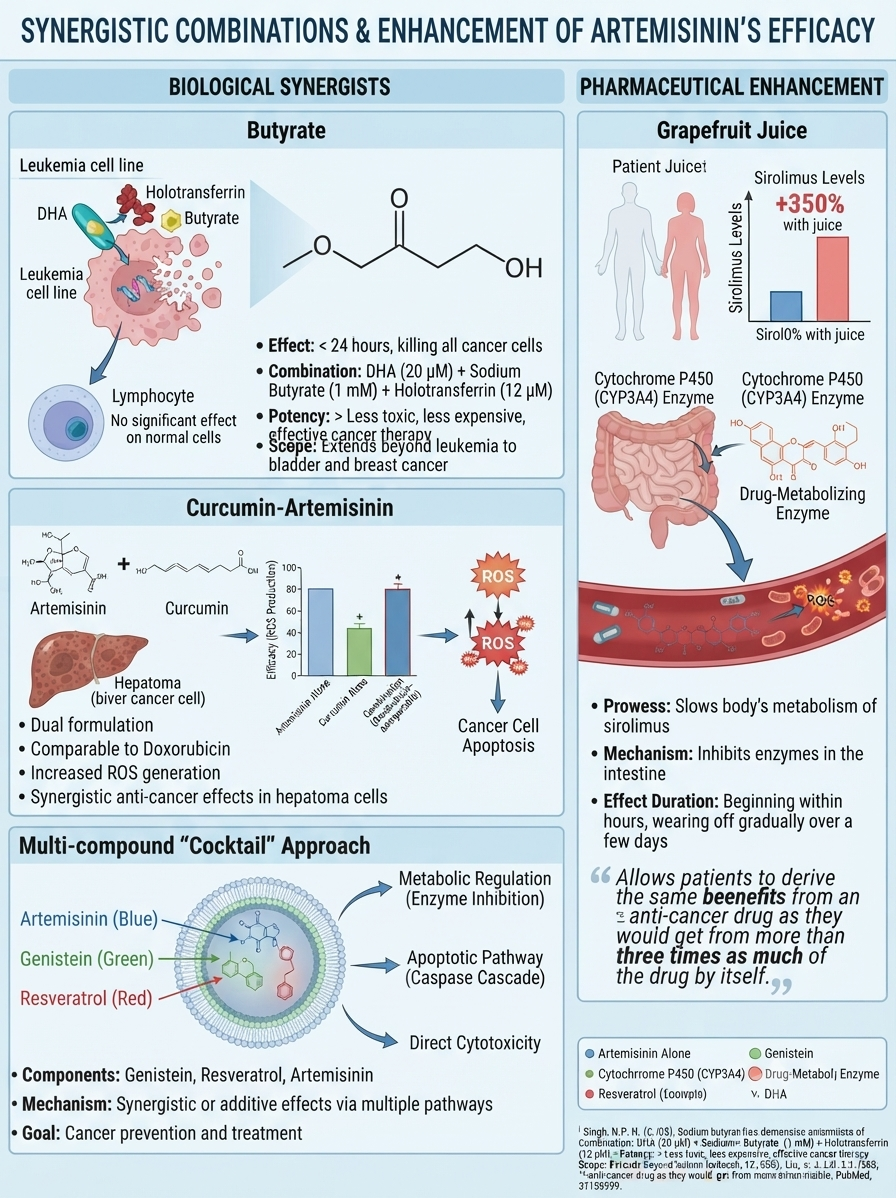
- Butyrate: Research has demonstrated that butyrate acts synergistically with artemisinin derivatives at low doses, potentially providing a less toxic, less expensive, but still effective cancer therapy. Studies show that sodium butyrate (1 mM) combined with dihydroartemisinin (DHA) (20 μM) and holotransferrin (12 μM) acted synergistically in leukemia cell lines, with the combination killing all cancer cells at 24 hours while not significantly affecting normal lymphocytes. This synergistic effect extends beyond leukemia, as butyrate has been added to artemisinin to enhance its anticancer potency against various cancer cell lines including bladder and breast cancer. 16
- Curcumin-Artemisinin Combinations: Curcumin and artemisinin are natural compounds that have been utilized to treat numerous cancers. This dual formulation showed therapeutic activity comparable to doxorubicin, with the diverse biological action of curcumin and artemisinin providing possible synergistic effects. This combination generates high levels of reactive oxygen species, promoting cancer cell apoptosis and demonstrating synergistic anti-cancer effects in hepatoma cells. 17
- Multi-compound “Cocktail” Approach: Genistein, resveratrol, and artemisinin may be encapsulated together to produce a “cocktail” of components that would show synergism or additive effects with different mechanisms of action, which include metabolic, apoptotic, and direct cytotoxicity for cancer prevention and treatment. 18
Pharmaceutical Enhancement
Grapefruit Juice: A daily glass of grapefruit juice lets patients derive the same benefits from an anti-cancer drug as they would get from more than three times as much of the drug by itself. Eight ounces a day of grapefruit juice can slow the body’s metabolism of sirolimus, with patients increasing their drug levels by 350 percent. Grapefruit juice’s pharmaceutical prowess stems from its ability to inhibit enzymes in the intestine that break down drugs, with the effect beginning within hours and wearing off gradually over a few days. 19, 20, 21
Combination Therapies and Drug Delivery Systems
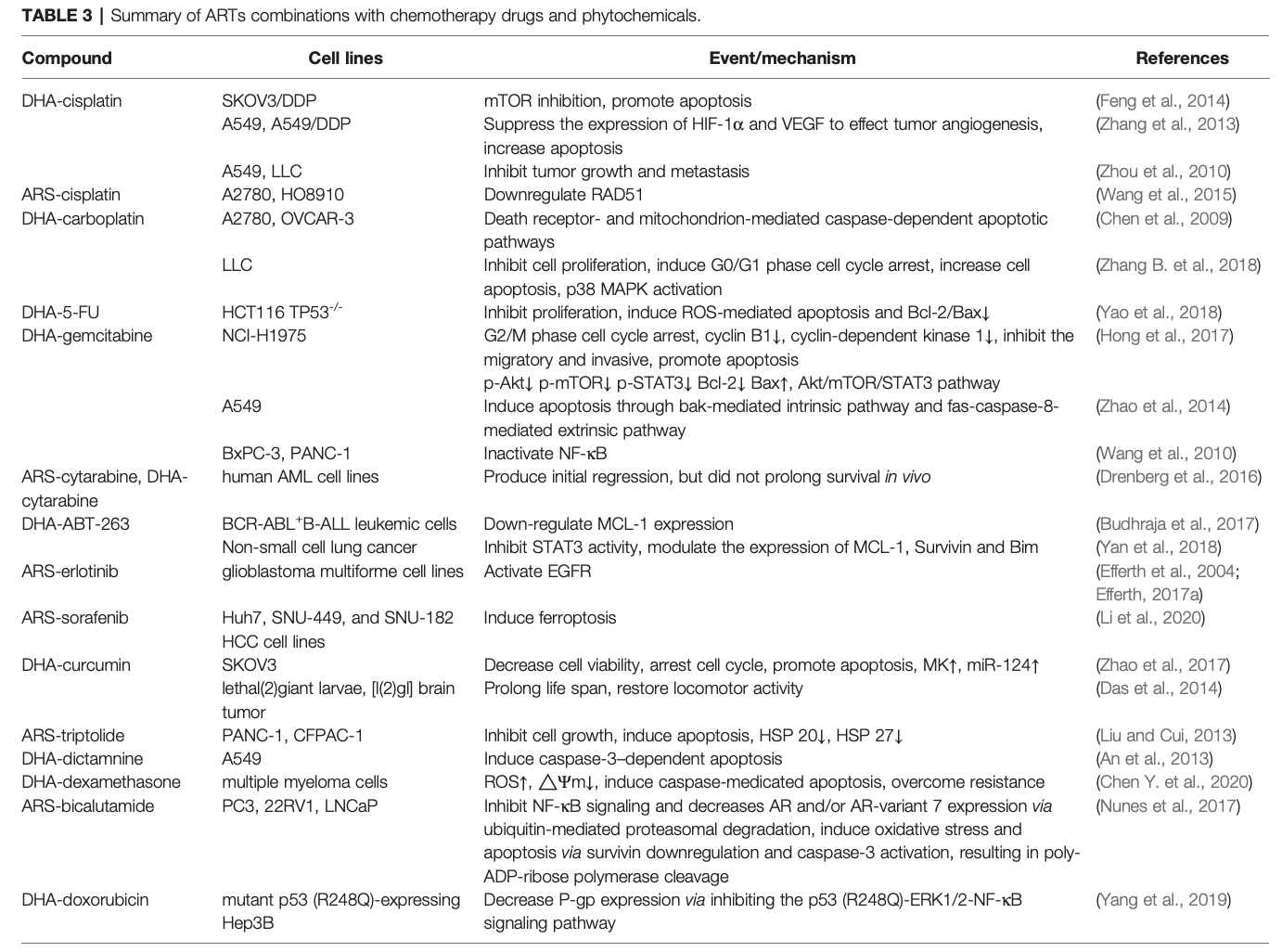
Research has shown that combination approaches significantly enhance the anticancer effects of artemisinin derivatives. These include combinations with conventional chemotherapy drugs such as cisplatin, carboplatin, and doxorubicin, as well as integration with radiation and photodynamic therapy.
Chemotherapy Synergism
- Oxaliplatin Combinations: Artemisinin acted synergistically with oxaliplatin to decrease tumor growth, migration, and invasion of esophageal carcinoma, and also induced DNA damage, autophagy, cell cycle arrest, and apoptosis in cisplatin-resistant breast cancer cells. 22
- Broad Combination Potential: The combination of artemisinin with different chemotherapy agents and other natural compounds demonstrates significant anti-tumor effects, including enhancing the anti-proliferation, pro-apoptotic, and cell cycle regulation effects of oxaliplatin, metformin, and carboplatin on various cancer cell lines. Such combination treatments hold great potential in both clinical and experimental settings. 23
Artemisia Compounded with Other Synergistic Herbal Extracts
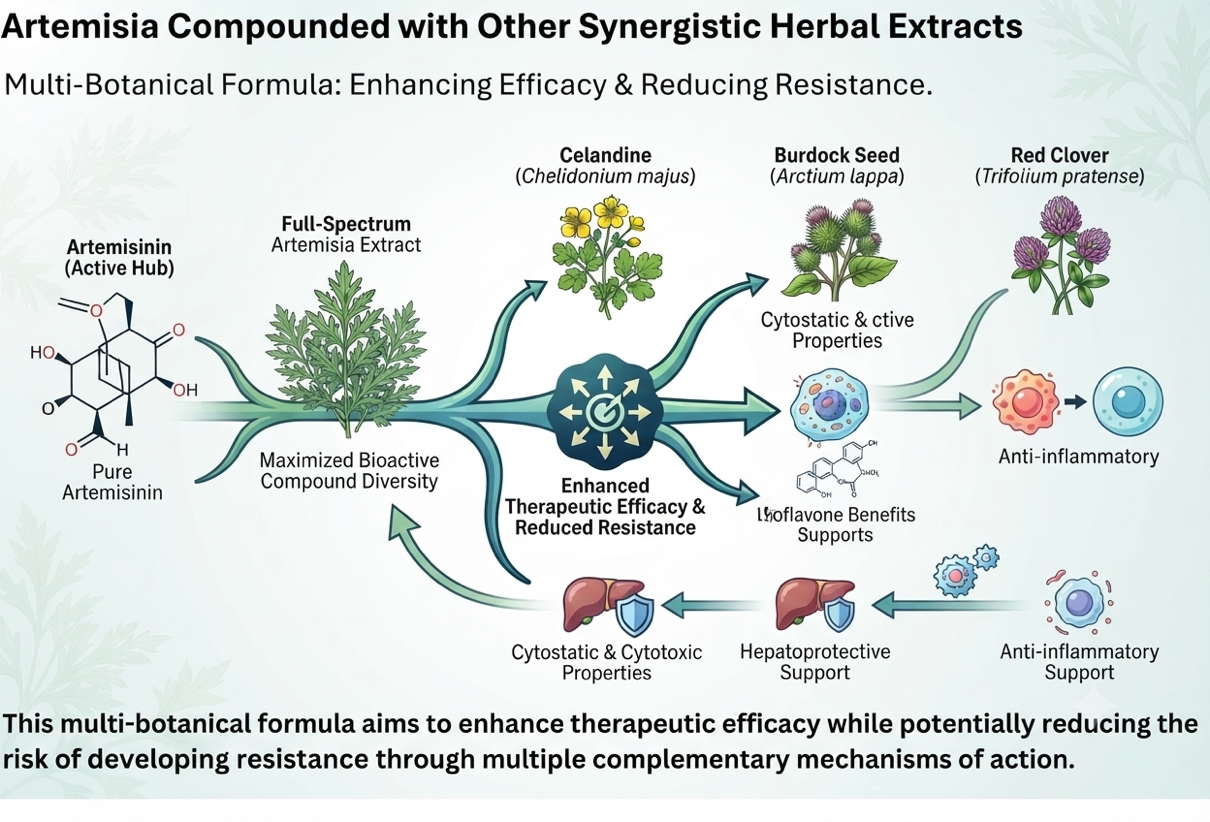
Building upon this scientific foundation, I have developed a comprehensive Artemisia formula that synergistically combines:
- Pure artemisinin with full-spectrum Artemisia annua extract to maximize bioactive compound diversity
- Celandine (Chelidonium majus) extract for additional cytostatic/cytotoxic properties
- Burdock seed (Arctium lappa) extract for hepatoprotective and anti-inflammatory support
- Red clover (Trifolium pratense) extract for isoflavone benefits
This multi-botanical formula aims to enhance therapeutic efficacy while potentially reducing the risk of developing resistance through multiple complementary mechanisms of action.
Conclusion
The complexity of cancer biology and the variety of tumor responses necessitates that we move beyond isolated compounds, and instead research whole plant extracts to optimize these compound’s therapeutic potential. Combining whole plant extracts with combination therapies offer promising strategies for utilizing artemisinin’s diverse anticancer properties.
As research continues to unravel the molecular intricacies of artemisinin’s anticancer mechanisms, these ancient antimalarial compounds are poised to make significant contributions to modern oncology, offering hope for patients with treatment-resistant cancers and potentially transforming the standard approaches to cancer therapy.

- Wen, L., Chan, B.C.-L., Qiu, M.-H., Leung, P.-C., & Wong, C.-K. (2024). Artemisinin and its derivatives as potential anticancer agents. Molecules, 29, 3886.
- Hu, Y., Guo, N., Yang, T., Yan, J., Wang, W., & Li, X. (2022). The potential mechanisms by which artemisinin and its derivatives induce ferroptosis in the treatment of cancer. Oxidative Medicine and Cellular Longevity, 2022, 1458143.
- Bensky, Dan, Gamble, Andrew, Chinese Materia Medica, Eastland Press, Seattle, WA, 1993, Herbs that drain dampness, pg. 214.
- Wen, L., Chan, B.C.-L., Qiu, M.-H., Leung, P.-C., & Wong, C.-K. (2024). Artemisinin and its derivatives as potential anticancer agents. Molecules, 29, 3886.
- Hu, Y., Guo, N., Yang, T., Yan, J., Wang, W., & Li, X. (2022). The potential mechanisms by which artemisinin and its derivatives induce ferroptosis in the treatment of cancer. Oxidative Medicine and Cellular Longevity, 2022, 1458143.
- Hu, Y., Guo, N., Yang, T., Yan, J., Wang, W., & Li, X. (2022). The potential mechanisms by which artemisinin and its derivatives induce ferroptosis in the treatment of cancer. Oxidative Medicine and Cellular Longevity, 2022, 1458143.
- Xu C, Zhang H, Mu L, Yang X. Artemisinins as Anticancer Drugs: Novel Therapeutic Approaches, Molecular Mechanisms, and Clinical Trials. Front Pharmacol. 2020 Oct 6;11:529881. doi: 10.3389/fphar.2020.529881. PMID: 33117153; PMCID: PMC7573816.
- Wen, L., Chan, B.C.-L., Qiu, M.-H., Leung, P.-C., & Wong, C.-K. (2024). Artemisinin and its derivatives as potential anticancer agents. Molecules, 29, 3886.
- Singh NP, Lai H. Selective toxicity of dihydroartemisinin and holotransferrin toward human breast cancer cells. Life Sci. 2001 Nov 21;70(1):49-56. doi: 10.1016/s0024-3205(01)01372-8. PMID: 11764006.
- Ma QY, Liu YC, Zhang Q, Yi WD, Sun Y, Gao XD, Zhao XT, Wang HW, Lei K, Luo WJ. Integrating network pharmacology, molecular docking and experimental verification to reveal the mechanism of artesunate in inhibiting choroidal melanoma. Front Pharmacol. 2024 Aug 9;15:1448381. doi: 10.3389/fphar.2024.1448381. PMID: 39185308; PMCID: PMC11341487.
- Hu, Y., Guo, N., Yang, T., Yan, J., Wang, W., & Li, X. (2022). The potential mechanisms by which artemisinin and its derivatives induce ferroptosis in the treatment of cancer. Oxidative Medicine and Cellular Longevity, 2022, 1458143.
- Zhimin Lu, Jialu Jiang, Xuming Yao, Guoxin Hou, Network pharmacological mechanism and molecular experimental validation of artemisinin in the treatment of lung adenocarcinoma, Toxicology and Applied Pharmacology, Volume 495, 2025, 117226, ISSN 0041-008X, https://doi.org/10.1016/j.taap.2025.117226.
- Wen L, Chan BC, Qiu MH, Leung PC, Wong CK. Artemisinin and Its Derivatives as Potential Anticancer Agents. Molecules. 2024 Aug 16;29(16):3886. doi: 10.3390/molecules29163886. PMID: 39202965; PMCID: PMC11356986.
- Jiang X, Stockwell BR, Conrad M. Ferroptosis: mechanisms, biology and role in disease. Nat Rev Mol Cell Biol. 2021 Apr;22(4):266-282. doi: 10.1038/s41580-020-00324-8. Epub 2021 Jan 25. PMID: 33495651; PMCID: PMC8142022.
- Ma Z, Woon CY, Liu CG, Cheng JT, You M, Sethi G, Wong AL, Ho PC, Zhang D, Ong P, Wang L, Goh BC. Repurposing Artemisinin and its Derivatives as Anticancer Drugs: A Chance or Challenge? Front Pharmacol. 2021 Dec 31;12:828856. doi: 10.3389/fphar.2021.828856.
- Singh, N.P. & Lai, H.C. (2005). Synergistic cytotoxicity of artemisinin and sodium butyrate on human cancer cells. Anticancer Research, 25(6B), 4325-4331.
- Liu, X., et al. (2023). Enhanced anti-cancer effect of artemisinin- and curcumin-loaded niosomal nanoparticles against human colon cancer cells. PubMed, 37156929.
- Jerry T. Thornthwaite, Hare R. Shah, Spencer R. England, Lee H. Roland, Seth P. Thibado, Thomas K. Ballard, Brandon T. Goodman, Anticancer Effects of Curcumin, Artemisinin, Genistein, and Resveratrol, and Vitamin C: Free Versus Liposomal Forms, Advances in Biological Chemistry, Volume 7, Issue 1 (February 2017), SSN Print: 2162-2183 ISSN Online: 2162-2191
- Cohen, E., et al. (2022). Grapefruit juice lets patients take lower dose of cancer drug. University of Chicago News.
- El-Lakkany NM, Seif el-Din SH, Badawy AA, Ebeid FA. Effect of artemether alone and in combination with grapefruit juice on hepatic drug-metabolising enzymes and biochemical aspects in experimental Schistosoma mansoni. Int J Parasitol. 2004 Nov;34(12):1405-12.
- van Agtmael MA, Gupta V, van der Graaf CA, van Boxtel CJ. The effect of grapefruit juice on the time-dependent decline of artemether plasma levels in healthy subjects. Eur J Clin Pharmacol. 1999 Jul;55(5):405-10.
- Wang T, Wang J, Ren W, Liu ZL, Cheng YF, Zhang XM. Combination treatment with artemisinin and oxaliplatin inhibits tumorigenesis in esophageal cancer EC109 cell through Wnt/β-catenin signaling pathway. Thorac Cancer. 2020 Aug;11(8):2316-2324. doi: 10.1111/1759-7714.13570. Epub 2020 Jul 12. PMID: 32657048; PMCID: PMC7396387.
- Efferth T. Cancer combination therapies with artemisinin-type drugs. Biochem Pharmacol. 2017 Sep 1;139:56-70. doi: 10.1016/j.bcp.2017.03.019. Epub 2017 Mar 31. PMID: 28366726.
- Xu C, Zhang H, Mu L, Yang X, Artemisinins as Anticancer Drugs: Novel Therapeutic Approaches, Molecular Mechanisms, and Clinical Trials. Front Pharmacol. 2020 Oct 6;11:529881. doi: 10.3389/fphar.2020.529881. PMID: 33117153; PMCID: PMC7573816



4 Responses
When the cancer cells die loaded with iron, is the iron “recycled internally “ or shed?
It does impact a person’s iron levels one way or another, but it does not impact healthy cells. On rare occasions, I have seen it cause mild tumor lysis. If the liver and kidneys are healthy, they process the dead cancer cells.
Thank you for your generous sharing of your exhaustive reseaerch, Donnie. I am so grateful to breathe the same air with you on this journey. Gratefully, Geo
Thank you for your legendary work and your comprehensive piece on Artemisinin.
They are indeed important substances.
Frank D Wiewel
Former Chairman,
Pharmacological and Biological
Treatments Committee
Office of Alternative Medicine (OAM)
National Institutes of Health (NIH)
Founder,
People Against Cancer
2522 Nelson Ave
Otho, IA 50569
Info@PeopleAgainstCancer.com
http://www.PeopleAgainstCancer.com