


Key takeaways
- Cancer patients frequently experience anorexia-cachexia syndrome (ACS), characterized by weight loss and muscle wasting that negatively impacts nutritional status and treatment outcomes.
- Cachexia is common and under-treated. It is estimated to affect up to 80% of people with advanced cancer and is thought to directly cause up to 30% of cancer deaths.
- Timing decides the benefit. Immunonutrition support gives greater benefit when started at the pre-cachexia stage; benefit is limited or absent once cachexia is refractory.
- Muscle is a survival factor, not a side issue. In cancer patients, high muscle strength was associated with a 31% lower all-cause mortality risk and high cardiorespiratory fitness with a 46% lower cancer-mortality risk.
- Part 1 covers three immunonutrients: L-arginine, citrulline and glutamine.
- Surgical evidence is strongest. A meta-analysis of 61 randomized controlled trials found immunonutrition reduced postoperative infections and shortened hospital stays by 2.1 days.
- The Mederi Care approach pairs immunonutrition with botanical anabolic restoration, focusing on the early stage before cachexia sets in.
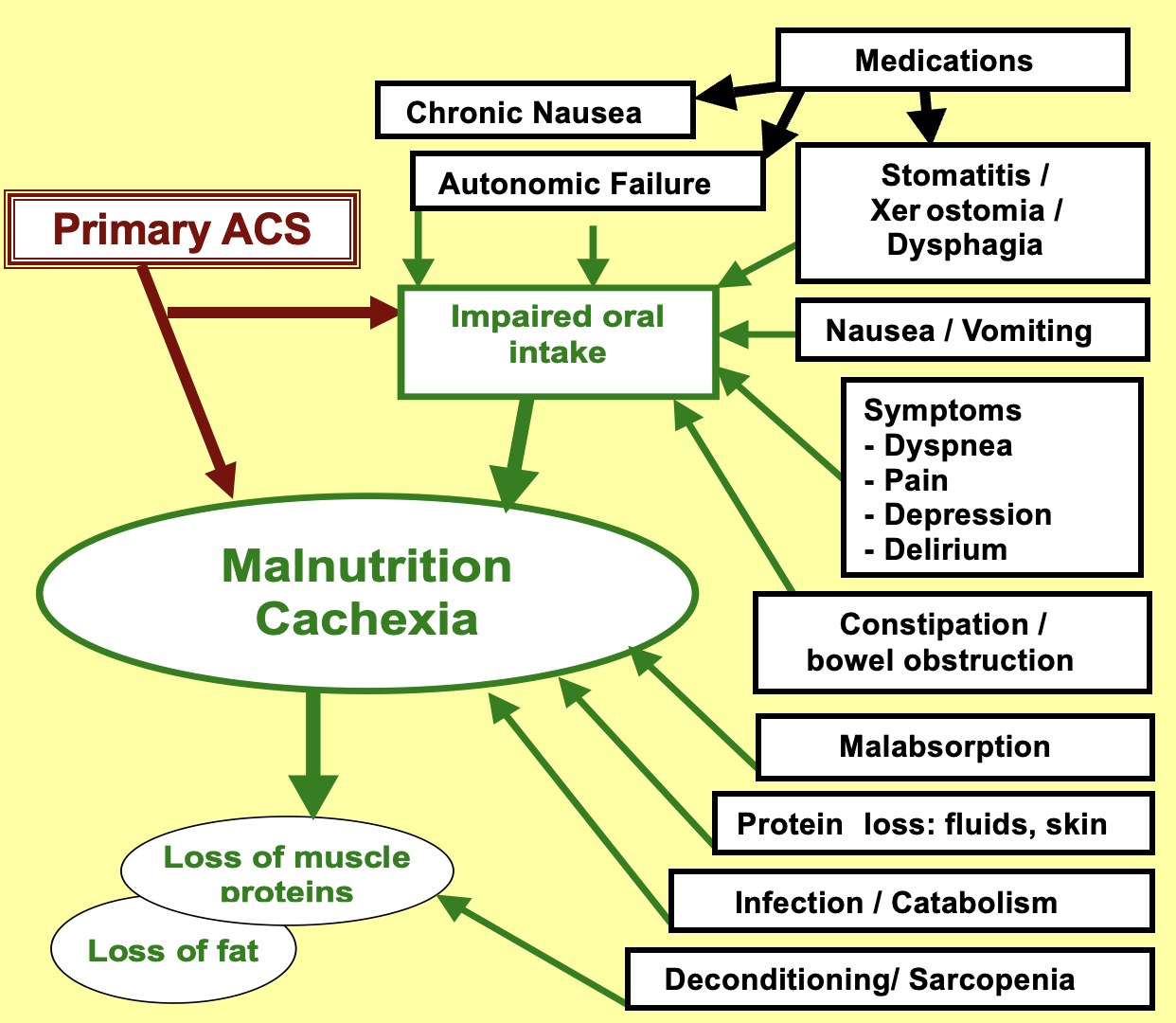
Anorexia-Cachexia-Syndrome (ACS)
Immunonutrition and Building Muscle Protein in Cancer Patients
Cancer patients experience impaired muscle protein synthesis and anabolic resistance, contributing to treatment toxicities and poor survival outcomes. Evidence suggests that combining specific amino acids with adapted physical activity provides optimal benefits, particularly when initiated during pre-cachexia rather than established cachexia stages. These benefits are multiplied even more when combined with the Mederi Care Model. Integrated immunonutritional approaches represent a promising strategy for preventing cancer-associated muscle wasting and improving patient outcomes.
Immunonutrition—the strategic use of specific nutrients to modulate immune and inflammatory responses—represents a promising therapeutic approach. Part one of this article will examine the evidence for key immunonutrients including citrulline/arginine, and glutamine.
Part two will cover branched-chain amino acids, creatine, omega-3 fatty acids, whey protein concentrate, and beta-hydroxy-beta-methylbutyrate (HMB), and tonic herbs focusing on their roles in anabolic restoration and cachexia management in cancer care.
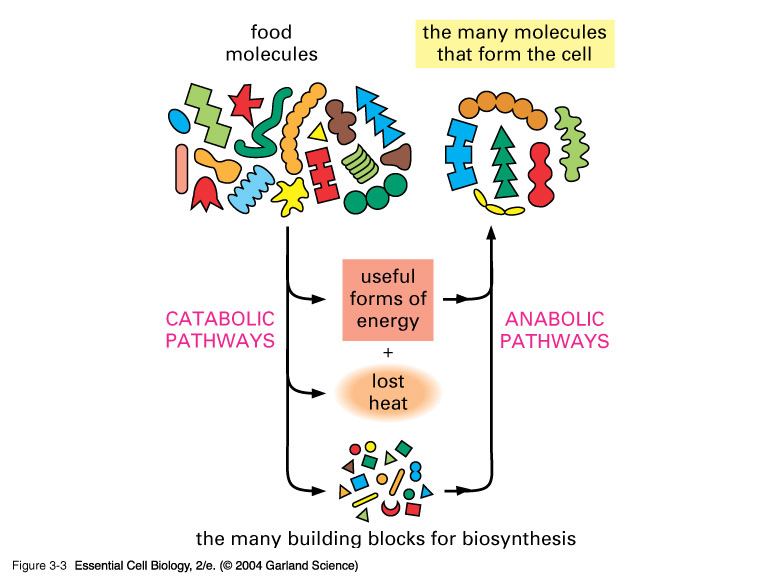
The relationship between inflammation and malnutrition creates a vicious cycle, where one negatively affects the other due to increased metabolic demand, loss of appetite, weakened immune system, and gut dysbiosis.
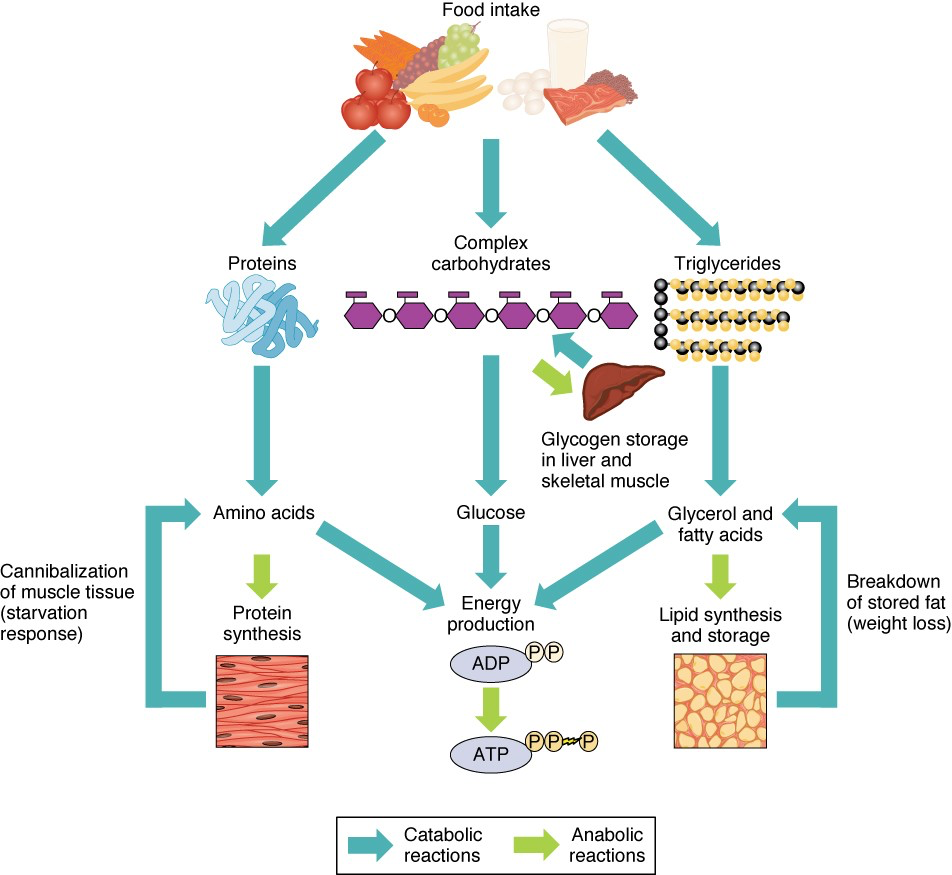
An adequate balance between catabolic (breakdown) and anabolic (growth & healing) processes is considered necessary for long-term health and overall survival in cancer patients. I believe this to be the single most important aspect of cancer care that is pretty much completely ignored until it reaches an advanced stage, when it is often too late.
In addition to the proteins, fats, carbohydrates, vitamins, and minerals that we require, plant-based foods contain many hundreds of compounds which are not considered essential nutrients, but appear to play a role in the maintenance of health. Foods and herbs contain a wide variety of active phytonutrients including: flavonoids, terpenoids, lignans, sulfides, polyphenols, carotenoids, coumarins, saponins, sterols, and phthalides; these are constantly being researched and found to possess important actions in both health promotion and disease prevention.
Recent research indicates that most diseases can be prevented or reduced by 50% or more by simple intake of these nutrient-rich foods and herbs.
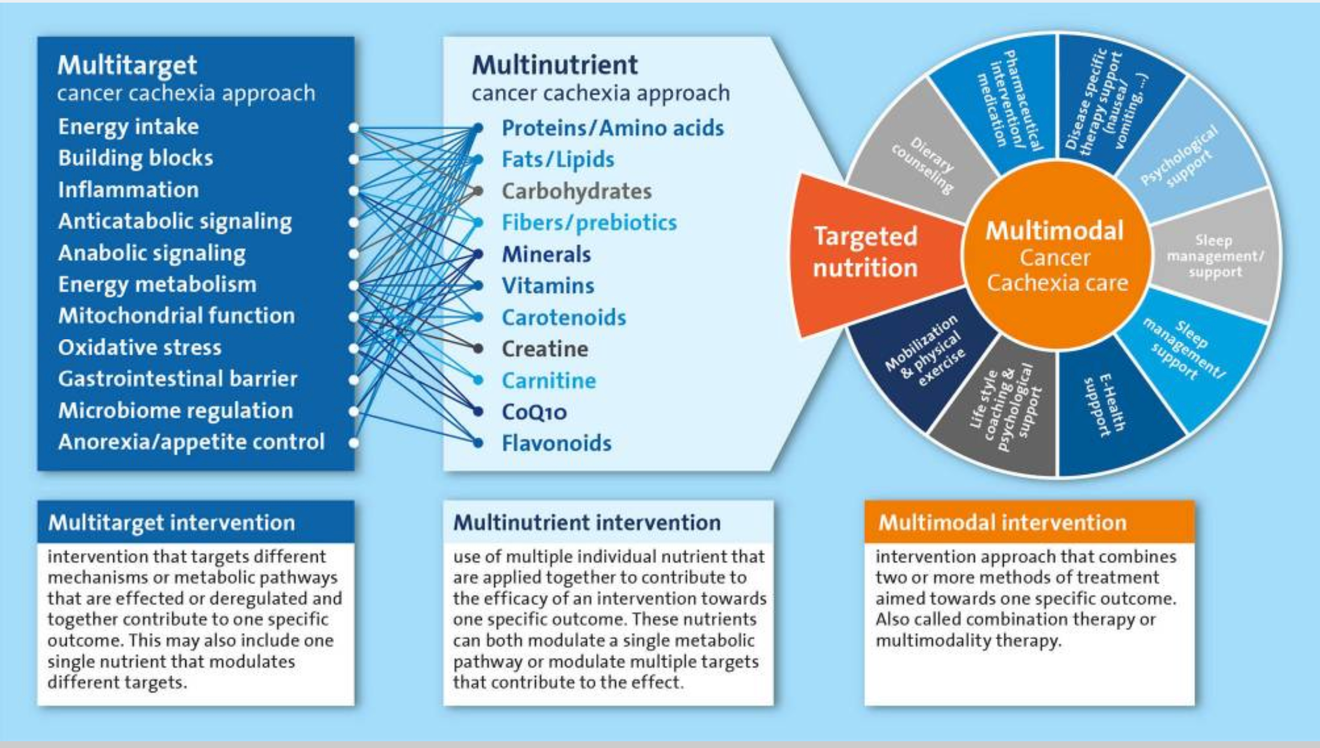
Mederi Care, is a unique holistic unitive approach to cancer care which puts equal focus on the host, the microenvironment, and the cancer. Immunonutrition is always coupled with botanical anabolic restoration, which I like to refer to as the dynamic duo. The two work in harmony to assist the body in restoring robustness. Mederi Care focuses on anabolic restoration in the early stage, before cachexia sets in.
The benefits of immunonutrition support are greater when it is started at the pre-cachexia stage rather than at the cachexia stage, and their benefits are limited or nonexistent at the stage of refractory (late stage) cachexia.
Nutrition Impact Syndromes
Observational data showed that most people with cancer experienced symptoms such as: constipation, anorexia, nausea, vomiting, diarrhea, gas, bloating, reflux, indigestion, mucositis, dry mouth, difficulty swallowing, taste and smell alterations, or early satiety. These are termed nutrition impact symptoms because they are potential barriers to intake, digestion, absorption, and/or use of nutrients. These debilitating conditions interfered with optimal management of associated malignancies. For example, unexplained weight loss was a common presentation before diagnosis of gastrointestinal malignancies. These patients often require surgical intervention that may affect their ability to meet nutritional needs due to temporary or permanent loss of intestinal absorptive surfaces.
Cachexia is estimated to occur in up to 80% (even higher in certain cancer types, such as pancreatic cancer) of people with advanced cancer, depending on the cancer type and how well they respond to cancer treatment. Cachexia is thought to directly cause up to 30% of cancer deaths, often because of heart or respiratory failure related to muscle loss.
Cancer cachexia manifests as loss of appetite, muscle wasting, weight loss, fatigue, and compromised immune function, significantly impairing chemotherapy response and increasing mortality risk.
Unlike simple caloric deficiency, cachexia involves complex pathophysiological mechanisms mediated by circulating catabolic factors including tumor necrosis factor-alpha (TNF-α), interleukins (IL-1, IL-6), interferon-gamma (IFN-γ), and leukemia inhibitory factor (LIF). These factors may originate from tumors alone or in combination with host-derived mediators, creating a metabolic environment resistant to conventional nutritional intervention.
Therapeutic Targets
Recent advances in protein metabolism research have identified qualitative dietary parameters as potential therapeutic targets. Beyond traditional protein quantity recommendations, emerging strategies focus on protein source selection, digestion kinetics, feeding patterns, and amino acids with specific anabolic properties. These approaches represent promising avenues for limiting protein loss and supporting immune function in cancer patients.
Successful cachexia reversal requires comprehensive understanding of underlying mechanisms in order to develop effective nutritional interventions. While preliminary evidence suggests sarcopenia prevention through targeted nutritional strategies, large-scale epidemiological validation remains necessary before full clinical implementation.
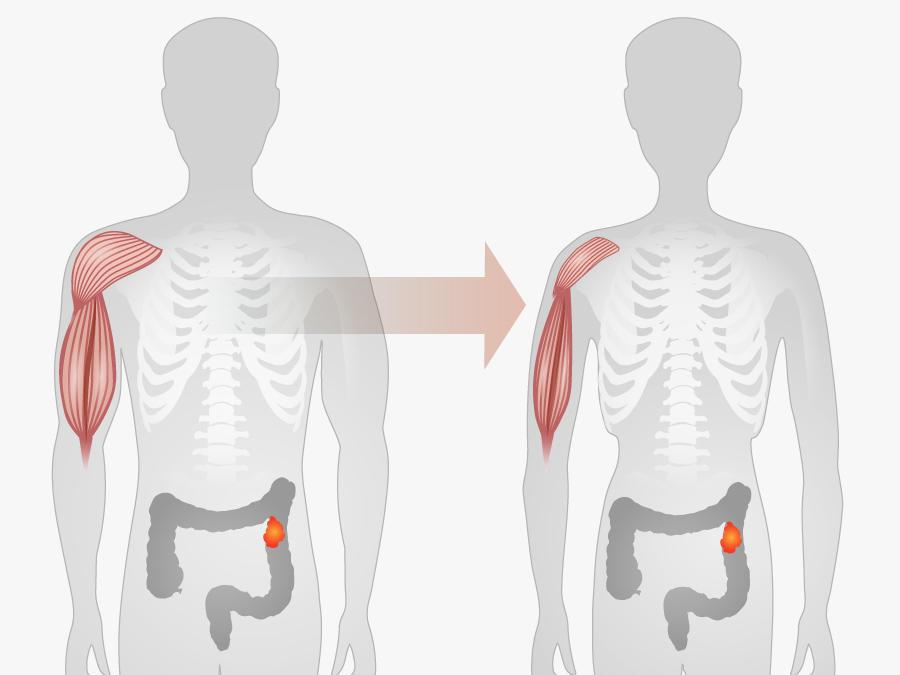
Cancer triggers a cascade of metabolic dysregulation characterized by: sympathetic nervous hyperactivation, hypogonadism, insulin resistance, and persistent tumor-induced systemic inflammation. These pathophysiological changes, compounded by inadequate nutritional intake, culminate in progressive muscle wasting, deteriorating functional status, reduced treatment tolerance, and ultimately poor clinical outcomes.
Cancer-associated cachexia profoundly alters body composition, significantly increasing the risk of treatment-related toxicity. Current chemotherapy dosing protocols based on body surface area fail to account for the substantial muscle mass depletion characteristic of sarcopenic and cachectic patients, potentially leading to relative overdosing and enhanced toxicity. This disconnect between conventional dosing strategies and the altered pharmacokinetic profile of malnourished cancer patients underscores the critical need for nutritional interventions that can preserve lean body mass and optimize treatment outcomes.
Whether caused by their cancer, its treatment, or both, nutrition impact symptoms and physical and functional decline limited people’s ability to consume adequate nutrition and synergistically worsened their nutrition state. Although more frequently evaluated among people with gastrointestinal, head and neck, lung, and other advanced cancers, these challenges occurred in all cancer types.
Metabolomic Biomarkers for Predicting Weight Loss in Cancer Cachexia
Cancer cachexia represents a critical challenge in oncology care, affecting 30-90% of cancer patients and contributing to 10-30% of cancer-related deaths. Despite international consensus on clinical criteria for cachexia staging, robust biomarkers for predicting progressive weight loss remain lacking, limiting the ability to implement timely nutritional interventions.
Recent metabolomic research has identified promising biomarkers related to fatty acid oxidative capacity that may predict continued weight loss in cachectic cancer patients. In a pilot study of 18 cachectic gastrointestinal cancer patients, analysis of dried blood samples revealed that specific acylcarnitine ratios were significantly predictive of further weight loss during treatment (P < 0.0001). These ratios reflect alterations in the mitochondrial carnitine shuttle system, which plays a pivotal role in fatty acid β-oxidation.
The study also demonstrated pathway-level alterations in amino acid metabolism, with significant reductions in arginine and citrulline levels compared to healthy controls. Pathway enrichment analysis revealed activation of tryptophan metabolism and serine/glycine pathways in patients experiencing continued weight loss, suggesting potential therapeutic targets for immunonutritional interventions.
These findings underscore the importance of energy metabolism biomarkers in identifying high-risk cachectic patients who would benefit from early, intensive nutritional support. The use of dried blood spot analysis offers a practical, standardized approach for clinical implementation of metabolomic screening in cancer care settings.
Muscle Strength and Fitness Are Linked To Lower Mortality Risk In Cancer Patients
Cancer patients with high muscle strength and cardiorespiratory fitness (CRF) have a significantly lower risk of death from any cause, including those with advanced cancers.
- All-cause mortality risk declined by as much as 46% among patients with high muscle strength and CRF compared with those who had low measures.
- When assessed by incremental changes, muscle strength had a statistically significant association with all-cause mortality and CRF with cancer-specific mortality.
- High muscle strength: 31% reduction in all-cause mortality risk
- High CRF: 46% reduction in cancer-mortality risk
- Per-unit muscle strength increase: 11% reduction in mortality risk
- Per-unit CRF increase: 18% decrease in cancer-specific mortality
Frailty Assessments Predict Severe Adverse Events (AEs) in Prostate Cancer Treatment
Frailty assessments effectively identify metastatic hormone-sensitive prostate cancer patients at risk for severe adverse events during docetaxel treatment, with research from the 2025 American Urological Association Annual Meeting demonstrating that 56% of patients in a 32-patient retrospective study experienced at least one severe adverse event. The G8 screening tool emerged as the strongest predictor (AUC 0.850) alongside BMI and serum albumin levels, within the established thresholds of G8 scores. The G8 screening tool is a brief questionnaire used to identify older cancer patients who may be at risk of frailty.
Robustness as a Key Determinant in Ovarian Cancer Outcomes
The Carolina Frailty Index (CFI) effectively predicts outcomes in ovarian cancer patients using patient-reported measures. “Compared with robust patients, frail patients had an approximately eightfold higher risk of death, while prefrail patients had an approximately 11-fold higher risk. Both frail and prefrail patients were also significantly more likely than robust patients to require chemotherapy dose reductions.”
Sarcopenia As a Critical Risk Factor in Cancer Care
Sarcopenia, characterized by progressive loss of skeletal muscle mass and function, represents a critical concern in cancer care. A comprehensive review and meta-analysis of 56 studies encompassing over 42,000 participants demonstrated that sarcopenia essentially doubles the likelihood of early death across all populations regardless of the diagnostic criteria used. This fact highlights sarcopenia as a modifiable risk factor that warrants targeted interventions to preserve muscle mass, enhance immune function, and potentially improve survival outcomes.
Implications for Immunonutrition Support
Targeted immunonutrition interventions could help optimize serum albumin levels and overall frailty scores before initiating chemotherapy. Proactive nutritional support may reduce severe adverse events and improve treatment outcomes for cancer patients.
The pathogenesis of anorexia-cachexia syndrome in cancer is multifactorial, involving tumor-derived factors, host-derived metabolic derangements, and treatment-related side effects. The critical involvement of host inflammatory response in lean body mass depletion limits the effectiveness of standard nutritional support. A novel parallel pathway using immunonutrition may help improve nutritional status, prevent cachexia, and enhance tolerance to aggressive therapies.
Immunonutrition targets three key areas:
- mucosal barrier function
- cellular defense
- local or systemic inflammation.
The nutrients most extensively studied include arginine, glutamine, branched-chain amino acids, creatine as magnesium-creatine chelate, omega-3 fatty acids, and undenatured whey protein concentrate.
Neuroinflammation and Motivation Loss in Cancer: Implications for Immunonutrition Therapy
Advanced cancer patients often experience profound apathy as part of cachexia syndrome. Instead of psychological adaptation, new research reveals that this motivation loss stems from cancer directly hijacking brain circuits.
Cancer-induced inflammatory molecules activate the area postema, the brain’s inflammation detector. This triggers neural cascades suppressing dopamine release in the nucleus accumbens or ‘motivation center’. This study showed that mice with cancer abandoned effortful tasks while pursuing easy rewards, with real-time dopamine suppression correlating with decreased motivation.
Therapeutic Interventions
Successful restoration of motivation was created through:
- Blocking specific inflammatory cytokines (similar to FDA-approved treatments)
- Modulating inflammation-sensing neurons
- Direct dopamine pathway stimulation
While these interventions didn’t reverse physical wasting, they did restore the behavioral drive critical to proper self care.
Immunonutrition Applications For Motivation
This inflammatory mechanism suggests targeted nutritional interventions could modulate motivation loss. Anti-inflammatory nutrients such as omega-3 fats, polyphenols, and specific amino acids, may help preserve dopaminergic function during cancer treatment. Understanding this brain-inflammation axis provides a neurobiological foundation for immunonutrition protocols aimed at maintaining patient engagement and treatment compliance.
The discovery extends beyond cancer to any inflammatory condition, offering hope that nutritional modulation of these circuits could restore patients’ essential drive to engage with their treatments and with life.
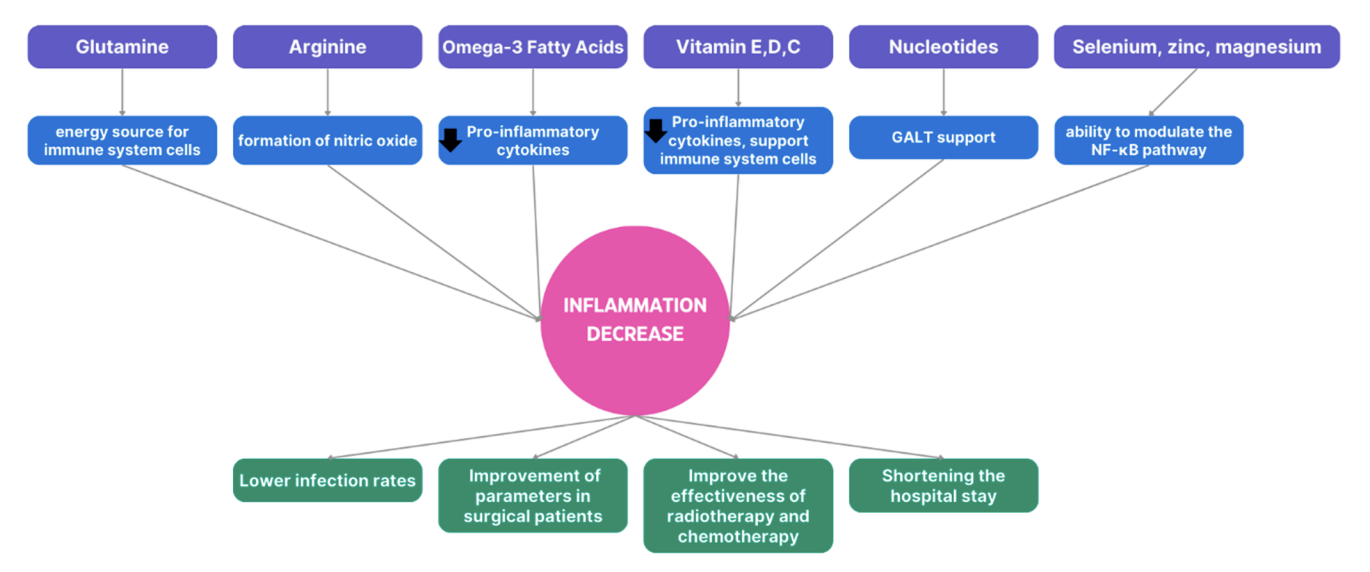
Immunonutrition uses specific nutrients to boost the immune system and reduce inflammation, leading to better patient outcomes. Key nutrients include glutamine, arginine, omega-3 fatty acids, vitamins E, D, and C, nucleotides, and minerals like selenium, zinc, and magnesium. These nutrients help immune cells work better and control inflammation. Omega-3 fatty acids and vitamins E, D, and C are particularly effective at reducing harmful inflammatory responses. When patients receive proper immunonutrition, they experience fewer infections, better immune function after surgery, improved response to cancer treatments, and shorter hospital stays. This makes immunonutrition a valuable supportive treatment that enhances patient care and quality of life.
Clinical Evidence for Immunonutrition
Recent systematic reviews demonstrate significant benefits of immunonutrition in cancer patients undergoing surgery. A comprehensive meta-analysis of 61 randomized controlled trials found that immunonutrition significantly reduced postoperative infections with specific reductions in wound, respiratory, and urinary tract infections. Hospital stays were shortened by 2.1 days, with the greatest benefits observed in malnourished patients receiving the complete nutrient combination of arginine + nucleotides + omega-3 fatty acids.
Perioperative Applications
Studies in head and neck and gastrointestinal cancer surgery consistently show benefits of perioperative immunonutrition. Among 4,825 patients from 48 studies, immunonutrition significantly reduced total postoperative and infectious complications compared with standard therapy.
The association between nutritional status and surgical outcomes is particularly evident in head and neck microsurgery, where 28% of patients were found to be malnourished, with malnutrition independently associated with postoperative pulmonary complications, bleeding, transfusion requirements, and 30-day mortality.
Major surgery, radiation therapy and/or chemotherapy is followed by a period of immunosuppression that increases the risk of morbidity and mortality due to allostatic overload (wear and tear caused by excessive stress) which can lead to infection. Improving immune function during this period will improve a person’s ability to inhibit infections, recover quickly and fully, and reduce the risk of recurrence.
Key Immunonutrient Therapies
L-Arginine
L-arginine serves multiple critical functions as a precursor of polyamines, nucleic acids, nitric oxide, and amino acids involved in connective tissue synthesis. It acts as a secretagogue for growth hormone and insulin, increases T-cell numbers and function, and improves wound healing.
Supplementation with L-arginine has significantly increased the quantity and cytotoxic activity of NK cells and lymphokine-activated cells in patients with breast cancer. L-arginine possesses anti-atherogenic, lipid lowering, wound-repairing, vascular dilating, cardio-tonic, human growth hormone enhancing, antioxidant, and immunomodulatory actions.
Clinical evidence demonstrates that arginine-enriched enteral formulas significantly reduce fistulas and hospital length of stay in head and neck cancer surgery patients. Studies have shown that arginine contributed significantly to immune function by increasing levels of white blood cells. Various researchers have shown that increasing arginine increases neutrophils (white blood cells that remove bacteria and cellular debris), significantly upgrading host defense.
Citrulline
Oral citrulline provides greater plasma l-arginine levels due to an efficient conversion of l-citrulline to l-arginine. Citrulline is an endogenous amino acid produced by the intestine that has been shown to be an activator of muscle protein synthesis (MPS). Citrulline enhanced MPS (from 30 to 80% vs. control) and led to activations in cell growth and protein synthesis pathways. These findings show that citrulline is a signaling agent for muscle homeostasis, suggesting a new role of the intestine in muscle mass control.
Citrulline Protects Skeletal Muscle Cells from Cachectic Stimuli
While dietary L-citrulline is known to modulate muscle protein turnover by increasing L-arginine availability, a study investigated its direct effects on muscle cells by depriving mature C2C12 myotubes of growth factors and/or nutrients, then treating with L-citrulline, L-arginine (positive control), or L-alanine (negative control). L-citrulline significantly improved protein synthesis rates and myotube diameter while substantially increasing iNOS mRNA expression, effects that were prevented by NOS (nitric oxide synthase) inhibitors. Although L-citrulline could not prevent wasting when myotubes were deprived of L-arginine or L-leucine, increased iNOS expression coincided with elevated antioxidant mRNA levels (SOD1, SOD3, catalase), and L-citrulline prevented muscle cell wasting induced by inflammation (LPS) and oxidative stress (H2O2). These findings demonstrate that L-citrulline exerts protective effects on skeletal muscle cell size independent of L-arginine through iNOS induction, suggesting this nutritional modulator could have significant implications for treating muscle wasting conditions.
Glutamine
Glutamine is the most prevalent free amino acid in the human body and serves as the primary metabolic fuel for enterocytes, colonocytes, and immune cells. It functions as a precursor for purines, pyrimidines, nucleotides, amino sugars, and glutathione, while maintaining intestinal mucosal integrity and cellular immune functions.
Glutamine is an Indispensable Nutrient in Oncology
Several studies, in both humans and laboratory animals, have shown that oral, enteral, or intravenous glutamine supports metabolism of the tumor-bearing host and can ameliorate gastrointestinal toxicity caused by cancer treatments.
It appears from a growing body of scientific literature that oral glutamine is the preferred route for this amino acid to promote mucosal healing during and after cancer treatment.
It’s not an exaggeration to say that oral glutamine is a super immune nutrient. Glutamine is a key nutrient for immune health and is essential for the production of glutathione.
Within the last four decades, dozens of human clinical studies have evaluated the safety and side effects of oral glutamine in various patient groups. Evidence supports the benefit of oral glutamine to reduce symptoms and improve and/or maintain quality of life of cancer patients.
Benefits To Glutamine Supplementation Include:
- Improved overall nutritional status
- Decreased mucosal damage (mucositis, stomatitis, pharyngitis, esophagitis, and enteritis).
- Higher nitrogen retention signals preservation of lean body mass and reduced muscle breakdown, it supports better wound healing, immune function, and overall recovery
- Improves host metabolism and clinical situation without increasing tumor growth.
- Enhances the effectiveness of chemotherapy while reducing its toxic side effects.
- Reduces acute radiation toxicity
- Helps reduce cachectic weight loss.
- Ameliorates radiation-induced oral mucositis among patients with head and neck cancer.
- Improves quality and length of life in cancer patients.
- Decreases the incidence of sepsis in premature neonates and the incidence of pneumonia, bacteremia, and severe sepsis in critically ill patients.
- Decreases the incidence of infections in recipients of bone marrow transplants.
Glutamine has multiple cellular functions, including the following:
- It is needed for nitrogen transfer between tissues.
- It is a regulator of protein synthesis and the removal of renal ammonia.
- It is an essential precursor for nucleic biosynthesis.
- It is the fuel for intestinal mucosa and other rapidly dividing cells such as renal tubular cells.
- It is the primary energy source for gut enterocytes, lymphocytes, myocytes and the brain. It has specific stimulatory effects on collagen and cartilage synthesis.
Clinical Applications in Cancer
Glutamine enhances the effectiveness of chemotherapy and reduces its toxicity. Glutamine’s ability to reduce toxicity includes mediation in glutathione metabolism. Studies have shown that oral glutamine reduces the duration and severity of stomatitis after cytotoxic chemotherapy. Research has demonstrated glutamine’s protective effects against radiation enteritis and various chemotherapy-induced toxicities.
How I use Glutamine
I don’t recommend glutamine to cancer patients as a single supplement.
Instead, I use it in various formulations. The primary formula I use for general immune health, as well as recovery for those who are depleted, is glutamine with a combination of non-denatured whey protein, colostrum, and a unique form of creatine chelated to magnesium. This provides the body with a readily available source of magnesium, while also making the creatine more active by protecting it from cyclization. This patented mineral amino acid chelate contributes to an overall positive impact on many functions including, but not limited to, a non-steroidal anabolic enhancing effect, while also providing rehydration and endurance to a person showing signs of physiological stress.
For gastrointestinal health specifically, I combine glutamine with other essential herbal extracts and nutrients such as Aloe vera, DGL licorice, Lemon balm, Chamomile, mastic gum, and potassium bicarbonate.
Conclusion
Muscle loss and malnutrition are not just side effects of cancer, they’re major factors that influence survival, treatment tolerance, and overall quality of life. Traditional cancer care often waits too long to address these issues, focusing on nutrition only after severe wasting has already begun. However, research shows that early intervention with immunonutrition—targeted nutrients that support the immune system, reduce inflammation, and stimulate muscle growth—can help break the cycle of weakness, fatigue, and decline.
Key nutrients like arginine, citrulline, glutamine, omega-3s, and whey protein have been shown to protect muscle tissue, improve treatment response, lower infection risk, and even help restore motivation and well-being. When combined with botanical therapies and adapted physical activity, as practiced in the Mederi Care Model, the results are even stronger.
The message is simple:
Building and protecting muscle tissue is just as important as fighting the cancer itself. By starting immunonutrition early, before full cachexia sets in, patients have a better chance of staying strong, responding well to treatment, and maintaining their independence.
In part two, we will explore additional nutrients and herbal strategies that further support this anabolic restoration approach.
Frequently asked questions
What is cancer anorexia-cachexia syndrome (ACS)?
Anorexia-cachexia syndrome is a wasting condition seen in cancer patients, marked by loss of appetite, muscle wasting, weight loss, fatigue and compromised immune function. Unlike simple calorie deficiency, it is driven by circulating catabolic factors including TNF-α, interleukins (IL-1, IL-6), interferon-gamma and leukemia inhibitory factor, which is why it resists conventional nutritional intervention.
What is immunonutrition?
Immunonutrition is the strategic use of specific nutrients to modulate immune and inflammatory responses. It targets three areas: mucosal barrier function, cellular defense, and local or systemic inflammation. The most extensively studied nutrients include arginine, glutamine, branched-chain amino acids, magnesium-creatine chelate, omega-3 fatty acids and undenatured whey protein concentrate.
When should immunonutrition be started?
Research indicates the benefits are greater when support begins at the pre-cachexia stage rather than after cachexia is established, and that benefits are limited or nonexistent at the refractory (late-stage) cachexia stage. This is why the Mederi Care model focuses on anabolic restoration early.
Does muscle strength affect survival in people with cancer?
Research links higher muscle strength and cardiorespiratory fitness to lower mortality risk in cancer patients, including those with advanced cancers. All-cause mortality risk declined by as much as 46% among patients with high muscle strength and cardiorespiratory fitness compared with those with low measures.
Which nutrients does Part 1 cover?
Part 1 examines L-arginine, citrulline and glutamine. Part 2 covers branched-chain amino acids, creatine, omega-3 fatty acids, whey protein concentrate, beta-hydroxy-beta-methylbutyrate (HMB) and tonic herbs.
What is sarcopenia and why does it matter in cancer care?
Sarcopenia is the progressive loss of skeletal muscle mass and function. A review and meta-analysis of 56 studies covering over 42,000 participants found that sarcopenia roughly doubles the likelihood of early death across populations, which makes it a modifiable risk factor worth targeting.