


By Donnie Yance
Imagine sitting down to a wonderful night out at your favorite restaurant. You have a great time and eat a lot of your favorite foods. A lot…of your favorite foods. All is well until the night comes; you try to lay down for a good night’s sleep, but you painfully realize that acid is creeping its way up your esophagus. The gas, pressure, indigestion, and pain steal any chance of a decent night’s sleep. So, you go to the doctor and walk out with a prescription for an acid blocking medicine to treat your newly diagnosed heartburn, now labeled “gastroesophageal reflux disease” (GERD). This little scenario plays itself out millions of times every year around the world.
Proton Pump Inhibitors
When healthy, the stomach produces highly acidic fluid (pH 2) essential for sterilizing bacteria, digesting proteins, and absorbing nutrients like iron, calcium, and vitamin B12. While protective mechanisms normally prevent acid-related damage, proton pump inhibitors (PPIs) were developed in the 1980s-1990s to treat acid-related diseases when these defenses fail. 1 The common name of these drugs almost always ends with “-prazole”, such as: Omeprazole (Prilosec), Lansoprazole (Prevacid), Pantoprazole (Protonix), Esomeprazole (Nexium), and Rabeprazole (Aciphex).
Today, PPIs rank among the most frequently prescribed drug classes in primary care worldwide. This widespread use reflects a consistent pattern across diverse healthcare systems globally.
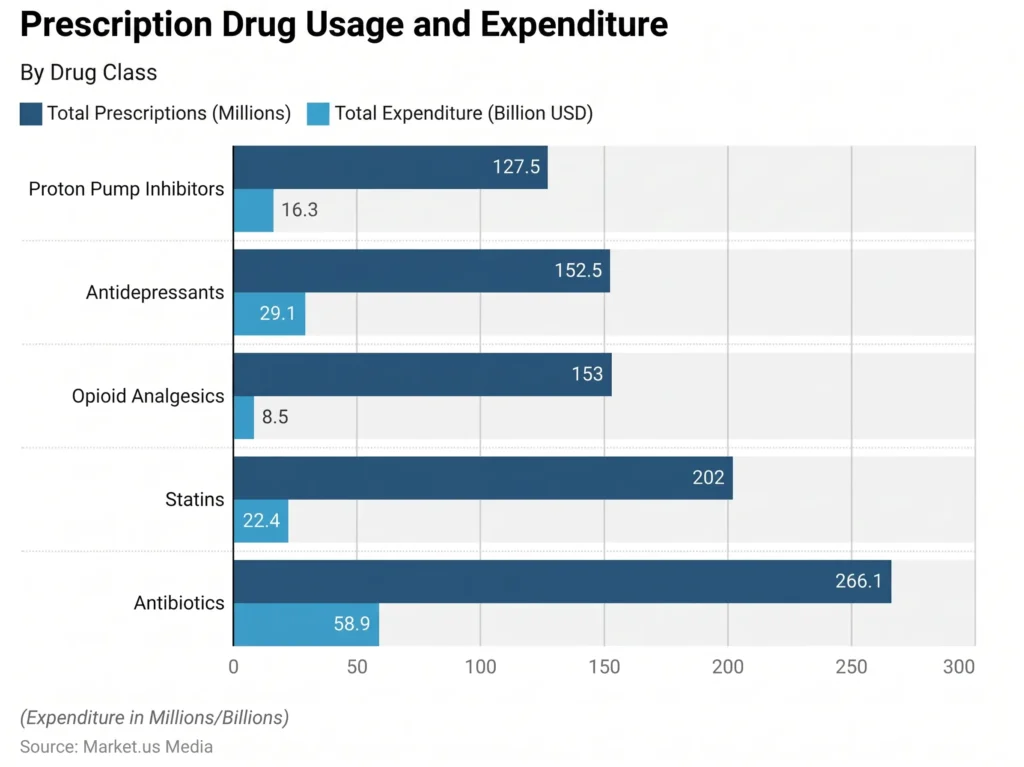
Prescription Drug Statistics 2025 By Analysis, Medication, Usage, Yardi S., Updated · Jan 13, 2025, https://media.market.us/prescription-drug-statistics/
The scale of PPI utilization is striking: the UK issued over 35 million PPI prescriptions in 2022–2023, approximately 8.6% of American adults were using PPIs by 2017–2018, and Germany alone dispensed roughly 2.87 billion PPI tablets during 2020–2021. These figures underscore the substantial role PPIs have come to play in contemporary medical practice. 2 However, mounting evidence reveals serious long-term health risks associated with their widespread long-term use.
How PPIs Work and Their Primary Problems
PPIs block brain signals that trigger stomach acid production. This creates two fundamental issues:
- Dependency: Patients must continue using PPIs to maintain low acid levels
- Disrupted communication: PPIs interfere with the brain-stomach feedback system, preventing proper acid regulation during meals.
This disruption impairs normal digestion and increases risks for multiple serious conditions including gastric cancer, pneumonia, C. difficile infections, bone loss, and vitamin B12 deficiency. 3
Hospital Misuse Crisis
Research shows widespread inappropriate PPI use in hospitals. Studies reveal that 60% of ICU patients transferred to wards continue unnecessary acid suppression therapy, often continuing after discharge. This overuse extends to outpatients, with approximately 50% of chronic PPI users lacking proper medical indications. 4 5
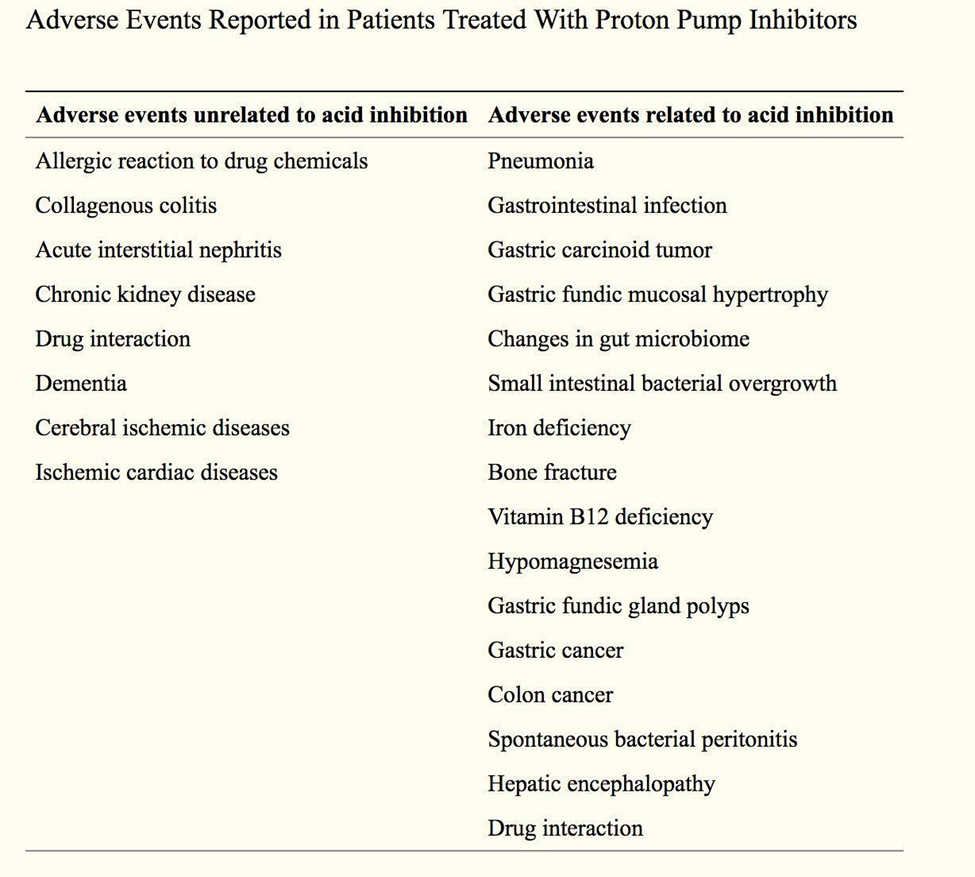
Major Health Risks
Gut Microbiome Disruption
Long-term PPI use significantly alters gut bacteria composition, reducing beneficial microbes and increasing harmful ones. Studies show decreased microbial diversity and reduced butyrate concentrations, particularly concerning in elderly patients. These changes may explain increased infection risks and other adverse effects. 6 7 8 9 10 11 12
Bone Fractures
Multiple studies demonstrate increased fracture risk with PPI use:
- Hemodialysis patients: 22% higher bone fracture risk, 35% higher hip fracture risk 13
- Children: 11% increased fracture risk, with higher risks for longer-term use 14
- Risk increases with duration and frequency of use
Cancer Risks
Gastric Cancer: PPI use after H. pylori eradication more than doubles gastric cancer risk. Risk increases dramatically with duration:
General Cancer Death Risk: Long-term users show 17% increased death risk compared to H2 blocker users, with roughly 45 excess deaths per 1,000 PPI users. 17
Reduced Cancer Treatment Efficacy: PPIs significantly impair multiple cancer therapies:
- Immunotherapy: Reduced effectiveness of checkpoint inhibitors due to altered gut microbiome 18 19 20 21 22 23
- Chemotherapy: Impaired absorption and efficacy of oral cancer drugs like capecitabine and pazopanib 24 25 26 27
- Breast cancer treatment: Doubled risk of progression with palbociclib, shortened survival with pembrolizumab 28 29
Respiratory and Neurological Effects
- Pneumonia: Increased risk, especially in elderly, due to a lack of stomach acid’s bactericidal effects 30 31 32
- Dementia: 44% increased risk in elderly patients through multiple potential mechanisms. 33 34
- Cognitive impairment: Memory and concentration problems in breast cancer survivors 35
Cardiovascular and Metabolic Risks
- Hypertension: 17% increased risk in postmenopausal women, with risk rising to 28% after 3+ years of use. 36
- Type 2 Diabetes: 24% increased risk with regular use, 26% increase after 2+ years. 37
Other Serious Complications
- Nutrient deficiencies: Magnesium, vitamin B12, iron, and calcium malabsorption 38 39 40 41 42
- Kidney disease: Increased chronic kidney disease risk 43 44 45 46
- Infections: Higher rates of C. difficile and other enteric infections 47
- Headaches: 70% increased migraine risk 48
- COVID-19: Increased infection risk with daily use 49
Drug Interactions
PPIs interfere with numerous medications by altering stomach pH and affecting drug absorption. Notable interactions include reduced effectiveness of:
- Antiplatelet drugs (clopidogrel)
- Antifungal medications (ketoconazole)
- HIV drugs (atazanavir)
- Various oral cancer therapies 50
Clinical Recommendations
Given these extensive risks, healthcare providers should:
- Limit duration: Use PPIs for shortest time necessary
- Provide regular reassessment: Continuously evaluate need for continued therapy
- Consider alternatives: Botanical medicine (Digest Mend and Peps Aid by Natura Health Products), and H2 receptor antagonists may be safer options
- Monitor high-risk patients: Especially: elderly, cancer patients, and those on long-term therapy
- Educate Patients: Inform patients about risks and proper discontinuation strategies
Withdrawal Challenges
PPIs are notoriously difficult to discontinue due to rebound acid hypersecretion—like removing a dam, suppressed acid “floods” the system, causing severe symptom return. This creates a cycle of dependency that requires careful medical supervision to break. 51
A Counterintuitive Solution
A key to understanding reflux lies in the lower esophageal sphincter (LES), a muscular valve separating the esophagus from the stomach. It is designed to remain closed except during swallowing, preventing stomach contents from refluxing upward. Proper LES tone depends in part on a low stomach pH (high acidity). This suggests that GERD and heartburn are often linked to too little stomach acid, not too much.
Despite this, many people rely on antacids, baking soda, or PPIs, which further reduce acidity and may worsen the problem by weakening LES tone. Individuals with low stomach acid, especially older adults, may experience reflux due to impaired digestion and reduced LES function.
When stomach pH remains low (about 1.5–3.0), it stimulates gastrin release, which increases LES tightness. The vagus nerve and enteric nervous system also depend on acidity signals to regulate this function. When pH rises above 4 (not acidic enough), LES tone may decrease, allowing reflux and heartburn symptoms.
This relationship is supported by research. A study in Gut showed that acid infusion increased LES pressure, while PPIs reduced tone and delayed gastric emptying 52. Gastrin, released in response to low pH, plays a key role in LES contraction 53. Clinical observations also show reflux can persist or worsen in patients with low gastric acid, particularly with excessive acid suppression 54 55.
Simple Ways to Increase Digestion and Acid Production Include
- Participate in your own meal preparation whenever possible: (Over ⅓ of your stomach acid production is triggered by the sight, smell, taste, thought, or even the anticipation of food.)
- Relax, take deep breaths, and say a prayer of gratitude before meals: to shift your nervous system into the parasympathetic “rest and digest” mode. (Avoid eating large meals when under intense stress, as the “fight or flight” response slows digestive function.)
- Minimize drinking liquids with meals: as this can dilute stomach acid and enzymes, potentially contributing to indigestion.
- Digestive bitters: stimulate the natural production of acid, digestive enzymes, and other digestive aids.
- Combine 1 tablespoon each of apple cider vinegar, fresh lemon juice, and raw honey with a teaspoon of fresh ginger paste: in a small glass of water and sip before and/or during meals.
- Organic green papaya powder mixed with powdered carminative herbs: such as cardamom, orange peel, ginger, and cinnamon—provide digestive enzymes, warm the stomach, improve digestion and assimilation, and reduce gas and bloating.
- I also recommend two of my formulations: one for gut health and digestion, and another as a soothing post-meal digestive formula based on the classic Eclectic formula “Glyconda.”
Botanical and Nutritional Support for Gastric Health
Botanical medicines and natural compounds have been utilized for centuries to support digestive health, offering therapeutic benefits through multiple mechanisms including mucosal protection, anti-inflammatory activity, antimicrobial effects, and tissue repair. These natural agents work synergistically with the body’s inherent healing processes to maintain gastric homeostasis, protect the epithelial lining, and support the integrity of the gastrointestinal barrier. Modern research continues to validate traditional uses while elucidating the biochemical mechanisms underlying their efficacy. The following herbs and nutrients represent evidence-based options for comprehensive gastric support, each offering unique properties that address different aspects of digestive health.
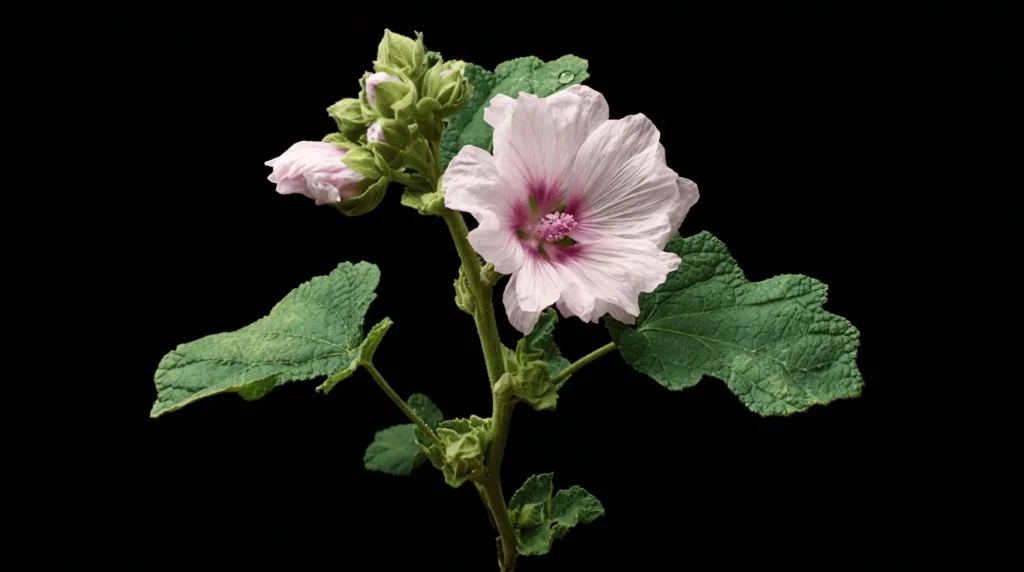
Marshmallow Root (Althaea officinalis)
Marshmallow root has been employed in traditional medicine systems across Europe and the Middle East for thousands of years as a demulcent (soothing and softening) and protective agent for inflamed mucous membranes. The therapeutic activity of marshmallow root is attributed to its high mucilage (soluble fiber) content, consisting of polysaccharides that form a protective coating over the gastric and intestinal epithelium. Research demonstrates that aqueous extracts and polysaccharides from marshmallow root stimulate epithelial cell physiology and promote cellular internalization, supporting tissue repair and regeneration56 57. Studies have confirmed significant anti-inflammatory effects, with the aqueous extract showing the ability to reduce inflammatory markers and support mucosal healing. It is particularly valuable for soothing irritated tissues of the gastrointestinal system and urinary tract, providing symptomatic relief while supporting the underlying healing process 58 59.

Chamomile (Matricaria chamomilla)
Chamomile has been treasured throughout history as one of the most widely used medicinal plants, with documented use dating back to ancient Egypt, Greece, and Rome for its calming and digestive properties. This gentle yet effective botanical has traditionally been employed to support digestive health and reduce anxiety, making it particularly valuable for stress-related gastrointestinal complaints. Chamomile exerts protective effects against alcohol-induced gastric damage, suggesting gastroprotective mechanisms that help preserve mucosal integrity. The soothing properties of chamomile on the gastric mucosa are attributed to its rich content of bioactive compounds, including apigenin and other flavonoids that possess both anti-inflammatory and anxiolytic properties. The dual action of chamomile—addressing both the physical irritation of the gastric lining and the nervous system component of digestive distress—makes it an invaluable herb for comprehensive digestive support, particularly in conditions where stress and anxiety contribute to gastrointestinal symptoms60 61 62 63 64.
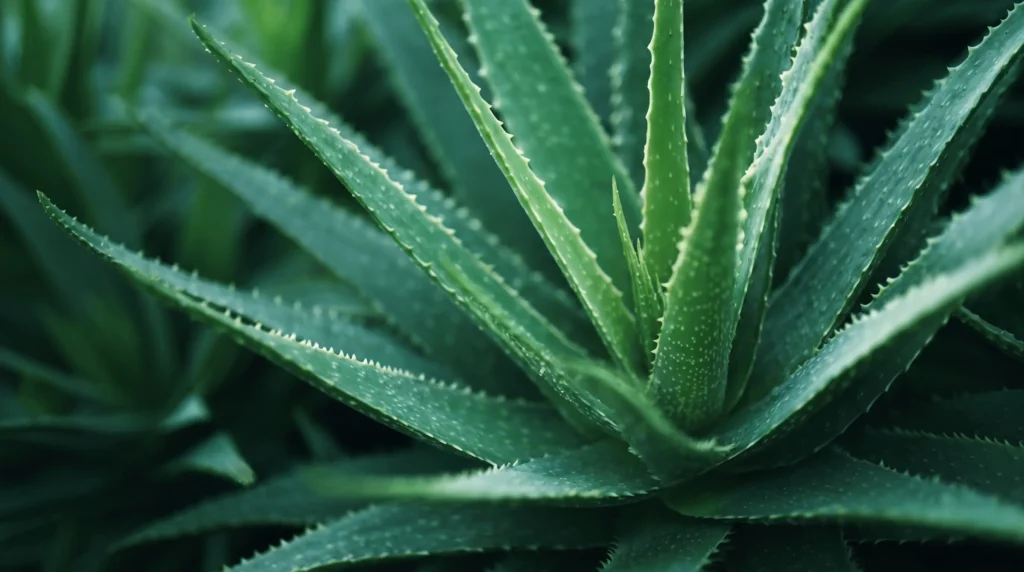
Aloe Vera Gel (Aloe barbadensis)
Aloe vera has been revered for millennia across diverse cultures for its remarkable healing properties, with historical use documented in ancient Egyptian, Greek, Chinese, and Ayurvedic medical traditions. The clear gel extracted from the inner leaf of the aloe plant is particularly rich in polysaccharides, including acemannan, which contribute to its therapeutic effects on the gastrointestinal system. Experimental studies have demonstrated significant anti-ulcer potential, with research showing that aloe vera gel promotes healing in chronic ulcers and protects against gastric damage. Evidence supports aloe vera for various gastrointestinal conditions, highlighting its ability to modulate inflammation and support tissue repair. Clinical trial evidence has further validated these traditional uses, demonstrating efficacy in reducing symptoms of gastroesophageal reflux disease, suggesting that aloe vera gel can provide meaningful relief for patients with GERD while supporting the healing of damaged esophageal and gastric tissues. The combination of anti-inflammatory, wound-healing, and mucosal-protective properties makes aloe vera gel a valuable component of integrative protocols for gastric health 65 66 67 68 69 70 71.
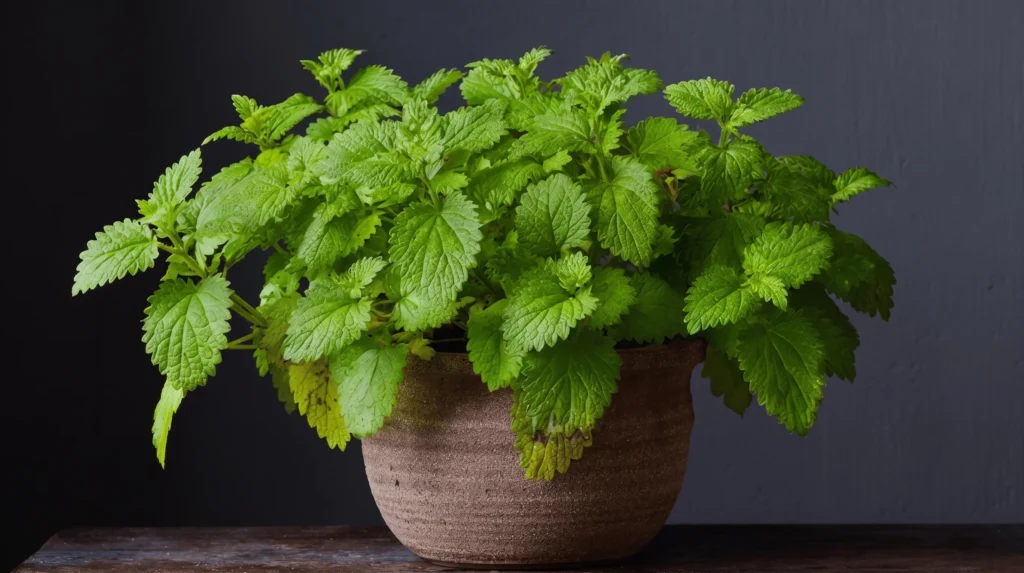
Lemon Balm Leaf (Melissa officinalis)
Lemon balm, a member of the mint family with a pleasant lemony aroma, has been cultivated and used medicinally since ancient times, with traditional applications including digestive complaints, nervous tension, and gastritis. This aromatic herb has been particularly valued in European herbal medicine for its ability to calm both the digestive system and the nervous system simultaneously. Modern clinical research has validated these traditional uses, with double-blind trials demonstrating that lemon balm is effective in the treatment of functional dyspepsia, a common condition characterized by upper abdominal discomfort, bloating, and early satiety. The therapeutic mechanisms of lemon balm include antispasmodic properties that promote smooth muscle relaxation in the gastrointestinal tract, helping to relieve cramping and discomfort. Additionally, lemon balm exhibits significant antioxidant activity, which may contribute to its protective effects on the gastric mucosa by reducing oxidative stress and supporting cellular health. The combination of antispasmodic, anxiolytic, and antioxidant properties makes lemon balm particularly valuable for patients whose digestive symptoms are exacerbated by stress or who experience functional gastrointestinal disorders 72 73 74 75 76 77 78 79 80 81.

Mastic Gum (Pistacia lentiscus)
Mastic gum, derived from the resin of the Pistacia lentiscus tree native to the Greek island of Chios, has been prized since ancient times by Egyptians, Greeks, and Romans for its medicinal properties. This aromatic resin has been used traditionally to treat gastrointestinal disorders for several thousand years, with historical applications including digestive complaints, peptic ulcers, and oral health. The resin ducts in the Pistacia lentiscus tree develop a unique structure that produces the characteristic therapeutic compounds. Modern clinical research has validated these traditional uses, with randomized pilot studies demonstrating that mastic gum exerts beneficial effects on Helicobacter pylori, the bacterium implicated in gastric ulcers and chronic gastritis 82. The antimicrobial, anti-inflammatory, and gastroprotective properties of mastic gum make it a valuable therapeutic agent for maintaining gastric health and addressing H. pylori-related conditions 83 84 85 86 87 88 89 90 91 92 93.
(D)-Limonene: A Natural Solution for Digestive Health
D-limonene, a natural compound found in citrus peels (orange, lemon, lime, and grapefruit), has shown promise in relieving heartburn and GERD. Clinical studies demonstrate strong results: in one trial with 19 chronic heartburn sufferers, 32% experienced significant relief within two days of taking 1,000 mg daily or every other day, and by day 14, 89% achieved complete symptom relief. A follow-up placebo-controlled study confirmed these findings, with 86% of users experiencing complete relief by day 14, compared to 29% in the placebo group. The best results appear after a 10-capsule regimen over two weeks. D-limonene works by coating the stomach wall, protecting the mucosal lining from gastric acid, and supporting digestive motility 94. This approach offers an alternative for those seeking relief without relying solely on conventional medications.
Beyond heartburn relief, d-limonene demonstrates anti-inflammatory effects throughout the digestive tract. In animal studies, 10 mg/kg reduced intestinal inflammation comparable to ibuprofen and lowered TNF-α levels. The compound strengthens the intestinal barrier and blocks inflammatory signaling pathways that damage gut tissue. Human studies reinforce these benefits: elderly adults supplemented for 56 days experienced reductions in IL-6 and other inflammatory markers. These effects suggest d-limonene may support long-term digestive health and reduce chronic inflammation naturally 95.
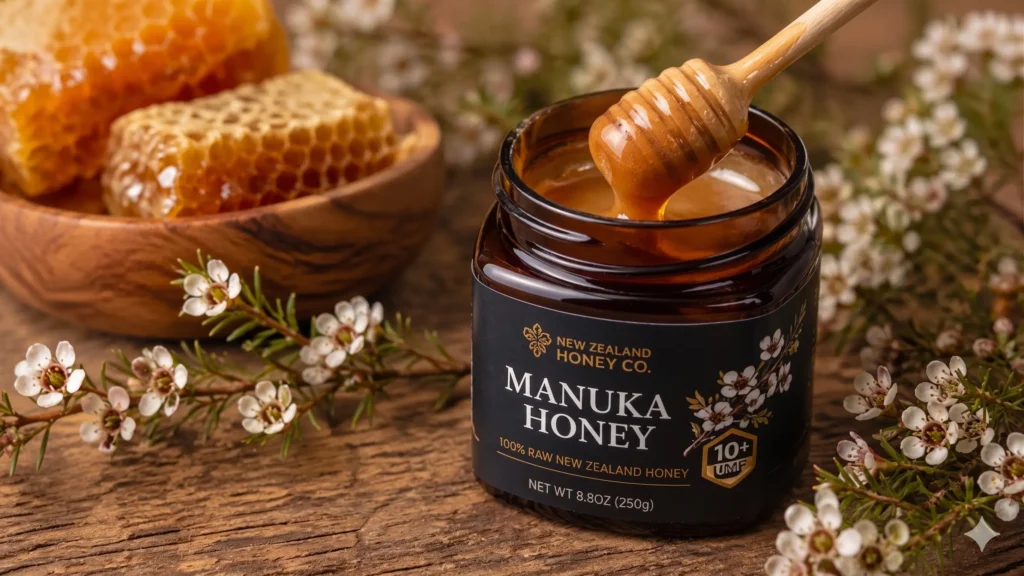
Manuka Honey
Manuka is a unique, dark honey produced by bees that pollinate the Leptospermum scoparium plant, native to New Zealand and Australia. This distinctive honey has been used therapeutically by indigenous populations and has gained significant scientific attention for its exceptional antimicrobial and healing properties. The therapeutic activity of manuka honey is attributed to its high content of methylglyoxal (MGO), a compound identified through the isolation of leptosin, a novel glycoside that serves as a chemical marker distinguishing manuka honey from other varieties. Research has demonstrated that methylglyoxal pretreatment can inhibit gastric mucosal damage in experimental models, suggesting gastroprotective mechanisms. Clinical trials have confirmed the efficacy of topical honey application in reducing radiation-induced mucositis, demonstrating its ability to support mucosal healing and reduce inflammation in damaged tissues. The antimicrobial properties of manuka honey, combined with its wound-healing and anti-inflammatory effects, make it particularly valuable for supporting gastric health and addressing mucosal damage 96 97 98 99 100 101 102 103.
Sodium Alginate
Sodium alginate, a natural polysaccharide derived from brown seaweed, has emerged as an important therapeutic agent for gastric health, particularly in the management of gastroesophageal reflux and H. pylori eradication. Alginate-raft formulations work by forming a physical barrier that floats on top of gastric contents, preventing acid reflux into the esophagus and protecting the esophageal mucosa from acid exposure. Comprehensive reviews of alginate-raft formulations have established their efficacy in treating heartburn and acid reflux, with clinical studies demonstrating significant symptomatic improvement and mucosal protection. Beyond its mechanical barrier function, research has shown that sustained-release liquid preparations using sodium alginate can enhance the eradication of Helicobacter pylori when used as part of combination therapy. The ability of sodium alginate to form protective hydrogels makes it valuable not only for immediate symptom relief but also for supporting the healing of damaged gastric and esophageal tissues 104 105.
Glutamine
Glutamine, classified as a conditionally essential amino acid, becomes critically important during periods of physiological stress, illness, or increased metabolic demand. While the body can synthesize glutamine under normal conditions, requirements may exceed endogenous production during times of gastrointestinal stress, making supplementation therapeutically valuable. Glutamine serves as the primary fuel source for enterocytes (intestinal epithelial cells) and plays crucial roles in maintaining intestinal barrier integrity, supporting immune function, and facilitating tissue repair. Research has demonstrated that glutamine supplementation enhances immune function and supports the maintenance of intestinal permeability, with studies showing its ability to regulate tight junction proteins and prevent increased intestinal permeability. Clinical investigations have established glutamine’s role in regulating intestinal permeability, with evidence supporting its use in conditions characterized by compromised barrier function. The multifaceted benefits of glutamine—including support for epithelial cell metabolism, enhancement of mucosal immunity, maintenance of tight junction integrity, and promotion of tissue repair—make it an essential component of comprehensive gastric and intestinal support protocols 106 107 108 109 110 111.
Zinc Carnosine
Zinc supplementation, primarily in the form of zinc carnosine (Polaprezinc), has been used therapeutically for gastric ulcer treatment. Zinc carnosine is a specific antiulcer agent and chelating compound composed of a zinc ion complexed with L-carnosine, a β-alanine dipeptide, and L-histidine. A key mechanism underlying zinc’s therapeutic potential across multiple gastrointestinal diseases appears to be its enhancement of gastrointestinal epithelial barrier function. Zinc carnosine supplementation has demonstrated protective effects on mucosal cells against various noxious stimuli. Additionally, zinc carnosine exhibits specific protective effects on gastric mucosa against H. pylori infection 112 113 114.
Conclusion
While acid-blocking proton pump inhibitors can effectively treat acid-related conditions short-term, their long-term use carries substantial health risks affecting multiple organ systems. The widespread overuse in both hospital and outpatient settings demands urgent attention. Healthcare providers must carefully weigh benefits against risks, use the shortest effective duration, and consider safer alternatives when possible.
The evidence supports more judicious PPI prescribing practices to prevent serious adverse effects documented in the medical literature. If you have been prescribed PPIs and have been taking them for longer than 6 months, talk with your doctor about options to taper the dose, switch medication classes, or use diet, lifestyle, and herbal therapies to address underlying causes.
This integrative approach recognizes that optimal gastric health requires attention to multiple factors: protection of the mucosal lining, microbial balance, inflammation reduction, stress response modulation, healthy stomach acid levels, and tissue repair. By combining natural agents and lifestyle strategies, practitioners and individuals can address the multifactorial nature of gastric disorders while supporting the body’s innate healing mechanisms.

- Yoshikazu Kinoshita, Norihisa Ishimura, and Shunji Ishihara, Advantages and Disadvantages of Long-term Proton Pump Inhibitor Use, J Neurogastroenterol Motil. 2018 Apr; 24(2): 182–196., Published online 2018 Apr 1. doi: 10.5056/jnm18001
- Andrawes M, Andrawes W, Das A, Siau K. Proton Pump Inhibitors (PPIs)-An Evidence-Based Review of Indications, Efficacy, Harms, and Deprescribing. Medicina (Kaunas). 2025 Aug 31;61(9):1569. doi: 10.3390/medicina61091569.
- Weintraub, Karen, Do PPIs have long-term side effects?, (March 18, 2016), Harvard Health Publications. Studies Link Some Stomach Drugs to Possible Alzheimer’s Disease and Kidney Problems – Scientific American, February 1, 2017
- Cook, Deborah M.D., Guyatt, Gordon M.D. Prophylaxis against Upper Gastrointestinal Bleeding in Hospitalized Patients, June 28, 2018 N Engl J Med 2018; 378:2506-2516, DOI: 10.1056/NEJMra1605507
- Michael Hochman, MPH, MD, and Pieter Cohen MD., Slow Medicine: Discontinuing PPIs, August 08, 2018, Medpage Today
- Yoshikazu Kinoshita, Norihisa Ishimura, and Shunji Ishihara, Advantages and Disadvantages of Long-term Proton Pump Inhibitor Use, J Neurogastroenterol Motil. 2018 Apr; 24(2): 182–196., Published online 2018 Apr 1. doi: 10.5056/jnm18001
- Lee SM, Kim N, Nam RH, Park JH, Choi SI, Park YT, Kim YR, Seok YJ, Shin CM, Lee DH. Gut microbiota and butyrate level changes associated with the long-term administration of proton pump inhibitors to old rats. Sci Rep. 2019 Apr 29;9(1):6626. doi: 10.1038/s41598-019-43112-x.
- Fusaro M, D’Arrigo G, Pitino A, Iervasi G, Tentori F, Robinson B, Aghi A, Bieber B. Increased risk of bone fractures in hemodialysis patients treated with proton pump inhibitors in real world: results from the Dialysis Outcomes and Practice Patterns Study (DOPPS), J Bone Miner Res. 2019 Jul 31. doi: 10.1002/jbmr.3842.
- Estborn L, Joelson S., Occurrence of community-acquired respiratory tract infection in patients receiving esomeprazole: retrospective analysis of adverse events in 31 clinical trials. Drug Saf. 2008; 31(7):627-36.
- Filion KB, Chateau D, Targownik LE, et al. Proton pump inhibitors and the risk of hospitalisation for community-acquired pneumonia: replicated cohort studies with meta-analysis. Gut. 2014;63:552–558. doi: 10.1136/gutjnl-2013-304738.
- Liu W, Baker SS, Trinidad J, et al. Inhibition of lysosomal enzyme activities by proton pump inhibitors. J Gastroenterol. 2013;48:1343–1352. doi: 10.1007/s00535-013-0774-5.
- Haenisch B, von Holt K, Wiese B, et al. Risk of dementia in elderly patients with the use of proton pump inhibitors. Eur Arch Psychiatry Clin Neurosci. 2015;265:419–428. doi: 10.1007/s00406-014-0554-0.
- Willy Gomm, PhD; Klaus von Holt,MD, PhD; Friederike Thom., MSc; Karl Broich, MD;Wolfgang Maier, MD; Anne Fink, MSc; Gabriele Doblhammer, PhD; Britta Haenisch, PhD., Association of Proton Pump Inhibitors With Risk of Dementia A Pharmacoepidemiological Claims Data Analysis, JAMA Neurol. 2016;73(4):410-416. doi:10.1001/jamaneurol.2015.4791, Published online February 15, 2016.
- Tran-Duy, An, et. al., Use of Proton Pump Inhibitors and Risks of Fundic Gland Polyps and Gastric Cancer: Systematic Review and Meta-analysis, Clinical Gastroenterology and Hepatology 2016;14:1706–1719
- Brooks, Megan, Long-term PPI Use Tied to Doubled Risk for Gastric Cancer Medscape Oct 31, 2017. From Ka Shing Cheung, et. al., Long-term proton pump inhibitors and risk of gastric cancer development after treatment for Helicobacter pylori: a population-based study, Aliment Pharmacol Ther. 2016;43:7382.
- Sun J, Ilich AI, Kim CA, Chu MP, Wong GG, Ghosh S, Danilak M, Mulder KE, Spratlin JL, Chambers CR, Sawyer MB. Concomitant Administration of Proton Pump Inhibitors and Capecitabine is Associated With Increased Recurrence Risk in Early Stage Colorectal Cancer Patients. Clin Colorectal Cancer. 2016 Sep;15(3):257-63. doi: 10.1016/j.clcc.2015.12.008. Epub 2015 Dec 28.
- Brooks, Megan, High Risk for Interactions With New Oral Anticancer Agents Medscape Oct 27, 2016.
- Chu MP, Hecht JR, Slamon D, Wainberg ZA, Bang YJ, Hoff PM, Sobrero A, Qin S, Afenjar K, Houe V, King K, Koski S, Mulder K, Hiller JP, Scarfe A, Spratlin J, Huang YJ, Khan-Wasti S, Chua N, Sawyer MB. Association of Proton Pump Inhibitors and Capecitabine Efficacy in Advanced Gastroesophageal Cancer: Secondary Analysis of the TRIO-013/LOGiC Randomized Clinical Trial. JAMA Oncol. 2017 Jun 1;3(6):767-773. doi: 10.1001/jamaoncol.2016.3358.
- European Medicines Agency. Opdivo: Annex 1: Summary of Product Characteristics. 2015
- Vétizou M, Pitt JM, Daillère R, et al. Anticancer immunotherapy by CTLA-4 blockade relies on the gut microbiota, Science. 2015 Nov 27;350(6264):1079-84. doi: 10.1126/science.aad1329.
- Sivan A, Corrales L, Hubert N, et al. Commensal Bifidobacterium promotes antitumor immunity and facilitates anti-PD-L1 efficacy. Science. 2015 Nov 27;350(6264):1084-9. doi: 10.1126/science.aac4255.
- Iida N, Dzutsev A, Stewart CA, et al. Commensal bacteria control cancer response to therapy by modulating the tumor microenvironment, Science. 2013 Nov 22;342(6161):967-70. doi: 10.1126/science.1240527.
- Charlie T Seto, Patricio Jeraldo, Robert Orenstein, Nicholas Chia, John K DiBaise. Prolonged use of a proton pump inhibitor reduces microbial diversity: implications for Clostridium difficile susceptibility. Microbiome, 2014; 2 (1): 42 DOI: 10.1186/2049-2618-2-42
- Eusebi LH, Rabitti S, Artesiani ML, et al. PROTON PUMP INHIBITORS: RISKS OF LONG-TERM USE, J Gastroenterol Hepatol. 2017 Jan 16. doi: 10.1111/jgh.13737.
- Sivakumar J. Proton pump inhibitor-induced hypomagnesaemia and hypocalcaemia: case review. Int J Physiol Pathophysiol Pharmacol. 2016 Dec 25;8(4):169-174. Review.
- Sekito T, Bekku K, Katayama S, et al. Effect of antacids on the survival of patients with metastatic urothelial carcinoma treated with pembrolizumab. Clinical Genitourinary Cancer. Published online April 17, 2024. doi:10.1016/j.clgc.2024.102097
- William JH, Danziger J. Proton-pump inhibitor-induced hypomagnesemia: Current research and proposed mechanisms. World J Nephrol. 2016 Mar 6; 5(2):152-7.
- Hoorn EJ, van der Hoek J, de Man RA, Kuipers EJ, Bolwerk C, Zietse R., A case series of proton pump inhibitor-induced hypomagnesemia. Am J Kidney Dis. 2010 Jul; 56(1):112-6.
- Backman L, Schmidt D, Vitols S.Lakartidningen. [Proton pump inhibitors are suspected of serious adverse effects. More cautious prescribing should be considered and on correct indications]. 2013 Apr 17-23; 110(16):828-31.
- Mezoff EA, Cohen MB. Acid suppression and the risk of Clostridium difficile infection. J Pediatr. 2013 Sep; 163(3):627-30. Epub 2013 Jun 5.
- Desbuissons G, Deray G, Mercadal L. [Proton pump inhibitors and kidney]. Nephrol Ther. 2017 Dec 20. pii: S1769-7255(17)30584-9. doi: 10.1016/j.nephro.2017.06.005.
- Ford RL, Swanson KA., Proton-Pump Inhibitors and Risk of Dementia. Consult Pharm. 2017 Nov 1;32(11):682-686. doi: 10.4140/TCP.n.2017.682.
- Min JH, Kim YS. Gut Liver. 2016 Jul 15; 10(4):493-4. Adverse effects of proton pump inhibitor drugs: clues and conclusions. McCarthy DM.Curr Opin Gastroenterol. 2010 Nov; 26(6):624-31.
- Pegoli MA, Dedigama M, Mangoni AA, Russell PT, Grzeskowiak LE, Thynne T. Proton pump inhibitors and risk of readmission and mortality in older patients discharged from a tertiary hospital to residential aged care facilities. Ther Adv Drug Saf. 2017 Apr; 8(4):137-139. Epub 2016 Nov 29.
- Imhann F, Bonder MJ, Vich Vila A, et al. Proton pump inhibitors affect the gut microbiome. Gut. 2016 May; 65(5):740-8. Epub 2015 Dec 9.
- Seto CT, Jeraldo P, Orenstein R, et al. Prolonged use of a proton pump inhibitor reduces microbial diversity: implications for Clostridium difficile susceptibility. Microbiome 2014;2:42.
- Amir I, Konikoff FM, Oppenheim M, et al. Gastric microbiota is altered in oesophagitis and Barrett’s oesophagus and further modified by proton pump inhibitors. Environ Microbiol 2014;16:2905–14.
- Rosen R, Hu L, Amirault J, et al. 16S community profiling identifies proton pump inhibitor related differences in gastric, lung, and oropharyngeal microflora. J Pediatr 2015;166:917–23.
- Freedberg DE, Toussaint NC, Chen SP, et al. Proton pump inhibitors alter specific taxa in the human gastrointestinal microbiome: a crossover trial. Gastroenterology 2015;149:883–885.e9.
- Jackson MA, et al. Proton pump inhibitors alter the composition of the gut microbiota, Gut 2016;65:749–756. doi:10.1136/gutjnl-2015-310861
- Jensen RT. Consequences of long term proton pump blockade: insights from studies of patients with gastrinomas, Basic Clin Pharmacol Toxicol. 2006 Jan;98(1):4-19.
- Yetley EA, Pfeiffer CM, Phinney KW, et al. Biomarkers of vitamin B-12 status in NHANES: a roundtable summary, Am J Clin Nutr. 2011;94:313S-321S.
- Ogawa R, Echizen H. Drug-drug interaction profiles of proton pump inhibitors, Clin Pharmacokinet. 2010 Aug;49(8):509-33. doi: 10.2165/11531320-000000000-00000.
- Olivier Mir, Nathan Touati, Michela Lia, et al. Impact of Concomitant Administration of Gastric Acid–Suppressive Agents and Pazopanib on Outcomes in Soft-Tissue Sarcoma Patients Treated within the EORTC 62043/62072 Trials, February 14, 2019 doi: 10.1158/1078-0432.CCR-18-2748
- Lysette Maurice N. Sandova, Jun 04, 2019 06:02 AM EDT, Heartburn Drugs Linked To Cancer Risks, Science Times
- DG News, Oncology, JANUARY 20, 2020, Reference: http://dx.doi.org/10.1007/s11764-019-00815-4, SOURCE: Ohio State University
- Lee J-E, et al “Concomitant use of proton pump inhibitors and palbociclib among patients with breast cancer” JAMA Netw Open 2023; DOI: 10.1001/jamanetworkopen.2023.24852.
- Cheung KS, Chan EW, Wong AY, et al Long-term proton pump inhibitors and risk of gastric cancer development after treatment for Helicobacter pylori: a population-based study Gut 2018;67:28-35.
- Yun-Han Wang, MSc, BPharm; Viktor Wintzell, MSc; Jonas F. Ludvigsson, MD, PhD; et al Association Between Proton Pump Inhibitor Use and Risk of Fracture in Children, JAMA Pediatr. Published online March 16, 2020. doi:10.1001/jamapediatrics.2020.0007
- Almario CV, et al “Increased risk of COVID-19 among users of proton pump inhibitors” Am J Gastroenterol 2020.
- Yuan J, et al “Regular use of proton pump inhibitors and risk of type 2 diabetes: results from three prospective cohort studies” Gut 2020; DOI: 10.1136/gutjnl-2020-322557.
- LBA2 – Homicsko K, RichtigG, Tuchmann F, et al. Proton pump inhibitors negatively impact survival of PD-1 inhibitor based therapies in metastatic melanoma patients.
- Margaret Slavin, PhD, Cara L. Frankenfeld, PhD, Alexander B. Guirguis, PharmD, and Elizabeth K. Seng, PhD; Use of Acid-Suppression Therapy and Odds of Migraine and Severe Headache in the National Health and Nutrition Examination Survey, June 2024 issue, https://doi.org/10.1212/CPJ.0000000000200302
- Soliman, Ahmed, et. al., Proton Pump Inhibitor Use and Incident Hypertension in Menopausal Women, Journal of the American Heart Association, Volume 14, Number 13, https://doi.org/10.1161/JAHA.124.04000
- Kahrilas, P. J., Lin, S., Chen, J., & Logemann, J. A. (1995). Oropharyngeal and esophageal interactions in gastroesophageal reflux disease. Gut, 36(3), 383–388. https://doi.org/10.1136/gut.36.3.383
- Hage-Sleiman R, Mroueh M, Daher CF. Pharmacological evaluation of aqueous extract of Althaea officinalis flower grown in Lebanon. Pharm Biol. 2011 Mar;49(3):327-33. doi: 10.3109/13880209.2010.516754. Epub 2011 Feb 1. PMID: 21281251.
- Hage-Sleiman R, Mroueh M, Daher CF. Pharmacological evaluation of aqueous extract of Althaea officinalis flower grown in Lebanon, Pharm Biol. 2011 Mar;49(3):327-33. doi: 10.3109/13880209.2010.516754. Epub 2011 Feb 1.
- Zaghlool SS, Shehata BA, Abo-Seif AA, Abd El-Latif HA, Protective effects of ginger and marshmallow extracts on indomethacin-induced peptic ulcer in rats, J Nat Sci Biol Med. 2015 Jul-Dec;6(2):421-8. doi: 10.4103/0976-9668.160026.
- Sendker J, Böker I, Lengers I, Brandt S, Jose J, Stark T, Hofmann T, Fink C, Abdel-Aziz H, Hensel A. Phytochemical Characterization of Low Molecular Weight Constituents from Marshmallow Roots (Althaea officinalis) and Inhibiting Effects of the Aqueous Extract on Human Hyaluronidase-1, J Nat Prod. 2017 Jan 27. doi: 10.1021/acs.jnatprod.6b00670.
- Ompal Singh, Zakia Khanam, Neelam Misra, Manoj Kumar Srivastava; Chamomile (Matricaria chamomilla L.): An overview, Pharmacogn Rev. 2011 Jan-Jun; 5(9): 82–95. doi: 10.4103/0973-7847.79103
- Yamada K, Miura T, Mimaki Y, et al. Effect of inhalation of Chamomile oil vapour on plasma ACTH level in ovariectomized rat under restriction stress. Biol & Pharmacol Bull. 1996;19:1244–1246.
- Zanoli P, Avallone R, Baraldi M. Behavioral characterization of the flavonoids apigenin and chrysin. Fitoterapia. 2000;71:S117–123.
- Nakazawa T, Yasuda T, Ueda J, et al. Antidepressant-like effects of apigenin and 2,4,5-trimethoxycinnamic acid from Perilla frutescens in the forced swimming test. Biol Pharm Bull. 2003;26:4.
- Reis LS, Pardo PE, Oba E, et al. Matricaria chamomilla CH12 decreases handling stress in Nelore calves. J Vet Sci. 2006;7:189–192.
- Robert A. Sinnott et.al. Utilization of Arabinogalactan, Aloe vera Gel Polysaccharides, and a Mixed Saccharide Dietary Supplement by Human Colonic Bacteria In Vitro. INTERNATIONAL JOURNAL OF PROBIOTICS AND PREBIOTICS, Volume 2, Number 2/3, pp. 97-104 (2007)
- Shokraneh M, Ghalamkari G, Toghyani M, Landy N. Influence of drinking water containing Aloe vera (Aloe barbadensis Miller) gel on growth performance, intestinal microflora, and humoral immune responses of broilers. Vet World. 2016 Nov;9(11):1197-1203.
- Panahi Y, Khedmat H, Valizadegan G, Mohtashami R, Sahebkar A. Efficacy and safety of Aloe vera syrup for the treatment of gastroesophageal reflux disease: a pilot randomized positive-controlled trial. J Tradit Chin Med. 2015 Dec;35(6):632-6.\
- Subramanian, S., Kumar, D.S., Arulselvan, P., Senthilkumar, G.P., Rao, U.S.M., 2007. Evaluation of anti-ulcerogenic potential of Aloe vera leaf gel extract studied in experimental rats. J. Pharmacol. Toxicol. 2, 85–97.
- Avijgan M, Kamran A, Abedini A. Effectiveness of Aloe Vera Gel in Chronic Ulcers in Comparison with Conventional Treatments. Iran J Med Sci. 2016 May;41(3):S30.
- Heggers J.P, Pineless G.R, Robson M.C. Dermaide Aloe/Aloe vera gel comparison of the antimicrobial effects. J. Am. Med. Technol. 1979;41:293–294.
- Shilpakala S.R, Prathiba J, Malathi R. Susceptibilities of Escherichia coli and Staphylococcus aureus to Aloe barbadensis. Eur. Rev. Med. Pharmacol. 2009;13:461–464.
- Blumenthal M, Goldberg A, Brinckmann J. Herbal Medicine: Expanded Commission E Monographs. Newton, MA: Integrative Medicine Communications; 2000:230-232.”Monograph: Lemon Balm”. Health Canada. 17 March 2008. Retrieved Feb. 1, 2017.
- EMEA 2007. European Medicines Agency. Community Monograph on . London (UK): EMEA Committee on Herbal Medicinal Products (HMPC), 31 October 2007. Accessed 02-03-17. http://www.emea.europa.eu/pdfs/human/hmpc/melissae_folium/534107enfin.pdf
- Hiller, Sabine (September 6, 2010). “FOOD Using lemon balm in the kitchen”. The Mayo News. Retrieved May 2, 2012.
- Mazzanti G, Battinelli L, Pompeo C, et al. Inhibitory activity of Melissa officinalis L. extract on Herpes simplex virus type 2 replication. Nat Prod Res. 2008;22(16):1433-40.
- Zorić Z, Markić J, Pedisić S, Bučević-Popović V, Generalić-Mekinić I, Grebenar K, Kulišić-Bilušić T. Stability of Rosmarinic Acid in Aqueous Extracts from Different Lamiaceae Species after in vitro Digestion with Human Gastrointestinal Enzymes. Food Technol Biotechnol. 2016 Mar;54(1):97-102.
- Madisch A, Holtmann G, Mayr G, Vinson B, Hotz J. Treatment of functional dyspepsia with a herbal preparation. A double-blind, randomized, placebo-controlled, multicenter trial. Digestion. 2004;69(1):45-52.
- Kennedy DO, Scholey AB. The psychopharmacology of European herbs with cognition-enhancing properties., Curr Pharm Des. 2006;12(35):4613-23.
- Kennedy DO, Scholey AB, Tildesley NT, Perry EK, Wesnes KA. Attenuation of laboratory-induced stress in humans after acute administration of Melissa officinalis (Lemon Balm). Psychosom Med. 2004 Jul-Aug;66(4):607-13.
- Kennedy DO, Wake G, Savelev S, et al., Modulation of mood and cognitive performance following acute administration of single doses of Melissa officinalis (Lemon balm) with human CNS nicotinic and muscarinic receptor-binding properties. Neuropsychopharmacology. 2003;28(10):1871-81.
- Scholey A, Gibbs A, Neale C, Perry N, Ossoukhova A, Bilog V, Kras M, Scholz C, Sass M, Buchwald-Werner S. Anti-stress effects of lemon balm-containing foods. Nutrients. 2014 Oct 30;6(11):4805-21. doi: 10.3390/nu6114805.
- Fass, R., Tougas, G., & Snape, W. J. (2000). Acid reflux and the role of the lower esophageal sphincter. Current Treatment Options in Gastroenterology, 3(4), 287–294. https://doi.org/10.1007/s11938-000-0061-0
- Dabos KJ , Sfika E, Vlatta LJ, Giannikopoulos G. The effect of mastic gum on Helicobacter pylori: a randomized pilot study, Phytomedicine. 2010 Mar;17(3-4):296-9. doi: 10.1016/j.phymed.2009.09.010. Epub 2009 Oct 29.
- Riddle JM. History as a tool in identifying “new” old drugs. In Buslig B, Manthey J, eds. Flavonoids in Cell Function, pp 89-94. Kluwer/Academic/Plenum Publishers, New York, 2002.
- Paraschos S, Mitakou S, Skaltsounis AL. Chios gum mastic: A review of its biological activities. Curr Med Chem. 2012;19(14):2292-302. Review.
- Dabos KJ, Sfika E, Vlatta LJ, Giannikopoulos G. The effect of mastic gum on Helicobacter pylori: a randomized pilot study. Phytomedicine. 2010 Mar;17(3-4):296-9. doi: 10.1016/j.phymed.2009.09.010.
- Miyamoto T, Okimoto T, Kuwano M. Chemical Composition of the Essential Oil of Mastic Gum and their Antibacterial Activity Against Drug-Resistant Helicobacter pylori. Nat Prod Bioprospect. 2014 Aug;4(4):227-31. doi: 10.1007/s13659-014-0033-3.
- Maron, P.; Bono, L.; Leone, E.; Bona, S.; Carretto, E.; Perversi, L. Bactericidal Activity of Pictacia lentiscus Mastic Gum against Helicobacter pylori. J. Chemother. 2001, 13, 611-614.
- Sharifi, M.S.; Vagg, W.J.; Hazell, S.L. Characterization of mastic gum in relation to anti- Helicobacter pylori activity. J. World Chem. 2001, 560.
- Paraschos, S.; Magiatis, P.; Mitakou, S.; Petraki, K.; Kalliaropoulos, A.; Maragkoudakis, P.; Mentis, A.; Sgouras, D.; Skaltsounis, A. L. In Vitro and In Vivo Activities of Chios Mastic Gum Extracts and Constituents against Helicobacter pylori. Antimicrob. Agents Chemother. 2007, 51, 551.
- Seoane, E. Further Crystalline Composition of Gum Mastic. J. Chem. Soc. 1954, 887, 4158-4160. Ebrahimi, D.; Sharifi, M.S.; Hazell, S.L.; Hibbert, B.D. Generalized multiplicative analysis of variance of kill kinetics data of antibacterial agents, Chemom. Intell. Lab. Syst. 2008, 92, 101- 109.
- Huwez, F.U.; Al-Habbal, M.J. Mastic in Treatment of Benign Gastric Ulcers. Gastroentrol. Japan. 1986, 21, 273-274.
- Al-Said, M.S.; Ageel, A.M.; Parmer, N.S.; Tariq, M. Evaluation of Mastic, a Crude Drug obtained from Pistachio lentiscus for Gastric and Duodenal Anti-Ulcer Activity. J. Ethnopharmacol. 1986, 15, 271-278.
- Jidong Sun, D-Limonene: Safety and Clinical Applications, Alternative Medicine Review Volume 12, Number 3 2007.
- Patrizia A. d’Alessio, Rita Ostan, Oral administration of d-Limonene controls inflammation in rat colitis and displays anti-inflammatory properties as diet supplementation in humans, Life Sciences 92 (2013) 1151–1156.
- Kato Y., Umeda N., Maeda A., Matsumoto D., Kitamoto N., Kikuzaki H. Identification of a novel glycoside, leptosin, as a chemical marker of manuka honey. Journal of Agricultural and Food Chemistry. 2012;60(13):3418–3423. doi: 10.1021/jf300068w.
- Mota K. S., Dias G. E. N., Pinto M. E. F., et al. Flavonoids with gastroprotective activity. Molecules. 2009;14(3):979–1012. doi: 10.3390/molecules14030979.
- Jubri Z., Abdul Rahim N. B., Aan G. J. Manuka honey protects middle-aged rats from oxidative damage. Clinics. 2013;68(11):1446–1454. doi: 10.6061/clinics/2013(11)11.
- Tonks AJ, Cooper RA, Jones KP, Blair S, Parton J, et al. (2003) Honey stimulates inflammatory cytokine production from monocytes. Cytokine 21: 242–247.
- Fukuda M, Kobayashi K, Hirono Y, Miyagawa M, Ishida T, et al. (2009) Jungle Honey Enhances Immune Function and Antitumor Activity. Evid Based Complement Alternat Med.
- Al-Waili N.S, Haq A. Effect of honey on antibody production against thymus dependent and thymus independent antigens in primary and secondary immune responses. J Med Food. 2004;7:491–494.
- Al-Waili NS (2004) Natural honey lowers plasma glucose, C-reactive protein, homocysteine, and blood lipids in healthy, diabetic, and hyperlipidemic subjects: comparison with dextrose and sucrose. J Med Food 7: 100–107.
- Heppermann B. Towards evidence based emergency medicine: Best BETs from the Manchester Royal Infirmary Bet 3 Honey for the symptomatic relief of cough in children with upper respiratory tract infections. Emerg Med J. 2009;26:522–523.
- Tack, J., Becher, A., Mulligan, C., et al. (2018). “Alginate therapy is effective treatment for GERD symptoms: a systematic review and meta-analysis.” Neurogastroenterology & Motility, 30(11), e13391.
- Ishihara, R., Takeuchi, Y., Inoue, S., et al. (1999). “Sustained release liquid preparation using sodium alginate for eradication of Helicobacter pylori.” Biological & Pharmaceutical Bulletin, 22(1), 55-58.
- Achamrah N, Déchelotte P, Coëffier M. Glutamine and the regulation of intestinal permeability: from bench to bedside. Curr Opin Clin Nutr Metab Care. 2017 Jan;20(1):86-91.
- Wang B, Wu G, Zhou Z, Dai Z, Sun Y, Ji Y, Li W, Wang W, Liu C, Han F, Wu Z. Glutamine and intestinal barrier function. Amino Acids. 2015 Oct;47(10):2143-54. doi: 10.1007/s00726-014-1773-4. Review.
- Cao, Y. et al. 1998. Glutamine enhances gut glutathione production, JPEN J Parenter Enteral Nutr 22(4): 224-227.
- Souba, W.W. and E.M. Copeland. 1992. Cytokine modulation of Na(+)- dependant glutamine transport across the brush border membrane of monolayers of human intestinal Caco-2 cells. Ann Surg 215(5) 536-45.
- Kozar RA, Verner-Cole E, Schultz SG, Sato N, Bick RJ, Desoignie R, Poindexter BJ, Moore FA. The immune-enhancing enteral agents arginine and glutamine differentially modulate gut barrier function following mesenteric ischemia/reperfusion. J Trauma. 2004 Dec;57(6):1150-6.
- Beutheu S, Ouelaa W, Guérin C, Belmonte L, Aziz M, Tennoune N, Bôle-Feysot C, Galas L, Déchelotte P, Coëffier M. Glutamine supplementation, but not combined glutamine and arginine supplementation, improves gut barrier function during chemotherapy-induced intestinal mucositis in rats, Clin Nutr. 2014 Aug;33(4):694-701. doi: 10.1016/j.clnu.2013.09.003. Epub 2013 Sep 25.
- Matsukura, T., & Tanaka, H. (2000). “Suppression of Helicobacter pylori colonization in human gastric epithelial cells by a probiotic microorganism, Lactobacillus gasseri (OLL 2716).” Journal of Infectious and Immunity, 68(5), 2883–2889.
- Amagase, H., Peteghems, C., & Sonoda, S. (2016). “Zinc-carnosine (Polaprezinc) and gastrointestinal integrity: From bench to clinical studies.” Current Medicinal Chemistry, 23(29), 3281–3299.
- Comprehensive review of zinc carnosine’s mechanisms and clinical applications across GI diseases Zulli, A., Härtlé, D., & Delaunois, A. (2001). “Protective effect of zinc-carnosine on chemically induced colitis in mice.” Gastroenterology, 120(Suppl. 1), A571.