


By Donnie Yance
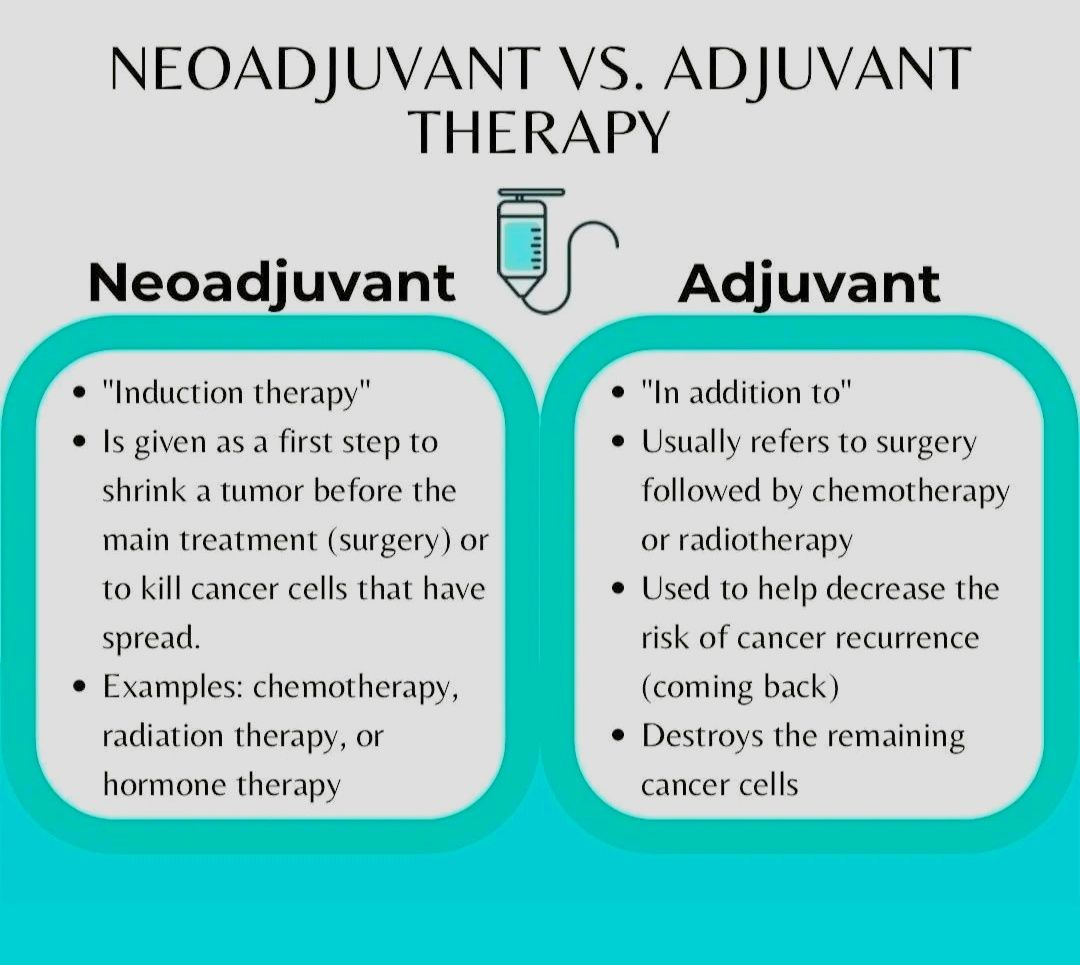
Neoadjuvant therapy refers to: the administration of systemic anticancer treatment—including chemotherapy, immunotherapy, targeted therapy, or hormone therapy—prior to definitive local treatment such as surgery or radiation therapy. This approach represents a fundamental shift from the traditional paradigm of surgery first followed by the systemic adjuvant therapy, instead prioritizing early generalized interventions to address cancer’s inherent systemic nature while the primary tumor remains in place to serve as an in vivo laboratory for assessing treatment efficacy.
Cancer is fundamentally a systemic disease, with micrometastatic disease often present even in apparently localized tumors. Traditional approaches that prioritize surgery followed by adjuvant therapy may inadvertently promote systemic cancer growth through the stress of surgical intervention and delayed systemic treatment. This paradigm has led to increased adoption of neoadjuvant therapy, the administration of systemic treatment prior to definitive local therapy across multiple cancer types.
The rationale for neoadjuvant therapy rests on three fundamental principles:
- Early systemic treatment of a systemic disease: Cancer requires immediate systemic intervention, as surgery alone may paradoxically promote distant metastatic growth.
- Assessment of therapeutic efficacy: Effective systemic therapy should produce significant tumor shrinkage, providing real-time assessment of treatment response.
- Surgical optimization: Tumor downsizing facilitates less extensive, more successful surgical procedures with improved outcomes.
This comprehensive review examines the evidence supporting neoadjuvant therapy across multiple cancer types, demonstrating its clinical benefits and supporting its increasing adoption in modern oncological practice.
Neoadjuvant Therapy in Lung Cancer
Non-Small Cell Lung Cancer (NSCLC)
The advantages of neoadjuvant therapy in lung cancer are particularly compelling given the high rates of distant recurrence following surgical resection alone. 1 A large meta-analysis of 15 randomized controlled trials involving 2,385 patients demonstrated that neoadjuvant chemotherapy followed by surgery compared to surgery alone resulted in significantly improved overall survival (HR 0.87; 95% CI, 0.78–0.96; P = .007), translating to a 5% absolute improvement in 5-year overall survival. 2
Crucially, neoadjuvant chemotherapy provided superior control of distant disease compared to adjuvant therapy, with a 10% absolute increase in freedom from distant recurrence at 5 years versus only 5% with adjuvant chemotherapy. 3 This finding strongly supports the principle that early systemic treatment of cancer’s systemic nature is paramount.
Recent developments in neoadjuvant immunotherapy have shown remarkable promise. In a pioneering study of 21 patients with operable stage I-III NSCLC treated with neoadjuvant nivolumab, 9 of 20 patients (45%) who underwent resection experienced a major pathologic response with ≤10% viable tumor remaining. 4 This dramatic tumor reduction exemplifies the second principle—that effective systemic therapy produces significant tumor shrinkage leading to easier and more effective surgery.
The NeoADAURA trial 5 provided compelling evidence for targeted therapy in the neoadjuvant setting. In patients with EGFR-mutated NSCLC, both osimertinib-containing treatments achieved a major pathologic response in approximately 25% of patients compared to only 2% with chemotherapy alone. Notably, osimertinib alone had the fewest side effects (4% severe adverse events) while providing similar efficacy to combination therapy, demonstrating the third principle of optimizing surgical candidacy.
Neoadjuvant Therapy in Breast Cancer
Neoadjuvant chemotherapy (NAC) offers potential benefits, such as enhancing the likelihood of breast conservation and broadening the scope of available surgical options. Based on how well they respond to neoadjuvant treatment, women receive a personalized prognosis evaluation. Neoadjuvant chemotherapy has proven to be very effective for breast cancer patients. 6
Hormone Receptor-Positive Disease
Even in ductal carcinoma in situ (DCIS), neoadjuvant endocrine therapy has shown significant benefits. The CALGB 40903/Alliance trial 7 demonstrated that preoperative letrozole in postmenopausal women with ER-positive DCIS resulted in median reductions of MRI volumes of 61.0% at 3 months and 71.7% at 6 months (P < .001). This substantial tumor reduction exemplifies how effective systemic therapy can dramatically downsize cancer, making surgery more feasible and less extensive.
A comprehensive meta-analysis comparing neoadjuvant endocrine therapy to neoadjuvant chemotherapy in ER-positive breast cancer found similar treatment outcomes but significantly fewer toxic side effects with endocrine therapy. 8 This supports the principle of optimizing patient condition before surgery through less toxic but equally effective systemic treatment.
Triple-Negative Breast Cancer
The BrighTNess trial, 9 a phase III study of 634 patients with triple-negative breast cancer, demonstrated that adding carboplatin to neoadjuvant paclitaxel significantly improved pathologic complete response rates from 31% with paclitaxel alone to 58% with carboplatin plus paclitaxel (P < .0001). This dramatic improvement in pathological response rates illustrates how optimized neoadjuvant regimens can achieve substantial tumor reduction, facilitating subsequent surgical management.
Neoadjuvant Therapy in Ovarian Cancer
The evolution of neoadjuvant chemotherapy in ovarian cancer provides compelling evidence for all three principles. The pooled analysis of the EORTC 55971 and CHORUS trials, 10 involving 1,220 women with advanced tubo-ovarian cancer, demonstrated that neoadjuvant chemotherapy and upfront debulking surgery resulted in similar overall survival. However, women with stage IV disease had significantly better outcomes with neoadjuvant chemotherapy (median overall survival 24.3 vs 21.2 months; HR 0.76; P = .048).
Population-based data from Queensland, Australia, showed that increasing utilization of neoadjuvant chemotherapy from 0% in 1995 to 55% in 2013 was associated with rising optimal cytoreduction rates (from 32% in 2006 to 62% in 2013) and continued improvement in 5-year survival probability to 45%. 11 This real-world evidence demonstrates how neoadjuvant therapy can simultaneously treat systemic disease while optimizing surgical outcomes.
The 2025 ASCO guidelines now strongly recommend neoadjuvant chemotherapy for patients deemed unlikely to achieve complete cytoreduction or those with high perioperative risk. 12 This reflects growing recognition that optimizing systemic treatment before surgery can improve both oncologic and surgical outcomes.
Neoadjuvant Therapy in Pancreatic Cancer
Pancreatic adenocarcinoma exemplifies the urgent need for early systemic therapy, given its aggressive nature and high propensity for systemic spread. Recent clinical trials evaluating neoadjuvant therapy (NAT) for pancreatic cancer have shown promising but variable results, with resection rates ranging from 24.4% to 95.7% and median survival from 14.9 to 41.0 months. While NAT demonstrates clear survival benefits for patients with borderline resectable disease, its broader efficacy for resectable pancreatic cancer remains undefined, as does the optimal treatment strategy, with ongoing trials examining direct comparisons between neoadjuvant and adjuvant approaches, the role of chemoradiation, and molecular-guided therapy selection. 13
The University of Pittsburgh experience comparing neoadjuvant FOLFIRINOX to gemcitabine/nab-paclitaxel in 193 patients demonstrated that FOLFIRINOX provided a 4.9-month improvement in overall survival. 14 Notably, the number of neoadjuvant cycles was the only independent predictor of survival, supporting the principle that more extensive upfront systemic therapy is beneficial.
A single-institution phase II trial of total neoadjuvant therapy with FOLFIRINOX and individualized chemoradiotherapy achieved R0 resection (no evidence of remaining cancer cells) in 65% of all patients with borderline resectable pancreatic adenocarcinoma and 97% of patients who underwent resection. 15 Among all 48 patients, median overall survival was 37.7 months, with a 2-year rate of 56%. This demonstrates how comprehensive neoadjuvant therapy can convert borderline resectable disease to optimally resectable disease while providing excellent systemic control.
Head and Neck Cancer
In head and neck cancer, longer chemoprophylaxis (≥7 days) in high-risk patients was independently associated with a 28-fold reduction in venous thromboembolism events (OR 0.04; 95% CI, 0.001-0.46). 16 While this study focused on anticoagulation, it demonstrates the importance of optimizing patient condition before and after surgery, supporting the broader principle of patient optimization inherent in neoadjuvant approaches.
Locally Advanced Basal Cell Carcinoma
The VISMONEO study demonstrated that neoadjuvant vismodegib achieved surgical downstaging in 80% of patients with locally advanced basal cell skin cancer, with 49% achieving complete clinical response. 17 This exemplifies how targeted neoadjuvant therapy can dramatically reduce tumor burden, converting complex, mutilating surgeries into more manageable procedures.
Cervical Cancer
In locally advanced cervical cancer, neoadjuvant chemotherapy before concurrent chemoradiotherapy improved treatment completion rates from 88.89% to 100% and significantly enhanced immediate complete response rates (32.69% vs 20.00%; P = .001). 18 This demonstrates how neoadjuvant therapy can optimize patients for subsequent definitive treatment while providing early systemic disease control.
Emerging Principles and Future Directions
Biomarker-Guided Neoadjuvant Therapy
The development of major pathologic response (MPR) as a surrogate endpoint has revolutionized neoadjuvant therapy assessment. Studies consistently show that achieving MPR correlates with improved long-term survival across multiple cancer types. 19, 20, 21 This validates the principle that effective systemic therapy should produce measurable tumor reduction.
Immunotherapy in the Neoadjuvant Setting
Preclinical studies suggest that neoadjuvant immunotherapy may be superior to adjuvant treatment (surgery first) because the presence of tumor provides optimal antigen presentation for T-cell priming. 22 The NEOSTAR trial randomized patients to nivolumab versus nivolumab plus ipilimumab, with preliminary results showing MPR rates of 25% and 27%, respectively. 23 This emerging field exemplifies how neoadjuvant approaches can harness the immune system’s ability to treat cancer systemically while the primary tumor is still present.
Clinical Implementation and Considerations
Patient Selection
Optimal patient selection for neoadjuvant therapy requires careful consideration of tumor biology, patient performance status, and treatment goals.
The evidence consistently shows that patients with more advanced disease, larger tumors, or higher-risk features derive greater benefit from neoadjuvant approaches. 24, 25, 26
Multidisciplinary Approach
The timing of intervention is crucial, with most studies showing optimal results when surgery is performed after achieving maximum response but before disease progression.
Monitoring and Adaptation
The ability to monitor treatment response in real-time is a unique advantage of neoadjuvant therapy. Imaging, biomarkers, and clinical assessment allow for treatment modification based on response, something not possible with adjuvant therapy. 27, 28
Conclusion
The evidence overwhelmingly supports the three fundamental principles underlying neoadjuvant therapy:
(1) Cancer is a systemic disease requiring immediate systemic treatment, with delayed therapy potentially allowing disease progression and surgical stress promoting metastatic spread
(2) Effective systemic therapy produces measurable tumor shrinkage, providing real-time assessment of treatment efficacy and tumor biology
(3) Tumor downsizing optimizes surgical outcomes, reducing operative complexity, improving resection rates, and minimizing patient morbidity.
Across multiple cancer types, including lung, breast, ovarian, pancreatic, head and neck, and skin cancers, neoadjuvant therapy has demonstrated improved survival, enhanced surgical outcomes, and better tolerance of treatment regimens. The paradigm shift toward neoadjuvant therapy represents a fundamental change in how we conceptualize cancer treatment, prioritizing early systemic intervention over traditional surgery-first approaches.
As our understanding of tumor biology advances and new systemic therapies emerge, neoadjuvant approaches will likely become the standard of care for an increasing number of cancer types and stages. The ability to treat cancer as the systemic disease it truly is, while simultaneously optimizing local treatment, represents the future of comprehensive cancer care.
Personalized Neoadjuvant Therapy: The Mederi Care Integrated Approach
The future of neoadjuvant therapy lies in the seamless integration of advanced diagnostics with precision therapeutics exemplified by the Mederi Care approach that combines comprehensive molecular profiling with targeted treatment selection. Traditional neoadjuvant protocols have relied on histologic classification and staging alone, but the integration of sophisticated diagnostic platforms—including genomic sequencing, transcriptomic analysis, proteomic profiling, and advanced imaging biomarkers—enables truly personalized treatment selection that targets the unique molecular characteristics of each patient’s cancer.
This precision diagnostic approach allows clinicians to identify specific therapeutic vulnerabilities, such as hormone receptor status for endocrine therapy, PD-L1 expression and tumor mutational burden for immunotherapy selection, HER2 amplification for targeted biologics, homologous recombination deficiency for PARP inhibitors, and specific oncogene mutations for targeted small molecule inhibitors.
By coupling these diagnostic insights with the Mederi Care therapeutic portfolio, clinicians can optimize neoadjuvant regimens to achieve maximum tumor response while minimizing unnecessary toxicity.
This integrated diagnostic-therapeutic paradigm represents a fundamental advancement beyond the “one-size-fits-all” approach of traditional neoadjuvant chemotherapy. The Mederi Care platform enables real-time treatment adaptation based on both initial molecular profiling and dynamic biomarker monitoring during neoadjuvant therapy, allowing for treatment escalation in non-responders or de-escalation in patients achieving rapid responses.
For example, a patient with triple-negative breast cancer might receive immune checkpoint inhibitors if tumor-infiltrating lymphocytes and PD-L1 expression are high, while a patient with the same histologic diagnosis but different molecular features might benefit from DNA damage response inhibitors or novel targeted agents. This precision approach not only maximizes the three fundamental benefits of neoadjuvant therapy—early systemic treatment, measurable tumor response, and surgical optimization, but also minimizes treatment-related morbidity and accelerates the path to optimal surgical candidacy.
The result is a paradigm where every patient receives a biologically rational neoadjuvant regimen tailored to their cancer’s unique molecular signature, representing the ultimate realization of personalized cancer medicine in the neoadjuvant setting.
This optimized Mederi-care approach to fully customized neoadjuvant therapy is an exciting new frontier in the treatment of many cancer types.

- Bunn PA Jr, Dimou A, Pacheco JM, Schenk EL. New Developments in Neoadjuvant Therapy for Lung Cancer. Cancer Network. 2019.
- NSCLC Meta-analysis Collaborative Group. Preoperative chemotherapy for non-small-cell lung cancer: a systematic review and meta-analysis of individual participant data. Lancet. 2014;383:1561-71.
- NSCLC Meta-analysis Collaborative Group. Preoperative chemotherapy for non-small-cell lung cancer: a systematic review and meta-analysis of individual participant data. Lancet. 2014;383:1561-71.
- Forde PM, Chaft JE, Pardoll DM. Neoadjuvant PD-1 Blockade in Resectable Lung Cancer. N Engl J Med. 2018;379:e14.
- Chaft JE, Weder W, He J, et al. Neoadjuvant osimertinib ± chemotherapy vs CT alone in resectable EGFR-mutated NSCLC: NeoADAURA. 2025 ASCO Annual Meeting Abstract 8001. 2025.
- Wankhade D, Gharde P, Dutta S. The Current Role of Neoadjuvant Chemotherapy in the Management of HER2-Positive, Triple-Negative, and Micropapillary Breast Cancer: A Narrative Review. Cureus. 2023 Nov 30;15(11):e49742. doi: 10.7759/cureus.49742. PMID: 38161817; PMCID: PMC10757756
- Hwang ES, et al. Preoperative Letrozole for Postmenopausal Patients With Estrogen Receptor-Positive DCIS. Journal of Clinical Oncology. 2020.
- Spring L, et al. Presurgical Endocrine Therapy Less Toxic Than Chemotherapy for ER-Positive Breast Cancer. JAMA Oncology. 2016.
- Loibl S, et al. Neoadjuvant Therapy in Triple-Negative Breast Cancer: BrighTNess Trial. The Lancet Oncology. 2018.
- Vergote I, Coens C, Nankivell M, et al. Neoadjuvant chemotherapy versus debulking surgery in advanced tubo-ovarian cancers: pooled analysis of individual patient data from the EORTC 55971 and CHORUS trials. Lancet Oncol. 2018;19:1680-1687.
- Nicklin J, McGrath S, Tripcony L, et al. The shift toward neo-adjuvant chemotherapy and interval debulking surgery for management of advanced ovarian and related cancers in a population-based setting: Impact on clinical outcomes. Aust NZ J Obstet Gynaecol. 2017.
- Tew WP, Lacchetti C, Gaillard S. Neoadjuvant Chemotherapy for Newly Diagnosed, Advanced Ovarian Cancer: ASCO Guideline Clinical Insights. JCO Oncol Pract. 2025.
- Lo W, Zureikat A. Neoadjuvant therapy in pancreatic cancer: a review and update on recent trials. Curr Opin Gastroenterol. 2022 Sep 1;38(5):521-531. doi: 10.1097/MOG.0000000000000874. Epub 2022 Jul 15. PMID: 35881969.
- Dhir M, Zenati MS, Hamad A, et al. FOLFIRINOX versus gemcitabine/nab-paclitaxel for neoadjuvant treatment of resectable and borderline resectable pancreatic adenocarcinoma. 2018 Society of Surgical Oncology Annual Cancer Symposium. Abstract 7. 2018.
- Murphy JE, et al. Total Neoadjuvant Therapy for Borderline Resectable Pancreatic Adenocarcinoma. JAMA Oncology. 2018.
- Tipirneni KE, Bauter L, Arnold MA, et al. Association of Prolonged-Duration Chemoprophylaxis With Venous Thromboembolism in High-Risk Patients With Head and Neck Cancer. JAMA Otolaryngol Head Neck Surg. 2021.
- Bertrand N, Guerreschi P, Basset-Seguin N, et al. Vismodegib in neoadjuvant treatment of locally advanced basal cell carcinoma: First results of a multicenter, open-label, phase 2 trial (VISMONEO study). EClinicalMedicine. 2021;35:100844.
- Li F, et al. ASTRO 2021: Neoadjuvant Chemotherapy Improves the Completion Rate of Concurrent Radiotherapy in Locally Advanced Cervical Cancer. Practice Update. 2021.
- NSCLC Meta-analysis Collaborative Group. Preoperative chemotherapy for non-small-cell lung cancer: a systematic review and meta-analysis of individual participant data. Lancet. 2014;383:1561-71.
- Forde PM, Chaft JE, Pardoll DM. Neoadjuvant PD-1 Blockade in Resectable Lung Cancer. N Engl J Med. 2018;379:e14.
- Chaft JE, Weder W, He J, et al. Neoadjuvant osimertinib ± chemotherapy vs CT alone in resectable EGFR-mutated NSCLC: NeoADAURA. 2025 ASCO Annual Meeting Abstract 8001. 2025.
- Liu J, Blake SJ, Yong MC, et al. Improved Efficacy of Neoadjuvant Compared to Adjuvant Immunotherapy to Eradicate Metastatic Disease. Cancer Discov. 2016;6:1382-1399.
- Cascone T, William WN, Weissferdt A, et al. Neoadjuvant nivolumab or nivolumab plus ipilimumab for resectable non-small cell lung cancer. Annals of Oncology. 2018;29:LBA49.
- Vergote I, Coens C, Nankivell M, et al. Neoadjuvant chemotherapy versus debulking surgery in advanced tubo-ovarian cancers: pooled analysis of individual patient data from the EORTC 55971 and CHORUS trials. Lancet Oncol. 2018;19:1680-1687.
- Tew WP, Lacchetti C, Gaillard S. Neoadjuvant Chemotherapy for Newly Diagnosed, Advanced Ovarian Cancer: ASCO Guideline Clinical Insights. JCO Oncol Pract. 2025.
- Murphy JE, et al. Total Neoadjuvant Therapy for Borderline Resectable Pancreatic Adenocarcinoma. JAMA Oncology. 2018.
- Spring L, et al. Presurgical Endocrine Therapy Less Toxic Than Chemotherapy for ER-Positive Breast Cancer. JAMA Oncology. 2016.
- Murphy JE, et al. Total Neoadjuvant Therapy for Borderline Resectable Pancreatic Adenocarcinoma. JAMA Oncology. 2018.