

By Donnie Yance
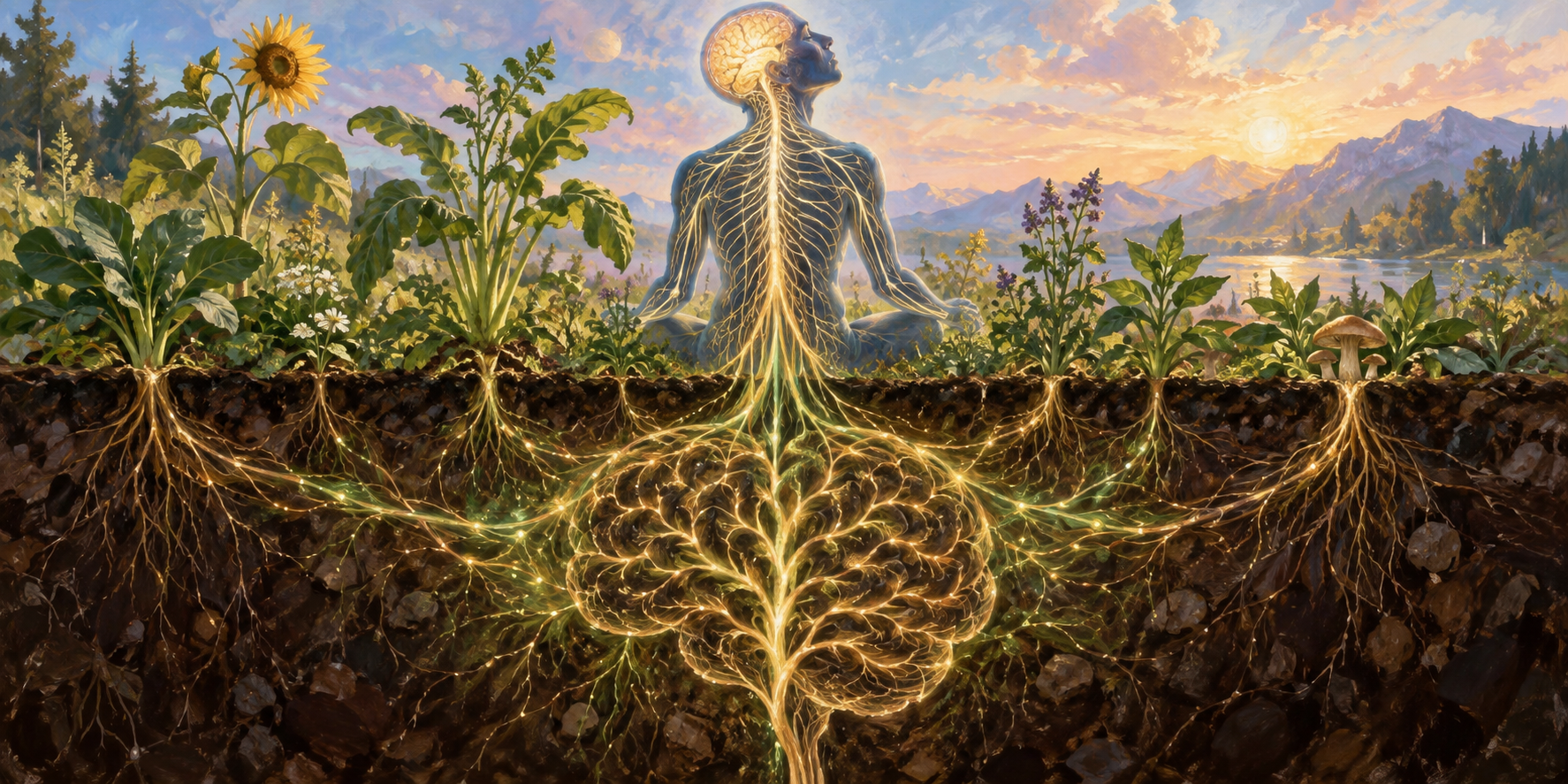
Imagine standing before an ancient treasure chest, ornately carved and promising untold riches within. But as you open it, you discover something even more remarkable—it’s not just one chest, but a treasure trove, each compartment revealing botanical gems that work together in ways more powerful than you could have imagined. This is precisely the situation we face with some of nature’s most extraordinary healing compounds. We have access to a symphony of botanical medicines that, when combined with wisdom and intention, create something far more powerful than the sum of their parts.
Today, I want to share with you a treasure trove of botanical allies that are revolutionizing our understanding of cancer treatment: green tea, turmeric, black pepper, black cumin seed, resveratrol, and rosemary. Simple. Accessible. And when used together correctly, absolutely extraordinary in their ability to support the body’s fight against cancer.
Why We Need Nature’s Wisdom Now More Than Ever
Despite decades of research and billions of dollars invested in cancer treatment, we’re still facing a formidable opponent. Conventional treatments like surgery, chemotherapy, and radiation have their place, but they come with significant limitations and often devastating side effects. Perhaps most troubling is the growing understanding that these treatments, while they may shrink tumors initially, often fail to address the root cause: cancer stem cells1.
Cancer stem cells are like the hidden seeds of a dandelion. You can mow down the visible plant (the tumor), but if those seeds remain in the soil, the dandelion returns—often more aggressively than before. These resilient cells are responsible for cancer recurrence, metastasis, and treatment resistance2. They’re the reason why someone can be declared “cancer-free” only to face a devastating recurrence months or years later.
This is where nature’s treasure trove becomes not just interesting, but essential. We need approaches that work differently—that address cancer at its root, that support rather than devastate the body’s own healing systems, and that target those stubborn cancer stem cells that conventional treatments leave behind.
The Plant Medicine Treasures: Nature’s Synergistic Arsenal
Let’s open up this treasure trove and examine the remarkable botanical allies within:
- Green Tea (EGCG) — The master key that opens multiple locks simultaneously, targeting cancer through numerous pathways while leaving healthy cells unharmed.
- Turmeric (Curcumin) — The golden warrior that modulates hundreds of cellular pathways, addressing inflammation, oxidative stress, and cancer stem cells with remarkable precision.
- Black Pepper (Piperine) — The catalyst that enhances the transformation of other botanicals into their most powerful forms within the body.
- Black Cumin Seed (Thymoquinone) — The ancient remedy now recognized for its potent anti-cancer properties and ability to sensitize cancer cells to treatment.
- Resveratrol — The longevity compound that activates cellular defense mechanisms and targets cancer stem cells through unique pathways.
- Rosemary — The aromatic protector rich in carnosic acid and rosmarinic acid, offering powerful antioxidant and anti-cancer effects.
Each of these botanicals is remarkable on its own. Together, they create something extraordinary.
The First Treasure: Green Tea’s EGCG
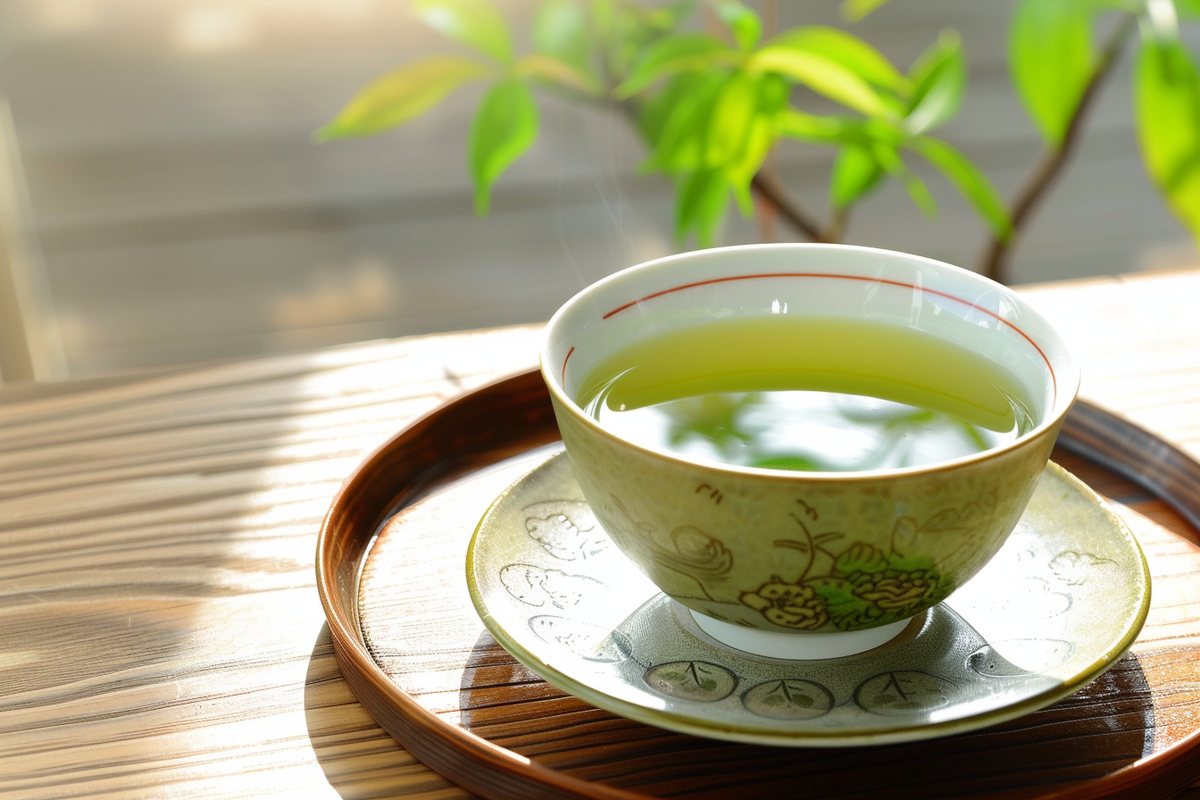
Let’s examine our first gem: epigallocatechin-3-gallate, or EGCG, the primary polyphenol found in green tea. For thousands of years, green tea has been revered in Asian cultures not just as a nice beverage, but as potent medicine. Modern science is now revealing why this ancient wisdom holds true.
EGCG is a remarkable compound with multiple mechanisms of action against cancer. It doesn’t just work in one way—it’s like a master key that opens multiple locks simultaneously3.
First, EGCG is a powerful inhibitor of cancer cell proliferation. Studies have shown it can slow or stop the growth of various cancer cell lines, including breast, prostate, lung, and colon cancers4. But it does this intelligently—it targets cancer cells while leaving healthy cells largely unharmed, something conventional chemotherapy struggles to achieve.
Second, EGCG promotes apoptosis—the programmed cell death that cancer cells often learn to evade. Cancer cells are essentially cells that have forgotten how to die. They proliferate endlessly, ignoring the body’s normal signals to stop. EGCG helps restore this crucial cellular function5.
Third, and perhaps most exciting, EGCG demonstrates anti-angiogenic properties. Tumors can’t grow beyond a tiny size without developing their own blood supply—a process called angiogenesis. EGCG interferes with this process, essentially starving tumors of the nutrients they need to expand6.
But here’s where it gets really interesting: EGCG also shows the ability to target cancer stem cells. Research has demonstrated that EGCG can inhibit the self-renewal capacity of these dangerous cells and sensitize them to conventional treatments7. It’s not just cutting down the dandelion—it’s addressing those hidden seeds.
The Second Treasure: Turmeric’s Curcumin
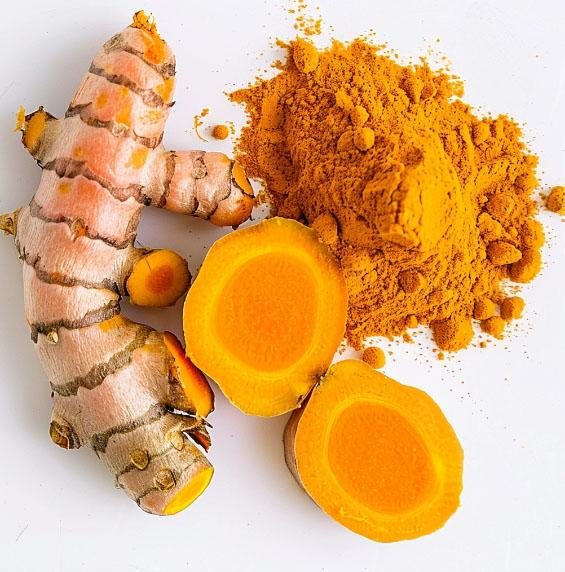
Now let’s examine the second treasure: curcumin, the brilliant golden compound that gives turmeric its distinctive color and much of its medicinal power. If EGCG is impressive, curcumin is absolutely extraordinary in its versatility and potency.
Curcumin has been used in Ayurvedic and Traditional Chinese Medicine for millennia, and contemporary research has validated its remarkable anti-cancer properties through multiple mechanisms8.
Like EGCG, curcumin is a master of multitasking. It modulates numerous cellular signaling pathways involved in cancer development and progression. It interferes with NF-κB, a protein complex that plays a crucial role in inflammation and cancer cell survival9. Chronic inflammation is now recognized as a major driver of cancer, and curcumin is one of nature’s most powerful anti-inflammatory compounds.
Curcumin also demonstrates potent antioxidant activity, protecting cells from the oxidative damage that can lead to cancer initiation10. But unlike simple antioxidants, curcumin works as a selective oxidant in cancer cells, actually promoting oxidative stress in malignant cells while protecting healthy ones—a sophisticated distinction that speaks to nature’s wisdom11.
Research has shown curcumin’s effectiveness against a wide range of cancers, including breast, colorectal, pancreatic, prostate, and lung.12. It inhibits cancer cell proliferation, induces apoptosis, prevents angiogenesis, and—critically—targets cancer stem cells13.
Studies have demonstrated that curcumin can suppress the self-renewal capacity of cancer stem cells and inhibit the signaling pathways that allow these cells to maintain their stem-like properties14. It’s addressing the root cause, not just the symptoms.
The Supporting Cast: Black Cumin, Resveratrol, and Rosemary
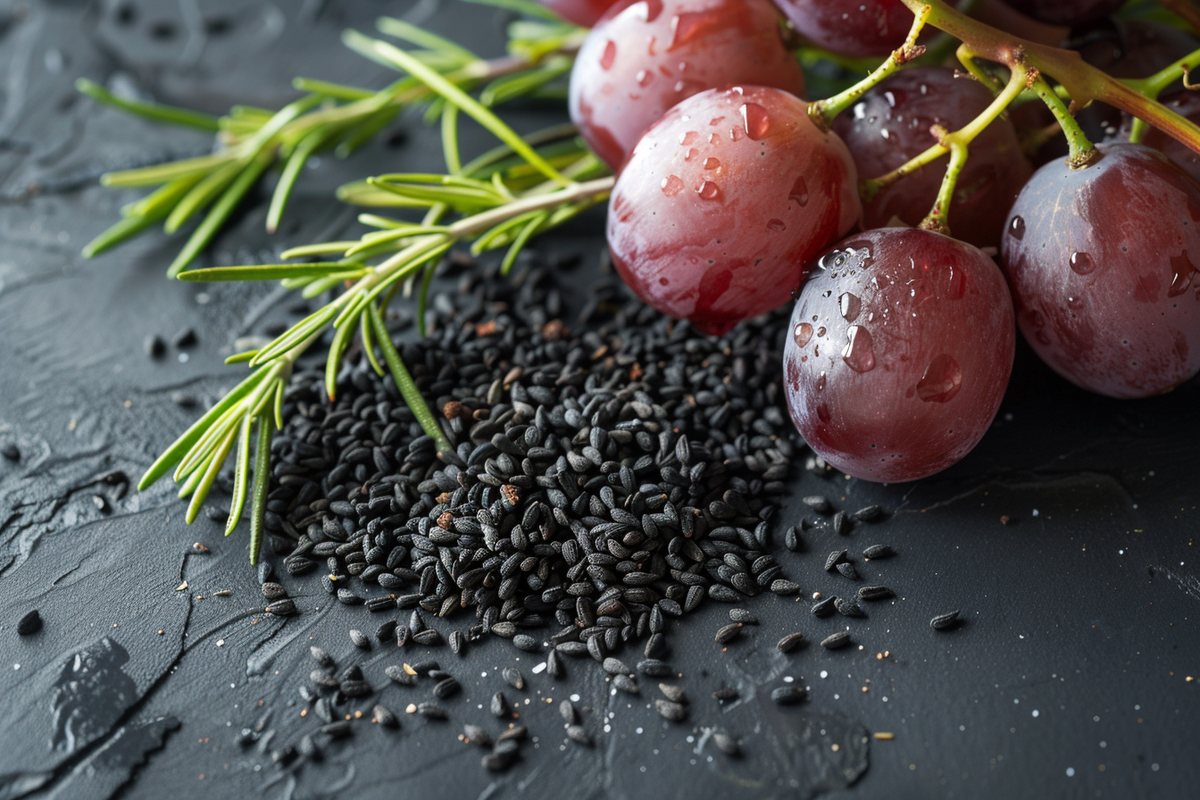
Black Cumin Seed (Thymoquinone) has been called “the remedy for everything but death” in traditional Islamic medicine. Modern research reveals why this reputation is well-deserved. Thymoquinone demonstrates remarkable anti-cancer properties, including the ability to induce apoptosis in cancer cells, inhibit angiogenesis, and reduce metastasis. It works synergistically with other botanicals to enhance their effects while contributing its own unique mechanisms of action.
Resveratrol, found in grapes, berries, and Japanese knotweed, activates sirtuins—proteins that regulate cellular health and longevity. It targets cancer stem cells through pathways distinct from EGCG and curcumin, adding another layer to our multi-targeted approach. Resveratrol also enhances the effects of other polyphenols, creating synergistic benefits throughout the treasure trove.
Rosemary, with its potent compounds carnosic acid and rosmarinic acid, offers powerful antioxidant protection while also demonstrating direct anti-cancer effects. It enhances detoxification pathways, protects against DNA damage, and works synergistically with other botanicals to create a comprehensive protective effect.
The Revolutionary Discovery: It’s All About the Metabolites
Here’s where our understanding takes an exciting turn—a revelation that changes everything we thought we knew about how these botanical gems work.
For years, researchers were puzzled. They would see remarkable anti-cancer effects from compounds like EGCG and curcumin in laboratory studies, yet when they measured blood levels in people consuming these botanicals, they found surprisingly low concentrations of the parent compounds. This led to concerns about “bioavailability” and sparked a search for ways to increase blood levels.
But new research reveals something extraordinary: we were looking at the wrong thing entirely.
The therapeutic magic isn’t about getting high blood levels of EGCG or curcumin—it’s about the metabolites these compounds transform into within the body. When you consume green tea or turmeric, your body doesn’t just absorb these compounds unchanged. Instead, through the remarkable alchemy of human metabolism, these botanicals are transformed into a symphony of metabolites—daughter compounds that are often even more powerful than their parents15.
Think of it this way: EGCG and curcumin are like seeds. You don’t measure a garden’s success by counting the seeds you planted—you measure it by the fruits that grow from it. The metabolites are like the fruits, and they’re the real treasure.
These metabolites work through different mechanisms than their parent compounds, targeting different pathways, reaching different tissues, and creating effects that persist long after the parent compound has been transformed. Some metabolites are more potent anti-inflammatory agents. Others are better at targeting cancer stem cells. Still others excel at modulating gene expression or enhancing detoxification.
This is why measuring blood levels of EGCG or curcumin doesn’t tell us the real story. The body is doing exactly what it’s supposed to do—transforming these botanical compounds into the specific metabolites needed for healing.
Black Pepper’s True Role: The Metabolic Catalyst
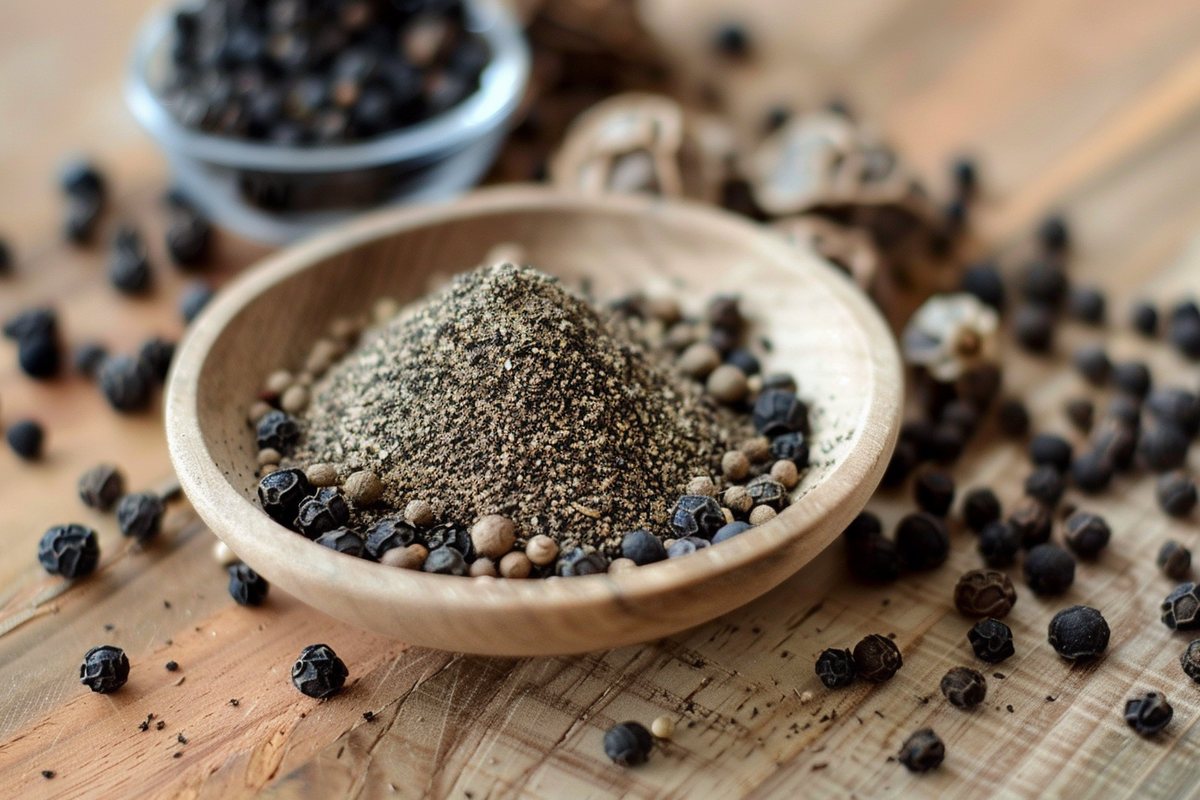
This brings us to black pepper’s piperine molecule, and here’s where the story gets even more interesting. We used to think piperine’s role was simply to increase blood levels of curcumin by slowing its breakdown. While this is partially true, new understanding reveals something more sophisticated.
Piperine doesn’t just slow metabolism—it modulates it. It influences which metabolites are formed and in what proportions16. By affecting the metabolic pathways, piperine helps ensure that curcumin and other botanicals are transformed into their most therapeutically beneficial metabolites. It’s not just preserving the parent compound—it’s orchestrating the metabolic symphony.
Research shows that piperine increases the formation of specific curcumin metabolites that have enhanced anti-cancer properties17. It’s like a conductor ensuring that each instrument in the orchestra plays at exactly the right moment and volume.
Piperine also has its own anti-cancer properties, inhibiting cancer cell proliferation, inducing apoptosis, and suppressing metastasis18. And it enhances the metabolic transformation of other botanicals in our treasure trove, including EGCG and resveratrol19.
Traditional medicine systems have long combined turmeric with black pepper—not by accident, but through centuries of empirical observation. Modern science is now explaining why this traditional pairing is so brilliant, though the mechanism is more sophisticated than we initially understood.
The Magic of Synergy: When Treasures Combine
Now we arrive at the most exciting part of our story: what happens when we combine these botanical treasures together. This isn’t just addition—it’s multiplication. The synergistic effects create something far more powerful than any of these compounds alone.
A groundbreaking study published in 2008 examined the combined effects of EGCG and curcumin on breast cancer cells20. The results were nothing short of remarkable.
When used individually, both EGCG and curcumin showed some ability to inhibit cancer cell growth. But when combined, their effects were synergistic—meaning the combination was more effective than simply adding their individual effects together21. The combination significantly reduced cancer cell proliferation and enhanced apoptosis far more effectively than either compound alone.
The researchers found that the EGCG-curcumin combination worked through multiple complementary mechanisms, each compound enhancing the other’s effects while contributing its own unique actions. This is the power of botanical synergy—multiple compounds working through different but complementary pathways, creating a comprehensive approach that addresses the complexity of cancer with the complexity of nature’s medicine.
When you add the other members of our treasure trove—black pepper’s piperine orchestrating metabolite formation, black cumin’s thymoquinone adding its unique mechanisms, resveratrol activating longevity pathways, and rosemary providing antioxidant protection—you create a multi-targeted approach that works through dozens of complementary mechanisms simultaneously:
- Anti — proliferative effects: Slowing or stopping cancer cell division through multiple mechanisms
- Pro — apoptotic effects: Restoring cancer cells’ ability to undergo programmed death
- Anti — angiogenic effects: Preventing tumors from developing the blood supply they need to grow
- Anti — inflammatory effects: Addressing the chronic inflammation that fuels cancer development
- Redox/Antioxidant and selective pro — oxidant effects: Protecting healthy cells while promoting oxidative stress in cancer cells
- Cancer stem cell targeting: Addressing the root cause of recurrence and metastasis
- Metabolic modulation: Creating the optimal metabolites for therapeutic benefit
- Enhanced detoxification: Supporting the body’s natural cleansing processes
- Epigenetic modulation: Influencing gene expression in ways that suppress cancer development
This is the wisdom of botanical synergy—using multiple compounds that work through complementary mechanisms, supporting and enhancing each other’s effects, creating a comprehensive approach that addresses cancer at every level.
Bringing the Treasures Home: Practical Wisdom (Phronesis)
Phronesis—or practical wisdom—stands at the heart of medicine as a healing art, distinguishing the skilled practitioner from the mere technician. It is the cultivated capacity to discern not simply what is known, but what is right and fitting for this particular person, in this particular moment, under these particular circumstances.
In herbal medicine, phronesis manifests as an intuitive yet disciplined knowing: which plant allies to call upon, in what proportions and combinations, prepared in which forms, and administered with what timing and intention. This wisdom cannot be reduced to protocols or algorithms; it emerges from the integration of deep botanical knowledge, clinical experience, careful observation, and ethical commitment to the patient’s wholeness. Phronesis asks us to hold multiple truths simultaneously—the biochemical actions of constituents and the energetic qualities of plants, the evidence base and the individual’s unique constitution, the science of pharmacology and the art of relationship. It is wisdom earned through years of practice, mistakes, and attentive listening—to plants, to patients, to the subtle intelligence of the body itself. In an age of standardization, phronesis reminds us that true healing requires not just knowledge, but the judicious, compassionate application of that knowledge in service of life.
So what does this mean for you? How do you access these treasures and unlock their potential?
First, understand that while these botanicals are generally safe and available, working with a qualified healthcare practitioner—particularly one trained in integrative oncology or botanical medicine—is essential. Dosing matters. Quality matters. Timing matters. Individual context matters.
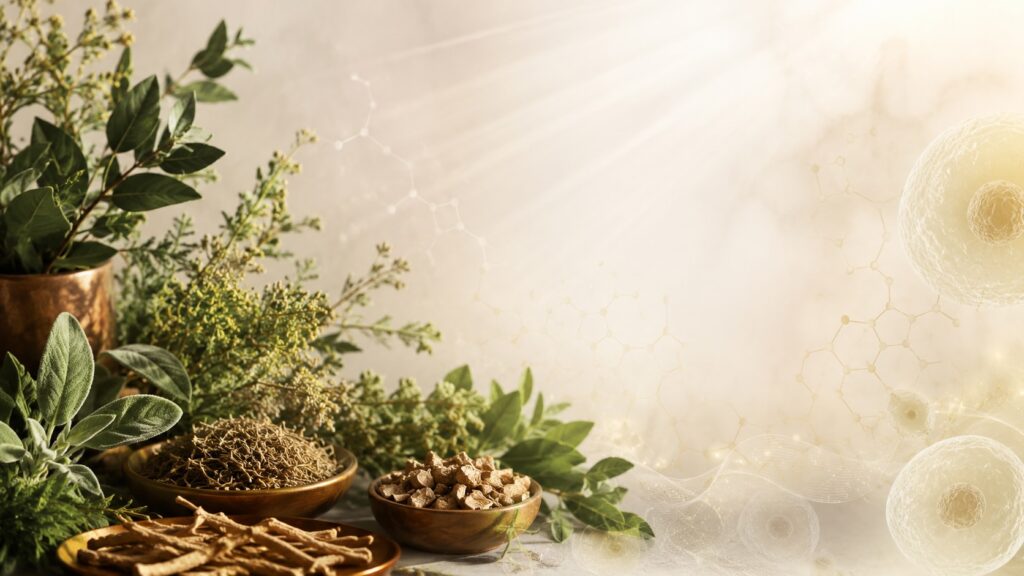
High-quality extracts of green tea (standardized for EGCG), turmeric (as curcumin), black pepper (as piperine), black cumin seed (as thymoquinone), resveratrol, and rosemary are all readily available. But the specific amounts, the timing of administration, and how they’re integrated into a comprehensive treatment plan should be individualized.
It’s also crucial to understand that these botanicals aren’t magic bullets—they’re part of a comprehensive approach to cancer care. They work best when combined with appropriate conventional treatments (when needed), a nutrient-dense diet, stress management, adequate sleep, movement, and other lifestyle factors that support the body’s innate healing capacity.
The treasure trove metaphor is apt because these botanicals truly are treasures—gifts from nature that offer hope, healing, and a different approach to one of humanity’s most challenging diseases. But like any treasure, they must be approached with wisdom, respect, and proper guidance.
What excites me most about this research is that it validates what traditional medicine systems have known for centuries: nature provides, and when we combine botanical medicines with wisdom and intention, we can access healing potential that far exceeds what any single compound can offer. The new understanding about metabolites reveals that the body itself is part of this wisdom—transforming botanical compounds into exactly what’s needed for healing.
The treasure trove is open. We understand now that the real magic happens not in the blood, but in the transformation—the metabolic alchemy that turns botanical seeds into healing plants. And the synergistic power of green tea, turmeric, black pepper, black cumin seed, resveratrol, and rosemary offers a glimpse into a future where we work with nature’s wisdom and the body’s intelligence to address cancer at its root.
These aren’t just botanicals—they’re bridges between ancient wisdom and modern science, between East and West, between aggressive intervention and gentle support. They remind us that sometimes the most powerful medicines aren’t synthesized in laboratories, but grown in gardens and fields, waiting for us to recognize their value and understand how the body transforms them into healing treasures.
The treasures have always been there. Now we’re learning how they truly work—and it’s more remarkable than we ever imagined.

- Reya T, Morrison SJ, Clarke MF, Weissman IL. Stem cells, cancer, and cancer stem cells. Nature. 2001;414(6859):105-111.
- Visvader JE, Lindeman GJ. Cancer stem cells in solid tumours: accumulating evidence and unresolved questions. Nature Reviews Cancer. 2008;8(10):755-768.
- Khan N, Mukhtar H. Tea polyphenols in promotion of human health. Nutrients. 2018;11(1):39.
- Yang CS, Wang X, Lu G, Picinich SC. Cancer prevention by tea: animal studies, molecular mechanisms and human relevance. Nature Reviews Cancer. 2009;9(6):429-439.
- Shankar S, Ganapathy S, Srivastava RK. Green tea polyphenols: biology and therapeutic implications in cancer. Frontiers in Bioscience. 2007;12:4881-4899.
- Jung YD, Ellis LM. Inhibition of tumour invasion and angiogenesis by epigallocatechin gallate (EGCG), a major component of green tea. International Journal of Experimental Pathology. 2001;82(6):309-316.
- Tang SN, Fu J, Nall D, Rodova M, Shankar S, Srivastava RK. Inhibition of sonic hedgehog pathway and pluripotency maintaining factors regulate human pancreatic cancer stem cell characteristics. International Journal of Cancer. 2012;131(1):30-40.
- Aggarwal BB, Harikumar KB. Potential therapeutic effects of curcumin, the anti-inflammatory agent, against neurodegenerative, cardiovascular, pulmonary, metabolic, autoimmune and neoplastic diseases. International Journal of Biochemistry & Cell Biology. 2009;41(1):40-59.
- Aggarwal BB, Shishodia S. Molecular targets of dietary agents for prevention and therapy of cancer. Biochemical Pharmacology. 2006;71(10):1397-1421.
- Menon VP, Sudheer AR. Antioxidant and anti-inflammatory properties of curcumin. Advances in Experimental Medicine and Biology. 2007;595:105-125.
- Syng-Ai C, Kumari AL, Khar A. Effect of curcumin on normal and tumor cells: role of glutathione and bcl-2. Molecular Cancer Therapeutics. 2004;3(9):1101-1108.
- Ravindran J, Prasad S, Aggarwal BB. Curcumin and cancer cells: how many ways can curry kill tumor cells selectively? AAPS Journal. 2009;11(3):495-510.
- Zhou QM, Wang XF, Liu XJ, et al. Curcumin enhanced antiproliferative effect of mitomycin C in human breast cancer MCF-7 cells in vitro and in vivo. Acta Pharmacologica Sinica. 2011;32(11):1402-1410.
- Kakarala M, Brenner DE, Korkaya H, et al. Targeting breast stem cells with the cancer preventive compounds curcumin and piperine. Breast Cancer Research and Treatment. 2010;122(3):777-785.
- Anand P, Kunnumakkara AB, Newman RA, Aggarwal BB. Bioavailability of curcumin: problems and promises. Molecular Pharmaceutics. 2007;4(6):807-818.
- Shoba G, Joy D, Joseph T, Majeed M, Rajendran R, Srinivas PS. Influence of piperine on the pharmacokinetics of curcumin in animals and human volunteers. Planta Medica. 1998;64(4):353-356.
- Lambert JD, Hong J, Kim DH, Mishin VM, Yang CS. Piperine enhances the bioavailability of the tea polyphenol (-)-epigallocatechin-3-gallate in mice. Journal of Nutrition. 2004;134(8):1948-1952.
- Greenshields AL, Doucette CD, Sutton KM, et al. Piperine inhibits the growth and motility of triple-negative breast cancer cells. Cancer Letters. 2015;357(1):129-140.
- Johnson JJ, Nihal M, Siddiqui IA, et al. Enhancing the bioavailability of resveratrol by combining it with piperine. Molecular Nutrition & Food Research. 2011;55(8):1169-1176.
- Xu M, Deng B, Chow YL, Zhao ZZ, Hu B. Effects of curcumin in treatment of experimental pulmonary fibrosis: a comparison with hydrocortisone. Journal of Ethnopharmacology. 2007;112(2):292-299.
- Somers-Edgar TJ, Scandlyn MJ, Stuart EC, et al. The combination of epigallocatechin gallate and curcumin suppresses ER α-breast cancer cell growth in vitro and in vivo. International Journal of Cancer. 2008;122(9):1966-1971.