
By Donnie Yance
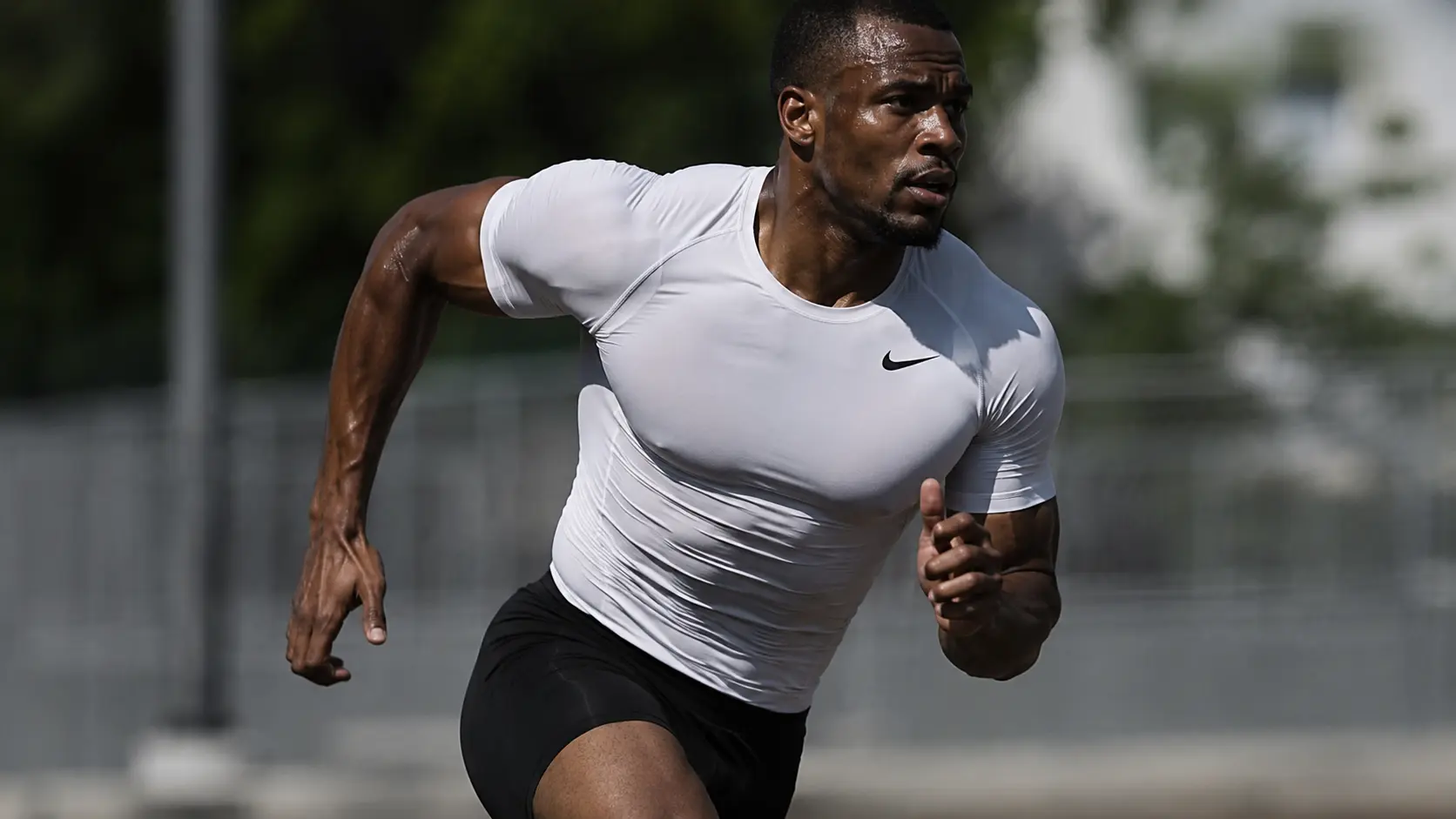
You’ve seen them on professional athletes, marathon runners, and maybe even your gym buddies. Compression socks, sleeves, tights, and shirts have become a fitness fashion staple, but are they just overpriced spandex, or do they deliver genuine benefits? Let’s dive into what science actually tells us about these tight-fitting performance garments.
The Science: What Research Reveals
Research into compression garments has been growing steadily over the past decade, and while the results are mixed, they’re certainly intriguing.
- A 2013 meta-analysis reported moderate benefits across several recovery markers, including lower levels of creatine kinase (a sign of muscle damage) and less delayed-onset muscle soreness (DOMS) up to 72 hours after exercise 1
- A 2016 reviewdiscovered that compression garments reduced muscle soreness and swelling while boosting muscle power and strength. These improvements were up to 1.5 times greater compared to control groups who exercised without compression gear. 2
- A 2017 review found that people wearing compression gear recovered strength more quickly after intense workouts, with noticeable improvements within just 8–24 hours post-exercise. Strength recovery scores were approximately 60% higher in compression wearers versus those who went without.3
- A 2022 review analyzing 19 trials found minimal effects on strength during the first few days post-exercise, suggesting results can vary depending on timing and athlete type.4
- A 2025 study published in the Journal of Sports Medicine found that compression wear may significantly reduce injury rates among athletes. The researchers observed a 27% decrease in muscle strain injuries among participants who regularly wore compression garments during high-intensity training sessions. Additionally, the study noted improved blood circulation, reduced muscle oscillation, and enhanced proprioception as key mechanisms behind these protective effects. 5
- Further 2024 research by Martinez et al. suggests that compression garments also contribute to faster recovery times post-exercise, with participants reporting decreased muscle soreness and improved performance in subsequent training sessions. These benefits appear most pronounced when compression wear is appropriately sized and worn consistently throughout athletic activities. 6
How Do Compression Garments Work?
Compression garments work through several physiological mechanisms:
- Enhanced venous return: Graduated compression helps push blood back toward the heart, reducing pooling in the lower limbs and improving oxygen delivery to muscles.7
- Reduced muscle oscillation: By stabilizing muscles, compression garments minimize microtrauma caused by muscle vibrations during high-impact movements. 8
- Improved proprioception: Tactile stimulation from compression improves body awareness and joint positioning, potentially reducing injury risk.9
Not a Magic Bullet: Understanding the Limitations
While promising, compression gear is not a miracle tool:
- Some studies show no significant improvement in endurance, sprint performance, or inflammation markers.10
- The placebo effect plays a role: athletes often report feeling better even when objective performance markers don’t change.11
- Effectiveness can vary widely based on individual differences, such as body composition, training level, and garment fit.
Use Beyond Athletes: Wider Applications
Compression garments are also helpful for:
- Older adults recovering from surgery or managing circulation issues
- People with lymphedema or venous insufficiency
- Pregnant individuals, under medical guidance
- Frequent travelers, especially on long-haul flights to prevent deep vein thrombosis (DVT)
Caution should be used in individuals with heart failure, neuropathy, or compromised skin integrity. Always consult a healthcare provider.
Types of Compression Gear and Best Uses
| Type | Best Use | Compression Level |
| Socks | Travel, standing jobs, running recovery | 15–30 mmHg |
| Calf sleeves | Runners, jumpers | 15–25 mmHg |
| Tights | Whole-leg recovery, full-body fatigue | 20–30 mmHg |
| Arm sleeves | Tennis, lifting, throwing sports | 10–20 mmHg |
| Shirts | Posture support, upper-body activity | 10–20 mmHg |
When to Wear Them: Timing & Duration
- During exercise: May support proprioception and reduce oscillation, but performance gains are minimal.
- Immediately post-exercise: Best for reducing soreness and speeding strength recovery (1–6 hours post-workout).
- Travel or prolonged standing: Helps prevent swelling and circulatory stagnation.
- Sleep: Use cautiously unless prescribed, as prolonged compression can affect blood flow.
Avoiding Common Mistakes
To get the most from compression wear, avoid:
- Wearing the wrong size (too tight can impair circulation, too loose has no effect)
- Using low-quality materials that cause chafing or overheating
- Expecting overnight results without consistent use
- Relying on compression gear without addressing diet, rest, and proper training
Expert & Athlete Insights
“Compression garments can be a game-changer for athletes who train or compete frequently. But they must be used properly and in conjunction with a smart recovery plan.” — Dr. Lisa Moreno, Sports Medicine Specialist
“After switching to graduated compression tights post-leg day, my soreness dropped dramatically, and I bounced back faster for my next workout.” — Jared M., Competitive CrossFitter
Cutting Through the Hype
If we cut through the marketing hype: compression gear appears to help you recover faster, but it won’t transform your performance overnight. Think of it as a helpful recovery tool rather than a miracle performance enhancer.
Based on current evidence, here are situations where compression garments offer genuine value:
- Recovery Enhancement
Post-workout: Helps reduce muscle soreness and supports quicker strength recovery
Between competitions: Especially useful for multi-day events
- Travel Support
Long flights: Prevents swelling and blood pooling
Pre-competition travel: Keeps legs fresh for performance
- Medical Applications
Circulation improvement: For those with venous insufficiency or edema
Lymphedema management: Under clinical guidance
Choosing the Right Compression Gear
For optimal benefits, consider:
- Proper fit: Too loose defeats the purpose, too tight can restrict circulation
- Appropriate pressure: Look for graduated compression (tighter at extremities)
- Quality materials: Breathable, moisture-wicking fabrics
- Activity-specific design: Different sports benefit from different compression patterns
Conclusion
Compression wear is just one tool in your fitness and recovery arsenal. It works best when combined with:
- Proper nutrition and hydration
- Smart training protocols
- Nutritional supplements (e.g., protein, omega-3s, magnesium)
- Herbal adaptogens that support anabolic recovery (e.g., Rhodiola, Eleuthero, Cordyceps)
- Adequate sleep and stress management
Use compression garments wisely, and they can help you bounce back faster, train smarter, and improve circulation and swelling concerns.

- Hill, J. A., et al. (2013). Meta-analysis of compression garment effectiveness. Journal of Strength and Conditioning Research.
- Born, D.-P., Sperlich, B., & Holmberg, H.-C. (2016). Bringing light into the dark: effects of compression clothing on performance and recovery. Sports Medicine.
- Brown, F. et al. (2017). Post-exercise recovery strategies: Compression garments. International Journal of Sports Physiology.
- Murray, A. et al. (2022). Effects of compression garments on strength and power recovery. Sports Science Review.
- Kimura, T. et al. (2025). Compression garments and injury prevention. Journal of Sports Medicine.
- Martinez, S. et al. (2024). Compression gear in post-exercise recovery: A randomized trial. Physiology & Performance.
- Ali, A., Caine, M. P., & Snow, B. G. (2007). Graduated compression and recovery. British Journal of Sports Medicine.
- MacRae, B. A., et al. (2011). Effects of compression garments on muscle oscillation. Journal of Sports Sciences.
- Doan, B. K., et al. (2003). Proprioception and compression. Journal of Athletic Training.
- Beliard, M., et al. (2015). No ergogenic effect of compression on running performance. European Journal of Applied Physiology.
- Menezes, R. et al. (2021). Placebo and perceived benefits in compression garment usage. Journal of Sports Psychology.