
By Donnie Yance
Cannabis remains one of the most widely used substances globally, with an estimated 209 million users worldwide as of 2020.1 In the United States, approximately 45 million people used cannabis in 2019, including 9.8 million daily or near-daily users.2 As cannabis legalization expands and social acceptance increases, understanding its health implications has become increasingly urgent. This paper synthesizes recent research examining the psychiatric, cardiovascular, metabolic, and other health effects associated with cannabis use, with particular attention to chronic heavy use and high-potency products. I don’t believe short-term use poses any of these risks.
Psychiatric and Mental Health Effects
High-potency cannabis products containing at least 5 mg THC or more than 10% THC per serving were positively associated with psychosis or schizophrenia development in 70% of studies examined.3 The association with psychosis or schizophrenia was identified during the first 12 hours of use and persisted at follow-up of up to 2 months.4 This relationship appears particularly concerning given that THC concentrations have risen dramatically in recent decades, with some products now containing up to 80% THC.5 6
A comprehensive review of 99 studies examining high-concentration THC products found that 58% demonstrated a higher risk for psychosis in the high-THC group.7 Notably, virtually all studies that evaluated healthy populations suggested that the risk for schizophrenia and psychosis was higher in the high-THC group, and among studies with low risk for bias, 90% suggested a higher risk in the high-THC group.8
Cannabis Use Disorder and Chronic Abuse
Cannabis products with high THC concentrations were associated with cannabis use disorder (CUD) development in 75% of associations studied.9 The prevalence of CUD has increased substantially alongside the rise in cannabis potency and daily use. Between 2008 and 2019, the number of adults with cannabis use disorder increased from 3.4 to 4.1 million in the United States.10 Nearly a quarter of cannabis users who meet DSM-5 criteria for CUD have a severe disorder that interferes with their everyday life, and CUD has been associated with higher risk for psychotic disorders, self-harm, and suicidal behaviors. 11
Chronic heavy cannabis use presents distinct risks compared to occasional use. High concentrations of THC may acclimate users to higher and higher doses, leading to addiction.12 The transition from recreational use to CUD typically occurs with an increase in the regularity and frequency of use, with approximately 10% of cannabis users developing CUD, and among young users, the risk can increase to 30%.13
Recent research has identified a potential therapeutic intervention for CUD: semaglutide, a GLP-1 receptor agonist, was associated with a 44% reduction in incident CUD risk (HR: 0.56) and a 38% reduction in recurrent CUD (HR: 0.62) among patients with obesity.14 Similar reductions were observed in patients with type 2 diabetes, with a 60% reduction in incident CUD (HR: 0.40).15
Depression and Anxiety
The effects of cannabis on mood disorders present a more complex picture, with outcomes varying substantially based on frequency of use and patient population. In non-therapeutic studies examining chronic heavy use, participants experienced worsening anxiety in 53% of associations and depression in 41% of associations, with healthy participants being most prone to these effects.16 However, in therapeutic studies, patients experienced relief from anxiety and depression in half of the associations, with those having cancer and neurologic conditions experiencing the most benefits for anxiety.17
Cognitive Function
In the largest brain imaging study of its kind, examining over 1,000 young adults aged 22-36, researchers found that 63% of heavy lifetime cannabis users exhibited reduced brain activity during working memory tasks, while 68% of recent users demonstrated similar impairment.18 This suggests that chronic heavy use has measurable impacts on cognitive function.
Cardiovascular Effects
Endothelial Dysfunction in Chronic Users
Among 55 participants aged 18-50 years who were chronic users (consuming cannabis at least three times weekly for more than a year), arterial flow-mediated dilation (FMD) was significantly lower in marijuana smokers (mean 6.0%) and THC-edible users (mean 4.6%) compared to non-users (mean 10.4%).19,20 Study author Matthew L. Springer noted that “the blood vessels don’t seem to care whether the smoke is from tobacco or cannabis,” as cannabis users showed blood vessel function very similar to tobacco smokers.21 Importantly, FMD was inversely correlated with smoking frequency.
Cardiovascular Disease and Mortality
Heavy chronic cannabis use was associated with a 60% higher risk of experiencing an adverse cardiovascular disease event among individuals with cannabis use disorder in a Canadian study of 29,764 matched pairs.22 In a UK Biobank study examining sex-stratified associations of cumulative lifetime cannabis use, heavy cannabis use among women was associated with significantly increased cardiovascular disease mortality risk (HR: 2.67, 95% CI: 1.19-4.32).23 The study found that heavy cannabis use was associated with a significantly increased risk for all-cause mortality, CVD mortality, and cancer mortality in female current tobacco users and with CVD mortality among female never-smokers.24
Arrhythmia Risk
Among 5,391 Danish patients using medical cannabis for chronic pain, 42 developed arrhythmia within 180 days compared to 107 control participants, yielding a 180-day risk ratio of 2.07 (95% CI: 1.34-2.80).25 Adults with cancer or cardiometabolic disease had the highest arrhythmia risk with cannabis use (180-day absolute risk difference of 1.1% and 0.8%, respectively).26 The elevated arrhythmia risk was predominantly driven by atrial fibrillation and flutter.27
Metabolic Effects
Diabetes Risk
In a study of 96,795 cannabis users matched with over 4 million controls, the incidence of diabetes was significantly higher among cannabis users (2.2%) than control individuals (0.6%) over a 5-year period, representing nearly fourfold higher odds of developing diabetes (OR: 3.802, 95% CI: 3.449-4.191).28 The study noted that “as cannabis becomes more widely available and socially accepted, and legalized in various jurisdictions, it is essential to understand its potential health risks.” 29 These findings highlight the importance of integrating diabetes risk awareness into substance use disorder treatment and counseling.30
Falls and Physical Function in Chronic Users
A study of 16 older adults, split into chronic cannabis users (using at least three times weekly) and age- and sex-matched non-users, found higher fall risk, worse one-leg standing balance performance, and slower gait speed in chronic users versus non-users.31 The results indicate that chronic cannabis use was purported to exacerbate the poorer balance control and slower gait velocity associated with normal aging.32 This suggests that in older populations, chronic cannabis use may present significant safety concerns beyond those experienced by occasional users.
Cancer Treatment Interactions
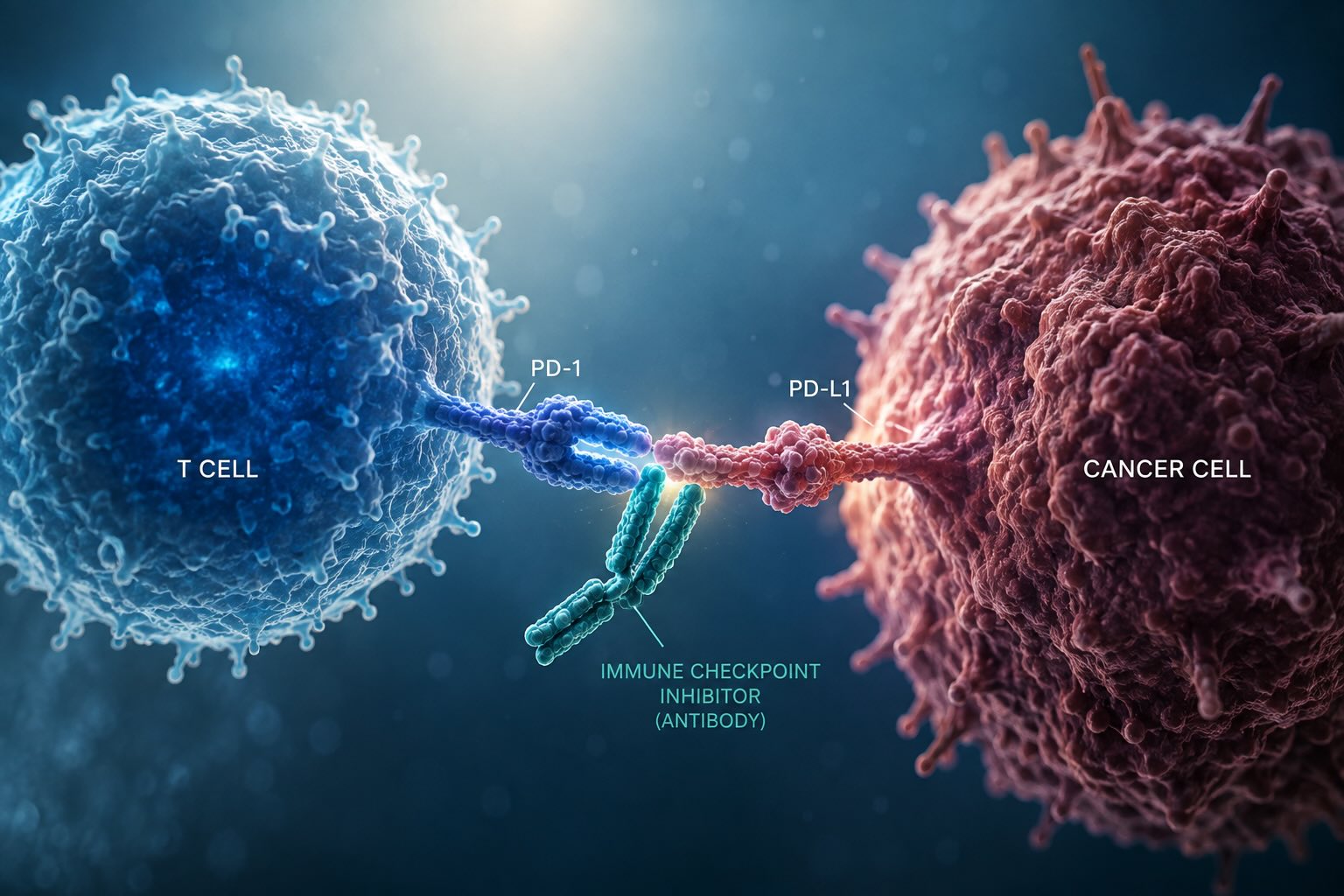
In a retrospective review of 104 patients with advanced cancer, overall survival was reduced in the 27% who used cannabis concurrently with immune checkpoint inhibitors compared to non-users (16 vs 40 months).33 A separate prospective observational study with 102 patients found lower clinical benefit rates (39% vs 59%), shorter time to tumor progression (3.4 vs 13.1 months), and shorter overall survival (6.4 vs 28.5 months) in the 34 patients using cannabis during immunotherapy.34 These findings suggest that concurrent cannabis use may reduce the efficacy of immune checkpoint inhibitors or other immunotherapy, though mechanisms remain unclear.
Potency Trends and Public Health Implications
Average marijuana THC content has increased from approximately 4% in 1995 to nearly 20% today, representing a fivefold increase in potency.35 Concentrated extracts known as dabs, shatter, and wax can reach 70-95% purity and can be vaporized to deliver extremely high doses of THC in a short period.36 As of 2024, approximately 22% of American adults aged 12 or older used marijuana products, up from 19% in 2021.37
The distinction between occasional use and chronic heavy use becomes increasingly important in this high-potency environment. The first principle of toxicology—that the dose makes the poison—applies here: higher dosages increase the likelihood of adverse effects.38 Dr. Jonathan Samet noted that “the findings are concerning and warrant a precautionary approach to using cannabis products, particularly for those with preexisting psychosis.”39 Dr. Luis Rosas-Vidal observed that “with cannabis and related products becoming legalized, their recreational and potential therapeutic uses have become a frequent topic of discussion between providers and patients,” adding that “having a good understanding of what is known is vital to provide sound advice.”40
Limitations
Several important limitations characterize the current cannabis research landscape. Many studies are retrospective and observational, preventing causal inferences and leaving unmeasured confounders unaddressed.41 42 43 Studies often lack detailed information on cannabis consumption patterns, product types, routes of administration, and the distinction between occasional and chronic heavy use.44 45 Additionally, variability in definitions of “high-potency” cannabis across studies complicates direct comparisons.46 Residual confounding is possible, and registers frequently lack information on disease severity, clinical measures, blood tests, and lifestyle factors.47
Conclusion
Current evidence suggests that cannabis use, particularly chronic heavy use involving high-potency products, carries significant health risks across multiple organ systems. The most robust associations exist for psychiatric outcomes including psychosis, schizophrenia, and cannabis use disorder, as well as for cardiovascular effects including endothelial dysfunction and increased cardiovascular disease risk. Emerging evidence also links cannabis use to metabolic dysfunction, falls in older adults, and potential interference with cancer immunotherapy.
The distinction between occasional use and chronic heavy use is critical. Dose-response relationships are evident across multiple outcomes, with heavier, more frequent use associated with greater risks. High concentrations of THC may acclimate users to progressively higher doses, facilitating the transition from recreational use to cannabis use disorder.
As cannabis becomes more widely available and socially accepted, understanding its potential health risks is essential. Healthcare providers should routinely discuss cannabis use with patients, particularly those with cardiovascular disease, psychiatric conditions, cancer undergoing immunotherapy, or diabetes risk factors. Individuals using cannabis should be considered for appropriate cardiovascular and metabolic risk-reduction strategies. Future research should focus on dose-response relationships, long-term outcomes of chronic heavy use, the development of evidence-based treatment protocols for cannabis use disorder, and mechanistic investigations of cannabis effects on various organ systems.

- Vargas B. Far from harmless? High levels of THC associated with psychiatric disorders. Medscape Medical News. September 8, 2025. Accessed September 20, 2025.
- Wang W, Volkow ND, Berger NA, Davis PB, Kaelber DC, Xu R. Association of semaglutide with reduced incidence and relapse of cannabis use disorder in real-world populations: a retrospective cohort study. Mol Psychiatry. Published online March 14, 2024. doi:10.1038/s41380-024-02498-5
- Vargas B. Far from harmless? High levels of THC associated with psychiatric disorders. Medscape Medical News. September 8, 2025. Accessed September 20, 2025.
- Vargas B. Far from harmless? High levels of THC associated with psychiatric disorders. Medscape Medical News. September 8, 2025. Accessed September 20, 2025.
- Vargas B. Far from harmless? High levels of THC associated with psychiatric disorders. Medscape Medical News. September 8, 2025. Accessed September 20, 2025.
- Wilson FP. Weed potency is skyrocketing: should we worry? Medscape Commentary. August 26, 2025.
- Wilson FP. Weed potency is skyrocketing: should we worry? Medscape Commentary. August 26, 2025.
- Wilson FP. Weed potency is skyrocketing: should we worry? Medscape Commentary. August 26, 2025.
- Vargas B. Far from harmless? High levels of THC associated with psychiatric disorders. Medscape Medical News. September 8, 2025. Accessed September 20, 2025.
- Wang W, Volkow ND, Berger NA, Davis PB, Kaelber DC, Xu R. Association of semaglutide with reduced incidence and relapse of cannabis use disorder in real-world populations: a retrospective cohort study. Mol Psychiatry. Published online March 14, 2024. doi:10.1038/s41380-024-02498-5
- Wang W, Volkow ND, Berger NA, Davis PB, Kaelber DC, Xu R. Association of semaglutide with reduced incidence and relapse of cannabis use disorder in real-world populations: a retrospective cohort study. Mol Psychiatry. Published online March 14, 2024. doi:10.1038/s41380-024-02498-5
- Vargas B. Far from harmless? High levels of THC associated with psychiatric disorders. Medscape Medical News. September 8, 2025. Accessed September 20, 2025.
- Wang W, Volkow ND, Berger NA, Davis PB, Kaelber DC, Xu R. Association of semaglutide with reduced incidence and relapse of cannabis use disorder in real-world populations: a retrospective cohort study. Mol Psychiatry. Published online March 14, 2024. doi:10.1038/s41380-024-02498-5
- Wang W, Volkow ND, Berger NA, Davis PB, Kaelber DC, Xu R. Association of semaglutide with reduced incidence and relapse of cannabis use disorder in real-world populations: a retrospective cohort study. Mol Psychiatry. Published online March 14, 2024. doi:10.1038/s41380-024-02498-5
- Wang W, Volkow ND, Berger NA, Davis PB, Kaelber DC, Xu R. Association of semaglutide with reduced incidence and relapse of cannabis use disorder in real-world populations: a retrospective cohort study. Mol Psychiatry. Published online March 14, 2024. doi:10.1038/s41380-024-02498-5
- Vargas B. Far from harmless? High levels of THC associated with psychiatric disorders. Medscape Medical News. September 8, 2025. Accessed September 20, 2025.
- Vargas B. Far from harmless? High levels of THC associated with psychiatric disorders. Medscape Medical News. September 8, 2025. Accessed September 20, 2025.
- Gowin JL, Ellingson JM, Karoly HC, et al. Brain function outcomes of recent and lifetime cannabis use. JAMA Netw Open. 2025;8(1):e2457069. doi:10.1001/jamanetworkopen.2024.57069
- Mohammadi L, Navabzadeh M, Jiménez-Téllez N, et al. Association of endothelial dysfunction with chronic marijuana smoking and THC-edible use. JAMA Cardiol. Published online May 28, 2025. doi:10.1001/jamacardio.2025.1399
- Citroner G. Cannabis, smoked or eaten, linked to tobacco-like blood vessel harm. The Epoch Times. June 18, 2025.
- Citroner G. Cannabis, smoked or eaten, linked to tobacco-like blood vessel harm. The Epoch Times. June 18, 2025.
- Bahji A, Hathaway J, Adams D, et al. Cannabis use disorder and adverse cardiovascular outcomes: a population-based retrospective cohort analysis of adults from Alberta, Canada. Addiction. Published online September 27, 2023. doi:10.1111/add.16337
- Vallée A. Association of heavy cannabis use with cardiovascular disease mortality in women. Hematology Advisor. June 12, 2024.
- Vallée A. Association of heavy cannabis use with cardiovascular disease mortality in women. Hematology Advisor. June 12, 2024.
- Brooks M. Medical cannabis for chronic pain tied to arrhythmia risk. Medscape Medical News. January 12, 2024.
- Brooks M. Medical cannabis for chronic pain tied to arrhythmia risk. Medscape Medical News. January 12, 2024.
- Brooks M. Medical cannabis for chronic pain tied to arrhythmia risk. Medscape Medical News. January 12, 2024.
- Bhattacharya S, ed. Cannabis use tied to higher risk for incident diabetes. Medscape Medical News. September 15, 2025.
- Bhattacharya S, ed. Cannabis use tied to higher risk for incident diabetes. Medscape Medical News. September 15, 2025.
- Bhattacharya S, ed. Cannabis use tied to higher risk for incident diabetes. Medscape Medical News. September 15, 2025.
- Workman CD, Fietsam AC, Sosnoff J, Rudroff T. Increased likelihood of falling in older cannabis users vs. non-users. Brain Sci. 2021;11(2):134. doi:10.3390/brainsci11020134
- Workman CD, Fietsam AC, Sosnoff J, Rudroff T. Increased likelihood of falling in older cannabis users vs. non-users. Brain Sci. 2021;11(2):134. doi:10.3390/brainsci11020134
- Bar-Sela G, Cohen I, Campisi-Pinto S, et al. Cannabis consumption used by cancer patients during immunotherapy correlates with poor clinical outcome. Cancers (Basel). 2020;12(9):2447. doi:10.3390/cancers12092447
- Bar-Sela G, Cohen I, Campisi-Pinto S, et al. Cannabis consumption used by cancer patients during immunotherapy correlates with poor clinical outcome. Cancers (Basel). 2020;12(9):2447. doi:10.3390/cancers12092447
- Wilson FP. Weed potency is skyrocketing: should we worry? Medscape Commentary. August 26, 2025.
- Wilson FP. Weed potency is skyrocketing: should we worry? Medscape Commentary. August 26, 2025.
- Vargas B. Far from harmless? High levels of THC associated with psychiatric disorders. Medscape Medical News. September 8, 2025. Accessed September 20, 2025.
- Wilson FP. Weed potency is skyrocketing: should we worry? Medscape Commentary. August 26, 2025.
- Vargas B. Far from harmless? High levels of THC associated with psychiatric disorders. Medscape Medical News. September 8, 2025. Accessed September 20, 2025.
- Vargas B. Far from harmless? High levels of THC associated with psychiatric disorders. Medscape Medical News. September 8, 2025. Accessed September 20, 2025.
- Wang W, Volkow ND, Berger NA, Davis PB, Kaelber DC, Xu R. Association of semaglutide with reduced incidence and relapse of cannabis use disorder in real-world populations: a retrospective cohort study. Mol Psychiatry. Published online March 14, 2024. doi:10.1038/s41380-024-02498-5
- Bahji A, Hathaway J, Adams D, et al. Cannabis use disorder and adverse cardiovascular outcomes: a population-based retrospective cohort analysis of adults from Alberta, Canada. Addiction. Published online September 27, 2023. doi:10.1111/add.16337
- Brooks M. Medical cannabis for chronic pain tied to arrhythmia risk. Medscape Medical News. January 12, 2024.
- Citroner G. Cannabis, smoked or eaten, linked to tobacco-like blood vessel harm. The Epoch Times. June 18, 2025.
- Wilson FP. Weed potency is skyrocketing: should we worry? Medscape Commentary. August 26, 2025.
- Wilson FP. Weed potency is skyrocketing: should we worry? Medscape Commentary. August 26, 2025.
- Brooks M. Medical cannabis for chronic pain tied to arrhythmia risk. Medscape Medical News. January 12, 2024.