
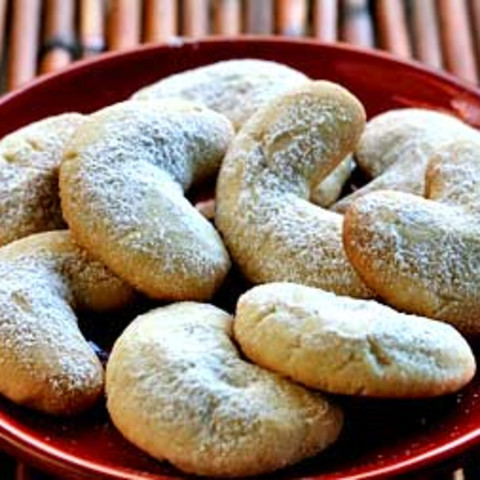
Baking cookies and sharing them with friends is part of our family’s holiday tradition. This year, I created a new recipe that I’d like to share with you. It’s a delicious holiday treat (made with spelt, walnuts, and other healthy ingredients) that I hope you’ll enjoy as much as we do!
Ingredients:
- 4 oz butter (1 stick butter)
- 2 oz coconut oil
- 1 ½ teaspoon vanilla
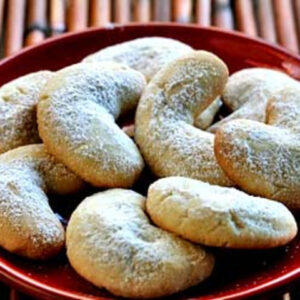
Walnut-Coconut Crescent Holiday Cookies - ½ cup maple syrup
- 1/3 cup coconut sugar
- 1 cup oat flour
- 1 cup sprouted spelt flour *
- ½ cup Pamela’s baking mix
- ½ teaspoon sea salt
- 1 ½ cups chopped walnuts*
- 1 cup shredded coconut, toasted on stove for 2 minutes, stirring frequently
Sugar and spice topping:
- 1 tsp. cinnamon
- 1/8 tsp. cardamom
- 2 tsp. maple sugar
- 1 tsp. coconut milk powder
Instructions:
- Soften butter and mix with coconut oil and vanilla. Beat in maple syrup and coconut sugar.
- Sift oat flour, spelt flour, baking mix, and sea salt and add to wet ingredients.
- Fold in chopped walnuts and coconut.
- Shape into crescents and refrigerate for at least 1 hour before baking.
- Preheat oven to 350 degrees F convection.
- Bake cookies for 20-25 minutes, or until golden brown.
- Remove from oven, place on rack to cool, and using a sifter, dust cookies with the sugar and spice mixture.
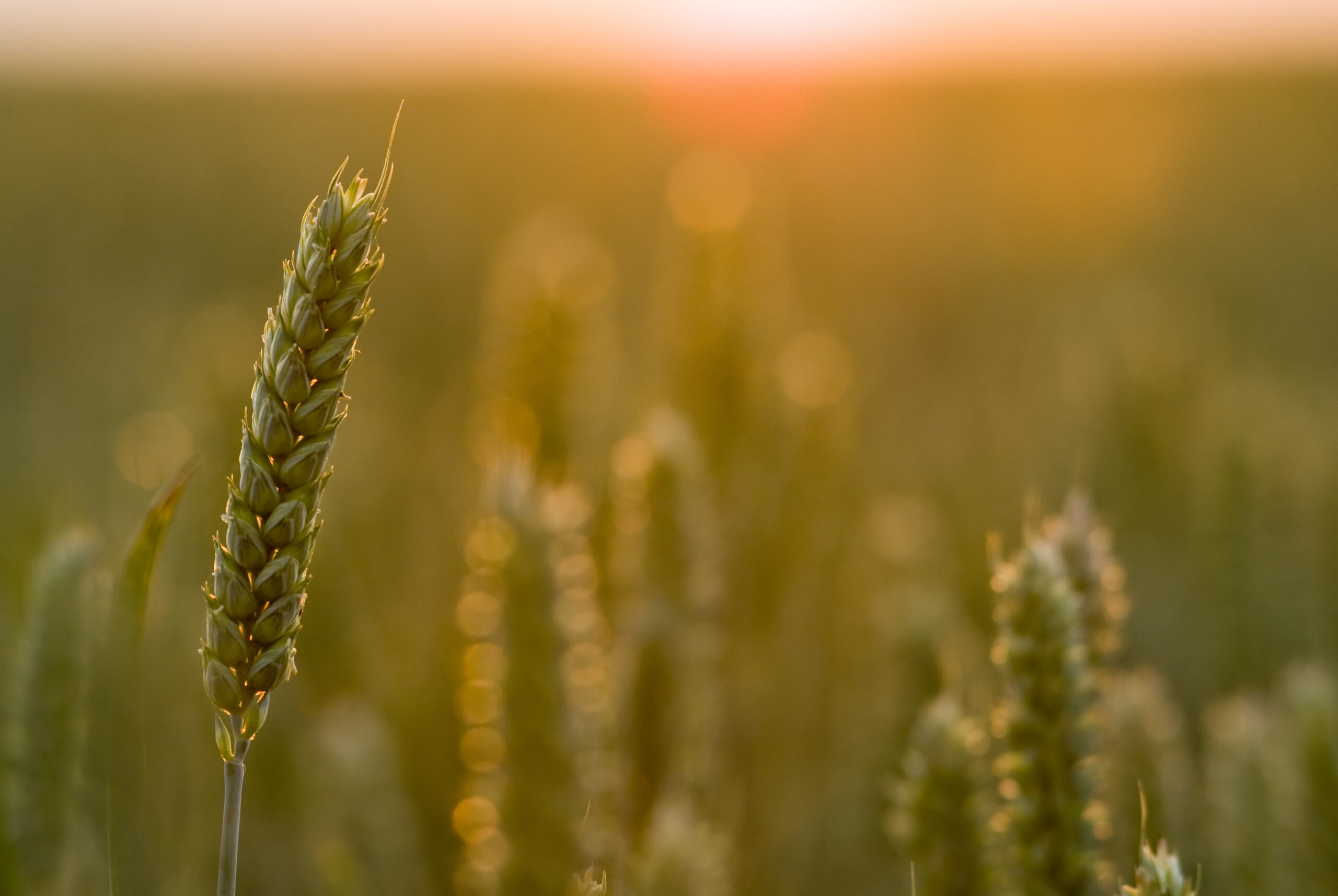
Spelt: An Ancient Grain for Health
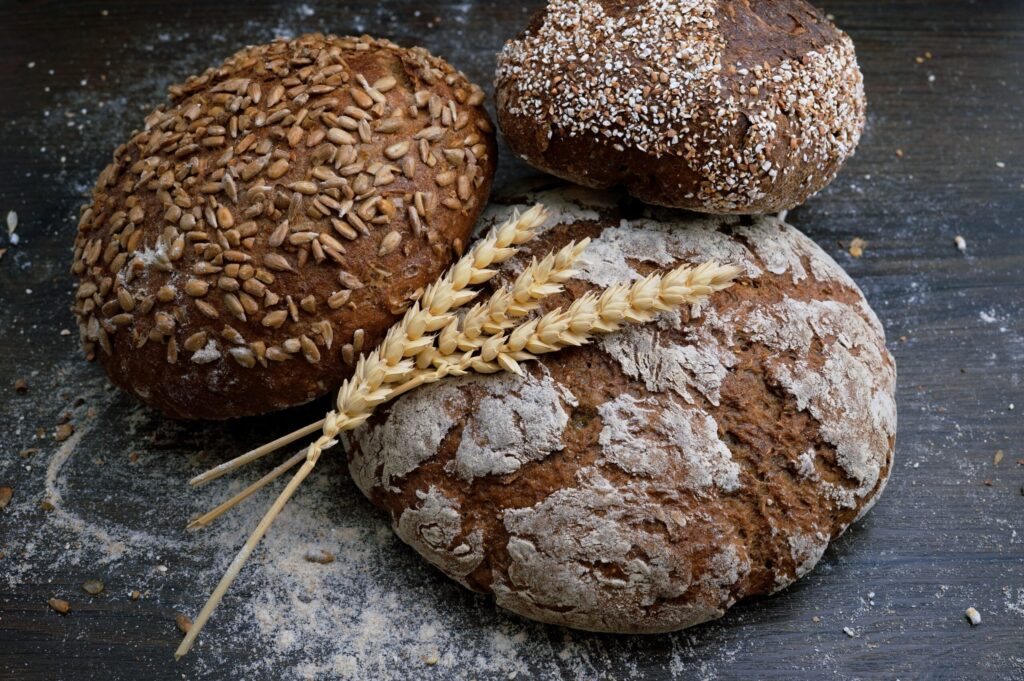
Although I grind most of my flour from whole grain kernels, I occasionally use flour made from sprouted spelt grain that I buy at our local natural food coop. A sprouted grain has germinated,
which breaks down some of the starch in the grain into simple sugars. Sprouting naturally enhances the flavor and sweetness of the grain, and also makes it more digestible. Sprouted grains yield higher amounts of many nutrients, including B-vitamins, vitamin C and enzymes. At the same time, sprouting reduces levels of phytic acid, which can bind to minerals and inhibit their absorption.
Spelt (Triticum spelta), a close relative of wheat, was first used approximately 8,000 years ago and is one of the oldest cultivated crops in human history. Also referred to as Einkorn wheat, spelt was a dietary staple in some parts of Europe in the Bronze Age, but was replaced by standard wheat in medieval times.1
Spelt is higher in many nutrients than wheat, including protein, minerals, and B-vitamins. Spelt also contains significant amounts of health-promoting bioactive compounds, such as polyunsaturated fatty acids, fructans, tocols, carotenoids, alkylresorcinols, and phytosterols.2
A recent study found that the consumption of spelt led to enrichment in short-chain fatty acid producers (e.g., Blautia, Faecalibacterium, and Oscillospira) in the gut microbiota and to higher metabolic diversity with a lower content of succinate, which is related to improved absorption and therefore promotes intestinal gluconeogenesis. This study strongly suggests that spelt consumption may support a healthy intestinal ecosystem.2
A recent study found that the oral administration of sprouted spelt extract reduced colon inflammation and inhibited tumor growth in mice.3
The Many Health Benefits of Walnuts
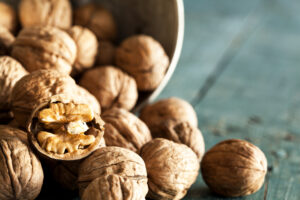
The walnuts we most often eat are the Juglans reglia type, commonly called English walnuts. Many studies indicate that walnut consumption has beneficial effects on a wide variety of chronic diseases. Phytonutrient research on the antioxidant and anti-inflammatory benefits of walnuts have earned them a place on the list of “super foods” because of their protective effects against metabolic syndrome, cardiovascular problems, type 2 diabetes, cancer, and dementia.4
The Beneficial Effects of Walnuts on Cancer
Many studies show a correlation between regular walnut intake and reduced incidence of cancer.5
The anti-tumor potential of walnuts points to the most promising compounds, primarily juglanin, juglone, and the ellagitannin-metabolites urolithins. A consistent dietary intake of walnuts appears to provide tangible anticancer effects.6
In vivo studies confirm the significant antineoplastic potential of walnuts, indicating the potential for therapeutic application, especially in prostate cancer.6
In a laboratory study on breast cancer, homozygous male C(3)1 TAg mice were bred with female SV129 mice consuming either the control AIN-76 diet or the walnut-containing diet. At weaning, the female hemizygous pups were randomized to control or walnut-containing diets and followed for tumor development.
Compared to a diet without walnuts, researchers found that consumption of walnuts significantly reduced tumor incidence, multiplicity, and size. Gene expression analyses indicated that diet including walnuts altered expression of multiple genes associated with proliferation and differentiation of mammary epithelial cells. Interestingly, a comparison with another dietary intervention indicated that the omega-3 content alone did not account for the extent of tumor suppression due to the walnut.7
Walnuts and Cardiovascular Health
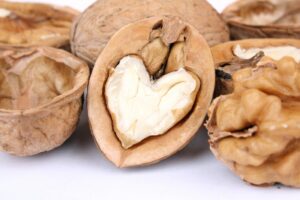
Compared to most other nuts that contain monounsaturated fatty acids, walnuts are unique because they are rich in n-6 (linoleate) and n-3 (linolenate) polyunsaturated fatty acids. Walnuts contain multiple health-beneficial components, such as having a low lysine:arginine ratio and high levels of arginine, folate, fiber, tannins, and polyphenols.
Though walnuts are energy rich, clinical dietary intervention studies show that walnut consumption does not cause a net gain in body weight when eaten as a replacement food. In a review of clinical trials studying the effects of walnut consumption on coronary heart disease risk, researchers found that including walnuts as part of a heart-healthy diet consistently lowered blood cholesterol.
These results were supported by several large prospective observational studies, all demonstrating a dose response-related inverse association of the relative risk of coronary heart disease with the frequent daily consumption of small amounts of nuts, including walnuts.8-12
Researchers found that walnut consumption affected the composition and function of gastrointestinal microbiota, increasing a variety of beneficial microbes and reducing proinflammatory secondary bile acids and LDL cholesterol. These results suggest that gastrointestinal microbiota may contribute to the underlying mechanisms of the beneficial health effects of walnut consumption.11
In a study of overweight subjects, participants were given either walnut or almond diets varying in monounsaturated fatty acid (MUFA) and polyunsaturated fatty acid (PUFA) content. The walnut diet provided 23.1% energy from PUFA and the almond diet provided 7.6% energy from PUFA. Endothelial function was assessed physiologically by flow-mediated dilation (FMD) and biochemically by sVCAM (soluble vascular cell adhesion molecules).
The walnut diet significantly improved FMD and decreased sVCAM whereas the almond diet tended to improve FMD and significantly decreased sVCAM.12
Additional Health Benefits of Walnuts
Along with their significant benefits for cardiovascular health, walnuts appear to have a positive effect on reducing the risk, delaying the onset, slowing the progression of, or preventing Alzheimer’s disease. In laboratory studies, researchers found that walnuts improved memory deficits and learning skills in mice with Alzheimer’s disease.13
Studies also show that walnuts may have beneficial physiological effects on obesity. In a study of obese male mice, walnut consumption with a high fat Western-style diet caused changes in hepatic fat concentrations, gene expression patterns, and fatty acid concentrations. The addition of a second whole food in combination with walnuts produced additional beneficial changes in metabolite concentrations, gene expression patterns and other physiologic markers.14
If you’re looking for a treat that not only tastes good, but also is good for you, I hope you’ll try my Walnut-Coconut Crescent Holiday Cookies. Please let me know in the comments below if you try them!
Wishing you a happy and blessed New Years, from our family to yours!
Donnie
References:
- Escarnot, E.Jacquemin, JM.Agneessens, R.Paquot, M. Comparative study of the content and profiles of macronutrients in spelt and wheat, a review [2012], http://agris.fao.org/agris-search/search.do?recordID=DJ2012092242
- Barone F, Laghi L, Gianotti A, Ventrella D, Saa DLT, Bordoni A, Forni M, Brigidi P, Bacci ML, Turroni S. In Vivo Effects of Einkorn Wheat (Triticummonococcum) Bread on the Intestinal Microbiota, Metabolome, and on the Glycemic and Insulinemic Response in the Pig Model. Nutrients. 2018 Dec 20;11(1). pii: E16. doi: 10.3390/nu11010016.
- Ki HH, Lee JH, Lee HY, Lee YM, Kim DK. Triticumaestivum Sprouts Extract Inhibits Azoymethane (AOM)/Dextran Sodium Sulfate (DSS)-Induced Colon Carcinogenesis in Mice. Nutr Cancer. 2018 Oct 1:1-10. doi: 10.1080/01635581.2018.1490447.
- Hayes D, Angove MJ, Tucci J, Dennis C. Walnuts (Juglans regia) Chemical Composition and Research in Human Health. Crit Rev Food Sci Nutr. 2016 Jun 10; 56(8):1231-41.
- Bao Y., Han J., Hu F.B., Giovannucci E.L., Stampfer M.J., Willett W.C., Fuchs C.S. Association of nut consumption with total and cause-specific mortality. N. Engl. J. Med. 2013;369:2001–2011. doi: 10.1056/NEJMoa1307352.
- Catanzaro E, Greco G, Potenza L, Calcabrini C, Fimognari C. Natural Products to Fight Cancer: A Focus on Juglansregia. Toxins (Basel). 2018 Nov 14;10(11). pii: E469. doi: 10.3390/toxins10110469. Review.
- Elaine Hardman, Gabriela Ion, Juliana A. Akinsete & Theodore R. Witte (2011): Dietary Walnut Suppressed Mammary Gland Tumorigenesis in the C(3)1 TAg Mouse, Nutrition and Cancer, 63:6, 960-970
- Kelly JH Jr, Sabate J. Nuts and coronary heart disease: an epidemiological perspective. Br J Nutr. 2006 Nov;96 Suppl 2:S61-7. 2006. PMID:17125535.
- Feldman EB. The scientific evidence for a beneficial health relationship between walnuts and coronary heart disease. J Nutr. 2002 May; 132(5):1062S-1101S.
- Marangoni F, Colombo C, Martiello A, Poli A, Paoletti R, Galli C. Levels of the n-3 fatty acid eicosapentaenoic acid in addition to those of alpha linolenic acid are significantly raised in blood lipids by the intake of four walnuts a day in humans. Nutr Metab Cardiovasc Dis. 2006 Sep 25.
- Holscher HD, Guetterman HM, Swanson KS, An R, Matthan NR, Lichtenstein AH, Novotny JA, Baer DJ. Walnut Consumption Alters the Gastrointestinal Microbiota, Microbially Derived Secondary Bile Acids, and HealthMarkers in Healthy Adults: A Randomized Controlled Trial. J Nutr. 2018 Jun 1;148(6):861-867. doi: 10.1093/jn/nxy004.
- Bhardwaj R, Dod H, Sandhu MS, Bedi R, Dod S, Konat G, Chopra HK, Sharma R, Jain AC, Nanda N. Acute effects of diets rich in almonds and walnuts on endothelial function. Indian Heart J. 2018 Jul – Aug; 70(4):497-501.
- Muthaiyah B1, Essa MM1, Lee M1, Chauhan V1, Kaur K1, Chauhan A Dietary supplementation of walnuts improves memory deficits and learning skills in transgenic mouse model of Alzheimer’s disease, J Alzheimers Dis. 2014;42(4):1397-405. doi: 10.3233/JAD-140675.
- Luo T, Miranda-Garcia O, Adamson A, Hamilton-Reeves J, Sullivan DK, Kinchen JM, Shay NF. Consumption of Walnuts in Combination with Other Whole Foods Produces Physiologic, Metabolic, and Gene Expression Changes in Obese C57BL/6J High-Fat-Fed Male Mice. J Nutr. 2016 Sep; 146(9):1641-50. Epub 2016 Aug 3.