
By Donnie Yance
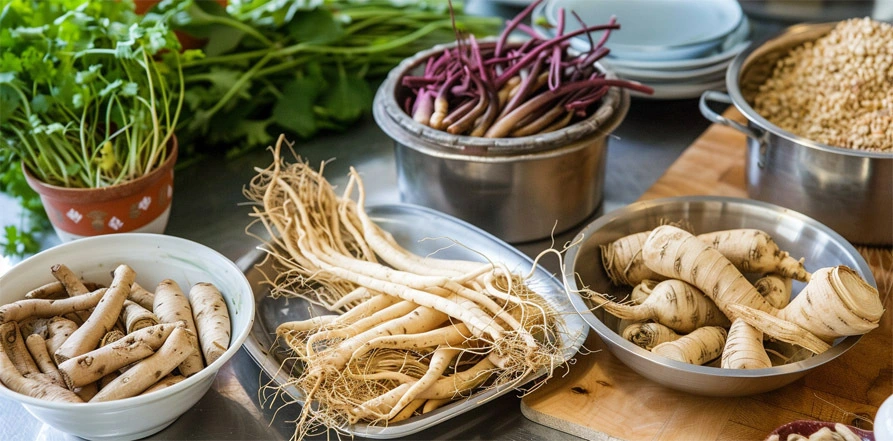
Tonic herbs are traditionally used to enhance organ function, prevent functional decline in organs under stress, and support overall systemic health. These herbs interact with human biology to generate robustness, promote tropho-restoration, and encourage self-regulation and self-organization. Tropho-restoration refers to the process of nourishing and restoring the optimal function of specific organs or tissues in the body. Tonic herbs are the primary botanical tools used to achieve this restoration. They nourish, energize, correct, assist, build up, restore, and normalize the functionality and strength of organ, cellular, and molecular networks.
Unlike herbs used for acute conditions, tonic herbs are generally gentle in nature and meant to be taken for prolonged periods. They are not intended to directly treat disease, but rather to promote “radiant health,” slow aging processes, and preserve, protect, and restore overall health.
Historical Context and Philosophy
The core of traditional Eclectic Medicine philosophy, as well as other traditional medical systems, was the belief that the body possesses an innate capacity to heal itself. This capacity of the body to innately heal was called the “Vis conservatrix,” was variously described as: vitality, vital powers, life force, and conservative power. Tropho-restoration represents the vital capacity of the overall governing energy, or “Life Force,” of a system to be rebuilt by nourishment.
John Scudder, a renowned Eclectic Physician, defined tonics as “those agents that heightened or augmented vital action.“1
The Holistic Approach of Eclectic Medicine
Eclectic practitioners viewed health and disease through a comprehensive holistic lens, considering not only physical symptoms but also emotional, spiritual, and environmental factors affecting each patient. This broad perspective enabled them to develop personalized treatment protocols tailored to individual constitutions and circumstances, rather than applying the standardized approaches common in conventional medicine of the era. Their progressive attitude recognized the intricate complexity of human health nearly a century before such integrative views gained acceptance in mainstream medical practice.
Botanical Medicine Expertise
Botanicals formed the cornerstone of Eclectic therapeutic practice, with physicians dedicating themselves to the meticulous study and documentation of medicinal plants. They conducted careful clinical observations regarding plant properties, interactions, appropriate dosages, and therapeutic effects across different conditions. This empirical, evidence-based approach helped them develop extraordinarily detailed pharmacopeias and materia medica that both guided their clinical work and substantially contributed to the broader scientific understanding of herbal medicine.
Eclectic physicians were particularly skilled in the art of botanical formulation, often combining multiple herbs in precise proportions to enhance therapeutic effectiveness while minimizing potential side effects. This sophisticated approach demonstrated an intuitive understanding of what modern pharmacology would later define as synergistic effects between botanical compounds—where the combined action produces greater benefits than the sum of individual components.2
Administration and Formulation
While tonic herbs can be used individually, they are more commonly administered in formulations where tonic herbs are combined with supportive and harmonizing herbs to create a unified medicine with greater efficacy than any single herb. They can be taken as:
- Pills
- Powders
- Infusions & Decoctions (teas)
- Extracts (powdered and fluid)
- Syrups (a tea sweetened and preserved with honey or sugar)
- Soups
Categories of Tonic Herbs
Tonic herbs address deficiencies in various aspects of health:
- Vital Essence
- Vital Force
- Vital Spirit
- Blood
- Inward (Feminine) Yin
- Outward (Masculine) Yang
These functions are associated with specific organs and physiological processes. For example, Blood, which provides nourishment and structural components, is associated with the Liver, Spleen, and Heart.
Synergistic Actions of Herbal Medicines
Herbal medicine, especially Traditional Chinese Medicine (TCM) and Ayurvedic medicine, plays a crucial role in treating various diseases. Clinical studies have provided convincing evidence of their efficacy, particularly regarding synergistic therapeutic actions.
Mechanisms of Synergistic Action
The mechanisms underlying synergistic therapeutic actions of herbal medicines include:
- Multiple Pathway Regulation: Different agents may regulate either the same or different targets in various pathways, cooperating in an agonistic, synergistic way.
- Metabolism Modulation: Herbs can regulate enzymes and transporters involved in hepatic and intestinal metabolism to improve oral drug bioavailability.
- Resistance Reversal: Some herbs overcome drug resistance mechanisms in microbial and cancer cells.
- Adverse Effect Mitigation: Herbs can eliminate, offset, or buffer adverse effects and enhance pharmacological potency through “processing” or herb-to-herb interaction.3
In vivo studies have demonstrated significant beneficial effects from herbal formulas, which typically employ multiple components to exert their therapeutic effects.4
Cancer Applications: Fu Zheng
Herbal formulations used against cancer in traditional Chinese medicine (TCM) often feature several tonic herbs in a strategy called “Fu Zheng.” These formulations promote the body’s internal ability to resist disease by:
- Increasing immune response
- Protecting and enhancing vital organs
- Nourishing blood
- Strengthening endocrine and nervous systems
Fu Zheng literally means “restore the normal Qi.” For optimal health, all these functions must work in harmony, balancing the physical, energetic, emotional, and spiritual aspects of human beings.
Four Tonic Herbs To Tonify the Blood
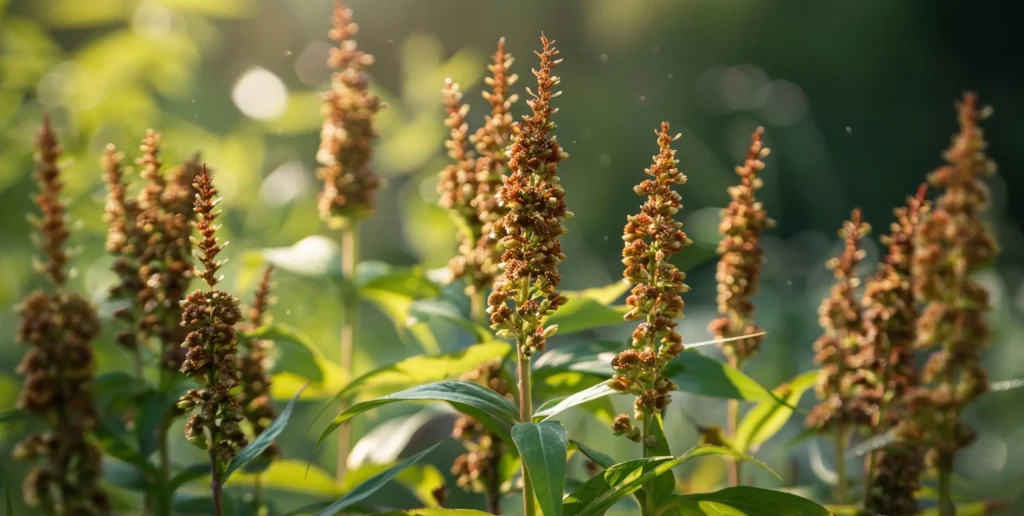
Yellow Dock Root (Rumex crispus)
Yellow dock has significant value in traditional medicine and has been used to alleviate several diseases. The genus name “Rumex” means “lance,” referring to the plant’s lance-shaped leaves.
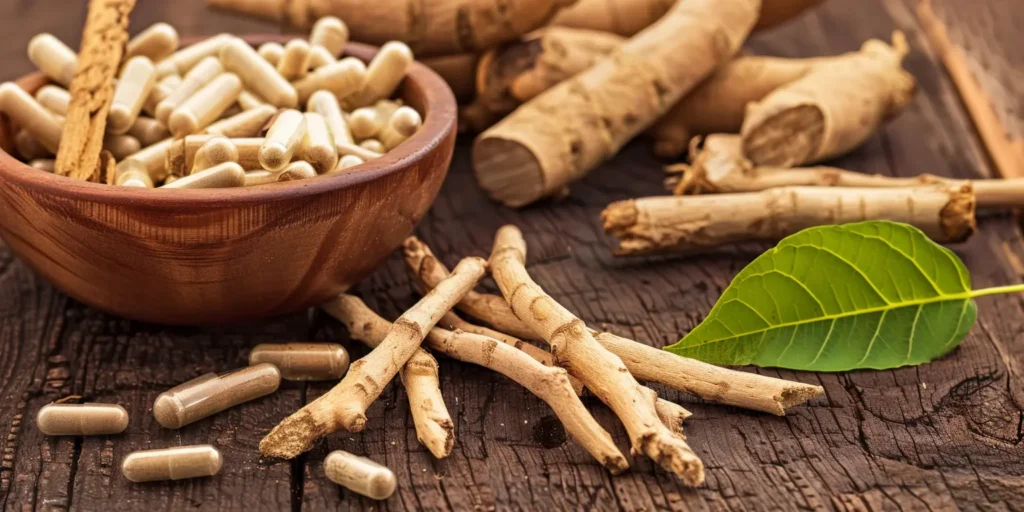
Yellow dock root is considered a premier Blood tonic herb, being one of the best natural sources of iron. It is highly effective for raising blood iron and hemoglobin levels, making it the number one traditional Western herbal treatment for anemia.
Eclectic Physicians classified yellow dock as a classic alterative and mild liver and blood tonic. It functions as an excellent cholagogue (bile flow stimulator), improving digestion and assimilation of fats and other nutrients including iron.
Finley Ellingwood, a famous Eclectic Physician, stated: “Yellow dock has a direct influence upon the blood, and thence upon diseases of the skin and mucous membranes. Its influence upon the mucous membranes of the stomach encourages normal glandular secretion and promotes digestion.” 5
Nicholas Culpepper, a 17th century herbalist, wrote that yellow dock “cleanseth the blood and strengthens the liver.”
Therapeutic Actions:
Digestive Support: Yellow dock root supports healthy digestion and elimination through its bitter, laxative, astringent, and alterative actions. Its mildly laxative anthraquinone glycosides and bitter compounds stimulate digestive enzymes, while its astringent tannins tone digestive tissues. With both laxative and astringent actions, yellow dock can relieve both constipation and diarrhea.6
Skin Conditions: One of the chief applications of yellow dock is for skin conditions. In nearly all forms of dry, scaly, and pustular skin diseases, it has earned a deserved reputation, both as an internal and external remedy for conditions such as itch and eczema.7
Liver Protection: Pretreatment with yellow dock extract inhibits carbon tetrachloride-induced oxidative stress by decreasing lipid peroxidase and increasing glutathione content in a dose-dependent manner, bringing antioxidant enzyme levels to near-normal values.8
Cancer Suppression: Hepatocellular carcinoma (HCC), the major primary malignant tumor of the liver, is one of the most life-threatening human cancers. Yellow dock extract has been shown to suppress HCC in animal studies, with marked improvement in liver histopathological features. The plant’s powerful hepatoprotective properties, potent antiangiogenic activity, and effective antiproliferative capacity contribute to its anticancer effects.9
Bone Health: Yellow dock prevents bone loss by inhibiting osteoclastogenesis and inducing osteoblast mineralization.10
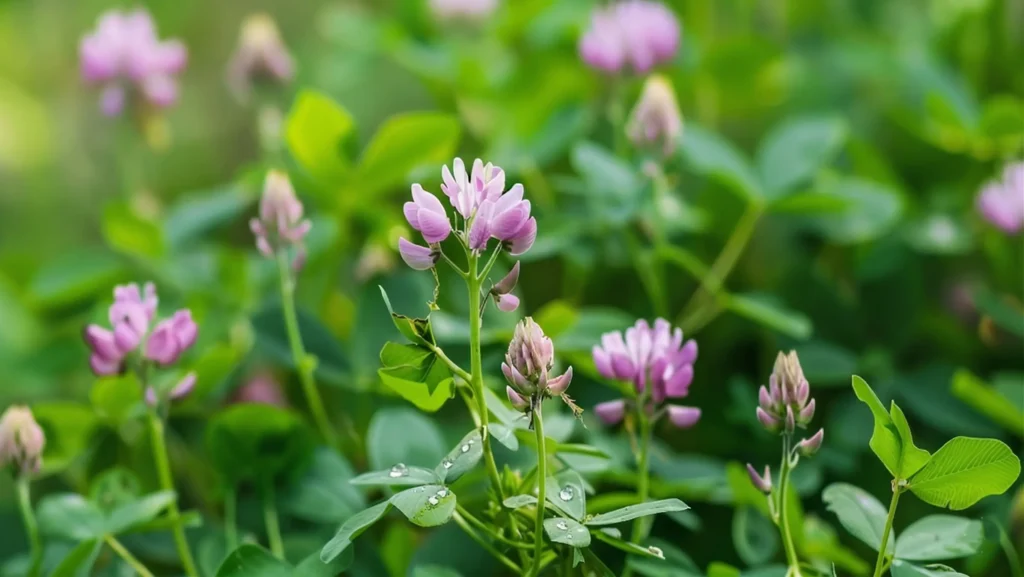
Astragalus membranaceus
Astragalus (Astragalus membranaceus) also known by the Chinese name, huang qi (literally translated as “yellow energy” or yellow leader), has been used medicinally in China for thousands of years. Astragalus is one of the most important and widely used tonic herbs, known for strengthening bone marrow and Qi.
Astragalus has demonstrated a wide range of potential therapeutic applications in immunodeficiency syndromes, as an adjunct cancer therapy, and for its adaptogenic effect on the heart and kidneys. Astragalus root has been used to promote immune function and as a tonic to build stamina. Ancient Chinese texts record the use of Astragalus for tonifying the spleen, blood, and qi.11
Extensive pharmacological research demonstrates that extracts from Astragalus exhibit multiple therapeutic properties including: enhanced telomerase activity, antioxidant, anti-inflammatory, immunoregulatory, anticancer, hypolipidemic, antihyperglycemic, hepatoprotective, expectorant, and diuretic effects.
Astragalus has demonstrated significant immune system rejuvenation in clinical studies. Astragalus extract contributes to lifespan extension, vascular health preservation, neuroprotection, and cancer prevention, synthesizing evidence from both experimental and clinical investigations.12,13
Astragalus helps restore NK cell function and supports healthy T-cell counts; and increases the infiltration of NK cells into tumors and upregulates the antitumor response of NK cells.14
A meta-analysis of 34 randomized trials demonstrated that Astragalus-based herbs combined with platinum-based chemotherapy significantly improved 24-month survival rates compared to platinum-based chemotherapy alone.
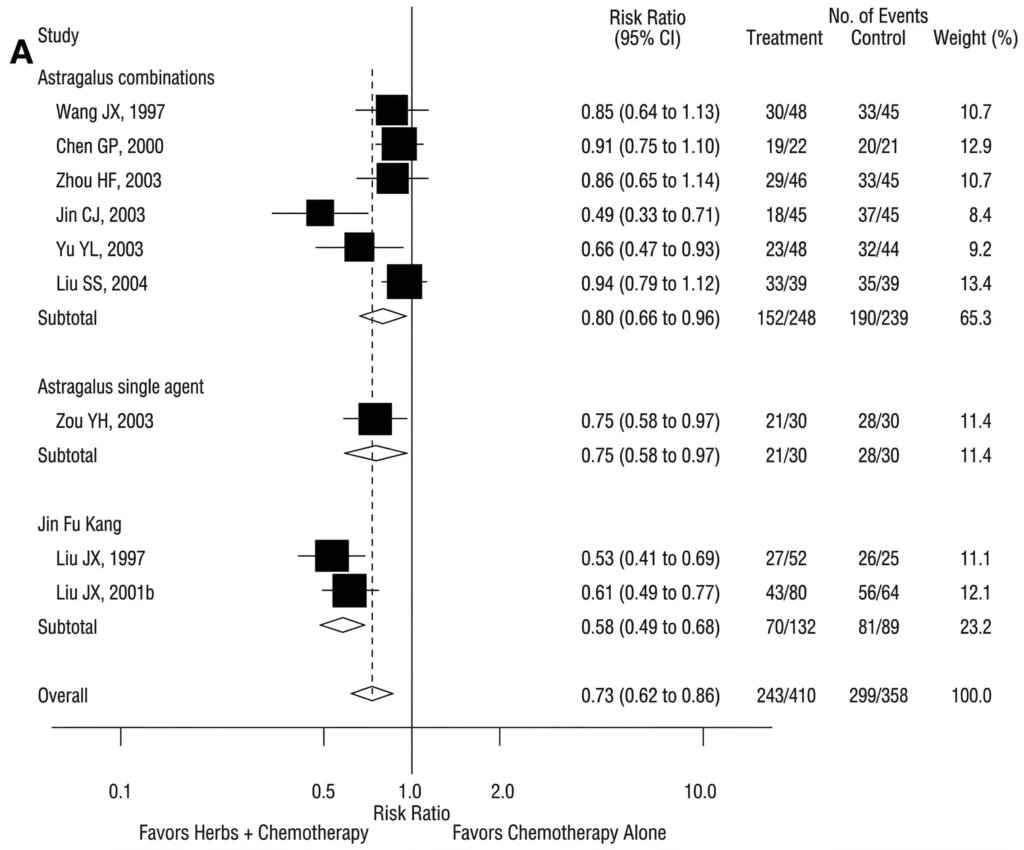
Astragalus-based herbal formula improves survival, increases tumor response, enhances performance status, and reduces chemotherapy toxicity.15
Enhanced Immune Response Danggui Buxue Tang (DBT), a Chinese medicinal decoction traditionally used for women’s ailments, contains Radix Astragali (Astragalus root) and Radix Angelicae Sinensis (Chinese angelica root) in a 5:1 ratio, as described in 1247 A.D. This formulation stimulates immune responses, inducing T-lymphocyte proliferation, interleukin-2 secretion, and extracellular signal-regulated kinase phosphorylation. It also increases macrophage phagocytosis. Research confirms that the 5:1 ratio produces the strongest immunomodulatory effects, validating the ancient formulation.16
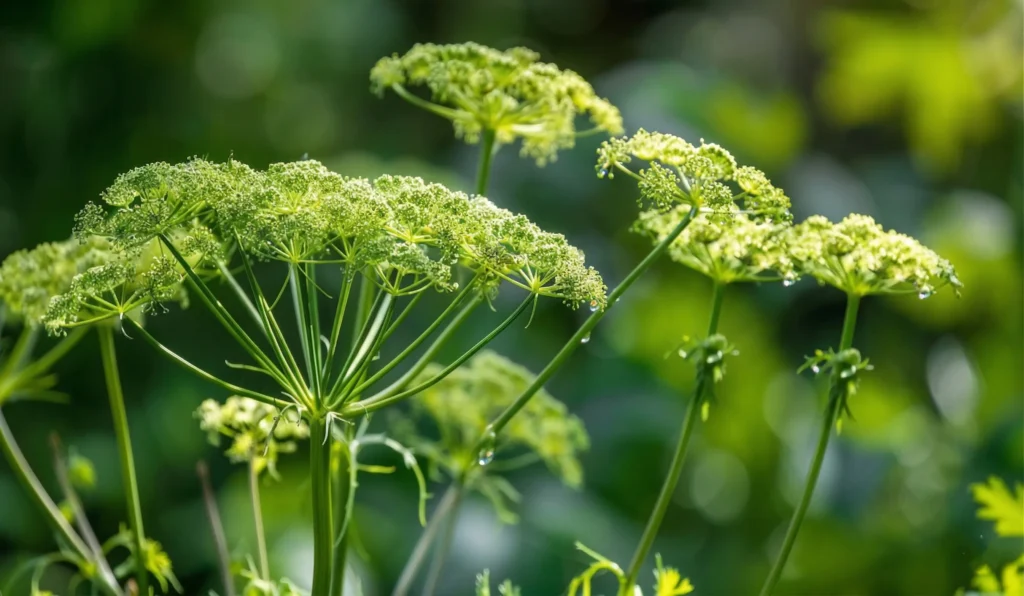
Angelica sinensis root (Dong quai, tang kuei)
Dong quai (Angelica sinensis) is traditionally considered one of the most important herbs for strengthening and moving blood. It is indicated for symptoms including pale face, tinnitus, blurred vision, heart palpitations, and pain from blood stagnation.
Containing small amounts of vitamin B12, it serves as a blood-building tonic for anemia caused by chemotherapy. Dong quai is a common Fu Zheng herb in TCM therapy. It stimulates erythropoietin (EPO), a glycoprotein cytokine secreted by the kidney in response to cellular hypoxia that stimulates red blood cell production in bone marrow.
Additionally, dong quai enhances immune function, demonstrates antitumor activity, inhibits platelet aggregation, and reduces vascular permeability. It has shown anti-tumor effects against various cancers, including prostate cancer, while providing bone marrow and gastrointestinal protection during chemotherapy and radiation therapy. 17,18,19,20
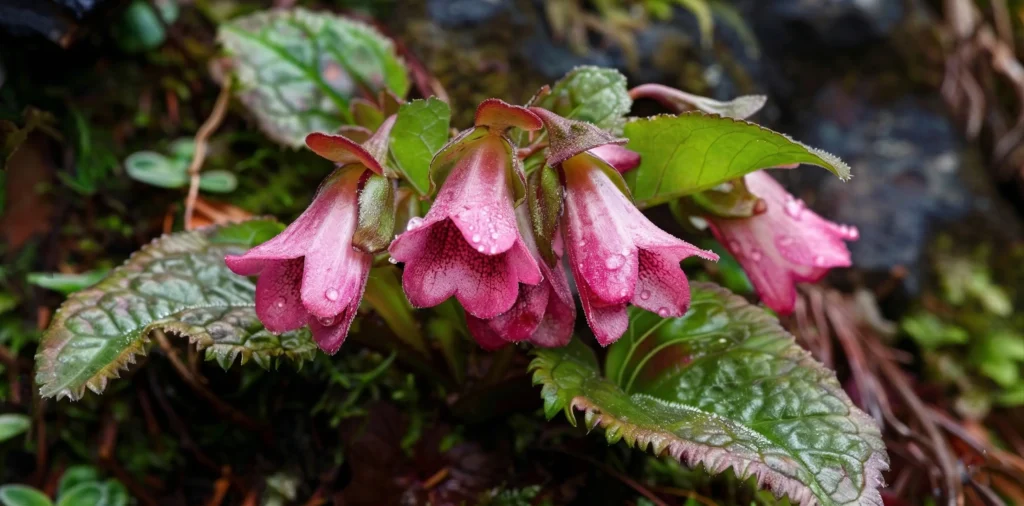
Rehmannia glutinosa Cooked Root (Shu Di Huang)
With a history spanning thousands of years, rehmannia is one of the most popular tonic herbs in Traditional Chinese Medicine. Central to TCM is maintaining balance between the opposing forces of yin and yang. Rehmannia is said to “balance the yin” and is a key component in many tonic formulas.
First documented in Chinese medical literature around 200 B.C. during the Han Dynasty, this root is considered one of the 50 most important herbs in Oriental Medicine.
Rehmannia root is regarded as a longevity tonic that enhances and energizes blood circulation throughout the body, particularly in the brain. It strengthens those with blood deficiencies and alleviates symptoms of anemia. This herb provides support for the brain, heart, nervous, endocrine, and immune systems.
Rehmannia Oral Liquid effectively protects hematopoietic, immune, cardiac, hepatic, and renal functions during chemotherapy, providing objective data for clinical applications.21
Neurological Benefits Recent studies suggest that Rehmannia root may improve Attention Deficit Hyperactivity Disorder (ADHD) by reversing structural abnormalities in the cortex. It inhibits spontaneous activity in mice, improves learning and memory in rats following thalamic arcuate nucleus injury, and exhibits antidepressant effects.
Catalpol, an active component of Rehmannia, elevates brain-derived neurotrophic factor (BDNF) and attenuates neuronal apoptosis and energy metabolism failure. Since ADHD is characterized by hyperactivity-impulsivity and impairments in learning and memory, Rehmannia may effectively treat ADHD by alleviating neurodevelopmental abnormalities, neuronal apoptosis, and energy metabolism failure.22
Cancer-Fighting Properties Rehmannia glutinosa polysaccharides (LRPS) markedlyincrease p53 gene expression.23 Hot water extracts inhibit proliferation, stimulate p53-mediated apoptosis, and inhibit tumor growth in animals through enhanced immune response, specifically boosting IL-2 and cytotoxic T cells.24
Synergistic Formulations
A well-known Traditional Chinese Herbal formula demonstrates synergistic targets of four herbs—Astragalus root, Pueraria root, Ophiopogon japonicus root, and Salvia miltiorrhiza root—in cardiovascular diseases.25 This combination has been used in Traditional Chinese Medicine (TCM) and increasingly researched in modern medicine for cardiovascular support. Together, they show synergistic properties that protect the heart, blood vessels, and endothelial lining through anti-inflammatory, antioxidant, vasodilatory, and anti-fibrotic actions.
Here’s a breakdown of their synergy and tonic mechanisms in the context of heart disease prevention and treatment:
Astragalus Root (Astragalus membranaceus)
Key actions: Immune modulation, antioxidant, anti-inflammatory, cardioprotective
Active compounds: Astragalosides, flavonoids, polysaccharides
Heart-related benefits:
- Improves cardiac function in heart failure
- Reduces oxidative stress and inflammation in cardiac tissue
- Enhances ATP production in heart muscle
- Supports vascular repair and endothelial function
Synergy: Enhances the immune and mitochondrial-supportive actions of the other herbs
Pueraria Root (Pueraria lobata / Kudzu)
Key actions: Vasodilator, phytoestrogenic, antioxidant, anti-arrhythmic
Active compounds: Puerarin, daidzein, genistein
Heart-related benefits:
- Improves blood flow by dilating coronary and cerebral vessels
- Protects against ischemia-reperfusion injury
- Regulates blood pressure
- Reduces arrhythmias
Synergy: Puerarin enhances microcirculation and estrogenic vascular protection, boosting Dan Shen’s and Astragalus’s effects
Ophiopogon japonicus Root (Mai Men Dong)
Key actions: Yin-nourishing, moistening, anti-inflammatory, anti-apoptotic
Active compounds: Ophiopogonins, saponins, polysaccharides
Heart-related benefits:
- Reduces myocardial apoptosis (cell death) during oxidative stress
- Inhibits cardiac fibrosis and stiffening of heart tissue
- Supports fluid metabolism, beneficial in heart failure
- Soothes the nervous system and supports cardiovascular homeostasis
Synergy: Provides Yin and fluid support, balancing the other herbs and protecting cardiac tissue at a structural level
Salvia miltiorrhiza Root (Dan Shen)
Key actions: Circulatory stimulant, anticoagulant, antioxidant, anti-fibrotic
Active compounds: Tanshinones (lipophilic) and salvianolic acids (hydrophilic)
Heart-related benefits:
- Improves blood flow and prevents blood clots
- Reduces angina and protects against myocardial infarction
- Decreases cardiac fibrosis and ventricular remodeling
- Protects endothelial cells and lowers blood viscosity
Synergy: Amplifies the microcirculation-enhancing and anti-inflammatory properties of the other herbs
Conclusion
Tonic herbs are powerful tools for supporting the body’s natural healing abilities. Unlike medicines used to treat symptoms right away, tonic herbs work slowly over time to strengthen the body’s core systems, including the immune system, blood, heart, and energy levels. The Eclectic and Traditional Chinese Medicine traditions understood that health is more than just the absence of disease, it’s about building strength, balance, and resilience. Herbs like yellow dock, astragalus, dong quai, and rehmannia all show strong support for nourishing blood health, energy, and immune function. When used together in carefully crafted formulas, these herbs can create powerful healing effects through their combined or synergistic actions. This gentle yet effective way of supporting the system continues to be backed by both tradition and modern science. By using tonic herbs wisely, we can help protect our bodies, slow down aging, and improve long-term vitality.

- Scudder, J. M. The American Eclectic Materia Medica and Therapeutics. Tenth Edition, revised and rewritten. 1883. P. 51
- Alstat, Christine, Exploring the Eclectics and the Eclectic Medical Movement, April 8, 2025,https://eclecticherb.com/blogs/news/exploring-the-eclectics-and-the-eclectic-medical-movement
- Yang Y, Zhang Z, Li S, Ye X, Li X, He K. Synergy effects of herb extracts: pharmacokinetics and pharmacodynamic basis. Fitoterapia. 2014 Jan;92:133-47. doi: 10.1016/j.fitote.2013.10.010.
- Zhang A, Sun H, Yuan Y, Sun W, Jiao G, Wang X. An in vivo analysis of the therapeutic and synergistic properties of Chinese medicinal formula Yin-Chen-Hao-Tang based on its active constituents. Fitoterapia. 2011 Dec;82(8):1160-8. doi: 10.1016/j.fitote.2011.07.014.
- ELLINGWOOD, FINLEY M.D. (1919), Ellingwood’s American Materia Medica, Therapeutics and Pharmacognosy – Page 47
- Kuhn, M. & Winston, D. (2008). Winston & Kuhn’s herbal therapy and supplements [2nd ed.]. Philadelphia, PA: Wolters Kluwer Health.
- ELLINGWOOD, FINLEY M.D. (1919), Ellingwood’s American Materia Medica, Therapeutics and Pharmacognosy – Page 47
- Maksimović Z, Kovacević N, Lakusić B, Cebović T. Antioxidant activity of yellow dock (Rumex crispus L., Polygonaceae) fruit extract, Phytother Res. 2011 Jan;25(1):101-5. doi: 10.1002/ptr.3234.
- Shahat AA, Alsaid MS, Kotob SE, Ahmed HH. Significance of Rumex vesicarius as anticancer remedy against hepatocellular carcinoma: a proposal-based on experimental animal studies. Asian Pac J Cancer Prev. 2015;16(10):4303-10.
- Shim KS, Lee B, Ma JY. Water extract of Rumex crispus prevents bone loss by inhibiting osteoclastogenesis and inducing osteoblast mineralization, BMC Complement Altern Med. 2017 Oct 26;17(1):483. doi: 10.1186/s12906-017-1986-7.
- Duke JA. Handbook of Phytochemical Constituents of GRAS Herbs and Other Economic Plants. Boca Raton: CRC Press, 1992: 83.
- 87 Liu P, Zhao H, Luo Y. Anti-Aging Implications of Astragalus Membranaceus (Huangqi): A Well-Known Chinese Tonic, Aging Dis. 2017 Dec 1;8(6):868-886. doi: 10.14336/AD.2017.0816. eCollection 2017 Dec.
- de Jaeger C, Kruiskamp S, Voronska E, Lamberti C, Baramki H, Beaudeux JL, Cherin P. A Natural Astragalus-Based Nutritional Supplement Lengthens Telomeres in a Middle-Aged Population: A Randomized, Double-Blind, Placebo-Controlled Study. Nutrients. 2024 Sep 3;16(17):2963. doi: 10.3390/nu16172963. PMID: 39275278; PMCID: PMC11397652.
- Chen X, Chen X, Gao J, Yang H, Duan Y, Feng Y, He X, Gong X, Wang H, Wu X, Chang J. Astragaloside III Enhances Anti-Tumor Response of NK Cells by Elevating NKG2D and IFN-γ. Front Pharmacol. 2019 Aug 13;10:898. doi: 10.3389/fphar.2019.00898. PMID: 31456687; PMCID: PMC6701288.
- Michael McCulloch et al., Astragalus-Based Chinese Herbs and Platinum-Based Chemotherapy for Advanced Non–Small-Cell Lung Cancer: Meta-Analysis of Randomized Trials. JCO 24, 419-430(2006). DOI: 10.1200/JCO.2005.03.6392
- Gao QT, Cheung JK, Li J, Chu GK, Duan R, Cheung AW, Zhao KJ, Dong TT, Tsim KW. A Chinese herbal decoction, Danggui Buxue Tang, prepared from Radix Astragali and Radix Angelicae Sinensis stimulates the immune responses. Planta Med. 2006 Oct;72(13):1227-31.
- Zheng M, Wang YP. [Experimental study on effect of Angelica polysaccharide in inhibitory proliferation and inducing differentiation of K562 cells] Zhongguo Zhong Xi Yi Jie He Za Zhi. 2002 Jan;22(1):54-7.
- Cheng YL, Chang WL, Lee SC, Liu YG, Chen CJ, Lin SZ, Tsai NM, Yu DS, Yen CY, Harn HJ. Acetone extract of Angelica sinensis inhibits proliferation of human cancer cells via inducing cell cycle arrest and apoptosis. Life Sci. 2004 Aug 13;75(13):1579-94.
- Shang P, Qian AR, Yang TH, Jia M, Mei QB, Cho CH, Zhao WM, Chen ZN. Experimental study of anti-tumor effects of polysaccharides from Angelica sinensis. World J Gastroenterol. 2003 Sep;9(9):1963-7.
- Ng SS, Figg WD. Antitumor activity of herbal supplements in human prostate cancer xenografts implanted in immunodeficient mice. Anticancer Res. 2003 Sep-Oct;23(5A):3585-90.
- Xu JP. [Research on liu wei Rehmannia oral liquid against side-effect of drugs of anti-tumor chemotherapy] Zhongguo Zhong Xi Yi Jie He Za Zhi. 1992 Dec;12(12):734-7, 709-10.
- Yuan H, Yang M, Han X, Ni X. The Therapeutic Effect of the Chinese Herbal Medicine, Rehmanniae Radix Preparata, in Attention Deficit Hyperactivity Disorder via Reversal of Structural Abnormalities in the Cortex. Evid Based Complement Alternat Med. 2018 Oct 14;2018:3052058. doi: 10.1155/2018/3052058.
- Wei XL, Ru XB. [Effects of low-molecular-weight Rehmannia glutinosa polysaccharides on p53 gene expression] Zhongguo Yao Li Xue Bao. 1997 Sep;18(5):471-4.
- Chen LZ, Feng XW, Zhou JH. Effects of Rehmannia glutinosa polysaccharide b on T-lymphocytes in mice bearing sarcoma 180. Zhongguo Yao Li Xue Bao. 1995 Jul;16(4):337-40.
- Wang X, Xu X, Tao W, Li Y, Wang Y, Yang L. A systems biology approach to uncovering pharmacological synergy in herbal medicines with applications to cardiovascular disease. Evid Based Complement Alternat Med 2012, 519031