
I’ve recently received a number of queries from patients and practitioners who are curious about a handful of studies and anecdotal reports that indicate a ketogenic diet may help to curtail cancer growth. For those not familiar with the ketogenic diet, it’s a very low carbohydrate diet that contains moderate amounts of protein and a high percentage of fats.
I prefer to think of foods in their whole, natural forms (for example, almonds, apples, asparagus, blueberries, oatmeal, olives, potatoes, rye, and salmon) instead of in reductionist terms of carbohydrates, fats, and proteins. Keeping this in mind, the primary purpose of dietary carbohydrates is for fuel—the body converts carbohydrates via the liver into glucose, which is used for everything from powering muscles to brain function. When confronted with a lack of carbohydrates, the body switches to burning fats for energy by converting fats (again via the liver) into ketone bodies.
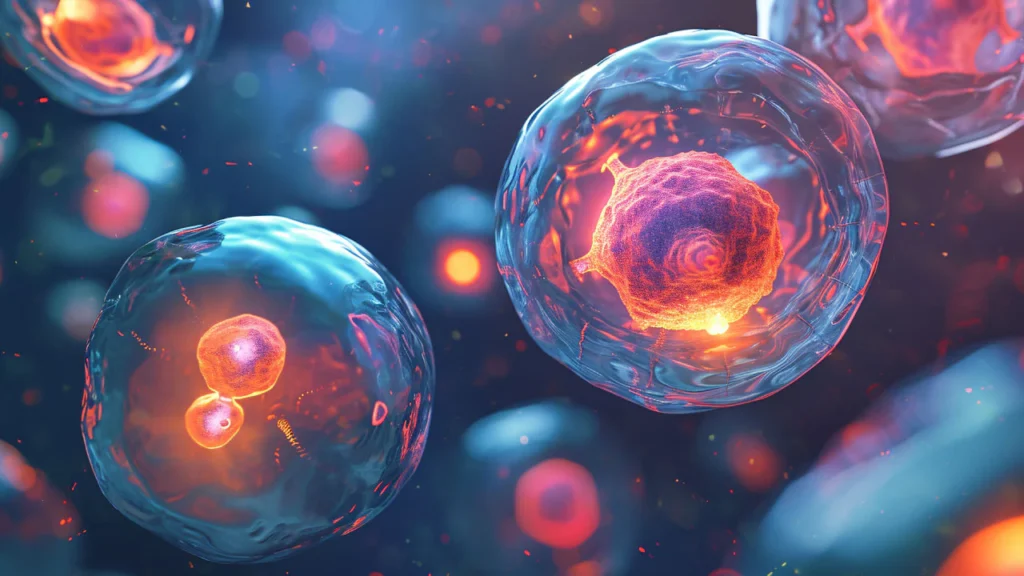
Here’s why cutting back on carbohydrates appears to curtail cancer growth: Cancer cells primarily use glucose for fuel, but healthy cells primarily use oxygen and secondary glucose, fatty acids, and ketone bodies. The idea behind the ketogenic diet is to starve cancer cells by depriving them of glucose, while continuing to provide healthy cells with ketone bodies for energy. On the surface, the ketogenic diet makes sense. But I don’t recommend it, because although a ketogenic diet may be an improvement over a nutritionally poor diet, it’s not what I consider to be an ideal diet. For one thing, if deprived of glucose, cancer cells can adapt, diversify, and hijack our metabolic system, altering fatty acids and certain amino acids like glutamine for energy production. They can also make glucose through the catabolic breakdown of healthy tissue. When this gets out of control, cancer-related cachexia develops, resulting in weight loss, muscle atrophy, and loss of appetite.
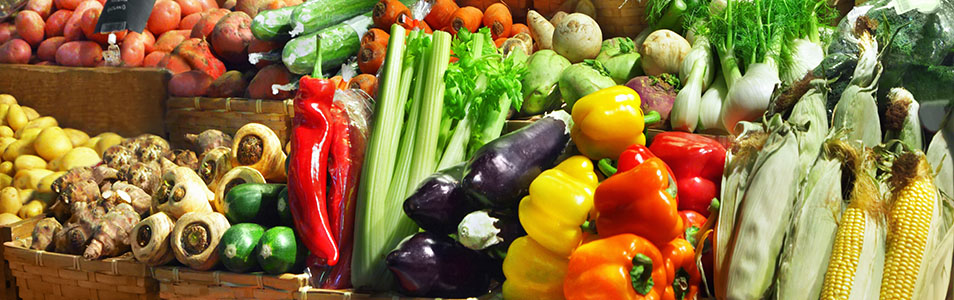
Although I am not a proponent of a ketogenic diet, I’m not opposed to any diet that shifts someone from unhealthy eating habits to a healthier diet. In fact, my dietary recommendations share some similarities with the ketogenic diet: I wholeheartedly support eliminating refined carbohydrates, simple sugars, processed foods, and GMO foods. And I recommend a moderate intake of healthful proteins and plenty of good fats (such as avocados, extra virgin olive oil, olives, coconut oil, nuts, and seeds). But I do not advise eliminating or severely restricting whole-food “slow” carbohydrates. Eating a wide variety of fresh vegetables (including high carbohydrate root vegetables), fresh fruits, and whole grains provides your body with an abundance of essential phytonutrients that offer potent protection against all types of cancer, as well as every other degenerative disease.
Grains have gotten a lot of bad press in the past few years—it seems that grains are the current dietary “villain” and targeted as the cause of all of our health problems. I see this as just another wild pendulum swing in dietary advice. Whole grains are not the problem. A massive amount of research has documented just the opposite, showing that whole grains are protective against cancer and chronic disease. I have a simple general visual rule that helps in planning healthful meals: Your plate should contain 50% vegetables, 25% whole-grain or root vegetables and 25% protein. The protein and grain portion should be roughly the size of your fist, with double the amount of vegetables.
Eating in this way will help to keep your blood sugar (glucose) and insulin levels within healthy parameters. The link between elevated glucose and insulin levels and cancer incidence is well accepted within the medical community. Studies have shown that people with the highest fasting serum glucose levels suffer higher death rates from all cancers combined when compared to people with the lowest levels. Other biomarkers related to cancer and insulin resistance include fasting insulin, hemoglobin A1C, C-peptide, and leptin-to-adiponectin, both of which are adipose hormones. The association is strongest for pancreatic cancer, but significant associations have also been found for cancers of the esophagus, liver, and colon/rectum in men, and of the breast, cervix, and liver in women. Elevated fasting serum glucose levels and a diagnosis of diabetes have been shown to be independent risk factors for several major cancers, and the risk rises with increased levels of fasting serum glucose.
While we’re on the topic of carbohydrates, let’s take a quick look at fructose. A sugar that naturally occurs in fruits, honey, and some vegetables, fructose naturally occurring in these foods is not a problem for most people. Natural, whole food sources of fructose are rich sources of beneficial phytonutrients and satisfy our innate craving for sweet flavors. Problems arise when these naturally sweet foods are processed and refined and are no longer in their whole, fiber-rich form. Obtaining fructose from fresh fruits, where it occurs in conjunction with water, fiber, minerals, and vitamins, naturally limits the amount of fructose we can ingest at any one time. However, in our modern world, fructose is no longer confined to whole foods in the diet. Just like any other sugar, once fructose has been processed, refined, concentrated, and added to other foods and drinks (such as soda)— most often as high fructose corn syrup—it has significant deleterious effects on the body.
Glucose and fructose are metabolized very differently—while every cell in the body can use glucose, the liver is the only organ that can metabolize fructose. When large amounts of fructose are consumed, the liver is forced to turn fructose into fat, which raises blood levels of VLDL cholesterol and triglycerides, increases levels of uric acid, causes insulin resistance, and contributes to leptin resistance (a hormone that controls appetite and fat storage). Excess fructose consumption appears to be strongly related to obesity, type 2 diabetes, cardiovascular disease, and cancer.
To recap, my recommendation is not to eliminate healthful sugars (fruits) or complex carbohydrates (whole grains and root vegetables) from the diet, but rather to control blood glucose and insulin within a narrow range by eliminating simple sugars and processed foods, exercising regularly, managing stress, and getting enough sleep. I try to outline and balance out a diet for an individual based on these areas: geographic location, season, energetic type (deficiency/excess, Yin/Yang, organ systems weakness), traditional diet (ethnic background, taste preferences), chronic and/or acute conditions or disease, nutrigenomics (diet-gene interaction), lifestyle (work/exercise), and environmental influences (toxic exposure).
Diets should always be tailored to the individual. For example, if you are sedentary, then you should probably eat less of foods high in carbohydrates and/or fats (even healthful sources). If you are active, then you should be eating more to provide your body with sufficient energy and nutrients. As an example of climate and geographic influence, the colder the climate, the more fat and less starch people traditionally consume.
Finally, I recommend including specific foods and culinary herbs with insulinotrophic actions that aid in balancing blood insulin and glucose levels. These foods and herbs also have demonstrated cancer preventive properties: Bitter melon (Momordica charantia), Jerusalem artichoke (Helianthus tuberosus), and common herbs like cinnamon, rosemary, and sage. All of these foundational lifestyle habits are proven to support the regulation of glucose and insulin levels. Eating and living in this way optimizes health and will help to prevent all degenerative diseases, including cancer.