


By Donnie Yance
Imagine a conversation happening beneath the threshold of conscious awareness—a molecular dialogue between cells and tissues, an exchange of chemical signals that determines which connections strengthen, which fade away, and which pathways become the highways of our internal landscape. This is the realm of trophic interactions, from the Greek word trophe, meaning nourishment. It is perhaps nature’s most fundamental principle: that survival, growth, and resilience emerge not from isolation, but from the constant exchange of nourishing signals between cells and the tissues they serve.
In this elegant system, cells don’t simply exist—they listen. They respond. They adapt. A neuron extending toward a muscle, an immune cell patrolling tissue, a network of brain cells forming a memory—all are engaged in an ongoing negotiation, asking: “Am I needed here? Am I making the right connections? Should I grow stronger or gracefully withdraw?” The answers come in the form of trophic factors—proteins that act as molecular affirmations, telling cells “yes, you are needed; yes, maintain this connection; yes, continue to thrive.”
This is not merely a mechanism of the nervous system. It is a universal principle of biological organization, one that operates across every system in the body. Understanding how trophic interactions work opens a window into how botanical medicines exert their profound effects—not by forcing change, but by supporting the body’s inherent capacity for self-nourishment, self-regulation, and intelligent adaptation.
The Three Principles of Trophic Nourishment
At the heart of trophic interactions lie three elegant principles that govern how our bodies build and maintain their networks:
- First, cells depend on trophic nourishment to survive and thrive. Just as we need food to sustain our bodies, individual cells require specific molecular signals to maintain their vitality. Without these signals—these chemical affirmations of purpose—cells cannot sustain the energy-intensive work of maintaining connections, responding to demands, or adapting to change. This dependency is not a weakness; it is a feature of intelligent design, ensuring that only cells serving a genuine purpose receive the resources to continue.
- Second, tissues produce these nourishing signals in carefully limited amounts. The body does not flood its systems with trophic factors indiscriminately. Instead, target tissues—whether muscle, organ, or other neurons—synthesize and release these precious molecules in quantities proportional to their needs. A well-used muscle produces more trophic support for its nerve supply; an active brain region generates more factors to maintain its neural networks. This scarcity is intentional, creating a feedback system where demand shapes supply.
- Third, this scarcity creates beneficial competition that drives robustness. When multiple neurons extend toward the same target, they compete for the limited trophic factors available. This is not ruthless competition, but rather nature’s quality control—a process of refinement where the most appropriate, most active, most needed connections receive reinforcement, while redundant or weak connections are gently pruned away. The result is a system of remarkable efficiency and resilience, where resources flow to where they’re most needed, and networks continuously optimize themselves.
These three principles create what we might call “trophic wisdom”—a self-organizing intelligence that operates without conscious direction, building robustness through selective nourishment and strategic pruning.1
The Discovery That Changed Everything: Nerve Growth Factor
The story of how we came to understand trophic interactions is itself a tale of scientific intuition meeting careful observation. In the early 1950s, two researchers at Washington University—Rita Levi-Montalcini and Viktor Hamburger—were puzzling over a curious phenomenon. When they removed developing limb buds from chick embryos, the motor neurons that would have supplied those limbs died in large numbers. It was as if the limb itself was somehow feeding the neurons, and without that nourishment, the nerve cells could not survive.
This observation led them to a bold hypothesis: perhaps target tissues produce some kind of signal, some molecular message that tells neurons “you are needed here.” And perhaps this signal exists in limited quantities, which would explain why so many neurons die during normal development—they’re competing for a finite resource, and only those making the most appropriate connections receive enough to survive.
To test this idea, they turned to an unexpected experimental system. A former student had performed a peculiar experiment: replacing a chick embryo’s limb with a piece of mouse tumor tissue. The result was startling—instead of causing the expected neuron death, the tumor caused a massive enlargement of the sensory and sympathetic ganglia that would normally supply the limb. It was as if the tumor was producing the hypothesized signal in abundance, like a factory working overtime.
This was the breakthrough moment. Levi-Montalcini and Hamburger realized they had found not just evidence for their theory, but a rich source of the mysterious factor. The tumor was secreting something that neurons desperately wanted—something that promoted their survival and growth. Working with biochemist Stanley Cohen, Levi-Montalcini developed methods to isolate and purify this substance. When they added it to dishes containing nerve tissue, the results were dramatic: neurons exploded with growth, sending out a halo of fiber-like projections in all directions, as if reaching eagerly toward the source of nourishment.
They named it nerve growth factor—NGF—for its remarkable ability to promote neuronal survival and stimulate the outgrowth of nerve fibers. Eventually, they discovered that NGF exists naturally in many tissues throughout the body, with particularly high concentrations in certain unexpected places, like the salivary glands of male mice. This protein, they learned, is produced by target tissues and taken up by the neurons that innervate them, providing the molecular nourishment needed for survival and connection maintenance.
The discovery of NGF revealed something profound: our bodies are engaged in constant trophic dialogue, with tissues literally feeding the nerve cells that serve them, and nerve cells responding by maintaining or withdrawing their connections based on the nourishment they receive. For this groundbreaking work, Levi-Montalcini and Cohen were awarded the Nobel Prize in 1986.2
Beyond NGF: The Trophic Family Expands
NGF was just the beginning. As researchers looked deeper, they discovered an entire family of related molecules, each playing similar but distinct roles in different parts of the nervous system and beyond. Among the most important is brain-derived neurotrophic factor, or BDNF.
Where NGF primarily supports sensory and sympathetic neurons, BDNF operates throughout the central nervous system—in the brain and spinal cord—supporting the survival and function of neurons involved in learning, memory, mood regulation, and higher cognitive functions. BDNF is released when neurons are active, creating a beautiful feedback loop: use strengthens connections, and strengthened connections become easier to use. This is the molecular basis of the phrase “neurons that fire together, wire together.”
But BDNF does more than support survival and growth. It enhances synaptic plasticity—the ability of connections between neurons to strengthen or weaken in response to experience. It promotes the formation of new neurons in certain brain regions, even in adulthood. It supports the health of mitochondria, the energy factories within cells. It even influences mood and stress resilience, with low BDNF levels associated with depression and anxiety, and increased BDNF linked to the beneficial effects of exercise, learning, and certain therapeutic interventions.
The discovery of BDNF and other neurotrophic factors revealed that trophic principles extend far beyond simple survival decisions during development. These molecules are active throughout life, continuously shaping our neural networks in response to experience, supporting adaptation and resilience, enabling learning and recovery. They are the molecular mediators of neuroplasticity—the brain’s remarkable capacity to reorganize itself. 3
The Bridge to Divine Plant Intelligence
Understanding NGF, BDNF, and the principles of trophic interaction provides us with a powerful lens for comprehending how botanical medicines work their subtle magic. Plants do not typically provide trophic factors directly—they do something perhaps more elegant: they enhance the body’s own production and utilization of these factors. They amplify the trophic dialogue already happening within us.
Certain botanical compounds increase the expression of genes that code for BDNF and other neurotrophic factors. Others enhance the sensitivity of cellular receptors to these signals, making cells more responsive to the trophic nourishment already present. Still others protect trophic factors from degradation, allowing their effects to persist longer. Some support the cellular machinery needed to respond to trophic signals—the energy production, protein synthesis, and structural remodeling that allow cells to grow, adapt, and thrive.
In doing so, botanical medicines support the same fundamental processes we see in trophic interactions: they promote appropriate survival and pruning, enhance adaptive responses to demand, support self-organization and self-regulation, and build systemic resilience. They work not by imposing external control, but by nourishing the body’s inherent wisdom through Divine Plant Intelligence—its capacity to sense what is needed, to allocate resources appropriately, to strengthen what serves and release what doesn’t.
This is the profound parallel between the trophic factors our bodies produce and the botanical medicines traditional healers have used for millennia: both operate through the principle of intelligent nourishment, supporting the body’s capacity to organize itself, to adapt, to become more robust through selective strengthening and strategic pruning. Both recognize that health emerges not from forcing change, but from providing the right conditions for the body’s own organizing intelligence to flourish.
As we explore specific botanical medicines and their effects, we will see this principle playing out again and again—plants as amplifiers of Divine Plant Intelligence—expressions of trophic wisdom, supporting the molecular conversations that build resilience across every system and network in the body.4
Phytochemicals and Vitagenes for a Healthy Brain
Polyphenols stand as luminous messengers of trophic divine intelligence—plant-born compounds that speak directly to our cellular wisdom, addressing oxidative stress, metabolic dysfunction, and inflammation at the root of nervous system disorders.
Within these phytochemicals lie an elegant paradox that reveals nature’s sophisticated design: through hormesis, they exhibit biphasic dose-response effects, activating at low doses the very antioxidant signaling pathways our bodies were designed to receive. This is no accident of chemistry, but rather an exquisite conversation between kingdoms—plants can upregulate our vitagenes (a group of genes that help cells stay healthy and survive stress), awakening the Nrf2 pathway as if they possess intimate knowledge of our biological architecture.
The precision of this intelligence becomes even more apparent when we consider that dysregulation of the Nrf2 pathway can exacerbate selective susceptibility under neuroinflammatory conditions, given the profound vulnerability of brain cells to oxidative stress. Plants, it seems, have encoded within their molecular structure the exact keys to unlock our most essential protective mechanisms.
These findings illuminate new horizons in medicine and pharmacology, revealing that molecules inducing this defense mechanism are not merely therapeutic candidates, but rather expressions of an ancient covenant between plant and human. Neurohormetic antioxidants represent an innovative approach to therapeutic intervention—one that honors the inherent intelligence of nature by potentiating the activity of vitagenes, potentially delaying the aging process, decreasing the occurrence of age-related diseases, and extending not merely lifespan, but the vitality and grace of our years.5
Divine Plant Intelligence in Action: Botanical Allies of Trophic Restoration
If trophic factors are the body’s language of nourishment, then certain plants are fluent speakers of this molecular dialect. Each botanical medicine carries within it a unique expression of Divine Plant Intelligence—a constellation of compounds refined over millions of years of evolution, designed to interact with the very same signaling pathways that govern growth, adaptation, and resilience in our own bodies.
What follows is not an exhaustive catalog, but rather an introduction to key botanical allies that demonstrate how plants support trophic restoration. Some work directly, upregulating the production of neurotrophic factors like NGF and BDNF. Others work indirectly, creating the conditions—improved circulation, reduced inflammation, enhanced cellular energy—that allow trophic signaling to flourish. Together, they reveal a profound truth: the intelligence that governs a plant’s own growth and adaptation can speak directly to the intelligence governing our own.6
The Exemplars: Three Plants That Illuminate Trophic Principles
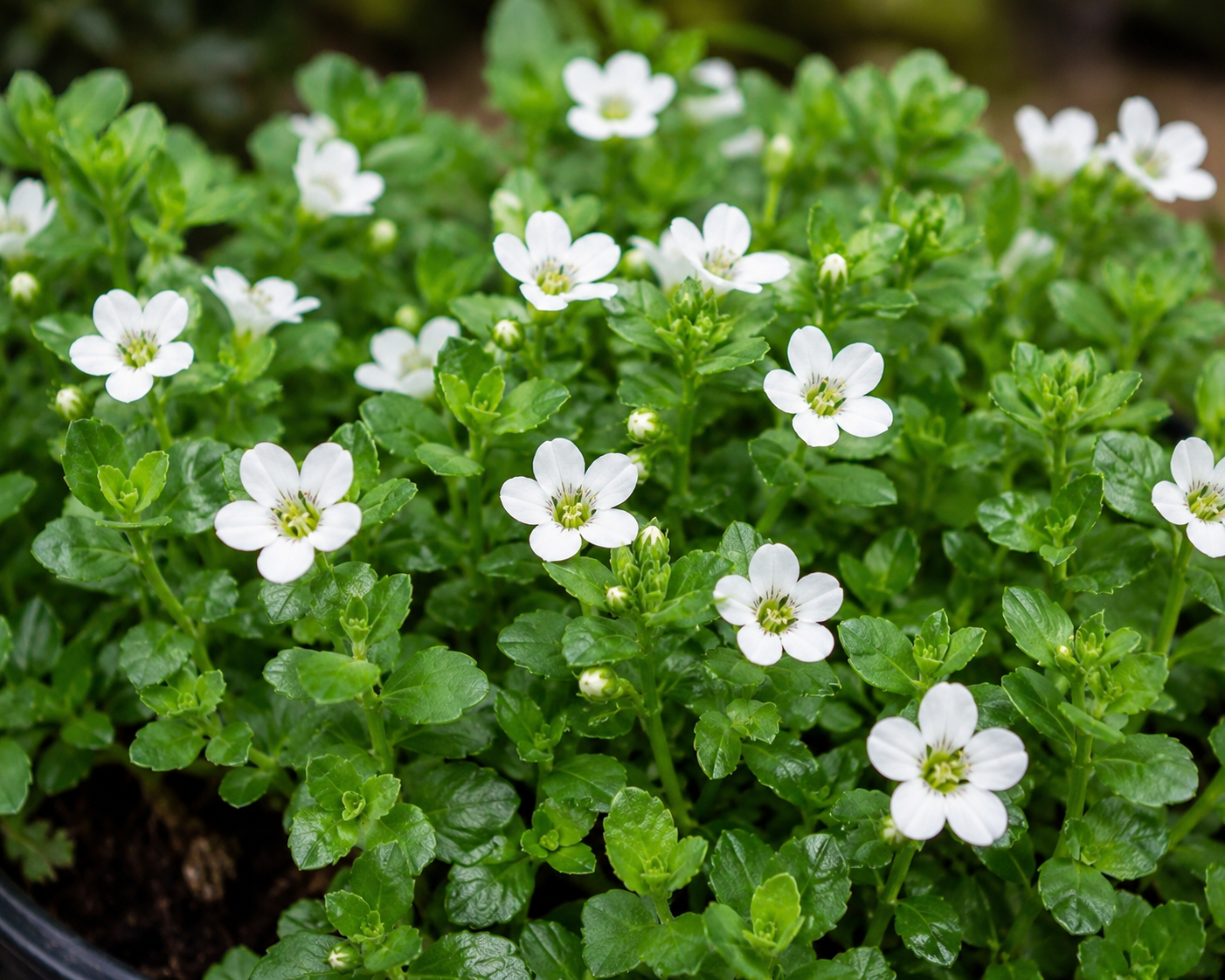
Bacopa (Bacopa monnieri): The Synaptic Sculptor
Bacopa, is a plant honored in Ayurvedic medicine with the title Brahmi referring to the divine supreme reality, and has been used for over 3,000 years to enhance memory, learning, and concentration. Ancient texts describe it as a medhya rasayana—a rejuvenator of the mind. The plant grows in wetlands, its small leaves arranged in opposite pairs along the stem, thriving in the boundaries between water and land, perhaps reflecting its ability to bridge different states of consciousness and cognitive function.
Trophic Pathway Support: Bacopa’s primary active compounds— bacosides A and B— are triterpenoid saponins that support trophic restoration through a sophisticated multi-pronged approach. Research demonstrates that Bacopa enhances BDNF expression and supports the growth of dendrites and the formation of new synapses—the connection points between neurons. It literally helps neurons reach out to one another and form the networks that underlie learning and memory.
But Bacopa’s intelligence extends to the synaptic level itself. It modulates neurotransmitter systems—particularly acetylcholine, serotonin, and GABA—ensuring that when neurons do connect, they can communicate effectively. It enhances the activity of enzymes involved in neurotransmitter synthesis while protecting against their excessive breakdown. This is crucial because trophic factors like BDNF don’t work in isolation; they operate within a complex neurochemical environment, and Bacopa helps optimize that environment.
Bacopa also demonstrates powerful antioxidant properties, particularly in protecting lipids—the fats that make up cell membranes and the myelin sheaths insulating nerve fibers. By protecting these structures from oxidative damage, Bacopa ensures that neurons can respond appropriately to trophic signals. Damaged membranes can’t properly display the receptors needed to receive trophic factors, so Bacopa’s protective effects enable the cellular machinery of trophic response to function optimally.
The Three Principles in Action: Bacopa exemplifies the principle that trophic restoration requires not just the presence of growth factors, but a cellular environment capable of responding to them. It supports the entire cascade: the production of BDNF, the structural changes neurons must undergo to form new connections, the neurotransmitter systems that make those connections functional, and the protective mechanisms that preserve the cellular machinery. In doing so, it facilitates the intelligent competition and selective strengthening that characterize healthy trophic interactions—neurons that are actively learning and forming meaningful connections receive the most support.
Practical Applications: Bacopa is particularly valuable for cognitive enhancement, learning support, and memory consolidation. It shines in situations requiring sustained mental effort, complex learning, or recovery of cognitive function after injury or during aging. Its effects on anxiety and stress response make it valuable for students, professionals, and anyone navigating cognitively demanding situations. Research suggests benefits become most apparent after 8-12 weeks of consistent use, again reflecting the gradual, cumulative nature of trophic restoration rather than immediate pharmacological effect.
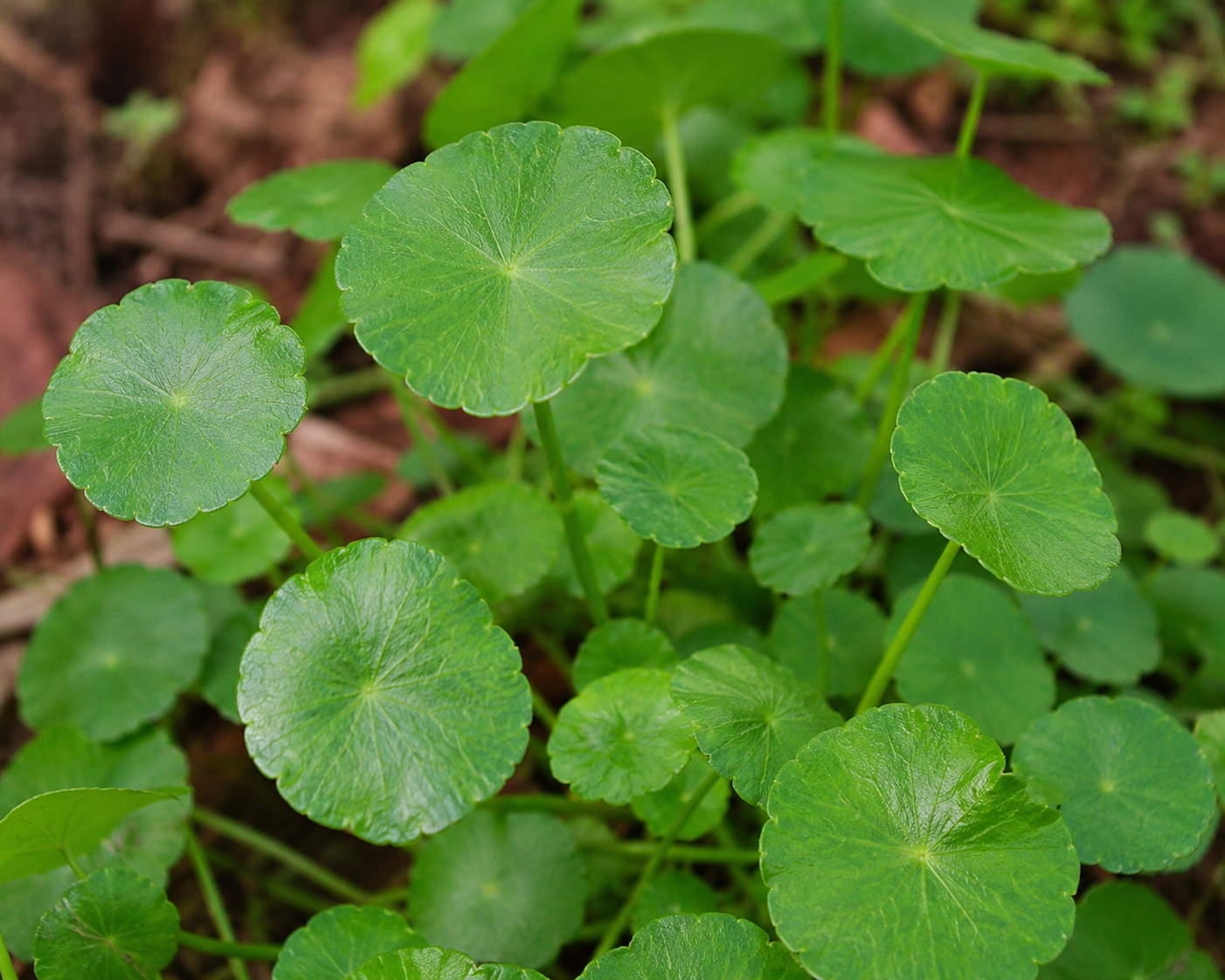
Gotu Kola (Centella asiatica): The Connector
In the Ayurvedic tradition, Gotu Kola is also known as Brahmi (though this name is sometimes also applied to Bacopa), meaning “that which gives knowledge of Brahman”—the ultimate reality. Traditional texts describe it as a rejuvenator of nerve and brain cells, a promoter of longevity, and an enhancer of meditation. The plant grows low to the ground, sending out runners that root at nodes, creating an interconnected network—again, a form that mirrors function.
Trophic Pathway Support: Gotu Kola’s primary active constituents—triterpenoid compounds called asiaticoside, madecassoside, and asiatic acid—support trophic restoration through multiple complementary mechanisms. These compounds have been shown to increase BDNF expression in the hippocampus, supporting neuroplasticity and the formation of new memories. They enhance the branching of dendrites—the receiving ends of neurons—allowing for more complex and nuanced neural networks.
But Gotu Kola’s genius extends beyond direct neurotrophic support. It profoundly enhances microcirculation, particularly in the brain and peripheral tissues. This matters because trophic factors, once produced, must travel from their source to their target. Improved circulation ensures that NGF produced by target tissues reaches the neurons that depend on it, and that BDNF released at synapses can exert its effects efficiently. Gotu Kola also strengthens the integrity of blood vessel walls and supports the health of the blood-brain barrier, ensuring that the brain’s internal environment remains stable and conducive to healthy trophic signaling.
Additionally, Gotu Kola demonstrates significant antioxidant and anti-inflammatory properties, protecting neurons from the oxidative stress that can interfere with trophic factor signaling and cellular responses. It supports the production of collagen and other structural proteins, literally helping to build the physical scaffolding upon which neural networks are constructed.
The Three Principles in Action: Gotu Kola embodies the principle that trophic nourishment requires not just the signal, but the means of delivery and a receptive environment. It ensures that the limited, precious trophic factors produced by tissues can reach their destinations efficiently. By supporting both the production of BDNF and the vascular infrastructure that delivers it, Gotu Kola facilitates the beneficial competition among neurons—those making the most appropriate connections receive the most support because the delivery system is optimized.
Practical Applications: Gotu Kola excels in situations requiring both cognitive support and physical healing. It supports wound healing and tissue repair (its traditional use is treating burns and ulcers), enhances memory and learning, reduces anxiety while improving focus, and supports recovery from traumatic brain injury or stroke. Its effects on circulation make it particularly valuable for peripheral neuropathy and conditions where compromised blood flow limits healing. Like Lion’s Mane, its benefits unfold gradually, supporting the body’s own timeline of restoration rather than forcing rapid change.
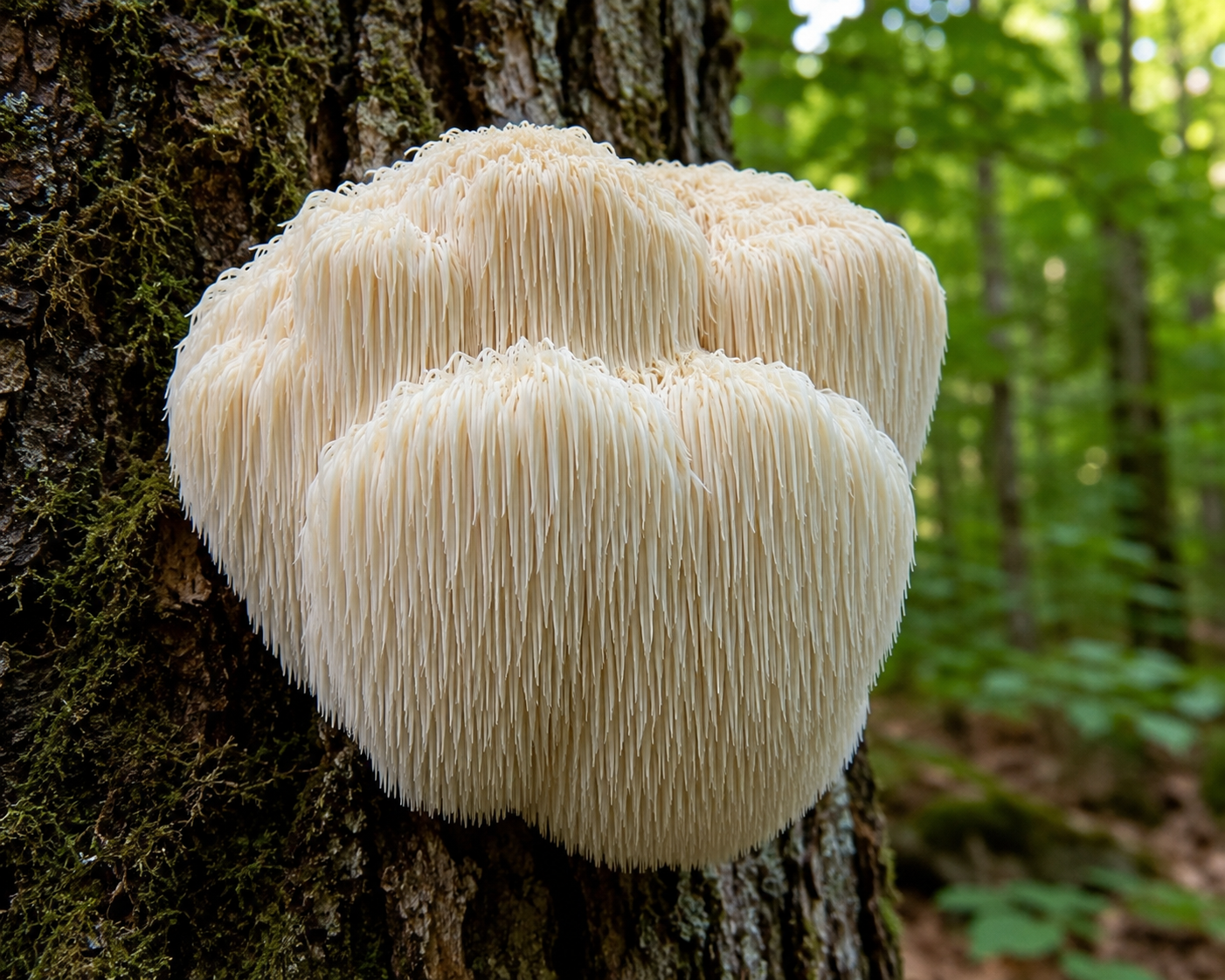
Lion’s Mane Mushroom (Hericium erinaceus): The Neural Gardener
Long revered in traditional Chinese and Japanese medicine as a tonic for the mind and spirit, Lion’s Mane mushroom has emerged in modern research as perhaps the most direct botanical supporter of nerve growth factor production. Its appearance—cascading white tendrils resembling a lion’s mane or a waterfall of icicles—seems almost to mirror the branching dendrites of neurons themselves, as if the mushroom’s form hints at its function.
Trophic Pathway Support: Lion’s Mane contains two unique families of compounds—hericenones and erinacines—that have demonstrated the remarkable ability to cross the blood-brain barrier and stimulate the synthesis of NGF and BDNF. The erinacines, in particular, are small enough to penetrate into the brain tissue itself, where they enhance the genetic expression of neurotrophic factors. In essence, these compounds tell our neurons to produce more of the very signals they need to survive, grow, and form new connections.
Research has shown that Lion’s Mane supplementation increases NGF levels in the hippocampus and cerebellum—brain regions critical for memory formation and motor coordination. It enhances the myelination of nerve fibers, improving the speed and efficiency of neural transmission. In animal studies, it has promoted the regeneration of damaged peripheral nerves, demonstrating that its trophic support extends beyond the central nervous system to the body’s entire neural network.
The Three Principles in Action: Lion’s Mane beautifully exemplifies all three trophic principles. First, it provides the molecular nourishment neurons need—not by supplying NGF directly, but by enhancing the body’s own production, ensuring cells have access to these survival signals. Second, it works within the body’s natural economy of scarcity, amplifying signals where they’re most needed rather than flooding the system indiscriminately. Third, by supporting both growth and appropriate pruning (through enhanced BDNF-mediated plasticity), it helps neural networks refine themselves, strengthening useful connections while allowing unnecessary ones to fade.
Practical Applications: Lion’s Mane shines in situations requiring neural repair, cognitive enhancement, or neuroprotection. It supports recovery from nerve injury, helps maintain cognitive function during aging, enhances focus and mental clarity, and may offer protection against neurodegenerative conditions. Its effects are gentle but cumulative, typically requiring consistent use over weeks to months to manifest fully—a timeline that mirrors the gradual, intelligent remodeling of neural networks rather than the forced, immediate changes of pharmaceutical intervention.
Expanding the Network: Supporting Cast of Botanical Allies
While Lion’s Mane, Gotu Kola, and Bacopa demonstrate direct and profound support for neurotrophic pathways, they work best not in isolation but as part of a broader botanical ecosystem. The following plants each contribute unique aspects of trophic support, creating a comprehensive approach to restoration and resilience.
Nervous System Tonics & Rebuilders: Plants That Build Resilience
Milky Oats (Avena sativa): Harvested in their “milky” stage when the grain releases a white, latex-like substance, milky oats have long been treasured as a restorative for exhausted, depleted nervous systems. While research into their specific effects on neurotrophic factors is still emerging, traditional use and clinical observation suggest they support the rebuilding of nervous system resilience after periods of prolonged stress or depletion. They appear to nourish the myelin sheaths that insulate nerve fibers and support the overall vitality of nerve tissue. Milky oats work slowly and gently, like a nutritive food for the nervous system, embodying the principle that deep restoration cannot be rushed.
Ashwagandha (Withania somnifera): This cornerstone of Ayurvedic medicine—its Sanskrit name means “smell of horse,” referring both to its scent and its traditional reputation for conferring the strength and vitality of a stallion—has demonstrated remarkable effects on stress resilience and neuroregeneration. Research shows that withanolides, its primary active compounds, promote the outgrowth of neurites (the projections that become axons and dendrites) and support the reconstruction of synapses. Ashwagandha enhances BDNF signaling and protects neurons from the damaging effects of chronic stress, particularly the elevated cortisol that can interfere with trophic factor production and cellular response. It exemplifies how supporting the body’s stress-response systems creates conditions favorable for trophic restoration.7
Holy Basil (Ocimum sanctum): Known as Tulsi in India, where it is considered sacred and grown in courtyards as a spiritual protector, Holy Basil demonstrates how Divine Plant Intelligence addresses multiple levels simultaneously. Its primary compounds—eugenol, rosmarinic acid, and various flavonoids—provide potent antioxidant and anti-inflammatory effects that protect neural tissue from damage. But Holy Basil also modulates the stress response through effects on cortisol and neurotransmitter systems, creating a calmer internal environment where trophic signaling can proceed unimpeded. It supports cognitive function and mental clarity while simultaneously calming anxiety—a combination that reflects the balanced, self-regulating nature of healthy trophic interactions.
Rhodiola (Rhodiola rosea): Growing in the harsh climates of high-altitude and arctic regions, Rhodiola embodies resilience in its very nature. Its active compounds—rosavins and salidroside—enhance the expression of neuropeptide Y, a molecule involved in stress resilience, and support healthy cortisol rhythms. Research suggests Rhodiola enhances BDNF expression and supports mitochondrial function, helping provide the cellular energy neurons need to respond to trophic signals and undergo the structural changes required for plasticity. Rhodiola demonstrates how plants that have adapted to environmental stress can help our own cells to adapt more skillfully.
Circulation & Nutrient Delivery: Ensuring Trophic Factors Reach Their Targets
Ginkgo (Ginkgo biloba): The oldest living tree species, unchanged for over 200 million years, Ginkgo carries ancient wisdom in its fan-shaped leaves. Its flavonoids and terpenoids (particularly ginkgolides) enhance cerebral and peripheral circulation, ensuring that oxygen, glucose, and trophic factors reach the tissues that need them. Ginkgo also protects against oxidative stress and supports the health of blood vessel walls. By optimizing the delivery system, it ensures that the trophic factors produced by target tissues can reach the neurons depending on them, and that neurons have the metabolic resources to respond appropriately.
Hawthorn (Crataegus spp.): Primarily known as a heart tonic, Hawthorn’s relevance to trophic restoration lies in its profound effects on circulation. Its flavonoids and oligomeric proanthocyanidins strengthen capillary walls, improve blood flow, and enhance the heart’s pumping efficiency. This matters because the cardiovascular system is the highway along which trophic factors travel. Hawthorn ensures that this highway is well-maintained and efficient, supporting the delivery of nourishment throughout the body’s networks.
Anti-inflammatory & Protective: Creating the Environment for Healthy Trophic Signaling
Turmeric (Curcuma longa): Curcumin, turmeric’s primary active compound, demonstrates how reducing inflammation creates space for trophic restoration. Chronic inflammation interferes with neurotrophic signaling at multiple levels—it reduces BDNF production, impairs cellular responses to trophic factors, and creates an environment hostile to neural plasticity. Curcumin’s potent anti-inflammatory effects, combined with its ability to cross the blood-brain barrier and its direct support for BDNF expression, make it a powerful ally in trophic restoration. It clears away the obstacles that prevent the body’s own organizing intelligence from functioning optimally.
Skullcap (Scutellaria lateriflora): This gentle nervine demonstrates how calming inflammation in the nervous system itself supports trophic health. Skullcap’s flavonoids—particularly baicalin and baicalein—provide neuroprotective effects, reducing neuroinflammation and oxidative stress. By calming an overactive, inflamed nervous system, Skullcap creates a stable internal environment where trophic factors can exert their organizing effects. It embodies the principle that sometimes the most important intervention is removing obstacles rather than adding stimulation.
Berries (Blueberry, Elderberry, Aronia): Rich in anthocyanins and other polyphenolic compounds, berries provide powerful antioxidant protection for neural tissue. Research shows that berry compounds can cross the blood-brain barrier and accumulate in brain regions involved in learning and memory, where they reduce oxidative stress and inflammation while supporting BDNF expression. They demonstrate how the colorful compounds plants produce to protect themselves from environmental stress can protect our own cells, creating conditions favorable for trophic restoration.8
Adaptive & Regulatory: Supporting Auto-Regulation and Self-Organization
Reishi (Ganoderma lucidum): Known in Chinese medicine as the “mushroom of immortality,” Reishi’s complex polysaccharides and triterpenes support immune regulation, stress adaptation, and overall systemic balance. While its effects on specific neurotrophic factors are still being elucidated, Reishi exemplifies the principle of supporting the body’s self-organizing capacity. It doesn’t force change in any particular direction; rather, it enhances the body’s ability to sense what is needed and respond appropriately, the very essence of auto-regulation.
Eleuthero (Eleutherococcus senticosus): Sometimes called Siberian Ginseng, Eleuthero supports adaptation to physical, chemical, and biological stressors. Its eleutherosides enhance cellular energy production, support healthy cortisol rhythms, and improve the efficiency of oxygen utilization. By supporting the metabolic foundation upon which all cellular processes depend, Eleuthero ensures that cells have the resources needed to respond to trophic signals—to synthesize new proteins, remodel their structures, and maintain the energy-intensive work of forming and maintaining connections.9
The Synergistic Wisdom: How Plants Work Together
What becomes clear when we view these botanical medicines through the lens of trophic intelligence is that they work not as isolated agents but as a synergistic ecosystem. Some directly enhance the production of neurotrophic factors. Others ensure these factors can reach their targets through improved circulation. Still others create the anti-inflammatory, antioxidant environment where trophic signaling can proceed unimpeded. And some support the fundamental metabolic and regulatory processes that allow cells to respond to trophic signals appropriately.
This is Divine Plant Intelligence expressing itself through diversity and cooperation—each plant contributing its unique gifts to support the whole. Just as a healthy ecosystem requires diversity to be resilient, a comprehensive approach to trophic restoration draws on multiple botanical allies, each supporting different aspects of the body’s self-organizing, self-nourishing capacity. These miraculous trophic interactions, amplified by Divine Plant Intelligence, can support nervous system healing, resilience, and the flourishing of human potential across the lifespan.

- Levi-Montalcini, R., & Hamburger, V. (2001). Viktor Hamburger and Rita Levi-Montalcini: The path to the discovery of nerve growth factor. Annual Review of Neuroscience, 24, 551–600. https://doi.org/10.1146/annurev.neuro.24.1.551
- Nobel Prize. (1986). The Nobel Prize in Physiology or Medicine 1986—Press release. NobelPrize.org. https://www.nobelprize.org/prizes/medicine/1986/press-release/
- Osakabe, N. et al. (2024). Phytochemicals and Vitagenes for a Healthy Brain. In: Kaur, G., Rattan, S.I.S. (eds) Brain and Mental Health in Ageing. Healthy Ageing and Longevity, vol 21. Springer, Cham. https://doi.org/10.1007/978-3-031-68513-2_11
- Sangiovanni, E., Brivio, P., Dell’Agli, M., & Calabrese, F. (2017). Botanicals as Modulators of Neuroplasticity: Focus on BDNF. Evidence-Based Complementary and Alternative Medicine, 2017, Article 5965371. https://doi.org/10.1155/2017/5965371
- Park, H., & Poo, M.-m. (2013). Neurotrophin regulation of neural circuit development and function. Nature Reviews Neuroscience, 14, 7–23. https://doi.org/10.1038/nrn3379
- Leal, G., Bramham, C. R., & Duarte, C. B. (2017). BDNF and hippocampal synaptic plasticity. Vitamins and Hormones, 104, 153–195. https://doi.org/10.1016/bs.vh.2016.10.004
- Szustowski, P., et al. (2023). Ashwagandha (Withania somnifera)—Current research on the health-promoting activities: A narrative review. Molecules, 28(9), 3527. https://pubmed.ncbi.nlm.nih.gov/37111543/
- Amidfar M, Garcez ML, Askari G, Bagherniya M, Khorvash F, Golpour-Hamedani S, de Oliveira J. Role of BDNF signaling in the neuroprotective and memory-enhancing effects of flavonoids in Alzheimer’s disease. (2023). Current Neuropharmacology. https://pubmed.ncbi.nlm.nih.gov/37702162/
- Panossian, A., & Wikman, G. (2010). Effects of adaptogens on the central nervous system and the molecular mechanisms associated with their stress-protective activity. Pharmaceuticals, 3(1), 188–224. https://doi.org/10.3390/ph3010188