

By Donnie Yance
How Ancient Japanese Wisdom Is Reshaping Modern Healthcare
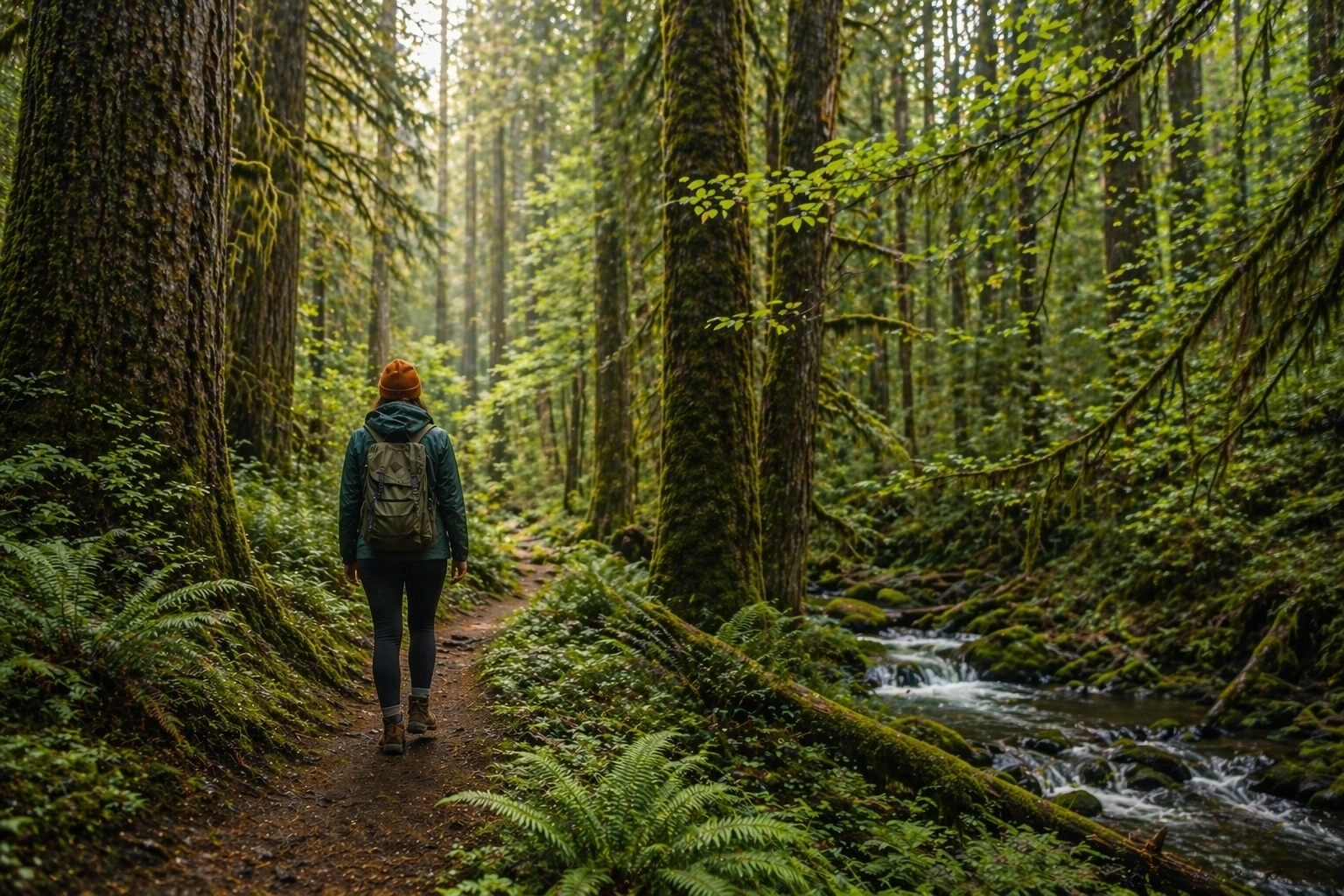
Imagine walking into your doctor’s office with stress, anxiety, or high blood pressure, and instead of leaving with a prescription bottle, you walk out with directions to the nearest forest trail. It might sound unconventional, but growing scientific evidence suggests that this could eventually become routine healthcare practice.
Ancient ‘Forest Bathing’ Meets Modern Medicine
In Japan, they call it Shinrin-Yoku—literally “forest bathing”—and it’s been part of their wellness culture for decades. But now, Western medicine is catching up, with compelling research showing that time spent among trees can be as therapeutic as many conventional treatments.
A comprehensive literature review presented at the 2025 American Psychiatry Association Annual Meeting analyzed 15 studies from around the world, revealing moderate to strong benefits for both mental and physical health. The findings are prompting healthcare providers to consider nature immersion as a legitimate tool in their lifestyle medicine toolbox—especially within integrated care systems like Medicare that are increasingly emphasizing preventive and holistic approaches.1
Why Forest Therapy Works: The Science
When you step into a forest, your body begins responding in measurable ways:
Your Immune System Gets a Boost: Trees release compounds called phytoncides—natural chemicals that increase your body’s natural killer (NK) cell activity. These cells are your immune system’s cancer-fighting warriors. Studies show that just a 2-night forest retreat can boost NK cell activity for more than a week afterward.2
Stress Hormones Plummet: Research consistently shows forest walks reduce cortisol, adrenaline, and noradrenaline levels while lowering blood pressure and heart rate.3,4 Your nervous system literally shifts from fight-or-flight mode to rest-and-digest.
Mental Health Improves: Using validated psychological assessments, researchers found that forest therapy reduces anxiety, anger, fatigue, and confusion while increasing feelings of vigor and well-being.5
The Urban Mental Health Crisis
With over half the world’s population now living in cities, we’re facing an unprecedented mental health challenge. Chronic urban stress contributes to anxiety, depression, and a host of physical ailments that strain our healthcare systems.
Enter lifestyle medicine — a growing field that addresses the root causes of disease through evidence-based lifestyle interventions. Within Medicare and other progressive care systems, practitioners are building comprehensive toolboxes that include:
- Nutritional counseling
- Exercise prescriptions
- Stress management techniques
- Sleep optimization
- Nature-based interventions
Forest therapy fits perfectly into this paradigm, offering a low-cost, accessible intervention with minimal side effects.
How It’s Being Implemented
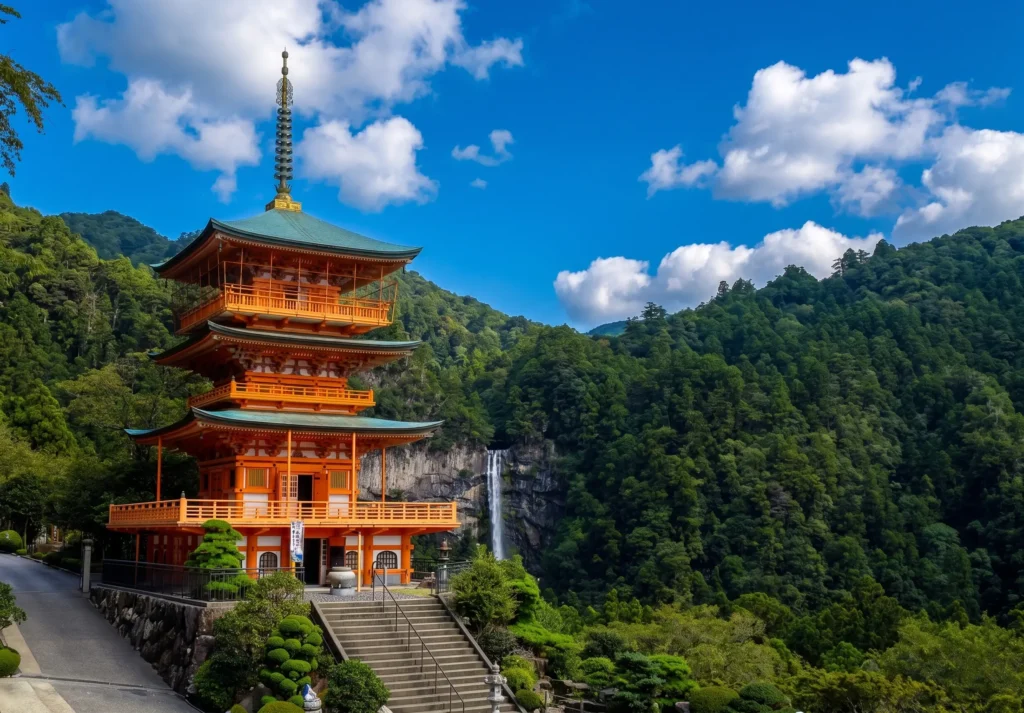
Japan Leads the Way: Japan has designated approximately 60 official forestry therapy trails, and doctors routinely prescribe forest visits to stressed business professionals. It’s not alternative medicine there—it’s mainstream healthcare.
Growing US Adoption: Organizations like Park Rx America are encouraging American physicians to prescribe nature time as routine healthcare. Programs are emerging that integrate “mindfulness in nature” approaches based on Shinrin-Yoku principles.
Integration Potential: As research increasingly validates the benefits of holistic medicine and lifestyle interventions, forest therapy represents a cost-effective addition to the lifestyle medicine toolbox. With healthcare costs continuing to rise, nature-based interventions offer significant economic advantages alongside health benefits.
What a Forest Therapy Prescription Looks Like
While protocols aren’t standardized yet, most effective interventions include:
- Length & Frequency: 2-hour sessions, twice weekly
- Setting: Natural forest environments (urban parks can work too)
- Activity: Mindful walking, breathing exercises, sensory awareness
- Duration: Several weeks to months for sustained benefits
The beauty is its simplicity—no special equipment, no complex procedures, just structured time in nature.
The Broader Context: Eco-Anxiety and Environmental Health
Interestingly, as we discover nature’s healing power, we’re also grappling with eco-anxiety, worry about environmental destruction that particularly affects younger generations. Research shows this anxiety is linked to personal climate change experiences and existing anxiety disorders.
This creates a compelling case for nature-based interventions within Medicare’s lifestyle medicine framework: not only do they provide direct health benefits, but they also help people develop deeper connections with the environment they’re worried about losing.
Looking Forward: Expanding the Toolbox
As Dr. Umadevi Naidoo from Harvard Medical School notes, psychiatry and healthcare broadly are expanding beyond traditional treatments. Today’s lifestyle medicine toolbox within integrated care systems includes:
- Psychedelic-assisted therapy
- Transcranial magnetic stimulation
- Nutritional psychiatry
- Movement medicine
- Forest therapy and ecotherapy
My Personal Love for Forest Bathing
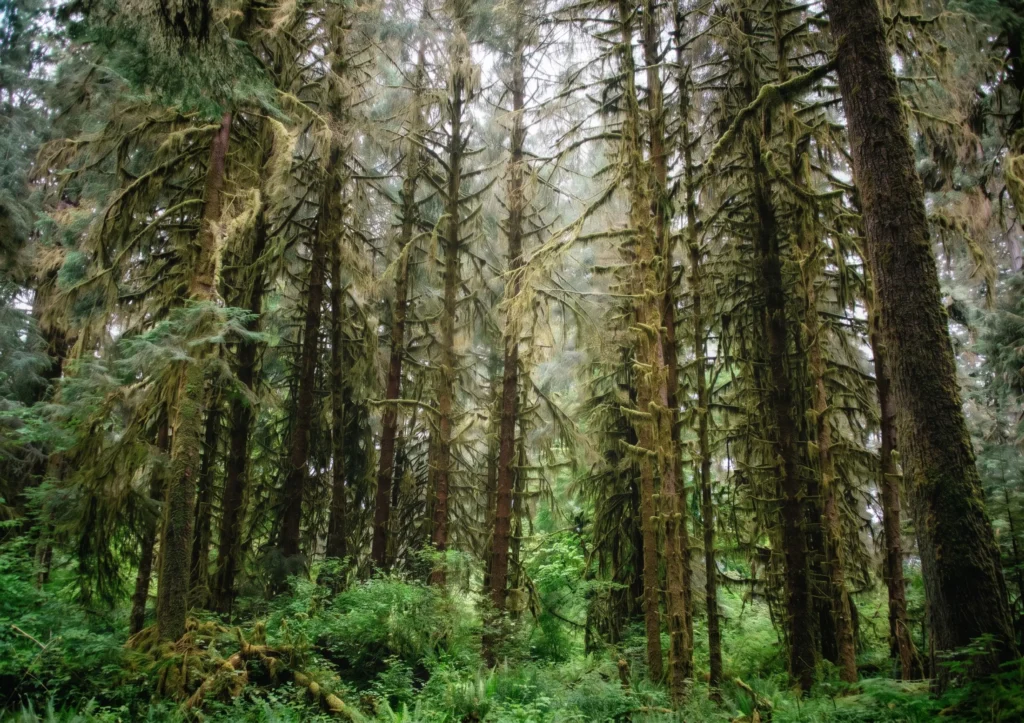
One of the many benefits of living in Southern Oregon is having these beautiful forests all around us, creating endless opportunities for the kind of restorative experiences that forest bathing offers. I find myself drawn to these natural spaces regularly, especially during the summer months when the weather invites extended outdoor adventures. When I’m not playing music at one of the local wineries, you’ll likely find me at a river or lake nestled deep in the forest, taking a refreshing dip in the cool water. These moments of immersion—both literal and figurative—remind me why forest bathing has become such an integral part of my life here in this remarkable corner of the Pacific Northwest.
Forest therapy isn’t just another wellness trend—it’s evidence-based medicine that addresses multiple health issues simultaneously. Mederi Care values the importance of lifestyle medicine as one of its healing toolboxes, and forest bathing is a very cost-effective intervention. You can’t get better than free!
The next time you feel overwhelmed by urban life, remember: the forest isn’t just calling to you for adventure— it just might be calling to you for your health as well.
Want to try forest therapy yourself? Start with local parks and natural areas. Even 20 minutes of mindful time in nature can provide benefits. Talk to your healthcare provider about incorporating nature-based interventions into your wellness plan.

- Growing Evidence for the Healing Power of ‘Forest Therapy’ – Medscape – May 27, 2025., Medscape Medical News © 2025 WebMD, LLC
- Li Q. Effect of forest bathing (shinrin-yoku) on human health: A review of the literature. Sante Publique. 2019;S1(HS):135‐143.
- Li Q, Kobayashi M, Inagaki H, et al. A day trip to a forest park increases human natural killer activity and the expression of anti-cancer proteins in male subjects. J Biol Regul Homeost Agents. 2010;24(2):157-65.
- Li Q, Otsuka T, Kobayashi M, et al. Acute effects of walking in forest environments on cardiovascular and metabolic parameters. Eur J Appl Physiol. 2011;111(11):2845‐2853.
- Li Q, Morimoto K, Kobayashi M, et al. A forest bathing trip increases human natural killer activity and expression of anti-cancer proteins in female subjects. J Biol Regul Homeost Agents. 2008;22(1):45‐55.