

By Donnie Yance
“For the earth which drinks in the rain that comes often upon it, and brings forth plants fit for them by whom it is cultivated, receives blessing from God” – Hebrews 6:7
The Miracle of Plant Intelligence
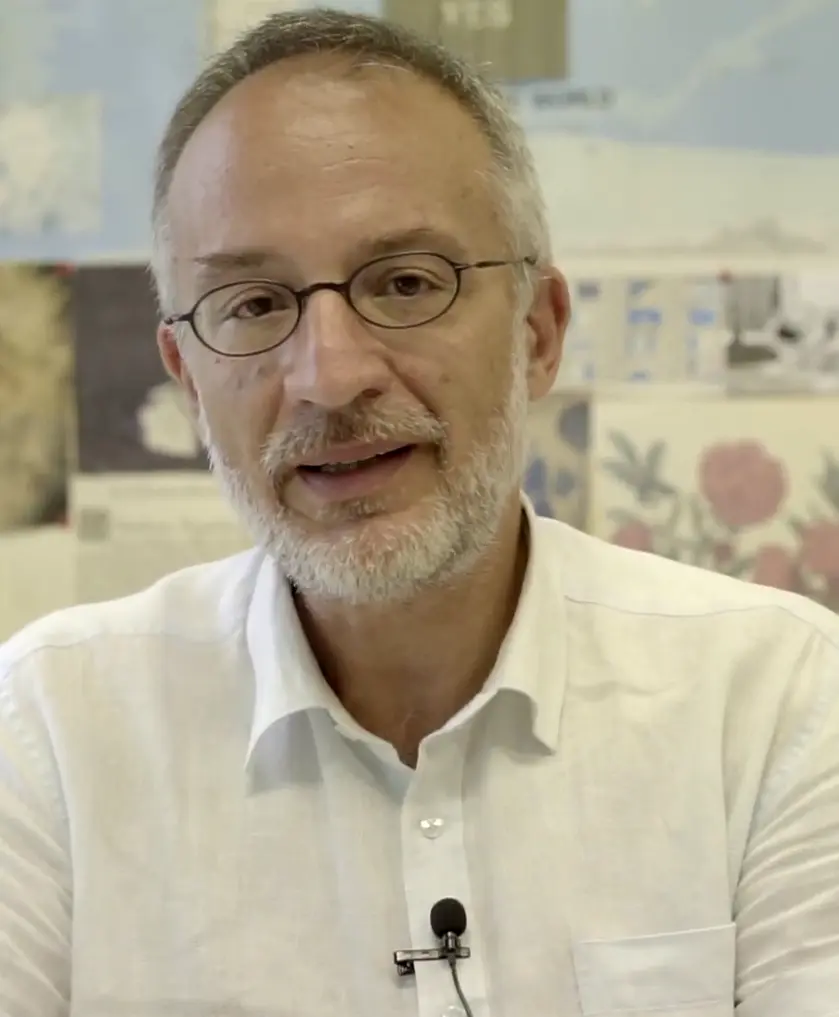
Before we can fully appreciate the biblical record of herbs and plants, we must first reckon with a startling scientific reality: plants are intelligent. Not metaphorically, but genuinely intelligent beings. Professor Stefano Mancuso, a leading researcher in plant neurobiology, has demonstrated that plants can detect gravity, light, and magnetic fields with remarkable precision. They solve complex problems—navigating obstacles, optimizing resource allocation, communicating danger to neighboring plants—all without brains, neurons, or anything resembling a central nervous system. As Mancuso observes, “Intelligence is the capacity to solve problems, and plants have a lot to teach us.”
This revelation should stagger us theologically. When God declared His creation “very good” (Genesis 1:31), He wasn’t merely pronouncing aesthetic approval—He was affirming the profound sophistication embedded in every living system. The intelligence woven into plant life testifies to a Creator of breathtaking ingenuity, one who designed organisms capable of perception, adaptation, and response long before human consciousness emerged to observe them.
“I believe in God, only I spell it Nature” – Frank Lloyd Wright
Wright’s line is more than wordplay—it’s a relocation of the sacred. By spelling God as Nature, he’s pointing to where divine intelligence actually reveals itself: in observable patterns, elegant systems, and the intricate order of the natural world. This isn’t a rejection of the divine but a recognition that intelligence doesn’t hide in abstraction—it manifests in form, function, and the laws that govern living systems.
For Wright, studying nature isn’t an alternative to accessing divine wisdom; it IS the access point. Nature becomes the most legible expression of intelligence we have—something we can observe, learn from, and align our own work with.
Planta Sapiens: The New Science of Plant Intelligence
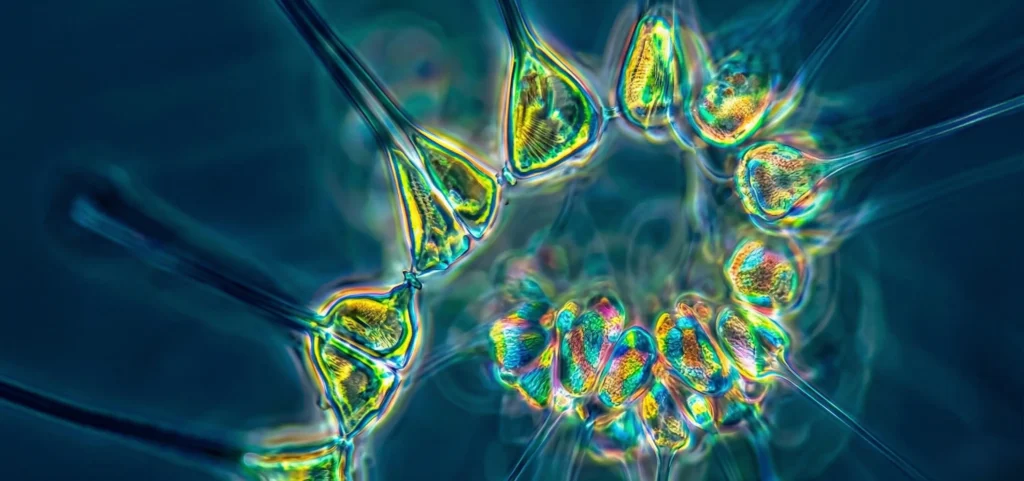
In the book “Planta Sapiens: The New Science of Plant Intelligence,” philosopher Paco Calvo flips the script on how we think about plants. He shows us how we can borrow the same tools scientists use to study animal brains to unlock what’s really going on in the plant world. He explores the groundbreaking concept that plants possess a form of intelligence comparable to animal cognition.
Rather than viewing plants as merely passive organisms, contemporary plant science reveals that they actively perceive and respond to their environment through sophisticated chemical and electrical signaling systems. Plants demonstrate remarkable abilities: they communicate with neighboring plants through underground fungal networks, adjust their growth patterns based on light and gravity, defend themselves against predators, and even appear to “remember” past stressors.
This research challenges our fundamental understanding of consciousness and intelligence, suggesting these traits exist on a spectrum rather than being exclusively animal attributes. The significance of this perspective lies in its implications for how we interact with the natural world—recognizing plant agency and responsiveness encourages more sustainable practices and deeper ecological awareness. This paradigm shift invites us to reconsider plants not as mere resources, but as intelligent, communicative organisms worthy of respect and study.
When we recognize plants as intelligent beings rather than passive resources, our understanding of divine provision deepens dramatically. The extensive biblical record of medicinal herbs reveals not just God’s generosity, but His preemptive wisdom. He created remedies—living, intelligent remedies—before diseases existed. These plants possess the biochemical sophistication to interact with human physiology in targeted, healing ways. This suggests a divine foresight and compassion that extends far beyond simple provision into the realm of elegant design: a Creator who embedded healing intelligence into creation itself, making it available to humanity as both gift and partner in wellness.
God’s Healing Plants
This understanding transforms how we read Scripture’s botanical references. The provision of medicinal plants demonstrates God’s character—His attention to physical suffering, His desire for human flourishing, and His method of working through the natural systems that He designed with such care.
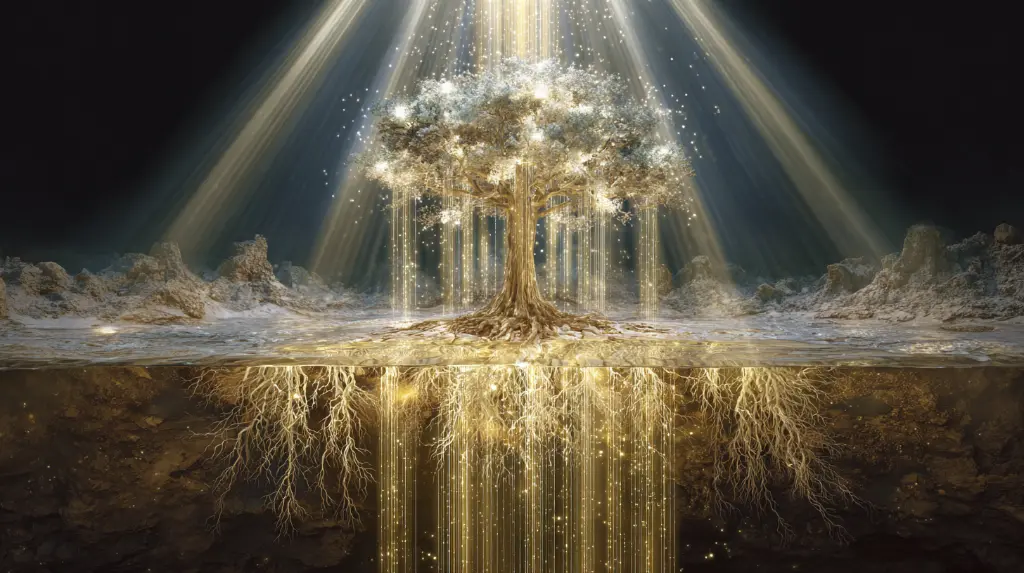
The concept of herbs as divine provision challenges dualistic thinking that separates the spiritual from the physical. When Ezekiel prophesies about trees whose “fruit will be for food and their leaves for healing” (Ezekiel 47:12), and when this imagery reappears in Revelation 22:2 describing the tree of life whose “leaves are for the healing of the nations,” Scripture presents healing as an integral part of God’s redemptive plan. But these prophetic visions describe something far more sophisticated than we typically recognize—not isolated medicinal resources, but a symphony of relationships working in concert.
Plants themselves are not solitary organisms. They host endophytic microorganisms—internal microbial partners that have supported plant life for 450 million years—which are essential to their own health and medicinal properties. These microscopic allies help plants synthesize compounds, resist disease, and adapt to environmental stress.
When humans consume these plants, a second transformation occurs: our gut microbiota perform “biotransformation,” converting plant compounds into bioactive metabolites with enhanced therapeutic potential. This is a four-way partnership of intelligences—God, plant, microbe, and human—working together like skilled jazz musicians improvising to create harmonious music.
This symbiotic architecture reveals something profound about God’s design philosophy. He created healing not as isolated resources to be extracted and consumed, but as networks of mutual relationships and transformation. The “leaves for the healing of the nations” function through communion—the interplay of multiple forms of life, each contributing its unique intelligence to the healing process. This reflects core Christian themes: the interdependence of creation, the way God works through means and relationships rather than raw divine fiat, and the fundamental truth that we are designed for connection, not isolation.
The sophistication of this design becomes even more apparent when we consider what modern science calls “network pharmacology.” Unlike pharmaceutical drugs that typically isolate a single compound to target a single receptor or pathway, medicinal plants contain hundreds of phytochemicals that interact simultaneously with hundreds—sometimes thousands—of molecular networks throughout the body. These compounds create “cross-talk” across interconnected biological systems: proteins, enzymes, receptors, metabolic pathways, immune responses, neurological circuits, and more. This is not crude polypharmacy—the random combination of multiple drugs—but rather elegant multi-target engagement, where plant compounds orchestrate harmony across many systems at once.
Consider how this mirrors our jazz metaphor: just as skilled musicians don’t play in isolation but respond to and harmonize with each other across multiple musical dimensions simultaneously, plant medicines conduct a symphony of healing interactions throughout the body’s interconnected networks. A single herb like turmeric doesn’t merely “block inflammation” at one site; its curcuminoids modulate dozens of inflammatory pathways, support liver detoxification, influence neurotransmitter balance, enhance antioxidant systems, and regulate gene expression—all while other compounds in the whole plant provide synergistic support and buffering effects. This is orchestration, not mechanism.
Healing is Wholeness
This networked approach to healing reflects a profound theological truth: God designed the body as an integrated whole, not a collection of isolated parts. The reductionist pharmaceutical model—isolating single compounds to suppress single symptoms—often fails to address root causes precisely because it ignores the body’s fundamental interconnectedness. Traditional herbalism, by contrast, works with the body’s networked intelligence, gently supporting multiple systems simultaneously and allowing the body’s own wisdom to restore balance.
The very language we use to describe healing carries within it a profound truth about plant nature. The Latin word mederi—meaning both “to heal” and “to make whole”—is the etymological root of our modern words “medicine,” “medication,” “medical,” “remedy,” and “remedial.” Embedded within the word “medicine” itself is not the concept of symptom suppression or disease management, but restoration to completeness, the return to an original state of wholeness and integration.
Plants are inherently medicinal in this deeper etymological sense—they embody the principle of mederi, working not merely to alleviate isolated symptoms but to restore the entire organism to balance, harmony, and wholeness. This linguistic insight validates what we have been exploring throughout: plants are intelligent beings designed by God to heal in the truest sense—to make whole what has been fragmented, to restore what has been broken, to return us to the integrated completeness for which we were created.
The ancient Romans understood what modern reductionism has forgotten, and the ancient Greeks knew it too. In their word sozo—salvation and healing as inseparable aspects of the same divine work of restoration. The ancient wisdom is encoded in the very words we speak, waiting to be remembered.
The accessibility of herbal remedies, then, is rooted not merely in their abundance but in the fundamental architecture of life itself. Unlike precious metals or rare commodities, these healing partnerships are woven into the fabric of creation as a gift to all people—available to both rich and poor, powerful and marginalized. This egalitarian distribution suggests that God’s healing provision was meant for all humanity, not just the privileged—a theme consistent with Jesus’s ministry to the marginalized and His command to “heal the sick” (Luke 10:9). Physical wellness is not merely incidental to spiritual salvation but rather part of God’s holistic concern for human welfare, embedded in creation’s design with a sophistication that modern science is only beginning to comprehend.
The Sacred Symbiosis of Plants and Humans
Perhaps most astonishing is how deeply interconnected we are with plants at the molecular level—not merely as users of their resources, but as variations on the same divine theme. Consider chlorophyll, the green pigment that enables photosynthesis, and hemoglobin, the red pigment that carries oxygen through our blood. These two molecules are nearly identical in structure—complex rings of carbon, hydrogen, and nitrogen atoms arranged in an intricate pattern. The only difference? A single atom at the center: chlorophyll holds magnesium; hemoglobin holds iron. One atom—magnesium versus iron—marks the boundary between plant and animal, between photosynthesis and respiration, between green and red. This is not coincidence but elegant design, suggesting that all life emerges from a unified blueprint, variations on a single creative act.
This molecular kinship extends to our very breath. Plants exhale oxygen as metabolic waste; we inhale it as life itself. We exhale carbon dioxide as metabolic waste; plants inhale it as life itself. Neither can exist without the other’s exhaust. This is not merely symbiosis but fundamental interdependence woven into the chemistry of existence—a respiratory exchange so intimate that the distinction between “self” and “other” dissolves at the molecular level. We are not separate from the plant kingdom but participants in a single, unified creation where every breath testifies to our shared origin. When Genesis declares that humanity was formed “from the dust of the earth” (Genesis 2:7), this is not poetic metaphor alone but chemical reality: we are literally made of the same elements, structured by the same molecular logic, animated by the same divine breath. The boundary between human and plant is far thinner than we imagine—a single atom, a single breath, a single Creator whose wisdom fashioned all life from a common substance and bound us together in mutual dependence.
This plant intelligence extends even further through the emerging science of xenohormesis—the remarkable process by which plants produce an array of secondary metabolites and nano-compounds in direct response to environmental stressors such as drought, poor soil, temperature extremes, pest pressure, and UV radiation. These compounds are not metabolic waste products but sophisticated adaptive survival strategies, the plant’s learned response to challenges, encoded in chemical form. When we ingest these plants as food or medicine, we receive the benefit of the plant’s adaptive wisdom—we are literally consuming the plant’s stress-response intelligence, allowing it to train and strengthen our own cellular resilience systems. This is xenohormesis in action: “foreign signals” from the plant kingdom communicating survival strategies directly to our bodies, teaching our cells how to adapt, endure, and thrive under stress. Wild herbs exemplify this principle most powerfully, for they face far more environmental challenges than their cultivated cousins and therefore produce more abundant and more varied secondary metabolites—spring nettles, for instance, growing in harsh conditions, accumulate extraordinary concentrations of these beneficial compounds precisely because they have “worked harder” to survive. This reveals a profound theological truth: God designed plants not merely to endure their own struggles in isolation, but to share the wisdom gained through adversity with us—the plant’s struggle becomes our medicine, the plant’s adaptation becomes our healing, the plant’s education through stress becomes our resilience, a generous transfer of hard-won knowledge from one form of life to another.
The Mustard Seed’s Secret: A Nervous System Without a Brain
Jesus once told a parable about the mustard seed—the smallest of all seeds that grows into the greatest of garden plants. He was speaking of faith and the Kingdom of Heaven, but perhaps he chose his metaphor more wisely than anyone knew. Because the humble mustard plant, it turns out, harbors secrets that are only now coming to light.
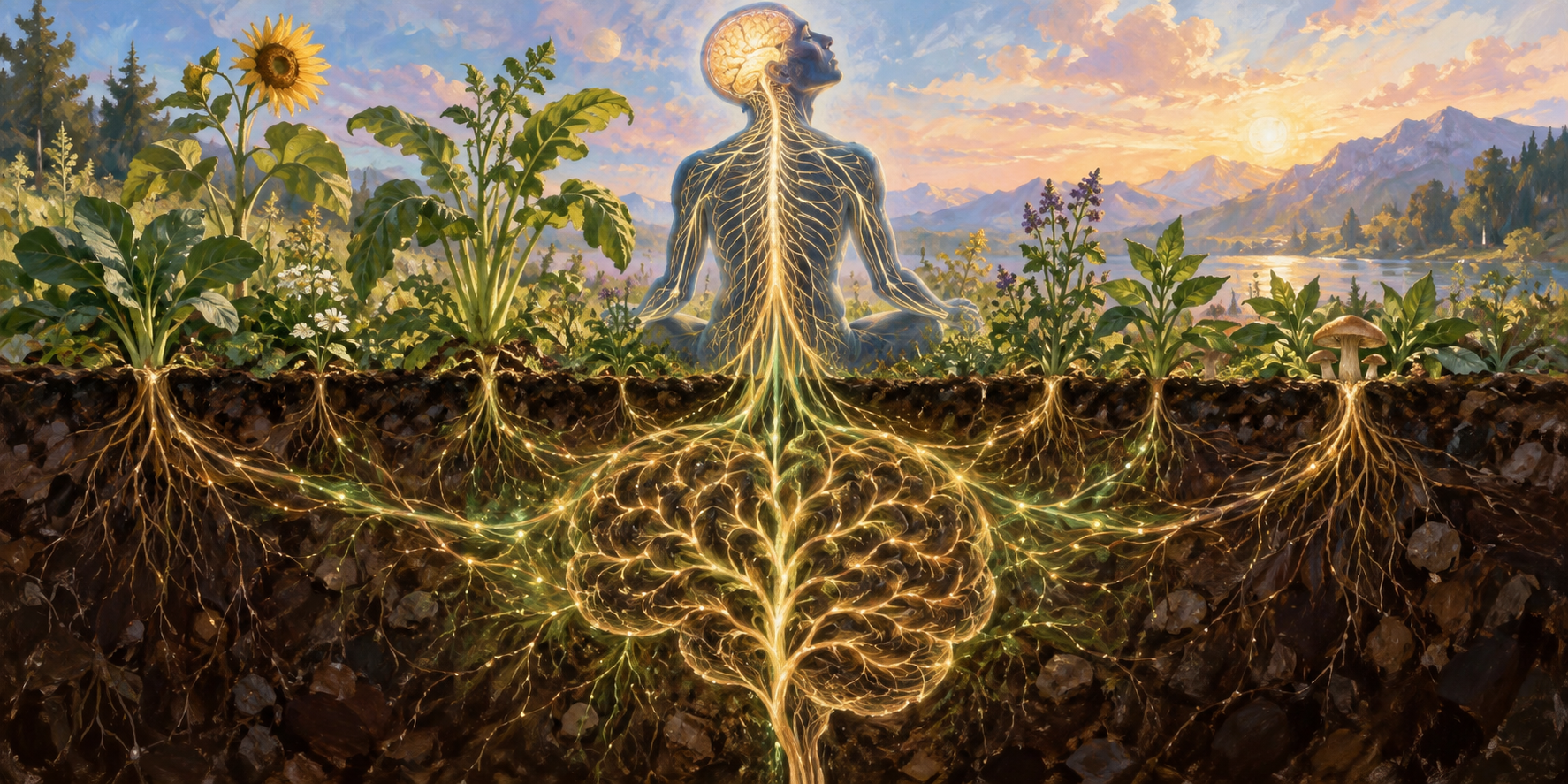
Plants may lack brains, but they have a nervous system of sorts.
And now, plant biologists have discovered that when a leaf gets eaten, it warns other leaves by using some of the same signals as animals. The new work is starting to unravel a long-standing mystery about how different parts of a plant communicate with one another.
A Serendipitous Discovery in a Mustard Plant
They developed a molecular sensor that could detect increases in calcium, which they thought might play a role. They bred the sensor—which glows brighter as calcium levels increase—into a mustard plant called Arabidopsis.
Then they cut one of its leaves to see whether they could detect any calcium activity.
What happened next would change our understanding of plant intelligence forever.
Immediately, a glow appeared at the wound site, brightening and then dimming like a pulse. Then the glow appeared again—this time farther away from the cut. Then farther still. A luminous wave was traveling through the plant’s body, leaf by leaf, carrying its message of injury across the entire organism. The researchers watched, transfixed, as their mustard plant lit up with communication.
The team reported their findings in Science, 1 and the implications were profound: they were watching, in real time, a plant’s nervous system at work.
Cracking the Code
Further investigation revealed the mechanism behind this glowing wave. The trigger, it turned out, was glutamate—the very same amino acid that animal neurons use to communicate. When the leaf was wounded, glutamate was released, setting off the cascade of calcium ions that rippled through the plant like an electrical signal through a wire.
This was the missing piece of a puzzle that had long frustrated plant biologists. Scientists already knew that changes to one part of a plant—an insect bite, a drought, a shadow falling across leaves—were somehow sensed by distant parts of the organism. A tomato plant attacked by caterpillars on its lower leaves will begin producing defensive chemicals in its upper leaves. A tree sensing herbivore damage will warn neighboring trees through root networks. But how that information traveled remained a mystery.
Now, for the first time, researchers could actually see the message moving through the plant’s body.
Biblical Herbalism and Modern Christian Practice
Contemporary Christians face the challenge of integrating ancient biblical wisdom about herbs with modern medical advances. Some believers view this as an either-or proposition, but a more nuanced approach recognizes that modern medicine itself often derives from plant-based compounds. Aspirin originated from willow bark, digitalis from foxglove, and numerous cancer treatments from plant alkaloids. In this sense, pharmaceutical science represents humanity’s God-given capacity to understand and refine the healing properties embedded in creation.
Yet there exists a fundamental difference between extracting isolated compounds and practicing traditional herbalism. Modern pharmacology typically isolates single active constituents, standardizes dosages, and applies them uniformly across populations—an approach rooted in mechanistic assumptions about how bodies work.
Traditional herbalism, by contrast, is fundamentally an integration of science, art, and spirituality. It requires listening, attentiveness to individual constitution and context, and a relationship-based approach that cannot be reduced to pure mechanism or intellect alone.
A true herbalist does not prescribe the same remedy in the same way for every person presenting with similar symptoms. Instead, they consider the unique individual before them—their constitution, their life circumstances, their energetic state, the particular manifestation of imbalance in their body. This personalized approach reflects a respect for the individual that mirrors Christian anthropology: the God who numbers the hairs on our heads (Luke 12:7) also knows each person intimately, attending to their particular needs rather than treating humanity as an undifferentiated mass. The herbalist’s discernment echoes, in a creaturely way, God’s own attentiveness to individual particularity.
Furthermore, herbs work not by forcing suppression of symptoms but by evoking the body’s innate healing response—supporting, nourishing, and gently redirecting the body’s own intelligence toward balance. This cooperative approach aligns with the pattern we’ve already observed: healing happens through relationship and partnership, not through domination or override.
This reveals an important point: some healing truths cannot be fully comprehended through intellect alone. They require wisdom, discernment, and spiritual attunement—faculties that biblical wisdom has always recognized as essential to true knowledge. The book of proverbs repeatedly distinguishes between mere knowledge and wisdom (Proverbs 4:7), and Paul speaks of spiritual discernment that transcends human reasoning (1 Corinthians 2:14). Herbalism helps develop pattern recognition, deep listening, and awareness of the body’s specific needs. These are not irrational faculties but trans-rational ones—they include and transcend purely analytical thinking.
Faith, Healing, and Medical Intervention
One persistent tension in Christian thought concerns the relationship between faith-based healing and medical intervention. Some believers worry that using medicine—herbal or otherwise—demonstrates insufficient faith in God’s healing power. However, this perspective overlooks the biblical pattern of God working through means. God provided manna in the wilderness, but the Israelites still had to gather it and make bread.
The use of herbal medicine, therefore, need not conflict with faith in God’s healing power. Rather, it can represent faithful stewardship of the resources God has provided. The key lies in maintaining proper orientation: recognizing that ultimate healing comes from God, whether through miraculous intervention, natural remedies, or modern medicine. As the Psalmist declares, “He heals the brokenhearted and binds up their wounds” (Psalm 147:3)—sometimes through supernatural means, sometimes through the natural world He created.
Conclusion
The biblical witness to herbal medicine reveals a God who cares comprehensively for human wellbeing and who has embedded healing properties within creation itself. For contemporary Christians, this heritage offers both permission and responsibility—permission to gratefully utilize natural remedies and responsibility to do so with wisdom, discernment, and proper theological grounding.
The herbs mentioned throughout Scripture serve as tangible reminders that the God who numbers the hairs on our heads (Matthew 10:30) also provides practical means for our healing and flourishing. In recognizing herbs as divine provision rather than mere botanical resources, Christians can approach herbal medicine with both scientific curiosity and spiritual gratitude, seeing in each leaf and seed the fingerprints of a Creator who desires wholeness for His creation.





3 Responses
Such a beautiful piece, thank you!
Such a wonderful article. God is good.
Thank you.
I was looking for a sermon illustration regarding God’s wisdom as expressed within botany and your fascinating article hit the spot. Very intriguing. It resonates with my growing appreciation of salvation as integration, a redeemed cosmos like a mobile, intricately balanced and interdependent, through the mediation of Christ. Thank you!