

By Donnie Yance
As a Clinical Master Herbalist and Certified Nutritionist who has studied the Mediterranean diet for over four decades, I recommend incorporating fish as a cornerstone of a heart- and brain-healthy dietary pattern. Based on extensive research and traditional dietary wisdom, here are my top recommendations:
The Symphony of Whole Foods
Here’s what decades of research has taught: our bodies thrive on variety and synergy. Think of healthy eating like an orchestra—fish is an important instrument, but it makes the most beautiful music when played alongside vegetables, fruits, whole grains, nuts, and legumes.
Research consistently shows that diets rich in colorful plant foods combined with fish provide the most powerful protection against heart disease, cancer, and memory loss.1 Why? These foods contain natural compounds that work together in ways that scientists are still discovering. Berries and dark leafy greens contain flavonoids that reduce inflammation. Tomatoes provide lycopene that protects your cells. Whole grains feed the beneficial bacteria in your gut, which—remarkably—communicate directly with your brain through what we call the “gut-brain axis.”2 And fish? It delivers the special omega-3 fats (EPA and DHA) that your brain literally needs to function.
This isn’t about following strict rules or eliminating foods you love. It’s about adding more of the foods that help you thrive. At Mederi, we believe food should nourish not just your physical body, but what traditional medicine calls your “vital essence”—your energy, mental clarity, and overall vitality.
Why Fish Deserves a Place on Your Plate
Fish is one of nature’s most perfect foods for your brain and heart. The omega-3 fatty acids in fish help your brain cells communicate with each other, reduce inflammation throughout your body, keep your arteries flexible, and protect your heart rhythm.3 Studies show that people who eat fish twice a week have a 50% lower risk of sudden cardiac death and significantly better memory as they age.4
But not all fish are created equal. Some are nutritional superstars that you can eat often, while others should be occasional treats or avoided altogether due to mercury contamination or sustainability concerns.
My Top 8 Seafood Recommendations
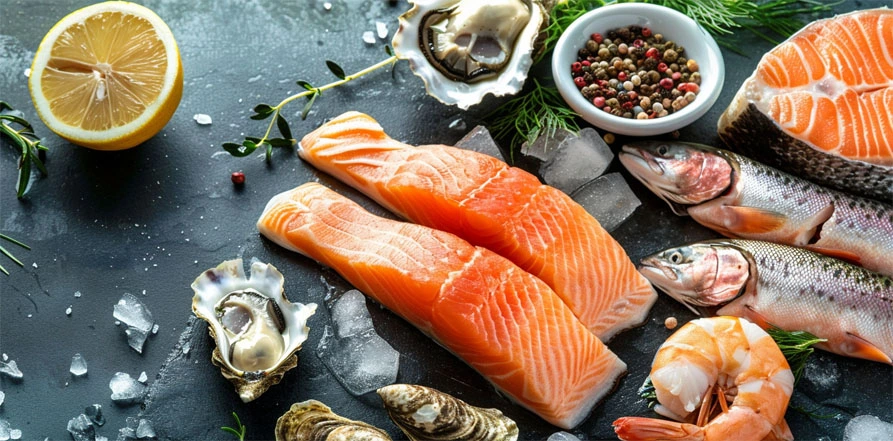
1. Wild-Caught Salmon (Pacific/Alaskan)
Why I love it: Wild salmon is the king of brain food. It’s packed with omega-3s that keep your mind sharp, plus it contains astaxanthin—a natural pink pigment that acts like an internal sunscreen for your cells, protecting them from damage.5 Salmon is also one of the best dietary sources of vitamin D, which many people are deficient in.
How often: Enjoy 1-2 servings per week. One 3.5-ounce serving (about the size of a deck of cards) gives you a full week’s worth of omega-3s.6
The mercury and sustainability story: Wild Alaskan salmon gets a gold star. It’s sustainably managed with healthy fish populations, and it’s low in mercury, making it safe even for pregnant women and children.
2. Sardines (Fresh or Quality Canned)
Why I love them: Don’t let their humble reputation fool you! Sardines are a staple in the Mediterranean regions where people live the longest, healthiest lives. These little fish are omega-3 powerhouses, and when you eat them with their tiny bones, you get a serious calcium boost. They’re also rich in vitamin D and B12—nutrients crucial for energy and brain health.
How often: 2-3 times per week. Because they’re so small, sardines are incredibly safe to eat frequently.
The mercury and sustainability story: Sardines reproduce quickly and are abundant, making them one of the most sustainable seafood choices. Their small size means virtually no mercury accumulation—they’re at the bottom of the food chain, so they don’t absorb the toxins that larger fish do.
3. Anchovies
Why I love them: Another Mediterranean superstar! Anchovies deliver intense flavor and even more intense nutrition. They’re loaded with omega-3s and minerals like selenium and iron that support your immune system and energy levels. A little goes a long way—add them to salads, pasta, or pizza for a nutritional and flavor punch.
How often: 2-3 times per week. Like sardines, their small size makes them safe for frequent enjoyment.
The mercury and sustainability story: Anchovies are exceptionally sustainable and rank among the lowest mercury fish available. They’re safe for everyone, including pregnant women and young children.
4. Rainbow Trout
Why I love it: Trout offers a mild, pleasant flavor that even people who think they “don’t like fish” often enjoy. It’s rich in omega-3s, B vitamins that support your energy and mood, and selenium—a mineral that protects your cells and supports thyroid function.
How often: 1-2 servings per week as part of your total fish intake.
The mercury and sustainability story: U.S. farmed rainbow trout is raised with good environmental practices and is considered sustainable. It’s low in mercury and safe for regular consumption.
5. Wild Pink Shrimp
Why I love them: Wild pink shrimp are a personal favorite of mine and a nutritional powerhouse. They’re an excellent source of high-quality protein, selenium (a powerful antioxidant mineral), vitamin B12, and astaxanthin—the same beneficial carotenoid found in wild salmon that gives shrimp their pink color and provides potent cellular protection. Shrimp are also rich in iodine, which supports thyroid function, and contain omega-3 fatty acids. Despite outdated concerns about dietary cholesterol, research now shows that the cholesterol in shrimp doesn’t negatively impact blood cholesterol levels for most people, and shrimp are very low in saturated fat.
How often: 2-3 times per week is perfectly healthy. Wild shrimp are low on the food chain and can be enjoyed regularly as part of your seafood rotation.
The mercury and sustainability story: Wild-caught pink shrimp, especially from the Pacific Northwest or Alaska, are a sustainable choice with well-managed fisheries. They’re very low in mercury due to their small size and short lifespan. Always choose wild-caught over imported farmed shrimp, which often comes from operations with questionable environmental and farming practices.
6. Herring
Why I love it: Herring might be the most underappreciated fish in America, but it’s been sustaining healthy populations in Northern Europe for centuries. It has one of the highest omega-3 contents of any fish, plus abundant vitamin D and B12. Your brain and heart will thank you.
How often: 1-2 servings per week. Because it’s so rich in omega-3s, even one serving provides tremendous benefits.
The mercury and sustainability story: Atlantic herring populations are well-managed and sustainable. Low mercury levels make it a safe regular choice.
7. Atlantic Mackerel (NOT King Mackerel)
Why I love it: Atlantic mackerel (also called Boston mackerel) is affordable, flavorful, and nutritionally dense. It’s rich in omega-3s, vitamin D, and B12. Studies link regular consumption of oily fish like mackerel to reduced risk of Alzheimer’s disease and better heart health.7
How often: 1-2 servings per week fits nicely into the American Heart Association’s guideline of two fish servings weekly.
The mercury and sustainability story: Atlantic mackerel is sustainable and low in mercury. Important note: King mackerel is a completely different fish and is HIGH in mercury—avoid it! Always specify “Atlantic mackerel” when purchasing.
8. Oysters and Mussels
Why I love them: These shellfish are nutritional gems and incredibly sustainable. They’re loaded with omega-3s, zinc (crucial for immune function), selenium, iron, and vitamin B12. New research shows they also contain compounds that feed beneficial gut bacteria, which supports both your digestive health and your brain function through the gut-brain connection.8
How often: 1-2 servings per week as part of your seafood rotation.
The mercury and sustainability story: Here’s something amazing—oysters and mussels actually clean the water as they grow! They’re among the most environmentally friendly foods you can eat. They’re also very low in mercury and safe to eat regularly.
Fish to Limit: The Mercury Story
Mercury is a toxic metal that accumulates in fish tissue, especially in large, long-lived predatory fish. While the benefits of eating fish far outweigh the risks for most adults, some fish contain so much mercury that they should be limited, especially by pregnant women, nursing mothers, and young children.
HIGH MERCURY—AVOID THESE:
- King Mackerel
- Shark
- Swordfish
- Tilefish (from Gulf of Mexico)
- Bigeye Tuna
- Marlin
- Orange Roughy
These fish live long lives and eat other fish, accumulating mercury throughout their lifetimes. The mercury can harm developing brains in fetuses and young children, and can cause neurological problems in adults who eat these fish regularly.
Also Worth Limiting
- Fried fish: Breading and deep-frying destroys beneficial omega-3s and often introduces harmful trans fats9
- Farm-raised Atlantic salmon: May contain contaminants and typically has less omega-3s than wild-caught
- Albacore tuna: While the American Heart Association includes it in their recommendations, it has moderate mercury levels—limit to once per week, or choose “light” tuna instead, which is lower in mercury
The Mederi Approach: Fish as Part of a Healing Diet
At the Mederi Center, we don’t just tell people to “eat fish.” We help them understand how fish fits into a complete, nourishing dietary pattern that supports their unique constitution and health needs.
Here’s what that looks like in practice:
Build your plate this way: Make 80% of your diet plant-based—vegetables, fruits, whole grains, legumes, nuts, seeds, and healthy fats like olive oil. Fill the remaining 20% with fish, organic eggs, fermented dairy (yogurt, kefir, aged cheese), and if you choose, small amounts of high-quality meat.
Eat with the seasons: Our ancestors didn’t have year-round access to every food, and there’s wisdom in that. Seasonal eating connects you to nature’s rhythms and provides variety throughout the year.
Choose whole grains: Despite what you may have read online, whole grains are incredibly healthy for most people. A recent meta-analysis found that eating whole grains is associated with a 16-18% reduction in death from all causes, and a 21% reduction in cardiovascular disease mortality.10 Studies also show that higher consumption of whole grains decreases the risk of dementia and Alzheimer’s disease.11 Include quinoa, brown rice, oats, barley, and whole grain bread in your diet.
Add colorful plant foods: Every meal should include vegetables and fruits. The bright colors indicate different phytochemicals—natural plant compounds that protect your cells. A recent study found that increasing flavonoid-rich foods and drinks lowers the risk for dementia, especially among individuals with a high genetic risk.12 Blueberries improve memory.13 Leafy greens reduce inflammation. Tomatoes protect your heart. Cruciferous vegetables like broccoli support your body’s detoxification systems.
Don’t forget herbs and spices: Turmeric, ginger, rosemary, cinnamon, and garlic aren’t just flavor-enhancers—they’re medicine. I incorporate them daily, both in cooking and in concentrated supplements for my patients.
Practical Guidelines for Optimal Benefit
For Heart Protection: The American Heart Association recommends two 3.5-ounce servings of non-fried fish per week.14 Research shows this simple habit reduces your risk of heart attack, stroke, and sudden cardiac death by 22-50%.15
For Brain Health: Multiple studies confirm that people who eat fish regularly have better memory, faster thinking, and significantly lower risk of Alzheimer’s disease as they age.16 The omega-3s in fish help maintain the flexibility of brain cell membranes, which is essential for neurons to communicate effectively.17
For APOE-ε4 Carriers: If you have the APOE-ε4 gene variant (which increases Alzheimer’s risk), fish becomes even more important. A randomized clinical trial from Oregon Health & Science University found that omega-3 supplements provided significant benefit for people with APOE-ε4, helping to protect brain structure and reduce white matter lesions.18 Additionally, in a Chinese population study, high fish intake was associated with lower mortality risk only among APOE-ε4 carriers.19
Preparation Matters: Bake, broil, grill, poach, or sauté your fish with olive oil and herbs. Avoid deep-frying, which destroys omega-3s and adds unhealthy fats. For shrimp, try them sautéed with garlic and olive oil, grilled on skewers with vegetables, or added to grain bowls and salads.
Variety is Key: Don’t eat the same fish every week. Rotating among different species ensures you get diverse nutrients and minimizes exposure to any contaminants present in a single type of fish.
The Bigger Picture: Food as Medicine
In my four decades of working with patients, I’ve witnessed remarkable healing when people shift from the typical American diet—high in processed foods, refined carbohydrates, and unhealthy fats—to a Mediterranean-inspired, fish-rich dietary pattern.
I’ve seen inflammation markers drop, energy return, mental fog lift, and chronic diseases reverse. But this doesn’t happen because of one magical food. It happens because of the synergy between all the components of a healthy diet working together.
The fish provides the omega-3s your brain needs. The whole grains feed your beneficial gut bacteria.20 The vegetables and fruits provide antioxidants that protect your cells. The olive oil reduces inflammation. Together, they create an environment in your body where health can flourish.
A 2024 study found that people who followed a Mediterranean-style diet closely had less amyloid and tau pathology (the hallmarks of Alzheimer’s), increased brain volume in regions vulnerable to Alzheimer’s disease, and better memory performance.21 Another study of over 90,000 women found that following a plant-based dietary pattern with fish is associated with reduced breast cancer risk.22
This is the essence of the Mederi approach: we honor the wisdom of traditional diets that have sustained healthy populations for millennia, and we support those traditions with modern nutritional science. We recognize that you are a unique individual with your own constitution, genetics, and health needs—and we help you personalize these principles to work best for you.
Getting Started: Your Next Steps
If you’re not currently eating fish, start with the mild-flavored options like rainbow trout or wild salmon. If you’re already eating fish, consider adding some of the small fish—sardines, anchovies, or herring—to your rotation. They’re nutritional powerhouses and incredibly sustainable.
Shop at stores where you can ask questions about the source of the fish. Look for “wild-caught,” “sustainably harvested,” or “low mercury” labels. If you’re on a budget, canned sardines and salmon are excellent, affordable options.
And remember: every time you choose wild salmon over processed meat, every time you add sardines to your salad, every time you enjoy grilled trout with vegetables and whole grains, you’re not just eating a meal. You’re actively building health, protecting your brain, strengthening your heart, and investing in a vibrant future.
Your body has a remarkable capacity for healing and resilience when you provide it with the right tools. Fish, as part of a diverse, whole-foods diet, is one of the most powerful tools you have.
Donald R. Yance (Donnieyance.com) is the founder of the Mederi Center and Mederi Foundation. A Clinical Master Herbalist and Certified Nutritionist, he is renowned for his extraordinary knowledge of healing through botanical and nutritional medicine. He is the author of “Herbal Medicine, Healing and Cancer” and “Adaptogens in Medical Herbalism” and is a professional member of the American Herbalists Guild.

- Grosso G, Buscemi S, Biondi A. Mediterranean diet and cancer: epidemiological evidence and mechanism of selected aspects. BMC Surg. 2013;13(Suppl 2):S14.
- Vanegas SM, Meydani M, Barnett JB, et al. Substituting whole grains for refined grains in a 6-wk randomized trial has a modest effect on gut microbiota and immune and inflammatory markers of healthy adults. Am J Clin Nutr. 2017;105(3):635-650.
- Kris-Etherton PM, Harris WS, Appel LJ. Fish consumption, fish oil, omega-3 fatty acids, and cardiovascular disease. Circulation. 2002;106:2747-2757.
- Rimm EB, Appel LJ, Chiuve SE, et al. Seafood Long-Chain n-3 Polyunsaturated Fatty Acids and Cardiovascular Disease: A Science Advisory From the American Heart Association. Circulation. 2018;138(1):e35-e47.
- Ramya V, Shyam KP, Kowsalya E, et al. Dual Roles of Coconut Oil and Its Major Component Lauric Acid on Redox Nexus: Focus on Cytoprotection and Cancer Cell Death. Front Neurosci. 2022;16:833630.
- American Heart Association. Fish and Omega-3 Fatty Acids. Updated 2023.
- Torfadottir JE, Ulven SM. Fish – a scoping review for Nordic Nutrition Recommendations 2023. Food Nutr Res. 2024;68.
- Chu Z, Han S, Luo Y, et al. Targeting gut-brain axis by dietary flavonoids ameliorate aging-related cognition decline: Evidences and mechanisms. Crit Rev Food Sci Nutr. 2023 Jun 10:1-22.
- Albert CM, Hennekens CH, O’Donnell CJ, et al. Fish consumption and risk of sudden cardiac death. JAMA. 1998;279(1):23-28.
- Aune D, Keum N, Giovannucci E, et al. Whole grain consumption and risk of cardiovascular disease, cancer, and all cause and cause specific mortality: systematic review and dose-response meta-analysis of prospective studies. BMJ. 2016;353:i2716.
- Wang K, Tang W, Hao X, et al. High consumption of whole grain foods decreases the risk of dementia and Alzheimer’s disease: Framingham Offspring Cohort. Psychiatry Clin Neurosci. 2023;77(3):141-148.
- Jennings A, Thompson AS, Tresserra-Rimbau A, et al. Flavonoid-rich foods, dementia risk, and interactions with genetic risk, hypertension, and depression. JAMA Netw Open. 2024;7(9):e2434136.
- Krikorian R, Skelton MR, Summer SS, et al. Blueberry Supplementation in Midlife for Dementia Risk Reduction. Nutrients. 2022;14(8):1619.
- American Heart Association. Fish and Omega-3 Fatty Acids. Updated 2023.
- Rimm EB, Appel LJ, Chiuve SE, et al. Seafood Long-Chain n-3 Polyunsaturated Fatty Acids and Cardiovascular Disease: A Science Advisory From the American Heart Association. Circulation. 2018;138(1):e35-e47.
- Hu N, Yu JT, Tan L, et al. Nutrition and the risk of Alzheimer’s disease. Biomed Res Int. 2013;2013:524820.
- Gomez-Pinilla F, Tyagi E. Diet and cognition: interplay between cell metabolism and neuronal plasticity. Curr Opin Clin Nutr Metab Care. 2013;16(6):726-33.
- Shinto LH, Murchison CF, Silbert LC, et al. ω-3 PUFA for Secondary Prevention of White Matter Lesions and Neuronal Integrity Breakdown in Older Adults: A Randomized Clinical Trial. JAMA Netw Open. 2024;7(8):e2426872.
- Jin X, Xiong S, Yuan C, et al. Apolipoprotein E Genotype, Meat, Fish, and Egg Intake in Relation to Mortality Among Older Adults: A Longitudinal Analysis in China. Front Med (Lausanne). 2021;8:697389.
- Vanegas SM, Meydani M, Barnett JB, et al. Substituting whole grains for refined grains in a 6-wk randomized trial has a modest effect on gut microbiota and immune and inflammatory markers of healthy adults. Am J Clin Nutr. 2017;105(3):635-650.
- Ballarini T, et al. Mediterranean Diet, Alzheimer Disease Biomarkers and Brain Atrophy in Old Age. Neurology. 2021.
- Link LB, Canchola AJ, Bernstein L, et al. Dietary patterns and breast cancer risk in the California Teachers Study cohort. Am J Clin Nutr. 2013;98(6):1524-32.




2 Responses
Love this article! Donnie, you’re such a huge inspiration to live a healthy life. Thank you!!
Thank you!