
By Donnie Yance
When it comes to maintaining optimal health, what you don’t eat can be just as important as what you do eat. While the occasional treat won’t derail your wellness goals, certain foods offer virtually no nutritional value while actively harming your body. Here are five of the worst offenders that deserve a permanent spot on your “avoid” list.
1. Doughnuts: Sugar Bombs in Disguise

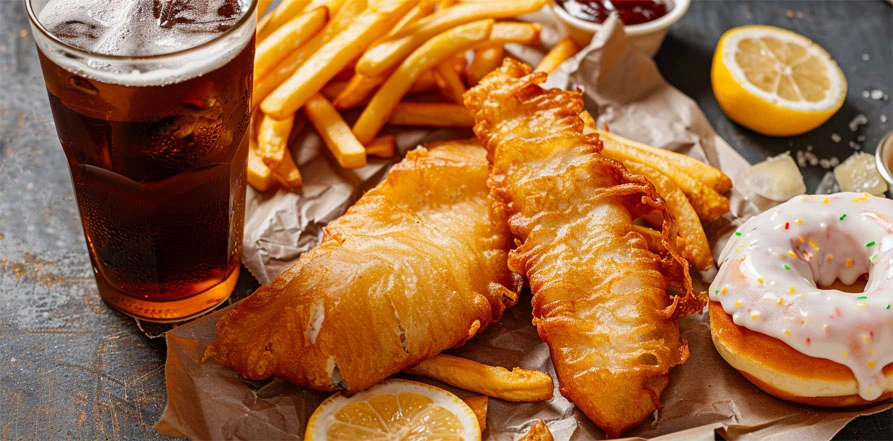
Doughnuts represent a perfect storm of nutritional nightmares. These deep-fried treats are loaded with refined sugar, white flour, and often contain trans fats—a trifecta that spells trouble for your health.
The Numbers Don’t Lie:
· A typical glazed doughnut contains 200-300 calories with minimal nutritional value
· Store-bought varieties can contain 35-40% trans fats1
· The sugar content can range from 10-20 grams per doughnut2
Why They’re Problematic: Trans fats have been linked to increased risk of heart disease, stroke, and type 2 diabetes.3 The high sugar content causes rapid blood glucose spikes followed by crashes, leaving you hungrier and more fatigued than before you ate.
Better Alternative: If you’re craving something sweet in the morning, try Greek yogurt with berries and a drizzle of honey, or overnight oats with nuts and fruit.
2. Soda: Liquid Candy with Serious Consequences
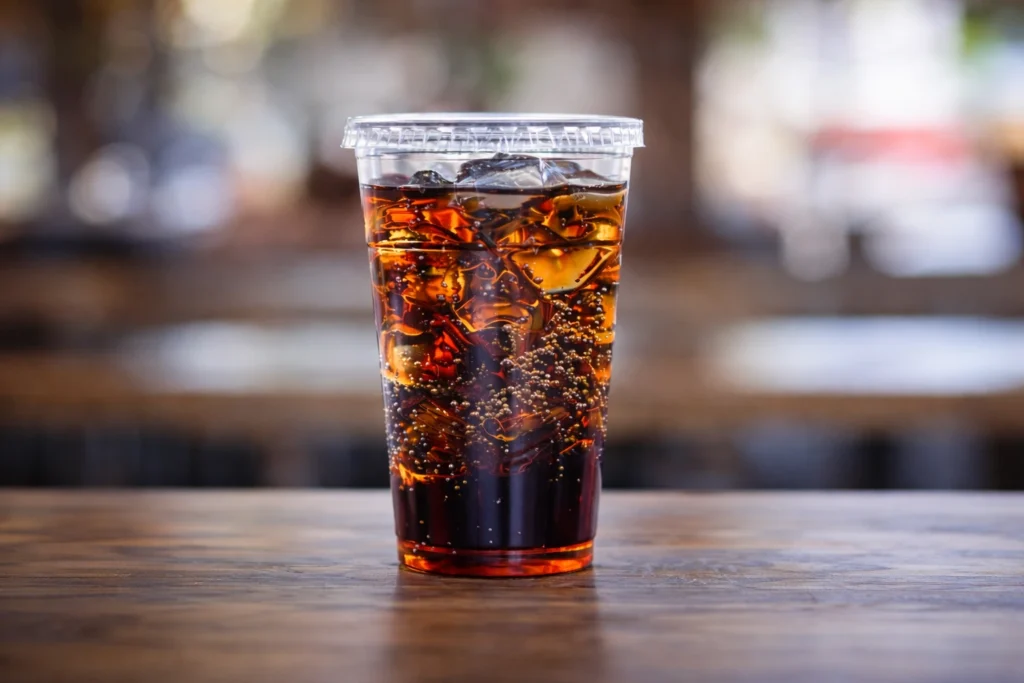
Regular soda consumption has been linked to numerous health problems, making it one of the easiest dietary changes you can make for better health.
What’s Really In That Can:
· 10-12 teaspoons of sugar (39-42 grams)4, or toxic artificial sweeteners
· 150+ empty calories
· up to 30-55 mg of caffeine
· Artificial colors, preservatives, and phosphoric acid
The Health Impact: Research shows that regular soda consumption is associated with:
· Increased risk of obesity5
· Higher rates of type 2 diabetes6
· Decreased bone density7
· Greater risk of heart disease8
The average American consumes approximately 38 gallons of soda annually,9 contributing to what many health experts consider a public health crisis.
Better Alternative: Sparkling water with a splash of 100% fruit juice, or herbal teas for flavor without the sugar crash.
3. French Fries: More Dangerous Than You Think
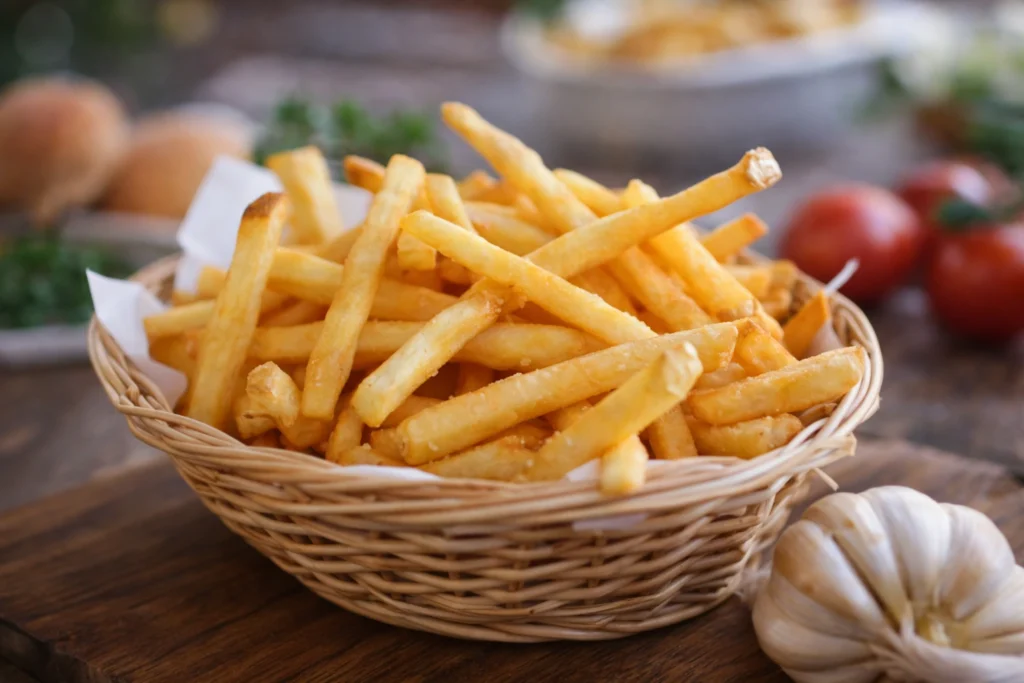
French fries might seem like a harmless side dish, but they’re actually a concentrated source of several harmful compounds.
The Triple Threat:
1. Trans Fats: Many fast-food chains still use partially hydrogenated oils
2. Acrylamide: A potential carcinogen formed when starchy foods are cooked at high temperatures10
3. Advanced Glycation End Products (AGEs): Inflammatory compounds created during high-heat cooking11
Fast-Food Comparison: According to Consumer Reports analysis:
· Burger King fries: 35% trans fat
· Wendy’s fries: 26% trans fat
· McDonald’s fries: 22% trans fat12
The Bigger Picture: The oils used for frying (corn, soybean, canola) are high in omega-6 fatty acids, which can promote inflammation when consumed in excess.13
Better Alternative: Baked sweet potato wedges seasoned with herbs, or roasted vegetables tossed in olive oil.
4. Commercial Chips: Crunchy but Concerning
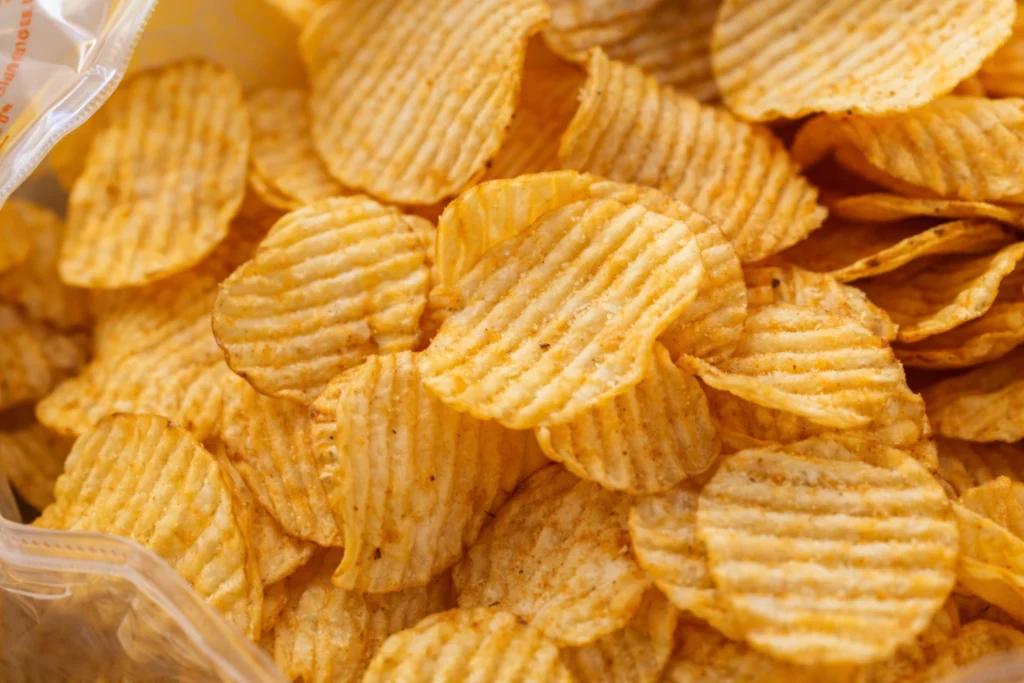
Most packaged chips—whether potato, corn, or multigrain—share similar health concerns with french fries but in a more portable package.
Common Issues:
· High in inflammatory omega-6 oils
· Often contain trans fats (check labels carefully)
· Acrylamide formation from high-heat processing
· High sodium content contributing to hypertension risk14
Better Alternative: Air-popped popcorn, kale chips, or nuts and seeds for satisfying crunch.
5. Fried Seafood: A Missed Opportunity

While seafood can be incredibly nutritious, breading and deep-frying it negates most health benefits while adding harmful compounds.
The Problems:
· All the trans fat and acrylamide issues of other fried foods
· Potential mercury exposure from certain fish species15
· Destruction of beneficial omega-3 fatty acids through high-heat cooking
Better Alternative: Wild-caught salmon, sardines, or other low-mercury fish prepared by baking, grilling, or poaching.
The Bottom Line
Eliminating these foods from your regular diet is one of the most impactful changes you can make for your long-term health. These five foods can all contribute to the top killers like: heart disease, cancer, diabetes, and obesity. By taking up a large proportion of daily calories without any nutrients, they also crowd out the healthier foods that you could be eating. Focus on whole, minimally processed foods, and save treats for special occasions rather than daily consumption.
Remember: small, consistent changes lead to big health improvements over time.

- Mozaffarian D, et al. Trans fatty acids and cardiovascular disease. N Engl J Med. 2006;354(15):1601-1613.
- USDA National Nutrient Database for Standard Reference
- de Souza RJ, et al. Intake of saturated and trans unsaturated fatty acids and risk of all cause mortality, cardiovascular disease, and type 2 diabetes. BMJ. 2015;351:h3978.
- American Heart Association. Added Sugars. 2021.
- Malik VS, et al. Sugar-sweetened beverages and risk of metabolic syndrome and type 2 diabetes. Diabetes Care. 2010;33(11):2477-2483.
- Schulze MB, et al. Sugar-sweetened beverages, weight gain, and incidence of type 2 diabetes in young and middle-aged women. JAMA. 2004;292(8):927-934.
- Tucker KL, et al. Colas, but not other carbonated beverages, are associated with low bone mineral density in older women. Am J Clin Nutr. 2006;84(4):936-942.
- Yang Q, et al. Added sugar intake and cardiovascular diseases mortality among US adults. JAMA Intern Med. 2014;174(4):516-524.
- Beverage Marketing Corporation. Liquid Refreshment Beverage Market Report. 2023.
- Tareke E, et al. Analysis of acrylamide, a carcinogen formed in heated foodstuffs. J Agric Food Chem. 2002;50(17):4998-5006.
- Uribarri J, et al. Advanced glycation end products in foods and a practical guide to their reduction in the diet. J Am Diet Assoc. 2010;110(6):911-916.
- Consumer Reports. Trans Fat in Fast Food. 2019.
- Simopoulos AP. The importance of the ratio of omega-6/omega-3 essential fatty acids. Biomed Pharmacother. 2002;56(8):365-379.
- American Heart Association. How much sodium should I eat per day? 2021.
- EPA. Fish Consumption Advisories. Environmental Protection Agency. 2023.