
Understanding the Complex Relationship Between Viral Infection, Vaccination, and Cancer; and the Gift of Herbal Medicine
The COVID-19 pandemic has raised important questions about the relationship between viral infections, immune system function, and cancer risk. My research suggests, there may be concerning mechanisms linking SARS-CoV-2 infection and potentially mRNA vaccines to altered immune function and cancer risk. SARS-CoV-2 can cause a variety of post-acute sequelae including long-COVID19, a complex, multisystem disease characterized by a broad range of symptoms including fatigue, cognitive impairment, and post-exertional malaise1. While conventional medical perspectives offer valuable insights, integrative approaches may provide additional tools for immune resilience.
SARS-CoV-2 spike protein may cause damage in the cardiovascular, hematological, neurological, respiratory, gastrointestinal, and immune systems. Viral and vaccine-encoded spike proteins have been shown to play a direct role in cardiovascular and thrombotic injuries, and immune dysregulation from both SARS-CoV-2 and vaccination. Detection of spike protein for at least 6-15 months after vaccination and infection in those with post-acute sequelae indicates spike protein as a possible primary contributing factor to long COVID and increased cancer risk 2.
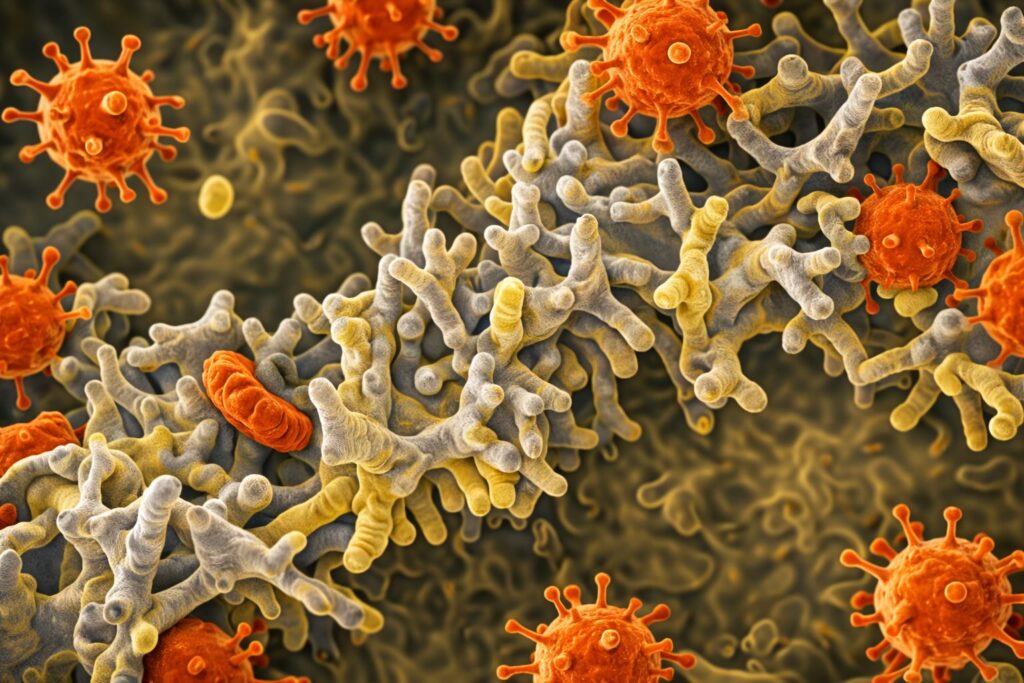
The Immune-Cancer Connection
The relationship between COVID-19 and cancer appears bidirectional. The virus may potentially influence cancer risk through several mechanisms:
- Inflammatory dysregulation: The “cytokine storms” associated with COVID-19 create systemic inflammation that can promote tumor-friendly environments
- T-cell and NK cell impairment: COVID-19’s impact on lymphocytes may compromise the very immune cells responsible for cancer surveillance
- Cellular pathway disruption: Viral hijacking of cellular machinery potentially creates ripple effects throughout critical regulatory systems
These profound metabolic and immune alterations occur at the proteomic, cellular, and epigenetic levels, potentially increasing cancer susceptibility following COVID-19 infection and vaccination. Post-COVID and post-vaccination profiles show a concerning enrichment of immature monocytes with sustained inflammasome activation and oxidative stress—known precursors to carcinogenesis. The elevated arachidonic acid levels, decreased tryptophan, and variations in T-cell frequency and phenotype mirror precancerous immune dysregulation. Particularly alarming is the increased CD8 T-cell senescence (cellular aging) observed in these cases, as senescent T-cells compromise immune surveillance against malignant cells. Single-cell RNA sequencing reveals distinct transcriptional profiles within CD4 and CD8 T-cells and monocytes that parallel those observed in immunocompromised patients with higher cancer incidence rates3.
The TMPRSS2 Connection: How COVID-19 and the mRNA Vaccines May Both Influence Cancer Risk
The coronavirus uses a spike protein to enter human cells through a protein called ACE2, with help from an enzyme called TMPRSS2. This enzyme is particularly important because it’s linked to both COVID-19 severity and cancer development. TMPRSS2 is commonly found in lung and prostate tissues and is controlled by male hormones (androgens). This may partly explain why men often experience more severe COVID-19 outcomes. Importantly, TMPRSS2 is already well-known in cancer research as it frequently fuses with cancer-causing genes in prostate cancer. This connection raises questions about whether COVID-19 infection or vaccination might affect TMPRSS2 expression levels, potentially influencing cancer development or progression in susceptible individuals. However, more research is needed to fully understand these relationships4.
Dr. Patrick Soon-Shiong’s Contribution
T-cells are crucial in regulating COVID-19 pathogenesis, and disruptions in the adaptive immune system can affect acute responses to the virus5. Chronic T-cell activation not only contributes to inflammation but also results in T-cell exhaustion6.
Dr. Soon-Shiong, founder of ImmunityBio, has emphasized the importance of T-cell immunity in addressing both viral infections and cancer. His research highlights that focusing solely on antibody responses provides an incomplete picture of immunity.
“The adaptive immune system has two arms – antibodies and T cells,” Dr. Soon-Shiong explains. “While antibodies may wane over time, robust T-cell immunity provides longer-lasting protection and plays a crucial role in identifying and eliminating both virally infected cells and cancer cells.”
This insight aligns with concerns about lymphopenia (low white blood cells) observed in some COVID-19 cases, as T-lymphocytes are central to anti-cancer immune surveillance7.
The Mederi Approach: Botanical and Nutritional Support
Beyond conventional approaches, the Mederi Foundation’s botanical and nutritional protocols offer complementary strategies for immune resilience. This whole-system approach addresses both the direct challenges of viral infection and the potential long-term implications for cancer risk.
In the Mederi Care model, we rarely recommend single herbs or isolated herbal compounds. Instead, we advocate for comprehensive herbal formulations that contain carefully balanced, lower doses of multiple complementary herbs working synergistically.
Phytoimmunomodulators: Key Botanical Allies for Immune Fortification
Herbal medicines represent a promising frontier in the prevention of COVID-19 and cancer through their potent immunomodulatory capabilities. Traditional healing systems, including Traditional Chinese Medicine and Ayurveda, contain extensive documentation of botanicals that enhance immune defense mechanisms while offering economical and safer alternatives to conventional pharmaceuticals. Particularly noteworthy is the dual action of certain herbal remedies—directly inhibiting pathogen proliferation while simultaneously strengthening host immunity. The phytochemicals isolated from these medicinal plants demonstrate remarkable efficacy in modulating lymphocyte activity, thereby potentially reducing susceptibility to viral infections like SARS-CoV-2 and neoplastic diseases. Herbal Medicine should be the foundation of any treatment protocol geared at immunomodulation with a focus on enhancing robustness and supporting autoregulation. Evidence suggests that plant-based compounds significantly contribute to immune system fortification and could serve as valuable therapeutic agents in developing novel preventive strategies against both COVID-19 and cancer8.
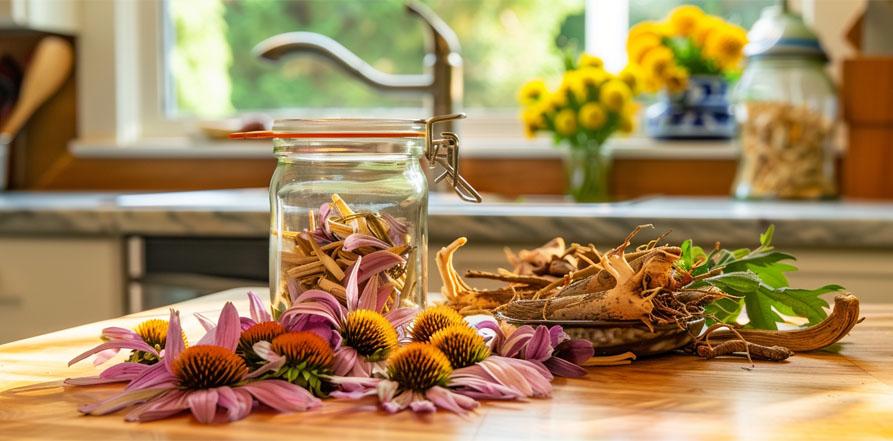
The Mederi protocol emphasizes several powerful herbal supports: Several formulations include the well-known immune enhancer Echinacea.

Echinacea and COVID-19: Promising Research
Echinacea’s role in supporting immune function extends beyond common cold prevention. Recent research has revealed its significant potential in addressing coronavirus infections, including SARS-CoV-2. Some of Echinacea’s mechanisms against COVID include:
- Direct Antiviral Activity: Echinacea purpurea demonstrates significant antiviral properties against enveloped viruses like SARS-CoV-2. Research shows that Echinaforce®, a hydroalcoholic extract from Echinacea purpurea roots, effectively inhibits both MERS and SARS-CoV-2 infections9.
- Inactivation of Viruses: Studies evaluating the extract’s antiviral potential through multiple approaches found that HCoV-229E (a human coronavirus) was irreversibly inactivated by Echinaforce® at 3.2μg/ml IC50. Notably, SARS-CoV-2 was also inactivated at 50μg/ml concentration, suggesting potential prophylactic applications against coronaviruses due to their structural similarities10.
- Cytokine Modulation: Laboratory studies reveal Echinacea reduces inflammatory cytokines (TNF-α and IL-1β) while boosting the beneficial cytokine IL-10, potentially helping regulate the inflammatory response that contributes to COVID-19 severity11.
- Infection Prevention: A compelling Eastern European study conducted from November 2020 to May 2021 investigated Echinacea’s preventive and therapeutic potential against respiratory infections. This randomized, open study of 120 healthy volunteers demonstrated that Echinaforce® successfully reduced both viral load and infection risk, including SARS-CoV-212.
- Endocannabinoid Activation: Researchers discovered that Echinacea activates the endocannabinoid system through the CB2 receptor, potentially helping prevent cytokine storms that contribute to severe COVID-19 outcomes13.
- Prevention and Treatment Approaches: Literature reviews have validated two key Echinacea treatment approaches for coronavirus infections: preventive administration (7 days before viral exposure followed by 5-7 days after) and therapeutic use (5-14 days following infection onset). Both approaches showed marked improvement in symptom severity compared to placebo treatments. 14 , 15
Beyond its specific anti-coronavirus properties, Echinacea offers broader immune benefits:
- Activates- macrophages and natural killer cells – critical for both viral clearance and cancer surveillance
- Contains- alkamides that interact with cannabinoid receptors, helping regulate inflammatory responses
- Demonstrates- unique abilities to balance rather than simply stimulate immune function
- Helps Replenish- depleted white blood cells following illness or medical treatments, supporting recovery of immune surveillance
Adaptogens for Immune Resilience – Herbs that Care for our Immune System
This protocol incorporates key tonic-adaptogenic herbs that support stress response and immune function – here are three herbs, within a formula of mine, that complement echinacea.
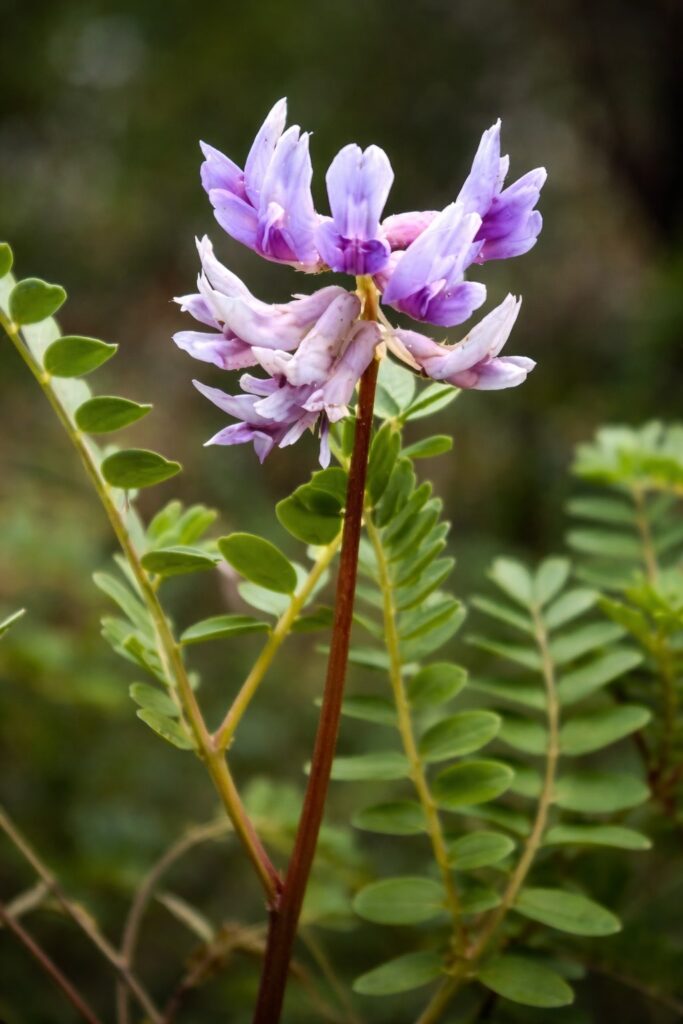
Astragalus membranaceus
Astragalus (Astragalus membranaceus) also known by the Chinese name, huang qi (literally translated as “yellow energy” or yellow leader), has been used medicinally in China for thousands of years. Astragalus is one of the most important and widely used tonic herbs, known for strengthening bone marrow and Qi.
Astragalus has demonstrated a wide range of potential therapeutic applications in immunodeficiency syndromes, as an adjunct cancer therapy, and for its adaptogenic effect on the heart and kidneys. Astragalus root has been used to promote immune function and as a tonic to build stamina. Ancient Chinese texts record the use of Astragalus for tonifying the spleen, blood, and qi16.
Extensive pharmacological research demonstrates that extracts from Astragalus exhibit multiple therapeutic properties, including: enhanced telomerase activity, antioxidant, anti-inflammatory, immunoregulatory, anticancer, hypolipidemic, antihyperglycemic, hepatoprotective, expectorant, and diuretic effects. Astragalus has demonstrated significant immune system rejuvenation in clinical studies. Astragalusextract also contributes to lifespan extension, vascular health preservation, neuroprotection, and cancer prevention.17 , 18
Astragalus helps restore NK cell function and supports healthy T-cell counts; and increases the infiltration of NK cells into tumors and upregulates the antitumor response of NK cells.19
A meta-analysis of 34 randomized trials demonstrated that Astragalus-based herbs combined with platinum-based chemotherapy significantly improved 24-month survival rates compared to platinum-based chemotherapy alone.
Astragalus-based herbal formula improves survival, increases tumor response, enhances performance status, and reduces chemotherapy toxicity.20
Enhanced Immune Response
Danggui Buxue Tang (DBT), a Chinese medicinal decoction traditionally used for women’s ailments, contains Astragalus root and Angelicae Sinensis root in a 5:1 ratio, as described in 1247 A.D. This formulation stimulates immune responses, inducing T-lymphocyte proliferation, interleukin-2 secretion, and extracellular signal-regulated kinase phosphorylation. It also increases macrophage phagocytosis. Research confirms that the 5:1 ratio produces the strongest immunomodulatory effects, validating the ancient formulation.21
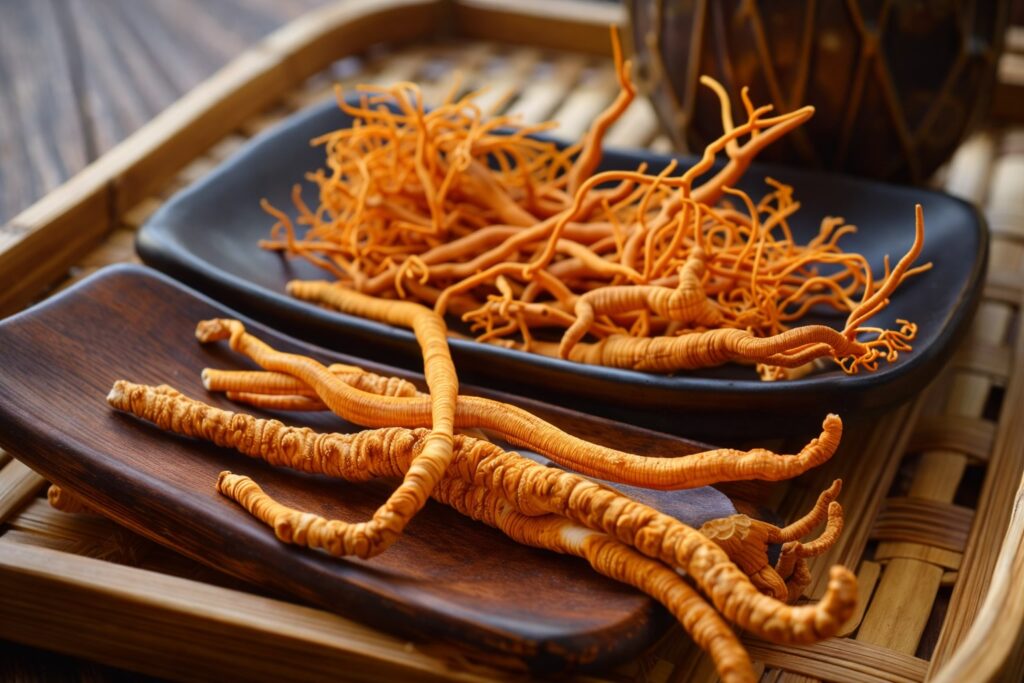
Cordyceps sinensis
For centuries, Cordyceps has been revered in traditional Chinese medicine as a precious tonic herb, equaling Ginseng in its restorative properties, where it was used to strengthen the lungs, tonify the kidneys, build bone marrow, and support recovery from stress, illness, and physical challenges.22 This long history of traditional use is now supported by modern research elucidating its mechanisms of action.
Immune Health and COVID-19 Applications
Cordyceps demonstrates remarkable immunomodulatory properties that may be particularly relevant in the context of viral infections including COVID-19. Studies reveal that cordycepin, the primary bioactive compound in Cordyceps, exhibits significant regulatory effects on inflammatory responses by modulating the NF-κB pathway and suppressing pro-inflammatory cytokine production.23 , 24 This action is especially important in preventing the cytokine storm phenomenon observed in severe COVID-19 cases. Multiple studies have shown that Cordyceps can enhance innate immunity by activating macrophages, increasing natural killer cell activity, and stimulating the production of interferon alpha and beta – all critical components of the body’s first-line defense against viral infections25. The adaptogenic properties of Cordyceps also support immune resilience while preventing excessive inflammatory reactions that can lead to tissue damage in respiratory infections. 26As noted by Tan et al., “Cordycepin enhanced immunity, inhibited the proliferation of viral RNA, and suppressed cytokine storms, thereby suggesting its potential to treat COVID-19 and other viral infections27.”
Anti-Cancer Mechanisms and Clinical Applications
Cordyceps exhibits multiple anti-cancer mechanisms, making it a promising adjunctive therapy in oncology. Research demonstrates that Cordyceps extract induces apoptosis (programmed cell death) in various cancer cell lines through multiple pathways, including activation of caspases 3, 8, and 9, while increasing the Bax/Bcl-2 protein expression ratio.28 , 29 , 30 Cordycepin specifically demonstrates cytotoxicity against leukemia, melanoma, breast, prostate, and lung cancer cells while exhibiting minimal toxicity to normal cells31 , 32. In clinical applications, Cordyceps has been shown to enhance the efficacy of conventional chemotherapy agents while reducing their side effects, as evidenced in studies with taxol and methotrexate33. A clinical trial involving 36 patients with advanced cancer showed that Cordyceps supplementation restored cellular immunological function and significantly improved quality of life measures34. Additionally, Cordyceps exhibits potent anti-metastatic properties by inhibiting matrix metalloproteinases (MMP-2 and MMP-9), suppressing angiogenesis, and blocking the hepatic growth factor (HGF)-accelerated invasion of melanoma cells, suggesting potential applications in preventing cancer spread35,36,37.
Cordycepin specifically demonstrates cytotoxicity against leukemia, melanoma, breast, prostate, and lung cancer cells while exhibiting minimal toxicity to normal cells38 , 39. In clinical applications, Cordyceps has been shown to enhance the efficacy of conventional chemotherapy agents while reducing their side effects, as evidenced in studies with taxol and methotrexate40. A clinical trial involving 36 patients with advanced cancer showed that Cordyceps supplementation restored cellular immunological function and significantly improved quality of life measures41. Additionally, Cordyceps exhibits potent anti-metastatic properties by inhibiting matrix metalloproteinases (MMP-2 and MMP-9), suppressing angiogenesis, and blocking the hepatic growth factor (HGF)-accelerated invasion of melanoma cells, suggesting potential applications in preventing cancer spread42 , 43 , 44.
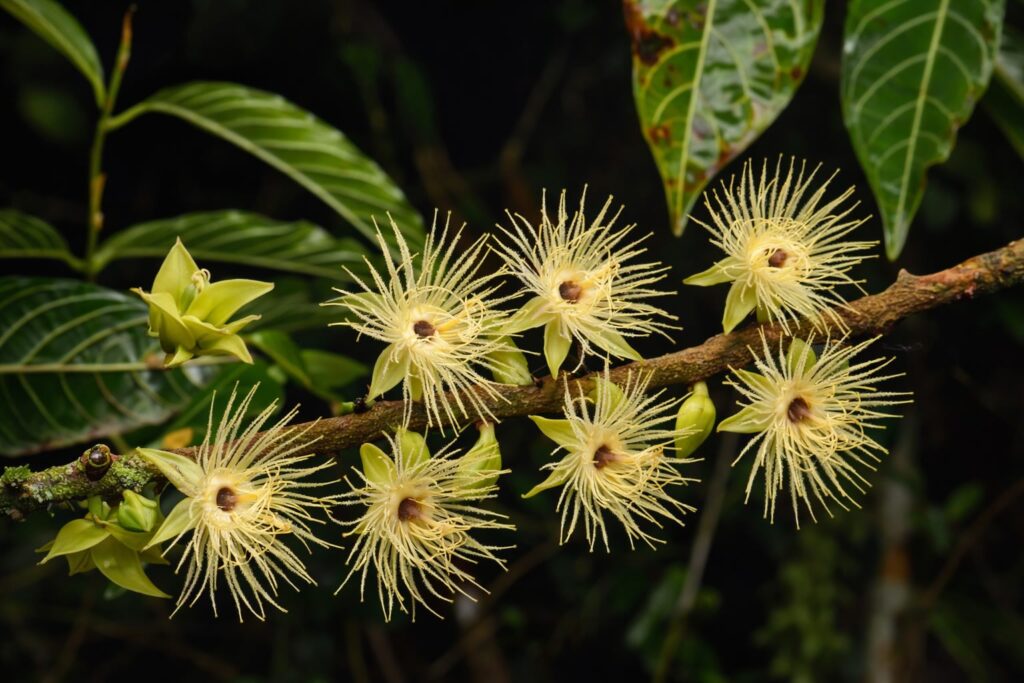
Cat’s Claw (Uncaria tomentosa)
Native to the Amazon highlands, Cat’s Claw (Uncaria tomentosa) represents a cornerstone of traditional Peruvian medicine with particular relevance to contemporary immune challenges. Historically used as bark decoctions for immunologic disorders, this botanical has emerged as a promising therapeutic agent for conditions requiring immune modulation, including post-viral syndromes and cancer support.
Research confirms Cat’s Claw’s exceptional ability to balance immune function through multiple mechanisms. It enhances the production of immunological cells by the spleen45 while simultaneously regulating inflammatory cytokines. This dual action makes it uniquely suited for addressing the dysregulated immune responses characteristic of long COVID syndrome, where both immune support and inflammation control are crucial.
Anti-inflammatory Mechanisms Relevant to Post-Viral Recovery
Cat’s Claw demonstrates potent anti-inflammatory effects through inhibition of TNF-α (tumor necrosis factor alpha) and PGE2 (prostaglandin E2) production, two key inflammatory mediators implicated in the persistent symptoms of post-viral syndromes. These properties may help address the chronic inflammation associated with long COVID, potentially alleviating symptoms like fatigue, brain fog, and persistent pain46 , 47.
Scientists tested Cat’s Claw extract against the COVID-19 virus (SARS-CoV-2) in laboratory cells. The results were promising:
- The extract blocked up to 98.6% of the virus’s ability to damage cells
- Even at lower concentrations, Cat’s Claw remained effective, stopping more than 92% of viral activity
- The herb showed a good balance between fighting the virus and being safe for cells48.
Cellular Protection and Cancer-Preventive Properties
Perhaps most remarkably,Cat’s Claw enhances DNA repair mechanisms while reducing DNA damage49—functions directly relevant to cancer prevention and treatment support. Its ability to inhibit tumor growth50 , 51 , 52 , 53 works synergistically with its immune-enhancing properties, potentially supporting conventional cancer treatments by strengthening natural defense mechanisms.
Bioactive Constituents
The therapeutic effects of Cat’s Claw derive from its rich phytochemical profile, including alkaloids, glycosides, sterols, triterpenes, phenolic acids, and various flavonoids54. These compounds work synergistically to deliver potent antioxidant protection—critical for neutralizing the oxidative stress implicated in both cancer progression and post-viral syndromes.
For immune support and long COVID recovery, herbal tonic and adaptogenic herbs may help normalize immune function, reduce inflammation, and support cellular repair processes. In cancer-care contexts, its DNA-protective and immune-enhancing properties make it a valuable adjunctive therapy to consider alongside conventional treatments, potentially enhancing efficacy while mitigating side effects.
Targeting Spike Protein Clearance
A unique aspect of the Mederi approach addresses concerns about persistent spike protein, whether from infection or vaccination. Some supplemental strategies for clearing spike proteins include:
Bromelain, Nattokinase and Lumbrokinase: Enzymatic support for breaking down protein aggregates.
Quercetin: may help modulate spike protein interactions with cells.
See my blogs:
1) Vaccine-Associated Enhanced Disease – Quercetin to the Rescue, December 15, 2022 https://donnieyance.com/vaccine-associated-enhanced-disease/, and
2) Quercetin’s Remarkable and Surprising Antiviral Activity, April 28, 2020
- Resveratrol: Flavonoids that may help modulate spike protein interactions with cells.
- N-acetylcysteine (NAC): Supports glutathione production for enhanced detoxification.
- Modified citrus pectin: Binds potential inflammatory agents to facilitate clearance.
Bromelain
Bromelain, a pineapple stem-derived protease mixture, shows therapeutic benefits in inflammatory diseases including murine inflammatory bowel disease. Bromelain reduces inflammation by effectively reducing neutrophil migration to acute inflammation sites.55
Beyond its potential antiviral properties against SARS-CoV-2, bromelain has demonstrated promising anti-cancer activities through multiple mechanisms. Studies have shown that bromelain can inhibit cancer cell proliferation, induce apoptosis, and modulate immune responses against various cancer types56. The proteolytic activity of bromelain, which effectively cleaves the SARS-CoV-2 spike protein, also targets cell surface proteins involved in cancer progression and metastasis57. In particular, bromelain has been found to reduce the expression of CD44, a cell adhesion molecule overexpressed in many cancers and associated with poor prognosis58. The dual action of bromelain against both viral infections and cancer suggests its potential as a multifunctional therapeutic agent worthy of further clinical investigation for COVID-19 patients, especially those with comorbidities.
Nutritional Foundations
This protocol emphasizes foundational nutrients that support both immune function and cancer prevention:
Vitamin D3 (Naturized form, along with vitamin K1 and 2 and A from Red Palm oil): Maintaining optimal levels (50-80 ng/mL) supports T-cell function and reduces inflammatory signaling. For in-depth research into Vitamin D’s health benefits review these two blog post of mine:
- Caution: Recent Study Claims Vitamin D Supplementation Could Raise Cardiovascular Disease Risk, April 29, 2024 https://donnieyance.com/caution-recent-study-claims-vitamin-d-supplementation-could-raise-cardiovascular-disease-risk/, and
- COVID-19 Updates on Natural Immunity and Vitamin D, plus Facts and Reflections on Science, Truth, Knowledge and Wisdom, February 19, 2022
Zinc (Naturized form): Supports thymic function and healthy immune cell development. For in-depth research into Vitamin D’s health benefits review these two blog post of mine:
- Zinc: The Most Important Nutrient For Immunity, March 25, 2020 https://donnieyance.com/zinc-the-most-important-nutrient-for-immunity/ and
- Why Zinc Is So Important (And Why You Might Be Deficient), February 27, 2017
- Selenium and Glutathione Precursors: Enhances antioxidant systems critical for both viral defense and cancer prevention
- EPA/DHA Omega-3 fatty acids and GLA Omega-6 fatty acids: Help resolve inflammation and support membrane integrity.
A Whole-Person Lifestyle Approach
The Mederi methodology recognizes that immune resilience extends beyond supplements to encompass:
- Circadian rhythm support: Regular sleep-wake cycles are essential for optimal NK cell function
- Stress management: Chronic stress depletes the very immune resources needed to address both viral challenges and cancer surveillance
- Targeted movement: Appropriate exercise supports immune circulation and reduces inflammatory markers
Conclusion
The intersection of COVID-19 and cancer represents a complex and evolving area of medical science. While conventional research provides crucial understanding of mechanisms, integrative approaches like the Mederi protocol offer complementary strategies for supporting immune resilience.
By combining the best insights from multiple healing traditions with emerging research, individuals can take proactive steps to support their immune function – potentially addressing both the immediate challenges of viral exposure and the longer-term implications for cancer risk.
Rather than viewing these connections as cause for fear, they should stimulate a comprehensive approach to health that supports the body’s remarkable capacity for balance and resilience even in challenging times.

- Lage SL, Bricker-Holt K, Rocco JM, Rupert A, Donovan FX, Abramzon YA, Chandrasekharappa SC, McNinch C, Cook L, Amaral EP, Rosenfeld G, Dalhuisen T, Eun A, Hoh R, Fehrman E, Martin JN, Deeks SG, Henrich TJ, Peluso MJ, Sereti I. Persistent immune dysregulation and metabolic alterations following SARS-CoV-2 infection. medRxiv [Preprint]. 2025 Apr 17:2025.04.16.25325949. doi: 10.1101/2025.04.16.25325949. PMID: 40321289; PMCID: PMC12047922.
- Hulscher N, Procter BC, Wynn C, McCullough PA. Clinical Approach to Post-acute Sequelae After COVID-19 Infection and Vaccination. Cureus. 2023 Nov 21;15(11):e49204. doi: 10.7759/cureus.49204. PMID: 38024037; PMCID: PMC10663976.
- Lage SL, Bricker-Holt K, Rocco JM, Rupert A, Donovan FX, Abramzon YA, Chandrasekharappa SC, McNinch C, Cook L, Amaral EP, Rosenfeld G, Dalhuisen T, Eun A, Hoh R, Fehrman E, Martin JN, Deeks SG, Henrich TJ, Peluso MJ, Sereti I. Persistent immune dysregulation and metabolic alterations following SARS-CoV-2 infection. medRxiv [Preprint]. 2025 Apr 17:2025.04.16.25325949. doi: 10.1101/2025.04.16.25325949. PMID: 40321289; PMCID: PMC12047922.
- Zong Z, Wei Y, Ren J, Zhang L, Zhou F. The intersection of COVID-19 and cancer: signaling pathways and treatment implications. Mol Cancer. 2021 May 17;20(1):76. doi: 10.1186/s12943-021-01363-1. PMID: 34001144; PMCID: PMC8126512.
- Sette A., Sidney J., Crotty S., T Cell Responses to SARS-CoV-2. Annu Rev Immunol 41, 343–373 (2023)
- Yin K. et al. , Long COVID manifests with T cell dysregulation, inflammation and an uncoordinated adaptive immune response to SARS-CoV-2. Nat Immunol 25, 218–225 (2024).
- Sourabh Tyagi, Nipanshi Tyagi, Anu Singh, Akanksha Gautam, Awantika Singh, Shelja Jindal, Rana P. Singh, Rupesh Chaturvedi, Hemant Ritturaj Kushwaha,, Linking COVID-19 and cancer: Underlying mechanism, Biochimica et Biophysica Acta (BBA) – Molecular Basis of Disease, Volume 1871, Issue 1, 2025, 167563, ISSN 0925-4439, https://doi.org/10.1016/j.bbadis.2024.167563.
- Partibha Hooda, Rohit Malik, Saurabh Bhatia, Ahmed Al-Harrasi, Asim Najmi, Khalid Zoghebi, Maryam A. Halawi, Hafiz A. Makeen, Syam Mohan, Phytoimmunomodulators: A review of natural modulators for complex immune system, Heliyon, Volume 10, Issue 1, 2024, e23790, ISSN 2405-8440, https://doi.org/10.1016/j.heliyon.2023.e23790.
- Signer J, Jonsdottir HR, Albrich WC, et al. In vitro virucidal activity of Echinaforce®, an Echinacea purpurea preparation, against coronaviruses, including common cold coronavirus 229E and SARS-CoV-2. Virol J. 2020;17(1):136.
- Signer J, Jonsdottir HR, Albrich WC, et al. In vitro virucidal activity of Echinaforce®, an Echinacea purpurea preparation, against coronaviruses, including common cold coronavirus 229E and SARS-CoV-2. Virol J. 2020;17(1):136.
- Sharma M, Anderson SA, Schoop R, Hudson JB. Induction of multiple pro-inflammatory cytokines by respiratory viruses and reversal by standardized Echinacea, a potent antiviral herbal extract. Antiviral Res. 2009;83(2):165-170.
- Kolev E, Mircheva L, Edwards MR, et al. Echinacea purpurea for the Prevention of COVID-19 and Other Viral Respiratory Tract Infections in Adults: A Randomized, Double-Blind, Placebo-Controlled Trial. Front Pharmacol. 2022;13:973590.
- Kolev E, Mircheva L, Edwards MR, et al. Echinacea purpurea for the Prevention of COVID-19 and Other Viral Respiratory Tract Infections in Adults: A Randomized, Double-Blind, Placebo-Controlled Trial. Front Pharmacol. 2022;13:973590.
- Jiang L, Tang K, Levin M, et al. COVID-19 and multisystem inflammatory syndrome in children and adolescents. Lancet Infect Dis. 2020;20(11):e276-e288.
- Aucoin M, Cardozo V, McLaren MD, et al. The effect of Echinacea spp. on the prevention or treatment of COVID-19 and other respiratory tract infections in humans: A rapid review. Adv Integr Med. 2020;7(4):203-217.
- Duke JA. Handbook of Phytochemical Constituents of GRAS Herbs and Other Economic Plants. Boca Raton: CRC Press, 1992: 83.
- Liu P, Zhao H, Luo Y. Anti-Aging Implications of Astragalus Membranaceus (Huangqi): A Well-Known Chinese Tonic, Aging Dis. 2017 Dec 1;8(6):868-886. doi: 10.14336/AD.2017.0816. eCollection 2017 Dec.
- de Jaeger C, Kruiskamp S, Voronska E, Lamberti C, Baramki H, Beaudeux JL, Cherin P. A Natural Astragalus-Based Nutritional Supplement Lengthens Telomeres in a Middle-Aged Population: A Randomized, Double-Blind, Placebo-Controlled Study. Nutrients. 2024 Sep 3;16(17):2963. doi: 10.3390/nu16172963. PMID: 39275278; PMCID: PMC11397652.
- Chen X, Chen X, Gao J, Yang H, Duan Y, Feng Y, He X, Gong X, Wang H, Wu X, Chang J. Astragaloside III Enhances Anti-Tumor Response of NK Cells by Elevating NKG2D and IFN-γ. Front Pharmacol. 2019 Aug 13;10:898. doi: 10.3389/fphar.2019.00898. PMID: 31456687; PMCID: PMC6701288.
- Michael McCulloch et al., Astragalus-Based Chinese Herbs and Platinum-Based Chemotherapy for Advanced Non–Small-Cell Lung Cancer: Meta-Analysis of Randomized Trials. JCO 24, 419-430(2006). DOI: 10.1200/JCO.2005.03.6392
- Gao QT, Cheung JK, Li J, Chu GK, Duan R, Cheung AW, Zhao KJ, Dong TT, Tsim KW. A Chinese herbal decoction, Danggui Buxue Tang, prepared from Radix Astragali and Radix Angelicae Sinensis stimulates the immune responses. Planta Med. 2006 Oct;72(13):1227-31.
- Zhu JS, Halpern GM, Jones K. The scientific rediscovery of an ancient Chinese herbal medicine: Cordyceps sinensis: part I. J Altern Complement Med. 1998 Fall;4(3):289-303.
- Kim HG, Shrestha B, Lim SY, Yoon DH, Chang WC, Shin DJ, Han SK, Park SM, Park JH, Park HI, Sung JM, Jang Y, Chung N, Hwang KC, Kim TW. Cordycepin inhibits lipopolysaccharide-induced inflammation by the suppression of NF-kappaB through Akt and p38 inhibition in RAW 264.7 macrophage cells. Eur J Pharmacol. 2006 Sep 18;545(2-3):192-9. Epub 2006 Jun 28.
- Tan L, Song X, Ren Y, Wang M, Guo C, Guo D, Gu Y, Li Y, Cao Z, Deng Y. Anti-inflammatory effects of cordycepin: A review. Phytother Res. 2020 Oct 8. doi: 10.1002/ptr.6890.
- Liu P; Zhu J; Huang Y; Liu C Influence of Co Jordan JL, Sullivan AM, Lee TD.Immune activation by a sterile aqueous extract of Cordyceps sinensis: mechanism of action. Immunopharmacol Immunotoxicol. 2008;30(1):53-70.
- Wang N, Li J, Huang X, Chen W, Chen Y. Herbal Medicine Cordyceps sinensis Improves Health-Related Quality of Life in Moderate-to-Severe Asthma, Evid Based Complement Alternat Med. 2016;2016:6134593. doi: 10.1155/2016/6134593. Epub 2016 Dec 5.
- Tan L, Song X, Ren Y, Wang M, Guo C, Guo D, Gu Y, Li Y, Cao Z, Deng Y. Anti-inflammatory effects of cordycepin: A review. Phytother Res. 2020 Oct 8. doi: 10.1002/ptr.6890. Epub ahead of print. PMID: 33090621.
- Lee H, Kim YJ, Kim HW, Lee DH, Sung MK, Park T. Induction of apoptosis by Cordyceps militaris through activation of caspase-3 in leukemia HL-60 cells. Biol Pharm Bull. 2006 Apr;29(4):670-4.
- Yang HY, Leu SF, Wang YK, Wu CS, Huang BM. Cordyceps sinensis mycelium induces MA-10 mouse Leydig tumor cell apoptosis by activating the caspase-8 pathway and suppressing the NF-kappaB pathway. Arch Androl. 2006 Mar-Apr;52(2):103-10.
- Park SE, Yoo HS, Jin CY, Hong SH, Lee YW, Kim BW, Lee SH, Kim WJ, Cho CK, Choi YH.Induction of apoptosis and inhibition of telomerase activity in human lung carcinoma cells by the water extract of Cordyceps militaris., Food Chem Toxicol. 2009 Jul;47(7):1667-75. Epub 2009 Apr 22.
- Wu JY, Zhang QX, Leung PH. Inhibitory effects of ethyl acetate extract of Cordyceps sinensis mycelium on various cancer cells in culture and B16 melanoma in C57BL/6 mice. Phytomedicine. 2006 Jan 16.
- Cho HJ, Cho JY, Rhee MH, Kim HS, Lee HS, Park HJ. J Microbiol Biotechnol. 2007 Jul;17(7):1134-8. Inhibitory effects of cordycepin (3′-deoxyadenosine), a component of Cordyceps militaris, on human platelet aggregation induced by thapsigargin.
- Liu WC, Chuang WL, Tsai ML, Hong JH, McBride WH, Chiang CS. Cordyceps sinensis Health Supplement Enhances Recovery from Taxol-Induced Leukopenia. Exp Biol Med (Maywood). 2008 Apr;233(4):447-55.
- Zhou DH; Lin LZ Effect of Jinshuibao capsule on the immunological function of 36 patients with advanced cancer Zhongguo Zhong Xi Yi Jie He Za Zhi 1995 Aug;15(8):476-8 (ISSN: 1003-5370) First Affiliated Hospital, Guangzhou University of TCM.
- Kubo E, Yoshikawa N, Kunitomo M, Kagota S, Shinozuka K, Nakamura K. Inhibitory effect of Cordyceps sinensis on experimental hepatic metastasis of melanoma by suppressing tumor cell invasion. Anticancer Res. 2010 Sep;30(9):3429-33.
- Ruma IM, Putranto EW, Kondo E, Watanabe R, Saito K, Inoue Y, Yamamoto K, Nakata S, Kaihata M, Murata H, Sakaguchi M. Extract of Cordyceps militaris inhibits angiogenesis and suppresses tumor growth of human malignant melanoma cells. Int J Oncol. 2014 Jul;45(1):209-18. doi: 10.3892/ijo.2014.2397. Epub 2014 Apr 24.
- Yoo HS, Shin JW, Cho JH, Son CG, Lee YW, Park SY, Cho CK. Effects of Cordyceps militaris extract on angiogenesis and tumor growth. Acta Pharmacol Sin. 2004 May;25(5):657-65.
- Ruma IM, Putranto EW, Kondo E, Watanabe R, Saito K, Inoue Y, Yamamoto K, Nakata S, Kaihata M, Murata H, Sakaguchi M. Extract of Cordyceps militaris inhibits angiogenesis and suppresses tumor growth of human malignant melanoma cells. Int J Oncol. 2014 Jul;45(1):209-18. doi: 10.3892/ijo.2014.2397. Epub 2014 Apr 24.
- Yoo HS, Shin JW, Cho JH, Son CG, Lee YW, Park SY, Cho CK. Effects of Cordyceps militaris extract on angiogenesis and tumor growth. Acta Pharmacol Sin. 2004 May;25(5):657-65.
- Akesson C, Pero RW, Ivars F. C-Med 100, a hot water extract of Uncaria tomentosa, prolongs lymphocyte survival in vivo. Phytomedicine. 2003 Jan. 10(1):23-33.
- Piscoya J, Rodriguez Z, et al. Efficacy and safety of freeze-dried cat’s claw in osteoarthritis of the knee: mechanisms of action of the species Uncaria guianensis. Inflamm Res. 2001 Sep. 50(9):442-448.
- Mur E, Hartig F, et al. Randomized double blind trial of an extract from the pentacyclic alkaloid-chemotype of uncaria tomentosa for the treatment of rheumatoid arthritis. J Rheumatol. 2002 Apr. 29(4):656-658.
- Yepes-Perez AF, Herrera-Calderón O, Oliveros CA, Flórez-Álvarez L, Zapata-Cardona MI, Yepes L, Aguilar-Jimenez W, Rugeles MT, Zapata W. The Hydroalcoholic Extract of Uncaria tomentosa (Cat’s Claw) Inhibits the Infection of Severe Acute Respiratory Syndrome Coronavirus 2 (SARS-CoV-2) In Vitro. Evid Based Complement Alternat Med. 2021 Feb 24;2021:6679761. doi: 10.1155/2021/6679761. PMID: 33680061; PMCID: PMC7929665.
- Sheng Y, Li L, et al. DNA repair enhancement of aqueous extracts of Uncaria tomentosa in a human volunteer study. Phytomedicine. 2001 Jul. 8(4):275-282.
- Valerio LG, Gonzales GF. Toxicological aspects of the South American herbs cat’s claw (Uncaria tomentosa) and Maca (Lepidium meyenii) : a critical synopsis. Toxicol Rev. 2005. 24(1):11-35.
- Lemaire, I, Assinewe V, et al. Stimulation of interleukin-1 and -6 production in alveolar macrophages by the neotropical liana, Uncaria tomentosa (Una de Gato). J Ethnopharmacol. 1999. 64:109-115.
- Zari A, Alfarteesh H, Buckner C, Lafrenie R. Treatment with Uncaria tomentosa Promotes Apoptosis in B16-BL6 Mouse Melanoma Cells and Inhibits the Growth of B16-BL6 Tumours. Molecules. 2021 Feb 18;26(4):1066. doi: 10.3390/molecules26041066. PMID: 33670520; PMCID: PMC7922471.
- Pilarski R, Filip B, Wietrzyk J, Kuraś M, Gulewicz K. Anticancer activity of the Uncaria tomentosa (Willd.) DC. preparations with different oxindole alkaloid composition. Phytomedicine. 2010 Jun 22.
- Valerio LG, Gonzales GF. Toxicological aspects of the South American herbs cat’s claw (Uncaria tomentosa) and Maca (Lepidium meyenii) : a critical synopsis. Toxicol Rev. 2005. 24(1):11-35.
- Valerio LG, Gonzales GF. Toxicological aspects of the South American herbs cat’s claw (Uncaria tomentosa) and Maca (Lepidium meyenii) : a critical synopsis. Toxicol Rev. 2005. 24(1):11-35.
- Lemaire, I, Assinewe V, et al. Stimulation of interleukin-1 and -6 production in alveolar macrophages by the neotropical liana, Uncaria tomentosa (Una de Gato). J Ethnopharmacol. 1999. 64:109-115.
- Zari A, Alfarteesh H, Buckner C, Lafrenie R. Treatment with Uncaria tomentosa Promotes Apoptosis in B16-BL6 Mouse Melanoma Cells and Inhibits the Growth of B16-BL6 Tumours. Molecules. 2021 Feb 18;26(4):1066. doi: 10.3390/molecules26041066. PMID: 33670520; PMCID: PMC7922471.
- Pilarski R, Filip B, Wietrzyk J, Kuraś M, Gulewicz K. Anticancer activity of the Uncaria tomentosa (Willd.) DC. preparations with different oxindole alkaloid composition. Phytomedicine. 2010 Jun 22.
- Valerio LG, Gonzales GF. Toxicological aspects of the South American herbs cat’s claw (Uncaria tomentosa) and Maca (Lepidium meyenii) : a critical synopsis. Toxicol Rev. 2005. 24(1):11-35.
- Fitzhugh DJ, Shan S, Dewhirst MW, Hale LP. Bromelain treatment decreases neutrophil migration to sites of inflammation. Clin Immunol. 2008 Jul;128(1):66-74. doi: 10.1016/j.clim.2008.02.015. Epub 2008 May 14. PMID: 18482869; PMCID: PMC2516972.
- Chobotova K, Vernallis AB, Majid FA. Bromelain’s activity and potential as an anti-cancer agent: Current evidence and perspectives. Cancer Lett. 2010;290(2):148-156.
- Bhui K, Prasad S, George J, Shukla Y. Bromelain inhibits COX-2 expression by blocking the activation of MAPK regulated NF-kappa B against skin tumor-initiation triggering mitochondrial death pathway. Cancer Lett. 2009;282(2):167-176.
- Dhandayuthapani S, Perez HD, Paroulek A, et al. Bromelain-induced apoptosis in GI-101A breast cancer cells. J Med Food. 2012;15(4):344-349.