
By Donnie Yance
A Personal Journey Inspired by Diet for a Small Planet
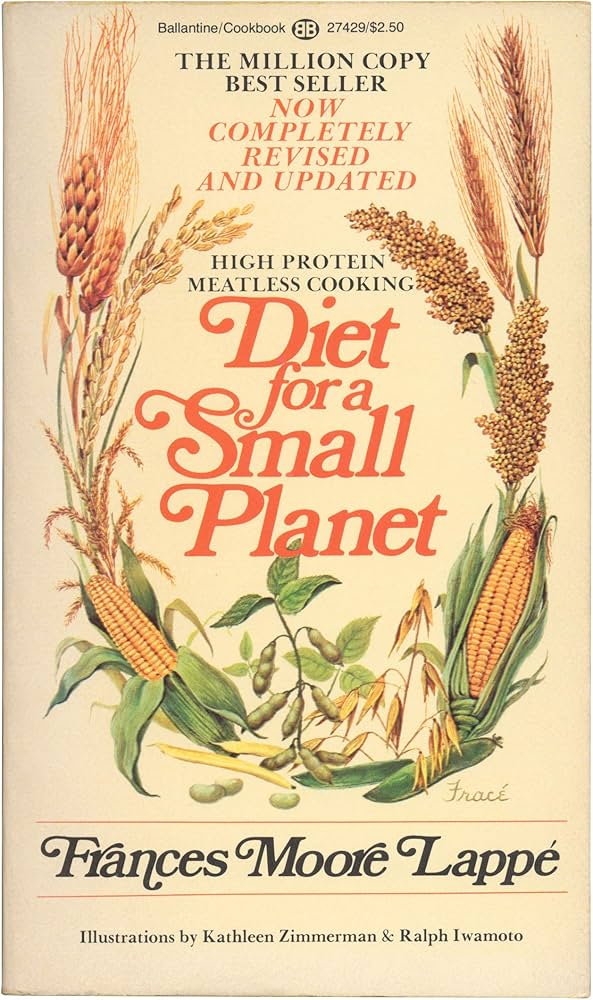
Like many who’ve embarked on a lifelong journey toward nutritional wisdom, my path began at age sixteen with Frances Moore Lappé’s groundbreaking book Diet for a Small Planet. This revolutionary text opened my eyes not just to the science of nutrition but to a whole new way of thinking about food’s connection to personal and planetary health. What began as teenage curiosity blossomed into a lifelong quest for understanding the intricate relationships between our food choices, our wellbeing, and our world.
Lappé’s accessible explanation of complex nutritional concepts made science approachable, even for a sixteen-year-old seeking answers. Her pioneering ideas about protein complementarity—thoughtfully combining plant foods to create complete proteins—provided a practical framework that continues to influence how I approach meals decades later.
The “Diet for a Small Planet” Legacy
Lappé’s 1971 book revolutionized how we think about plant-based nutrition, introducing millions of readers to the concept of “protein complementarity.” While nutritional science has evolved since then, many of Lappé’s core principles remain valuable for plant-based eaters today.
Lappé’s Protein Complementarity Concept
Lappé demonstrated that animal protein isn’t necessary for adequate nutrition if plant foods are thoughtfully combined. She outlined specific food pairings that ensure all essential amino acids are present in appropriate amounts:
- Grains + Legumes: The classic combinations Lappé popularized include rice and beans, wheat (bread) and peanut butter, or corn tortillas with bean fillings
- Seeds/Nuts + Legumes: Sesame seeds (or tahini) with chickpeas (hummus), or a mixed salad of sunflower seeds and lentils
- Grains + Dairy: For lacto-vegetarians, Lappé suggested combinations like yogurt with granola
The Ecological Argument
Lappé’s work was pioneering not just nutritionally but ecologically. Diet for a Small Planet demonstrated that:
- Plant protein production requires significantly less land, water, and energy than animal protein
- Direct consumption of plants is more resource-efficient than cycling nutrients through animals
- Food combining enables optimal nutrition while reducing one’s environmental footprint
Modern Understanding of Food Combining Principles
Building on Lappé’s foundation, we now understand that strategic food combining enhances not just protein quality but overall nutrient absorption and digestion.
Iron Absorption
Iron from plant sources (non-heme iron) is less bioavailable than heme iron from animal products. To maximize iron absorption:
- Pair iron-rich foods (legumes, dark leafy greens, fortified cereals) with vitamin C sources (citrus fruits, bell peppers, strawberries)
- Example: Spinach salad with orange segments or lentil soup with tomatoes
Enhanced Zinc Bioavailability
Zinc from plant sources faces absorption challenges due to phytates. Food combining strategies include:
- Soaking, sprouting, or fermenting legumes, grains, and seeds before cooking
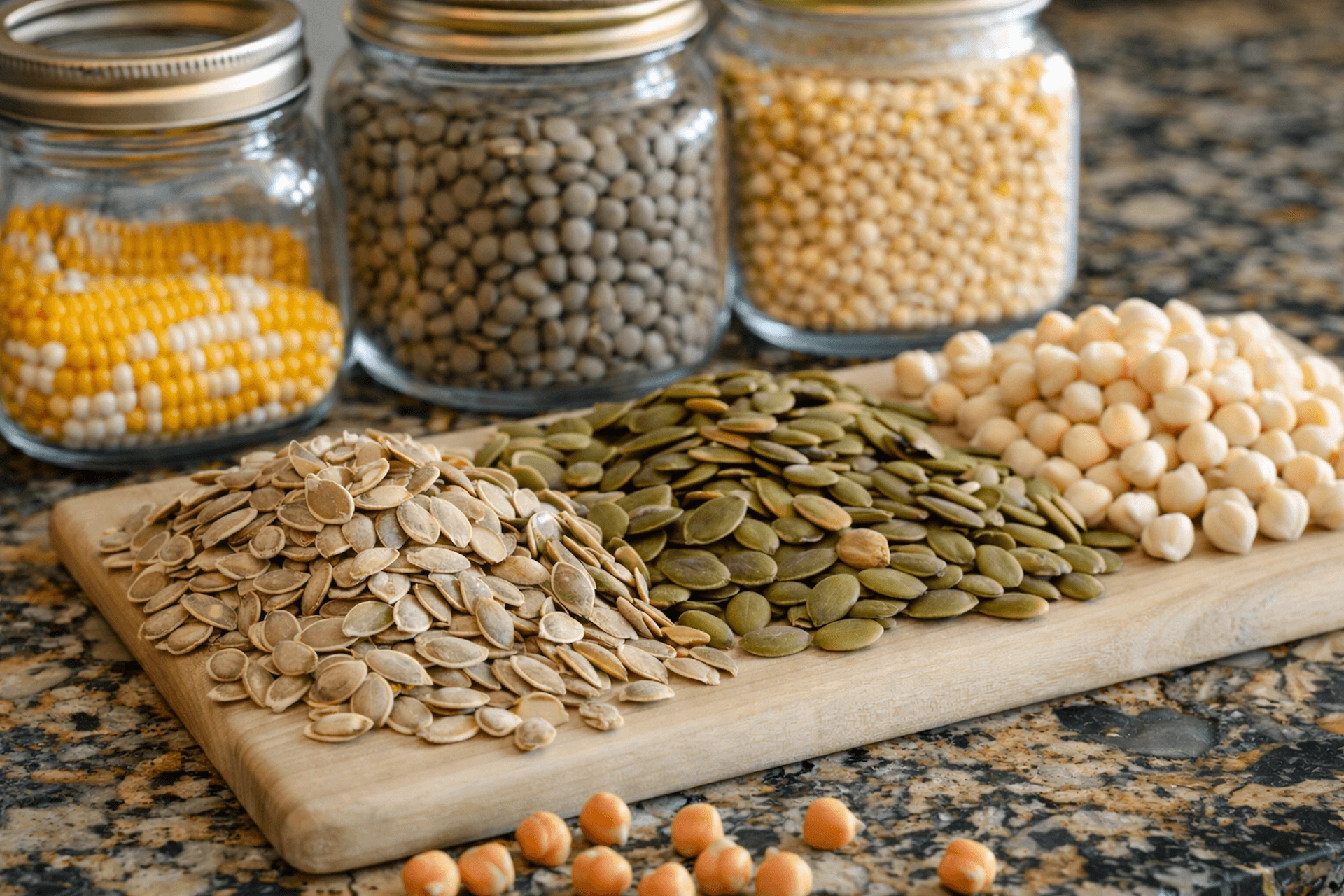
- Pairing zinc-rich foods (pumpkin seeds, chickpeas, cashews) with fermented foods
Enhanced Nutrient Bioavailability Through Cooking Methods
Certain cooking techniques significantly enhance nutrient absorption. For instance, cooking tomatoes in olive oil, such as when making a tomato sauce, dramatically increases the bioavailability of lycopene—a powerful antioxidant linked to reduced risk of cancer and heart disease—as the fat-soluble compound requires dietary fat for optimal absorption by the body. Research published in the Journal of Nutrition found that the absorption of lycopene was 2-3 times higher when tomatoes were cooked with olive oil compared to tomatoes cooked without fat.1 This simple food combining principle transforms a humble tomato sauce into a nutritional powerhouse.
From Teenage Discovery to Lifelong Practice
What began as intellectual curiosity in my teenage years evolved into practical knowledge that has shaped decades of meal planning and preparation. The simple combinations that once seemed novel—beans and rice, hummus and pita, peanut butter sandwiches—have become second nature, intuitive foundations for creating balanced meals.
Looking back, I recognize how formative Diet for a Small Planet was in developing my understanding that our food choices are never just personal—they connect us to global systems of production, distribution, and environmental impact. This holistic perspective continues to inform not just what I eat, but how I think about food’s role in creating a more sustainable and equitable world.
Classic Lappé-Inspired Combinations
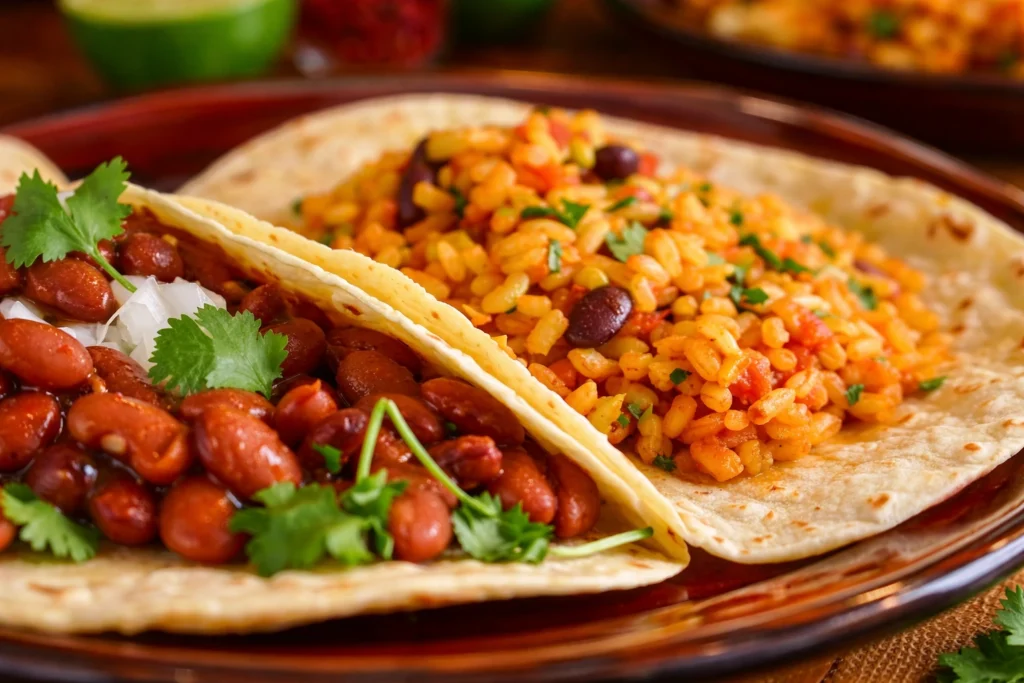
- Beans and rice: A complete protein staple across many cultures
- Hummus and whole wheat pita: Middle Eastern combination providing all essential amino acids
- Corn, rice, and beans: The foundation of many traditional Latin American diets
- Peanut butter sandwich on multigrain bread with small cup of goat milk kefir: A simple yet nutritionally complete meal
Contemporary Applications
- Bean-based soups with tomatoes and leafy greens
- Grain bowls featuring complementary proteins, healthy fats, and colorful vegetables
- Stir-fries combining tofu or tempeh with vitamin C-rich vegetables
The Lasting Impact of Lappé’s Work
Diet for a Small Planet was revolutionary in challenging the notion that animal protein was necessary or superior. By incorporating Lappé’s time-tested principles of food combining with contemporary nutritional knowledge, plant-based eaters can create meals that are nutritionally optimal, environmentally sustainable, and deliciously satisfying.
The author showed that combining plant foods like grains, legumes, nuts, and seeds can create meals with complete protein and essential nutrients—without needing animal products. Today, we know even more about how food combinations can boost nutrient absorption and digestion. What started as simple meals like beans and rice has grown into a thoughtful, balanced way of eating that supports wellness and the environment. This approach reminds us that every meal is more than just fuel—it’s a chance to care for our bodies and our planet at the same time.
Sometimes a journey that begins with reading a transformative book at age sixteen continues throughout life, with each meal becoming an opportunity to put knowledge into practice and each plate reflecting both personal choice and planetary consciousness.



3 Responses
I became a vegetarian at age 40 and depended a lot on Lappe’s book. I am now 85 still a vegetarian, healthy, strong, and no aches and pain. I admire your work, your books and who you are Donnie. It pleases me to have been influenced by a book that influenced you thank you again for all that you do to help and educate people in their health.
I have a similar story! I remember reading this book when I was a young teenager in NJ. We moved to NC and I refer to this book with my patients today.
Another great post, Donnie, and many thanks for the work you and Jen continue doing. Now I will forward this post to several friends who will also appreciate it.